1. Introduction: Learning from the Poor
1.1. The housing story of the Sanchez
1.2. Slums and informal settlements: part of the problem or part of the solution?
1.3. The formal and informal sectors and other problems of semantics
1.4. Why some ideas to solve the "housing problem" have failed
1.5. The need for new approaches
1.6. The "invisible houses"
1.7. A systems approach to housing: Dealing with complexity
1.8. The problem of information: Collecting information and using it in solutions that respond to users’ needs and expectations
1.9 The following chapters (introduction to the book) 2. The Invisible Dwellers and the Invisible Builders
2.1. Informal dwellers and informal workers: Criminals? Wrongdoers? Victims? Heroes?
2.2 Definition and boundaries of the informal sector
2.3. A categorization of slums and informal settlements (see here the CD ROM of the WB)
2.4 Case Box: The slum of Aguablanca, Cali (Colombia)
2.5.Patterns found in the informal sector and patterns (mistakes) found in the formal sector
2.6.The difference between fake developers and informal builders
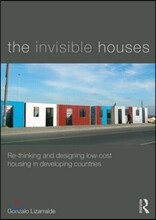
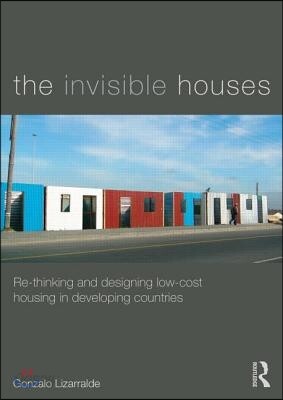
2.7.Case Box: Pre-fabricated "shacks" in Cape Town, South Africa
2.8. Advantages and disadvantages of informal builders 3. The Invisible Market
3.1. Market distortions: residential market, land market, financial market:
3.2. The housing "gap": the pyramid of housing markets and the difficulty of families to "climb" the housing ladder
3.3. Financial mechanisms: mortgages, subsidies, loans, cash-for-work, micro-financing
3.4. Subsidized housing: the main challenges
3.5 Case Box: A $30,000 unit in the favela Santa Marta, Brazil 4. The Invisible Land
4.1. The value of land
4.2. Land tenure (modes of tenure and effects on housing)
4.3. Housing typologies: detached units, row housing, and mid-high buildings
4.4. Housing densities: the dilemma between community participation and housing densities
4.5. Case Box: Mfuleni Project, Cape Town, South Africa
4.6. Land and corruption
4.7. Case Box: Land management after the South Asian Tsunami
4.8. Land and vulnerabilities
4.9. Case Box: land issues and political games in Guatemala 5. The Invisible Process of Incremental Housing
5.1. Definition of incremental housing
5.2. Process of incremental housing
5.3. Technologies of incremental construction
5.4. Case Box: Previ, Lima, Peru
5.5. Unplanned incremental construction
5.6. Case Box: Project in Choluteca, Honduras
5.7. Planned incremental construction
5.8. Case Box: Project Juan Pablo II, Colombia 6. The Invisible Infrastructure
6.1. Public services: water, sewage, electricity, telephone, Internet
6.2. Collective services
6.3. Case Box: Infrastructure challenges in Hanoi
6.4. Transportation
6.5. Case Box: Infrastructure for slums in Bogota and Medellin, Colombia 7. Vulnerability, Resilience, and Reconstruction
7.1. Definition of disasters
7.2. The concept of resilience
7.3: The Cuban vulnerability reduction program
7.4. Reconstruction
7.5. Case Box: Reconstruction project in Haiti
7.6. Temporary housing
7.7. Case Box: Temporary housing project in Armenia, Colombia, and Turkey
7.8. Relocation: challenges and secondary effects
7.9. Case Box: relocation project in Tunisia
7.10. Truths and myths about post-disaster reconstruction 8. Actors and Capabilities
8.1. Project stakeholders
8.2. Temporary multi-organisation
8.3. Project governance: formal and informal structuring, stakeholder management
8.4. Myths and realities of community participation
8.5. Case Box: The Netreg project, Cape Town, South Africa
8.6. Definition of capabilities
8.7. Levels of freedom
8.8. The conditions for freedom 9. Strategies
9.1. Slum upgrading
9.2. Sites and services
9.3. Agency-driven construction
9.4. Cash approach
9.5. Owner-driven construction
9.6. Community-driven construction
9.7. Case Box: Housing reconstruction project in Gujarat, India
9.8. Incremental housing
9.9 Case Box: Habitec construction system in Thailand
9.10. Cooperative housing
9.11. Housing delivery versus the capability approach 10. What Type of Sustainability?
10.1. Levels of responsibility, objectives, and methods
10.2. Social responsibility
10.3. Economic responsibility
10.4. Environmental responsibility
10.5. Sustainable development as a strategy
10.6. Environmental certifications in developing countries 11. Informal Typologies
11.1. Rural vernacular solutions
11.2. Urban informal solutions
11.3. Shacks
11.4. Prefabricated one-storey units
11.5. Multi-storey multi-family buildings
11.6. Multi-family reused (and historical) buildings
11.7. Mesones 12. Conclusion: Complexity
12.1. The systems approach
12.2. Interventions based on capabilities
12.3. Reinforcing the informal sector
12.4. Planning and design within complexity
12.5. The design challenge