
직수입외서는 변심/착오로 인해 주문을 취소할 경우 해외주문 취소수수료 20%가 부과됩니다.?
이미 소장하고 있다면 판매해 보세요.
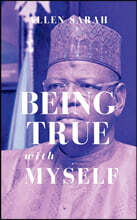
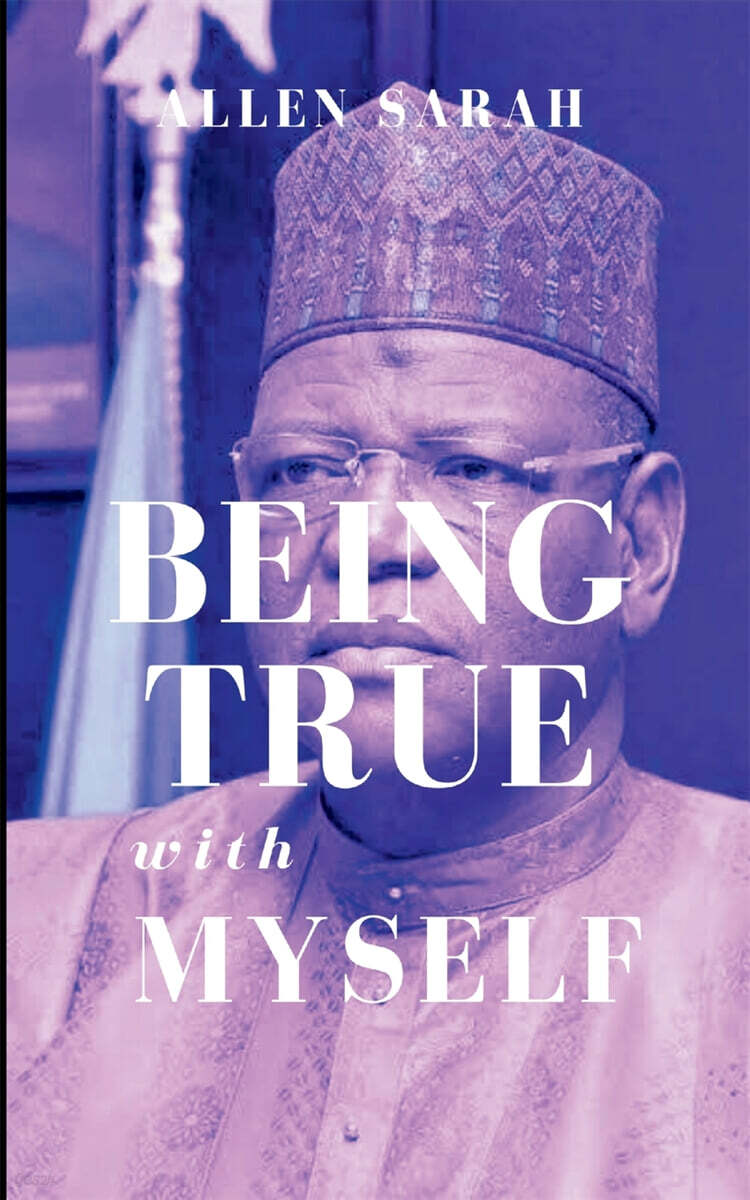
From the sunbaked fields of Birnin Kudu to the polished halls of Abuja and the diplomatic salons of Geneva, "Bring True With Myself" traces the extraordinary ascent of Sule Lamido, a village boy whose unshakable integrity propelled him from humble beginnings to the highest echelons of Nigerian politics. In its opening pages, the narrative unfolds beneath the shade of a mighty baobab, where young Sule first learns the twin pillars of character-perseverance and honesty-from his farmer father and schoolteacher mother. These early lessons, woven through tender vignettes of family life and formative encounters with local storytellers, set the stage for a life defined by service rather than ambition.
As Sule's curiosity blossoms, he finds himself drawn to the classroom and the town council alike, discovering that governance is not born of decrees but of dialogue. The memoir's next chapters chronicle his rise through student politics at Ahmadu Bello University, where late?night debates and field research among northern farmers sharpen his empathy and strategic acumen. These experiences, vividly rendered in scenes of crowded dormitories and dusty markets, reveal the young leader's determination to bridge lofty political theories with the lived realities of ordinary Nigerians.
The heart of the biography beats strongest in Sule's tenure as governor of Jigawa State, a period marked by bold innovations that married tradition with technology. Here, Allen Sarah brings to life the floating schools of the floodplain, solar?powered irrigation schemes, and participatory budgeting councils that transformed villages once forgotten by development planners. Through richly detailed profiles of teachers, nurses, and farmers-people whose lives were forever altered by his policies-the reader witnesses how one man's vision can galvanize an entire region.
Yet service on a grand scale invites profound dilemmas. The book delves into Sule's fraught relationship with the presidency and the delicate dance of federalism as he defended Jigawa's autonomy while securing vital resources. In gripping chapters on the farmers?herders crisis, Sarah shows how dialogue and constitutional ingenuity defused communal tensions, even as bureaucratic inertia and party pressures threatened to undo months of painstaking work. These passages underscore the complex trade?offs inherent in leadership and the ever?present tension between principle and pragmatism.
Interwoven throughout are poignant reflections on personal sacrifice: the missed anniversaries, the late nights at the diplomatic table, and the headlines that sometimes sowed discord in his marriage. Sule's regrets-in scholarships announced too late for rural families, in health clinics opened without adequate staffing, in alliances forged for expediency-offer a rare glimpse of a public figure unafraid to confront his own fallibility. These candid admissions, rendered with grace and humility, transform the biography from a chronicle of achievements into a meditation on the moral costs of power.
The concluding section carries the story beyond office, chronicling the founding of the Sule Lamido Leadership Academy and the cultivation of future generations of changemakers. It celebrates his enduring commitment to transparency, community engagement, and gender inclusion, illustrating how his ideas took root in classrooms, health centers, and cooperatives across northern Nigeria. By spotlighting the academy's alumni-engineers, lawyers, and social entrepreneurs-the narrative affirms that true legacy lies not in monuments, but in empowered citizens who carry forward the torch of service.
리뷰
첫번째 리뷰어가 되어주세요.
한줄평
첫번째 한줄평을 남겨주세요.
클린봇으로 착한 글만 확인해보세요!
클린봇이 부적절한 글을 감지 중입니다.
