
- 국내배송만 가능
- 해외 거래처 사정에 의하여 품절/지연 가능
- 도서 정보 중 미표기 사항 안내?
- 문화비소득공제 가능
책소개
목차
|
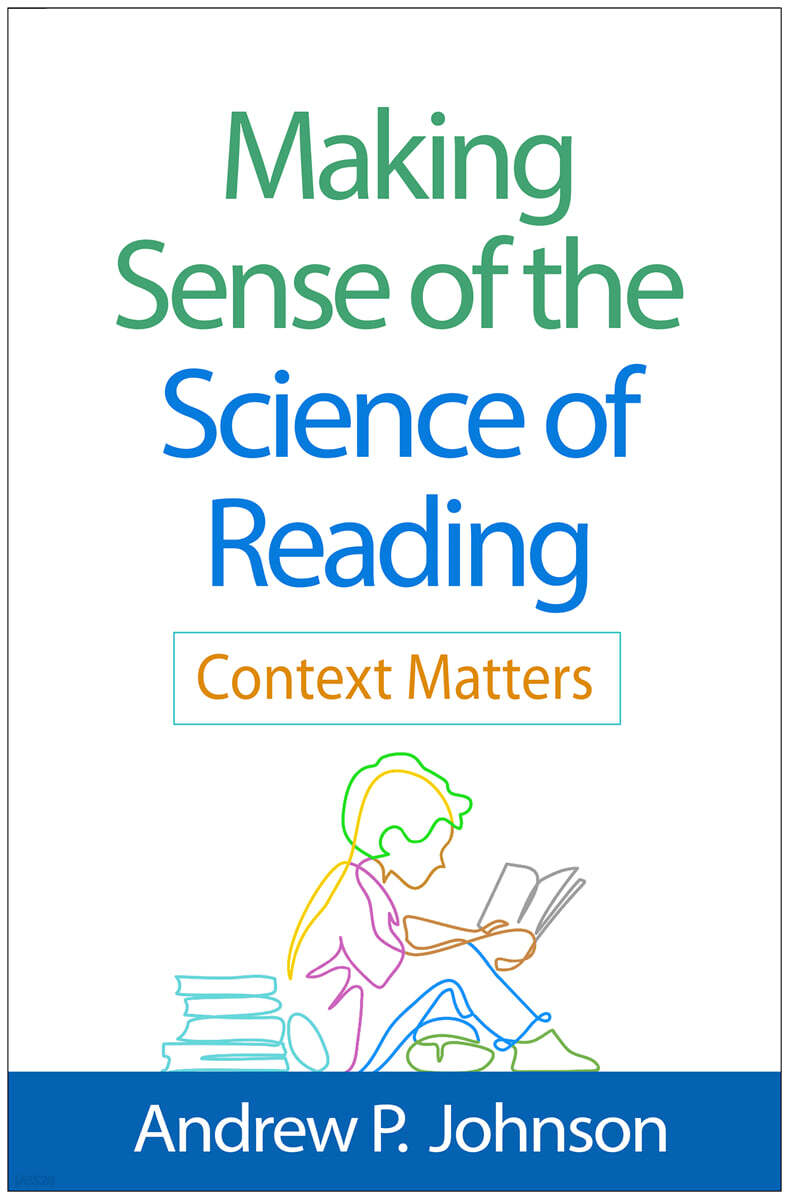
<P>Preface<br>I. Understanding the Problem<br>1. What Is the Science of Reading?<br>2. Context Matters<br>3. A Crisis in Reading That Isn’t<br>II. Understanding Research<br>4. Understanding Science, Research, and Research Methods<br>5. Understanding Theories<br>6. Understanding Evidence-Based Instruction and Whole Language<br>7. Understanding Paradigms<br>8. Becoming a Responsible Consumer of Educational Research<br>III. Understanding the Reading Process<br>9. Word Activation and Semantic Connections<br>10. Cognitive Science, Reading, and Orthographic Mapping<br>11. Three Cueing Systems and the Three-Cueing System<br>12. Research to Support the Three-Cueing System<br>13. Applying the Research<br>14. Children of the Code<br>IV. Understanding Reading Instruction<br>15. Using Direct and Explicit Instruction to Teach Skills in Reading<br>16. The Glorious Music of Balanced Literacy Instruction<br>17. What Dance Can Teach Us about Reading Instruction<br>18. Phonemic Awareness, Time, Magic, and the Challenge<br>V. Understanding Assessment--and the Greater Context<br>19. Criterion-Referenced Tests, Norm-Referenced Tests, Academic Performance Standards—and Miracles<br>20. Teaching and Teachers<br>21. Epilogue: Education Sciences Reform Act of 2002<br>Appendix<br>References<br>Index<br></P> |
품목정보
- 발행 예정일
- 미정
- 쪽수, 무게, 크기
- 218쪽 | 150*230mm
- ISBN13
- 9781462563838
사락 별점0
혜택 및 유의사항밑줄0
혜택 및 유의사항상품정보안내
(판형과 판수 등이 다양한 도서는 찾으시는 도서의 ISBN을 알려 주시면 보다 빠르고 정확한 안내가 가능합니다.)
해외거래처에서 품절인 경우, 2차 거래선을 통해 유럽과 미국 출판사로 직접 수입이 진행될 수 있습니다.
수입 진행 시점으로 부터 2~3주가 추가로 소요되며, 해외에서도 유통이 원활하지 않은 도서는 품절 안내가 지연될 수 있습니다.
해당 경우, 문자와 메일로 별도 안내를 드리고 있사오니 마이페이지에서 휴대전화번호와 메일주소를 다시 한번 확인해주시기 바랍니다.
