
직수입외서는 변심/착오로 인해 주문을 취소할 경우 해외주문 취소수수료 20%가 부과됩니다.?
이미 소장하고 있다면 판매해 보세요.
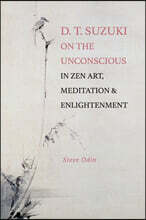
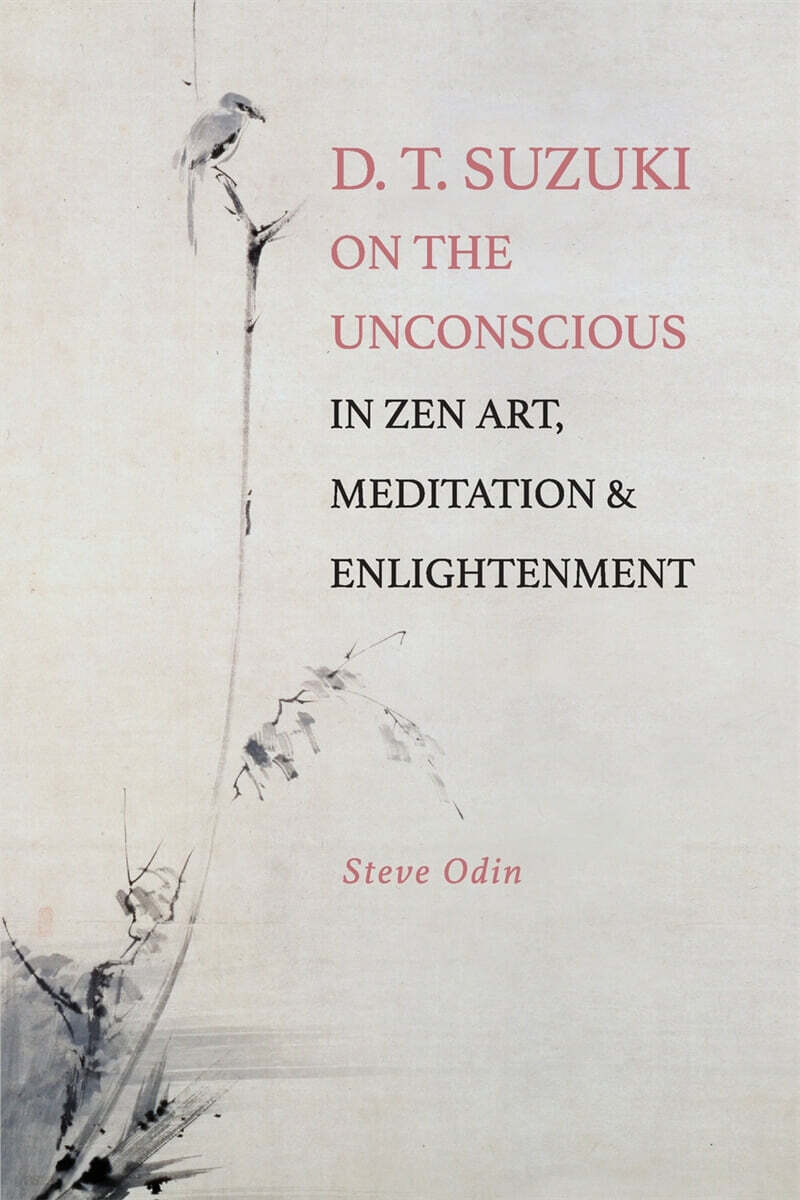
A comprehensive study of D. T. Suzuki's Zen philosophy and philosophical psychology in relation to his Buddhist understanding of the "cosmic Unconscious."
This book explores how the Japanese philosopher D. T. Suzuki (1870-1966) developed an integral synthesis of Eastern and Western sources to establish a modern philosophical psychology of the "cosmic Unconscious," which he in turn used as the basis to interpret every aspect of Zen art, meditation, and enlightenment. Beyond Freud's personal unconscious and Jung's collective unconscious, according to Suzuki, is the cosmic Unconscious of Zen, which as absolute nothingness is the fountain of inexhaustible creative potentialities and the source of all Zen-inspired arts. The book demonstrates that, like the Kyoto School of modern Japanese philosophy, Suzuki's Zen endeavors to overcome the existential problem of nihilism or relative nothingness by shifting to the openness of absolute nothingness wherein emptiness is fullness and all things are disclosed in the evanescent beauty of their suchness. Suzuki, however, formulates his scheme in terms of a depth psychology where the cosmic Unconscious is the encompassing locus of absolute nothingness. Ultimately, the book argues that, by integrating both Eastern and Western views of the unconscious psyche, including the different schools of Zen and Mahayana Buddhism, as well as American, French, and German theories of the unconscious, Suzuki's Zen concept of the cosmic Unconscious constitutes a significant original contribution to philosophical psychology.
첫번째 리뷰어가 되어주세요.
첫번째 한줄평을 남겨주세요.
클린봇으로 착한 글만 확인해보세요!
클린봇이 부적절한 글을 감지 중입니다.
첫번째 별점을 남겨주세요.
첫번째 밑줄을 남겨주세요.