
소개
목차
|
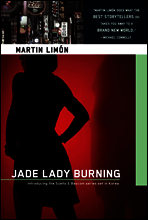
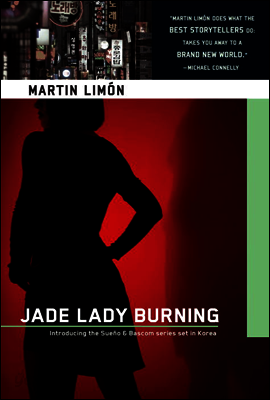
Almost twenty years after the end of the Korean War, the U.S. Military is still present throughout South Korea, and tensions run high. Koreans look for any opportunity to hate the soldiers who drink at their bars and carouse with their women. When Pak Ok-Suk, a young Korean woman, is found brutally murdered in a torched apartment in the Itaewon red-light district of Seoul, it looks like it might be the work of her American soldier boyfriend. Sergeants George Sueño and Ernie Bascom, Military Police for the U.S. 8th Army, are assigned to the case, but they have nothing to go on other than a tenuous connection to an infamous prostitute. As repressed resentments erupt around them, the pair sets out on an increasingly dangerous quest to find evidence that will absolve their countryman.
From the Trade Paperback edition. |
관련 분류
품목정보
- 발행일
- 2003년 07월 01일
- 이용안내
-
- 배송 없이 구매 후 바로 읽기
- 이용기간 제한없음
- TTS 불가능
- 저작권 보호를 위해 인쇄 기능 제공 안함
- 지원기기
- 크레마,PC(윈도우 - 4K 모니터 미지원),아이폰,아이패드,안드로이드폰,안드로이드패드,PC(Mac)
- 파일/용량
- EPUB(DRM) | 0.28MB ?
출판사 리뷰
|
Ernie and I finished the black-market case in Pusan, did a little celebrating, and caught the Blue Line night train back to Seoul. The dining car served only Western-style food and a few snacks to go with the ice-cold liters of OB beer that they offered at inflated prices. Ernie and I avoided it, naturally, preferring to carry our own sustenance aboard, like the locals.
The U.S. government wouldn't buy seats in the first-class cabin for GIs, but the coach was quite comfortable, with large padded chairs and plenty of legroom. It was nice enough so that Korean men usually wore suits and the women dressed up. But that didn't stop them from bringing along small tins of pungent kimchi and rice, and maybe a little fish for their meals. Bringing your own was the only way, the Koreans pointed out, to have any "real" food. The man and his wife in the seat in front of us were sharing the fermented bounty from the same tin while their three children bounced playfully around them. Occasionally the parents would pop a morsel in their children's mouths and they would squeal and return to their frivolity. It wasn't doing my hangover any good. I elbowed Ernie. His arms were crossed, his legs stretched out. One eye partially opened. He opened his arms, leaned forward, and from under the seat pulled out his brown leather traveling bag. He removed two cans of Falstaff. "Breakfast," he said. My reaction was Pavlovian. We popped them open and white froth rose in a mound around the top of my can. I sucked greedily, letting the lukewarm liquid slide down my throat until the juices got flowing in preparation for the full onslaught, and then I tilted the can way back and let the hops revitalize my brain and body. My eyes were watery; we both leaned back in our chairs to luxuriate in the feeling. "You're a genius, Ernie." "Logistics, pal. Simple logistics." Across the aisle sat a Korean peasant woman in a dark blue skirt and matching waistcoat. She had thick, sturdy calves and thighs, and a broad pelvic girdle made from squatting in the rice fields all day and lifting her lover of the straw mat at night. A tam-o'-shanter sat at an angle atop her round head and straight black hair, which fell to her shoulders. Her coal-bright eyes smiled at us briefly and turned back to her morning meal. She, too, had brought her own. My stomach growled and I turned away from the sight of food to look out the window. The winter countryside was brown, white in places where snow clung: acres of frozen rice paddies. Farm folk hustled from chore to chore, bundled against the weather. Dark pillars of smoke rose lazily skyward; the clouds rolled and drooped low to the earth. Gradually the rice paddies gave way to storage yards, then warehouses, truck parking lots, factories. “There it is," Ernie said, sounding impressed, his breath clouding the window glass. The OB brewery stood out against the overcast, a huge gray plant with a monstrous red and yellow sign mounted on its tallest smokestack: ob. Extending for acres in all directions were countless rows of brown beer bottles in wooden slat-crates piled twenty high. It was a majestic sight for two serious drinkers. We sped through Yongdonpo Station, past crowds of huddled commuters, through a small wooded area and suddenly out over a vast expanse of blue—the Han River. And we could see, off to our right, the city of Seoul floating on a cloud of river fog. Yongsan Station flashed by; the engineer was balling it to the end of the line. The windows radiated cold. "Lock and load," Ernie said, gathering up his bag. We jumped off the train just as it stopped and tried to beat the crowds streaming off and up the stairways leading to the main hall. Seoul Station was old and large and Slavic—made of mortar and brick—a present to Korea from the czar, left over from the days when Russia dominated it. At the top |