
직수입외서는 변심/착오로 인해 주문을 취소할 경우 해외주문 취소수수료 20%가 부과됩니다.?
이미 소장하고 있다면 판매해 보세요.
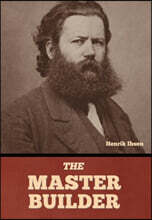
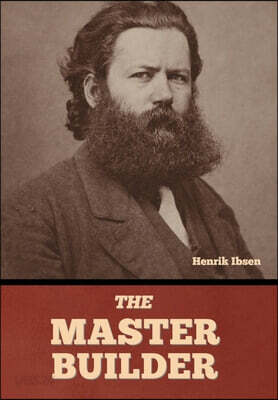
Henrik Ibsen's The Master Builder explores the psychological struggles of ambition, guilt, and fear of decline through the character of Halvard Solness, a successful but deeply troubled architect. Solness has risen to prominence through a combination of talent and ruthless determination, yet he is haunted by a persistent fear that younger generations will replace him. This anxiety manifests in his controlling behavior toward his employees and his reluctance to mentor younger architects. Ibsen uses Solness to examine the cost of success, suggesting that ambition, when driven by insecurity, can lead to isolation and moral compromise.
The arrival of Hilda Wangel introduces a disruptive force that challenges Solness's carefully constructed world. Hilda represents youth, vitality, and an almost mystical belief in human potential. She encourages Solness to embrace his former daring spirit and pursue greatness without fear. However, her influence is ambiguous-she both inspires and manipulates him, pushing him toward a dangerous assertion of his own power. Through their interaction, Ibsen explores the tension between illusion and reality, as Hilda's idealized vision of Solness contrasts sharply with his fragile mental state and unresolved guilt over past actions.
Ultimately, The Master Builder is a трагic exploration of the human desire for significance and the destructive consequences of living in fear. Solness's final act-climbing the tower despite his terror-symbolizes both a desperate attempt to reclaim his greatness and a surrender to the illusions that have consumed him. His fall underscores Ibsen's critique of unchecked ambition and the dangers of self-deception. The play leaves the audience questioning whether true fulfillment comes from external achievement or from confronting one's inner fears and accepting human limitations.
첫번째 리뷰어가 되어주세요.
첫번째 한줄평을 남겨주세요.
클린봇으로 착한 글만 확인해보세요!
클린봇이 부적절한 글을 감지 중입니다.
첫번째 별점을 남겨주세요.
첫번째 밑줄을 남겨주세요.