
직수입외서는 변심/착오로 인해 주문을 취소할 경우 해외주문 취소수수료 20%가 부과됩니다.?
이미 소장하고 있다면 판매해 보세요.
Modern medicine possesses extraordinary knowledge. It can diagnose earlier, treat more effectively, and extend lives once thought beyond saving. Yet knowledge alone does not guarantee care. Between what medicine knows and what patients receive stands a complex architecture of institutions, policies, incentives, regulations, and decisions that shape who receives help, when they receive it, and what obstacles stand in the way.
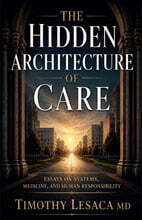
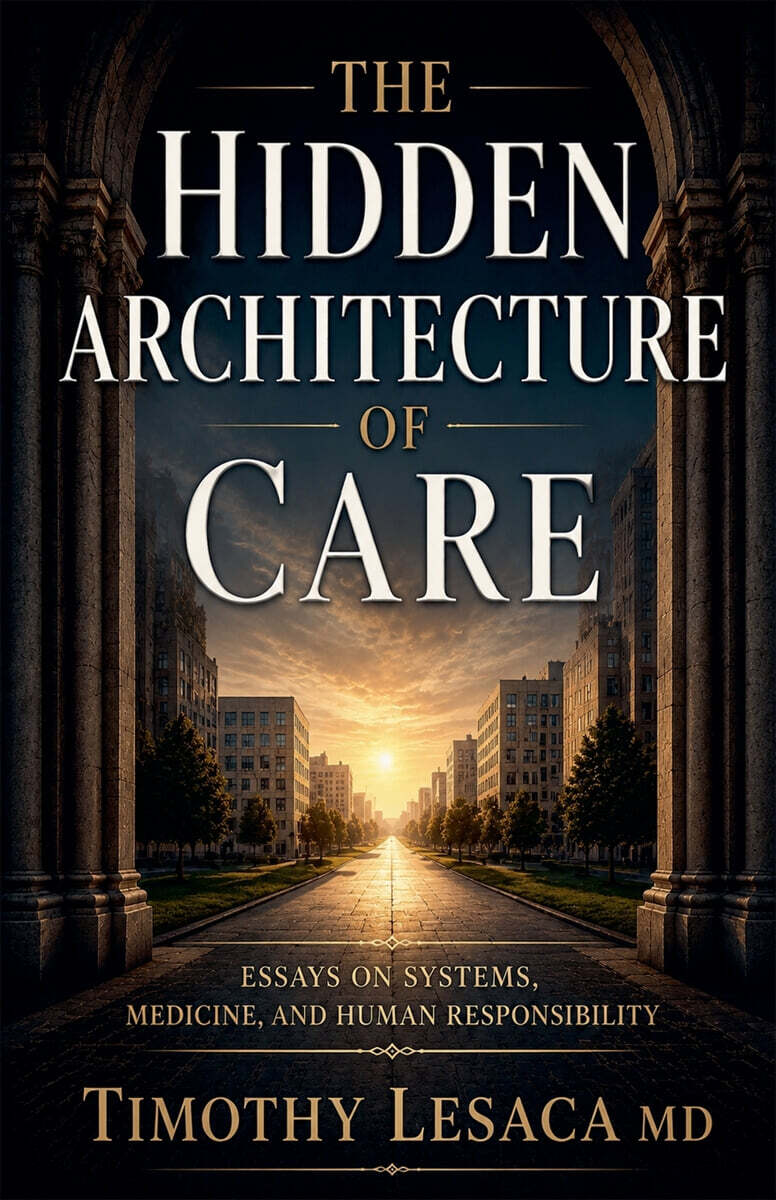
In The Hidden Architecture of Care, psychiatrist Timothy Lesaca, MD, examines the unseen structures that influence modern medicine and the human consequences when those structures lose sight of their purpose.
Drawing on more than four decades of clinical experience, scholarship, and reflection, Dr. Lesaca explores the fragile space between patients and the systems designed to serve them. Through fourteen essays, he examines the moral dimensions of everyday medical encounters, the forces shaping access to care, the erosion of trust in institutions, and the consequences that emerge when systems fail the people who depend upon them.
The book explores questions that extend beyond medicine:
What happens when insurance coverage exists but care remains unreachable?
What happens when administrative systems intended to control costs become barriers to treatment?
What happens when communities lose hospitals, pharmacies lose stability, and geography determines access to care?
What happens when evidence struggles to constrain power and institutions lose public trust?
From physician-patient relationships to healthcare policy, from rural hospitals to presidential medicine, from medical ethics to institutional responsibility, The Hidden Architecture of Care examines how systems shape human lives-and why accountability cannot disappear simply because decisions become complex.
At its core, this book is a reflection on responsibility. Institutions are necessary. Complexity is unavoidable. But every system remains a human creation, and every policy ultimately affects a person.
The final measure of healthcare is not found in the elegance of its design.
It is found in what happens to the person who stands before it, in need.
리뷰
첫번째 리뷰어가 되어주세요.
한줄평
첫번째 한줄평을 남겨주세요.
클린봇으로 착한 글만 확인해보세요!
클린봇이 부적절한 글을 감지 중입니다.
