
소개
목차
|
Contents
ACT I ACT II ACT III ACT IV |
저자 소개
헨리크 입센 (Henrik Ibsen, 1828?1906)은 노르웨이의 극작가 헨리크 입센은 '현대 연극의 아버지'로 불린다. 1828년 노르웨이 남부의 작은 항구 도시 시엔에서 태어난 그는 부친의 파산으로 어린 시절 가난을 겪었고, 약제사 견습생으로 일하며 글을 쓰기 시작했다. 초기에는 북유럽 전설과 역사를 소재로 한 운문극을 썼으나, 20여 년간 이탈리아와 독일에서 망명하듯 지내며 작품 세계를 근본적으로 바꾸어 놓았다.
『인형의 집』(1879), 『유령』(1881), 『민중의 적』(1882)로 이어지는 사회극에서 그는 결혼과 가족, 도덕과 명예라는 당대의 견고한 관념을 무대 위에서 해부했다. 낭만적 환상 대신 일상의 언어로 중산층 거실을 그려내고, 그 안에 숨은 위선과 억압을 드러낸 것이다. 노라가 문을 닫고 집을 나서는 마지막 장면은 유럽 전역에 스캔들을 일으켰다.
후기작 『헤다 가블러』, 『건축가 솔네스』, 『우리 죽은 자들이 깨어날 때』에서는 사회 비판보다 인간 내면의 어둠과 자기기만으로 시선을 옮겼다. 셰익스피어 다음으로 세계에서 가장 많이 공연되는 극작가로 꼽히며, 그가 남긴 질문들은 오늘날에도 낡지 않았다.
Henrik Ibsen, the Norwegian playwright widely regarded as the father of modern drama, was born in 1828 in Skien, a small port town in southern Norway. His father's bankruptcy plunged the family into poverty, and Ibsen began writing while apprenticed to an apothecary. His early works were verse dramas drawn from Nordic legend and history, but nearly three decades of self-imposed exile in Italy and Germany transformed his art entirely.
In the social plays ? A Doll's House(1879), Ghosts(1881), An Enemy of the People(1882) ? he put the certainties of his age under the knife: marriage, family, respectability, honour. Rejecting romantic convention, he staged middle-class drawing rooms in the plain speech of daily life and exposed the hypocrisy and quiet coercion within them. The sound of Nora closing the door behind her scandalised audiences across Europe.
His late works ? Hedda Gabler, The Master Builder, When We Dead Awaken? turned inward, trading social critique for the darker territory of self-deception and buried desire. Today he is among the most performed dramatists in the world, second only to Shakespeare, and the questions he asked have lost none of their edge.
『인형의 집』(1879), 『유령』(1881), 『민중의 적』(1882)로 이어지는 사회극에서 그는 결혼과 가족, 도덕과 명예라는 당대의 견고한 관념을 무대 위에서 해부했다. 낭만적 환상 대신 일상의 언어로 중산층 거실을 그려내고, 그 안에 숨은 위선과 억압을 드러낸 것이다. 노라가 문을 닫고 집을 나서는 마지막 장면은 유럽 전역에 스캔들을 일으켰다.
후기작 『헤다 가블러』, 『건축가 솔네스』, 『우리 죽은 자들이 깨어날 때』에서는 사회 비판보다 인간 내면의 어둠과 자기기만으로 시선을 옮겼다. 셰익스피어 다음으로 세계에서 가장 많이 공연되는 극작가로 꼽히며, 그가 남긴 질문들은 오늘날에도 낡지 않았다.
Henrik Ibsen, the Norwegian playwright widely regarded as the father of modern drama, was born in 1828 in Skien, a small port town in southern Norway. His father's bankruptcy plunged the family into poverty, and Ibsen began writing while apprenticed to an apothecary. His early works were verse dramas drawn from Nordic legend and history, but nearly three decades of self-imposed exile in Italy and Germany transformed his art entirely.
In the social plays ? A Doll's House(1879), Ghosts(1881), An Enemy of the People(1882) ? he put the certainties of his age under the knife: marriage, family, respectability, honour. Rejecting romantic convention, he staged middle-class drawing rooms in the plain speech of daily life and exposed the hypocrisy and quiet coercion within them. The sound of Nora closing the door behind her scandalised audiences across Europe.
His late works ? Hedda Gabler, The Master Builder, When We Dead Awaken? turned inward, trading social critique for the darker territory of self-deception and buried desire. Today he is among the most performed dramatists in the world, second only to Shakespeare, and the questions he asked have lost none of their edge.
품목정보
- 발행일
- 2026년 08월 05일
- 지원기기
- 크레마,PC(윈도우 - 4K 모니터 미지원),아이폰,아이패드,안드로이드폰,안드로이드패드,전자책단말기(저사양 기기 사용 불가),PC(Mac)
- 파일/용량
- EPUB(DRM) | 26.98MB ?
- 글자 수/ 페이지 수
- 약 14.2만자, 약 3.1만 단어, A4 약 89쪽 ?
- ISBN13
- 9791176152464
출판사 리뷰
|
『헤다 가블러』의 무서움은 동기가 없다는 데 있다. 헤다는 돈이 궁하지도, 사랑에 미치지도 않았다. 그녀가 원고를 불태우고 권총을 건네는 것은 무언가를 얻기 위해서가 아니라, 단 한 번이라도 한 인간의 운명을 자기 손으로 결정해 보기 위해서다. 입센이 그린 것은 악녀가 아니라, 쓸 데가 없어 안으로 썩어 들어간 힘이다.
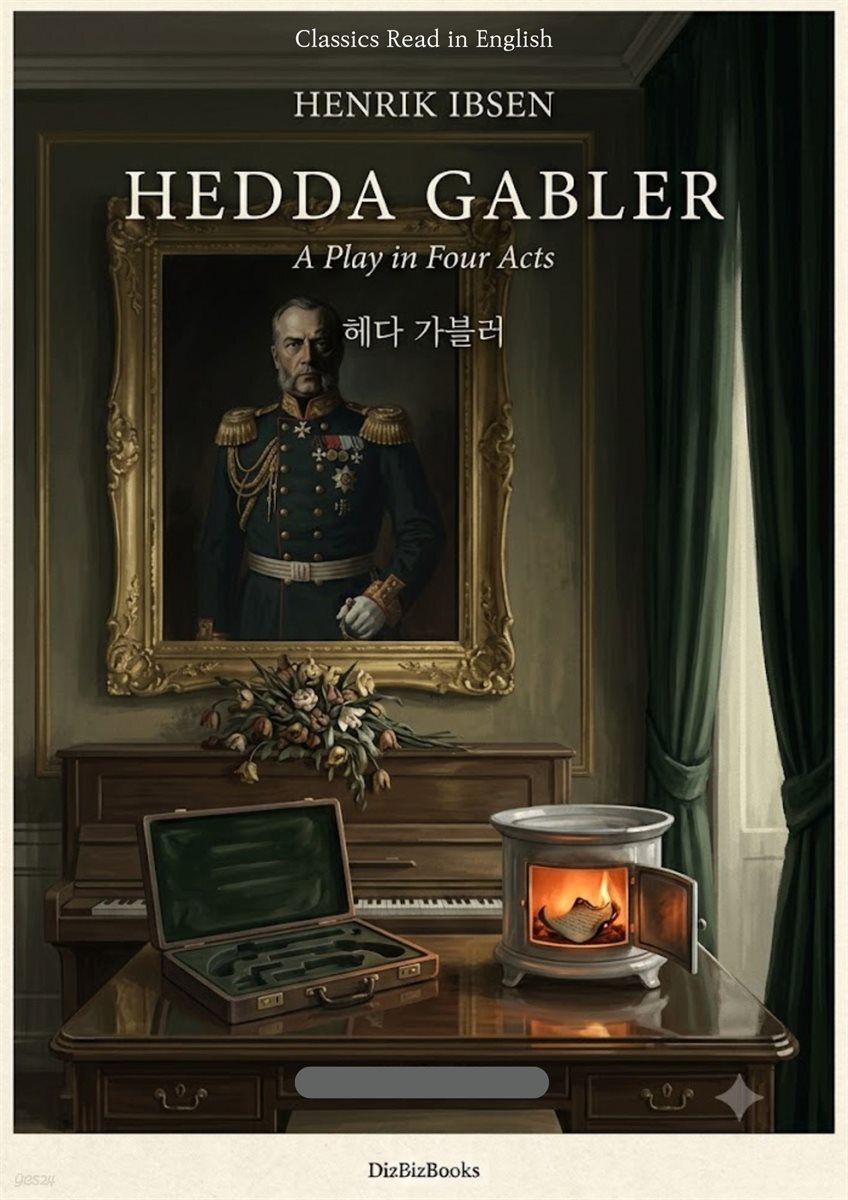
작품의 열쇠는 제목에 있다. 결혼한 지 여섯 달 된 여자를 입센은 끝까지 테스만 부인이 아닌 '헤다 가블러'라고 부른다. 그녀는 아내가 된 적이 없고, 아버지의 권총과 초상화만이 그녀가 어떤 사람이 될 수도 있었는지를 증언한다. 그 총이 1막부터 무대 위에 놓여 있다는 사실은 잔인할 만큼 정직한 예고다. 가장 인상적인 인물은 오히려 테아 엘브스테드다. 소심하고 평범한 이 여자는 헤다가 갖지 못한 것을 갖고 있다 ? 한 남자를 실제로 변화시킬 만큼의 꾸준한 애정. 헤다가 견디지 못한 것은 뢰브보르가 아니라 바로 그 능력이었다. 마지막 막에서 태워버린 원고를 테아가 메모 조각들로 되살리기 시작하고, 헤다는 자신이 파괴한 것조차 온전히 파괴하지 못했음을 깨닫는다. 그리고 커튼 뒤에서 총성이 울린 뒤, 브라크 판사가 남기는 마지막 대사 ? 사람은 그런 짓을 하지 않는다 ? 는 이 희곡이 왜 여전히 서늘한지를 한 문장으로 요약한다. 세상은 끝까지 그녀를 이해하지 못한다. What makes Hedda Gabler frightening is the absence of motive. Hedda is not desperate for money and not maddened by love. She burns the manuscript and hands over the pistol not to gain anything but to determine, just once, the shape of another person's fate. Ibsen has not written a villainess; he has written a capacity for power that had nowhere to go and turned septic. The key is in the title. Six months married, and Ibsen refuses to the end to call her Mrs Tesman. She never became a wife, and her father's pistols and portrait are all that testify to the person she might otherwise have been. That the pistols sit on stage from the first act is a piece of brutally honest foreshadowing. The most quietly remarkable figure is Thea Elvsted. Timid, unremarkable, she possesses the one thing Hedda does not ? a steady affection strong enough to actually change a man. It was never Løvborg that Hedda couldn't bear, but that capability. In the final act Thea begins reconstructing the burned manuscript from scraps of notes, and Hedda understands that she has failed even at destruction. Then the shot behind the curtain, and Judge Brack's closing line ? people don't do such things ? which explains in six words why the play still chills. The world does not understand her, and never will. |