
소개
목차
|
Contents
ACT I ACT II ACT III ACT IV |
저자 소개
헨리크 입센 (Henrik Ibsen, 1828?1906)은 노르웨이의 극작가 헨리크 입센은 '현대 연극의 아버지'로 불린다. 1828년 노르웨이 남부의 작은 항구 도시 시엔에서 태어난 그는 부친의 파산으로 어린 시절 가난을 겪었고, 약제사 견습생으로 일하며 글을 쓰기 시작했다. 초기에는 북유럽 전설과 역사를 소재로 한 운문극을 썼으나, 20여 년간 이탈리아와 독일에서 망명하듯 지내며 작품 세계를 근본적으로 바꾸어 놓았다.
『인형의 집』(1879), 『유령』(1881), 『민중의 적』(1882)로 이어지는 사회극에서 그는 결혼과 가족, 도덕과 명예라는 당대의 견고한 관념을 무대 위에서 해부했다. 낭만적 환상 대신 일상의 언어로 중산층 거실을 그려내고, 그 안에 숨은 위선과 억압을 드러낸 것이다. 노라가 문을 닫고 집을 나서는 마지막 장면은 유럽 전역에 스캔들을 일으켰다.
후기작 『헤다 가블러』, 『건축가 솔네스』, 『우리 죽은 자들이 깨어날 때』에서는 사회 비판보다 인간 내면의 어둠과 자기기만으로 시선을 옮겼다. 셰익스피어 다음으로 세계에서 가장 많이 공연되는 극작가로 꼽히며, 그가 남긴 질문들은 오늘날에도 낡지 않았다.
Henrik Ibsen, the Norwegian playwright widely regarded as the father of modern drama, was born in 1828 in Skien, a small port town in southern Norway. His father's bankruptcy plunged the family into poverty, and Ibsen began writing while apprenticed to an apothecary. His early works were verse dramas drawn from Nordic legend and history, but nearly three decades of self-imposed exile in Italy and Germany transformed his art entirely.
In the social plays ? A Doll's House(1879), Ghosts(1881), An Enemy of the People(1882) ? he put the certainties of his age under the knife: marriage, family, respectability, honour. Rejecting romantic convention, he staged middle-class drawing rooms in the plain speech of daily life and exposed the hypocrisy and quiet coercion within them. The sound of Nora closing the door behind her scandalised audiences across Europe.
His late works ? Hedda Gabler, The Master Builder, When We Dead Awaken? turned inward, trading social critique for the darker territory of self-deception and buried desire. Today he is among the most performed dramatists in the world, second only to Shakespeare, and the questions he asked have lost none of their edge.
『인형의 집』(1879), 『유령』(1881), 『민중의 적』(1882)로 이어지는 사회극에서 그는 결혼과 가족, 도덕과 명예라는 당대의 견고한 관념을 무대 위에서 해부했다. 낭만적 환상 대신 일상의 언어로 중산층 거실을 그려내고, 그 안에 숨은 위선과 억압을 드러낸 것이다. 노라가 문을 닫고 집을 나서는 마지막 장면은 유럽 전역에 스캔들을 일으켰다.
후기작 『헤다 가블러』, 『건축가 솔네스』, 『우리 죽은 자들이 깨어날 때』에서는 사회 비판보다 인간 내면의 어둠과 자기기만으로 시선을 옮겼다. 셰익스피어 다음으로 세계에서 가장 많이 공연되는 극작가로 꼽히며, 그가 남긴 질문들은 오늘날에도 낡지 않았다.
Henrik Ibsen, the Norwegian playwright widely regarded as the father of modern drama, was born in 1828 in Skien, a small port town in southern Norway. His father's bankruptcy plunged the family into poverty, and Ibsen began writing while apprenticed to an apothecary. His early works were verse dramas drawn from Nordic legend and history, but nearly three decades of self-imposed exile in Italy and Germany transformed his art entirely.
In the social plays ? A Doll's House(1879), Ghosts(1881), An Enemy of the People(1882) ? he put the certainties of his age under the knife: marriage, family, respectability, honour. Rejecting romantic convention, he staged middle-class drawing rooms in the plain speech of daily life and exposed the hypocrisy and quiet coercion within them. The sound of Nora closing the door behind her scandalised audiences across Europe.
His late works ? Hedda Gabler, The Master Builder, When We Dead Awaken? turned inward, trading social critique for the darker territory of self-deception and buried desire. Today he is among the most performed dramatists in the world, second only to Shakespeare, and the questions he asked have lost none of their edge.
품목정보
- 발행일
- 2026년 08월 07일
- 지원기기
- 크레마,PC(윈도우 - 4K 모니터 미지원),아이폰,아이패드,안드로이드폰,안드로이드패드,전자책단말기(저사양 기기 사용 불가),PC(Mac)
- 파일/용량
- EPUB(DRM) | 27.05MB ?
- 글자 수/ 페이지 수
- 약 12.6만자, 약 2.8만 단어, A4 약 79쪽 ?
- ISBN13
- 9791176152518
출판사 리뷰
|
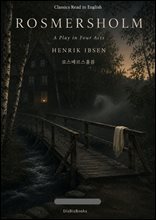
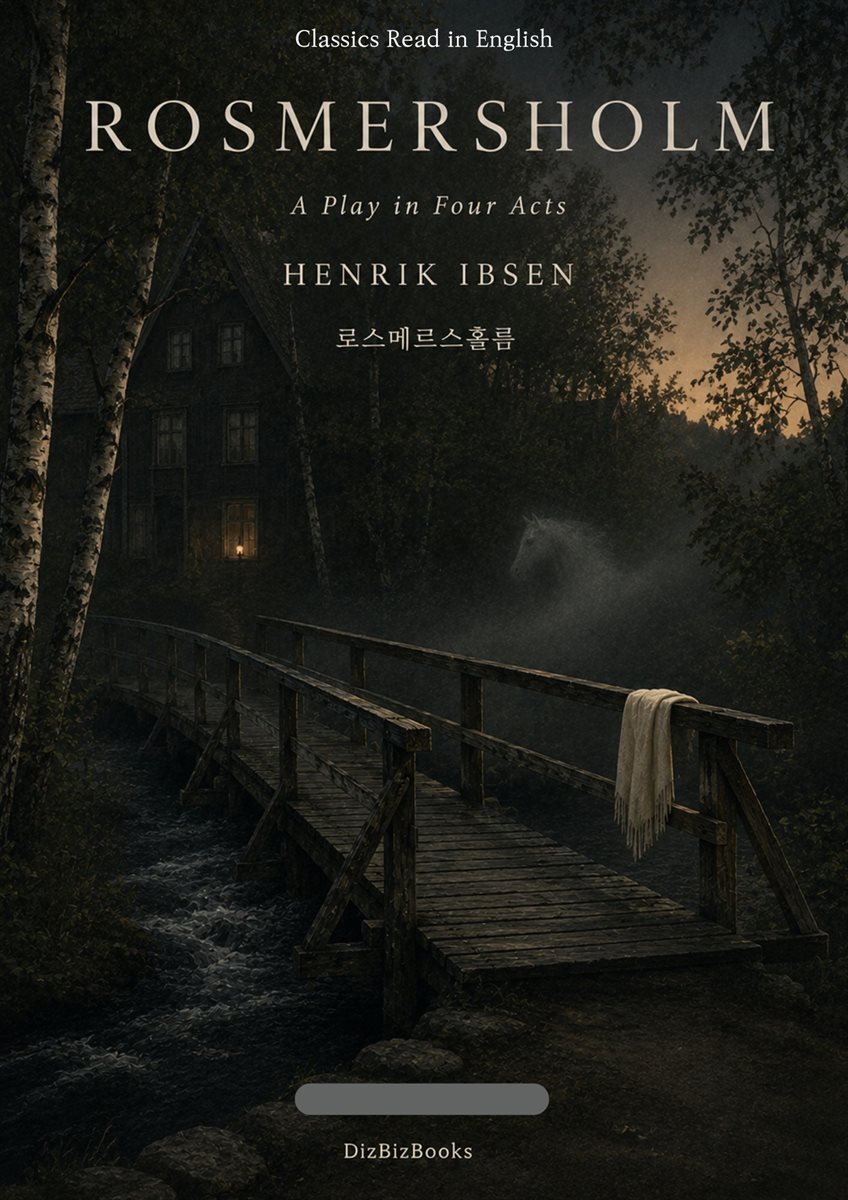
『로스메르스홀름』은 입센이 쓴 가장 조용한 살인 이야기다. 레베카 베스트는 베아타를 밀지 않았다. 그녀는 다만 몇 마디 말을 적절한 순서로 놓아두었을 뿐이다 ? 남편은 당신 없이 더 행복할 것이다, 나는 그의 아이를 가졌다. 병들고 착한 여자는 스스로 계산을 마치고 다리에서 걸어 내려갔다. 입센은 이 과정을 회상으로만 처리하는데, 무대 위에서 아무 일도 일어나지 않기 때문에 오히려 더 서늘하다.
이 작품의 심장은 그다음에 있다. 원하던 것을 모두 얻은 순간 레베카는 그것을 가질 수 없게 된다. 로스메르스홀름이 자신을 고귀하게 만들었고, 바로 그 고귀함이 욕망을 죽여버렸다고 그녀는 말한다. 이것은 입센이 도덕에 대해 내린 가장 잔인한 판결이다. 양심은 사람을 구원하지 않는다. 다만 살아갈 능력을 앗아갈 뿐이다. 로스메르는 그녀를 믿고 싶어 하지만 믿을 수 없고, 그녀는 결백을 증명하고 싶지만 방법이 없다. 두 사람이 끝내 찾아낸 유일한 증명 방식이 베아타가 이미 보여준 그 방식이라는 사실 ? 이 논리의 폐쇄성이 작품 전체를 옥죈다. 마지막에 물방앗간 도랑으로 함께 걸어가는 두 사람을 두고 프로이트는 레베카의 죄의식을 분석했고, 후대의 연출가들은 저 결말이 사랑의 완성인지 서로에 대한 처형인지를 놓고 백 년 넘게 다투었다. 하녀가 창밖을 보며 백마가 그들을 데려갔다고 말할 때, 그 백마가 유령인지 죄책감인지 입센은 끝까지 말해주지 않는다. Rosmersholm is the quietest murder Ibsen ever wrote. Rebecca West never pushed Beata. She merely set a few sentences down in the right order ? your husband would be happier without you, I am carrying his child ? and a sick, conscientious woman worked out the sum for herself and walked off the bridge. Ibsen keeps all of it in retrospect, and it is colder for the fact that nothing whatever happens on stage. The heart of the play comes after. At the moment Rebecca has everything she schemed for, she finds she can no longer take it. Rosmersholm has ennobled her, she says, and the ennobling has killed her appetite. It is the cruellest verdict Ibsen ever passed on morality: conscience does not redeem a person, it only removes their capacity to live. Rosmer wants to believe her and cannot; she wants to prove herself and has no means. That the only proof either can conceive of is the one Beata already supplied ? that closed loop is what tightens around the whole play. Freud read Rebecca's collapse as a case of guilt; directors have argued for more than a century over whether the walk to the millrace is love consummated or two people executing each other. When the housekeeper looks out and says the white horses have taken them, Ibsen never tells us whether the horses are ghosts or conscience. |