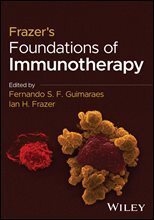

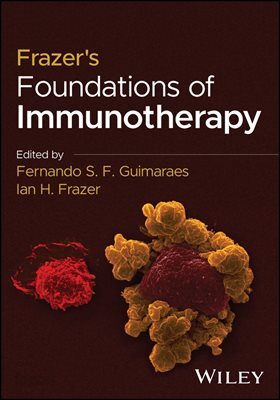
소개
목차
|
PART I: Foundations of Immunotherapy Chapter 1: History and Development of Immunotherapies - Key breakthroughs and milestones, from early immunology to contemporary immunotherapy. Chapter 2: Introduction to Immunology and Immune Modulation Chapter 3: Mechanisms of Immune Evasion and Immune Surveillance: Cellular Barriers to Immunotherapy Part II: Immunotherapy in Cancer Chapter 4: Cancer Immunotherapy: Key Concepts and Techniques Chapter 5: Immune Checkpoint Inhibitors in Cancer: Mechanisms, Clinical Use, and Challenges Chapter 6: Advancements in CAR T and CAR NK cell therapies Chapter 7: Therapeutic cancer vaccines: challenges and successes in cancer immunotherapy. Part III: Immunotherapy in Infectious Diseases Chapter 8: Immunotherapy for Viral Infections: Mechanisms, Clinical Applications, and Future Directions Chapter 9: Immunotherapy for Microbial Infections: Addressing Bacterial Resistance and Parasitic Infections with Immunotherapy Chapter 10: Vaccine Development and Immune Response Optimization Part IV: Immunotherapy in Transplantation Settings, Autoimmune and Inflammatory Diseases Chapter 11: Engineering regulatory T cells: applications for autoimmune disorders Chapter 12: Immunotherapy in Transplantation Settings. Chapter 13: Immunotherapy for the global prevention of haemolytic disease of the foetus and newborn Chapter 14: Advances in Engineered Immune Cells - Latest advancements in CRISPR, CAR-T, and other immune cell engineering techniques. Part V: Advanced Immunotherapy Techniques and Applications Chapter 15: Personalized Immunotherapy and Biomarker-Driven Approaches Chapter 16: Immunotherapy and the Microbiota: Exploring microbiota-immune interactions and their impact on immunotherapy efficacy. Chapter 17: Veterinary immunotherapy Chapter 18: Emerging Immunotherapies and Future Horizons |
저자 소개
Fernando S. F. Guimaraes is a Group Leader at The University of Queensland’s Frazer Institute, leading research on next-generation immunotherapies for hard-to-cure diseases. With over 120 publications in top-tier journals and NHMRC and MRFF funding, he earned the 2019 Cure Cancer Australia Researcher of the Year award and the 2025 Dr. Jian Zhou Foundation Award for Translational Medicine.
Ian H. Frazer is Emeritus Professor at The University of Queensland’s Frazer Institute and co-developer of the HPV vaccine Gardasil, which has greatly reduced cervical cancer rates worldwide. Named Australian of the Year in 2006 and appointed Companion of the Order of Australia in 2012, he served as founding CEO of Brisbane’s Translational Research Institute.
품목정보
- 발행일
- 2026년 08월 12일
- 지원기기
- 크레마,PC(윈도우 - 4K 모니터 미지원),아이폰,아이패드,안드로이드폰,안드로이드패드,PC(Mac)
- 파일/용량
- EPUB(DRM) | 9.88MB ?
- ISBN13
- 9781394383023
- ECN