
소득공제
EPUB
eBook
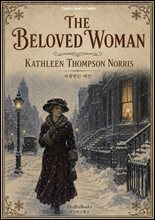
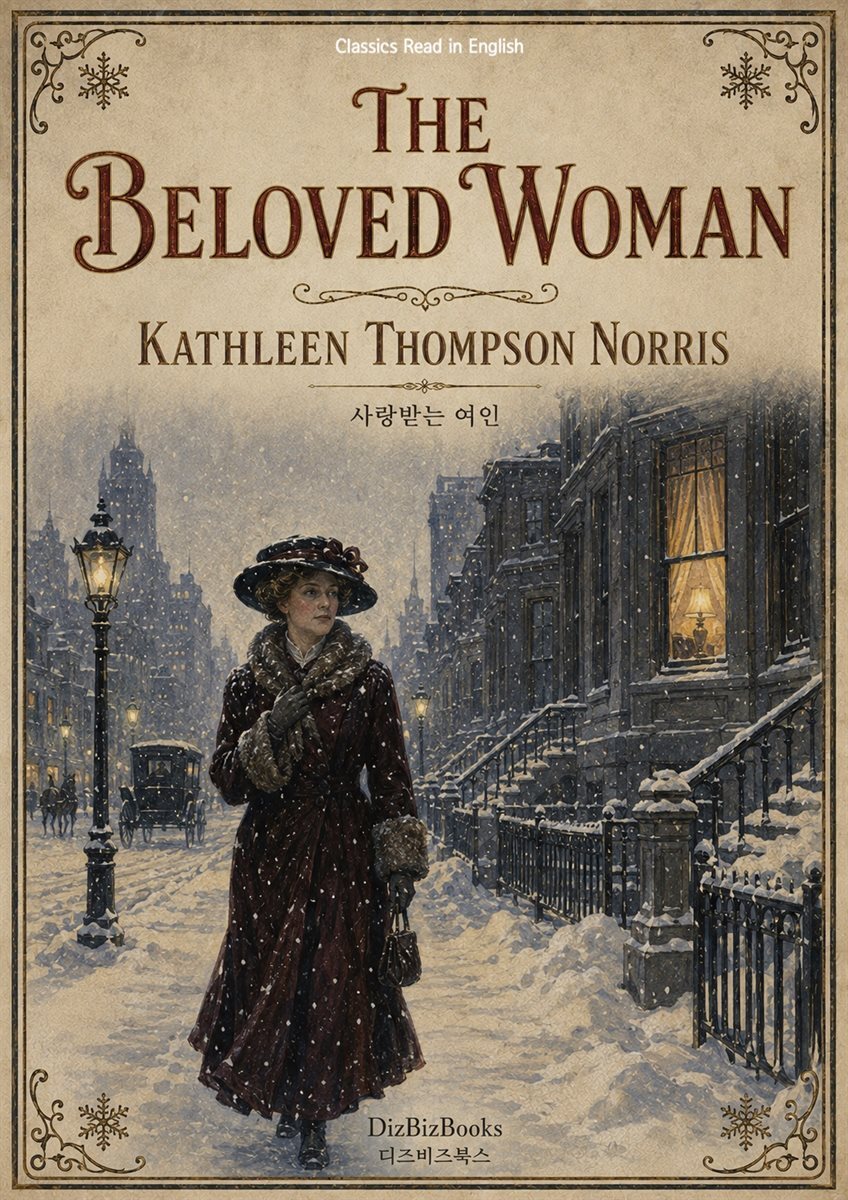
캐슬린 톰슨 노리스의 사랑받는 여인
The Beloved Woman by Kathleen Thompson Norris
EPUB
디즈비즈북스
2026.08.31.
소개
목차
|
Contents
CHAPTER I. For forty-eight hours CHAPTER II. Marion Duer and Doris Alexander CHAPTER III. At almost this same moment CHAPTER IV. Annie CHAPTER V. Norma Sheridan CHAPTER VI. To Leslie Melrose CHAPTER VII. Christopher had gone down CHAPTER VIII. Mrs. Melrose frequently came in CHAPTER IX. This was on Friday CHAPTER X. So it came about quite naturally CHAPTER XI. Norma had indeed chanced to CHAPTER XII. Eight months later CHAPTER XIII. Norma met Chris CHAPTER XIV. On the memorable night CHAPTER XV. It was long afterward CHAPTER XVI. In mid-Lent CHAPTER XVII. However, that hour had borne fruit CHAPTER XVIII. Two days later CHAPTER XIX. Wolf walked with her CHAPTER XX. More than a week later CHAPTER XXI. Suddenly and smoothly CHAPTER XXII. In the beginning CHAPTER XXIII. Regina, coming through the hallway CHAPTER XXIV. To Rose and her mother CHAPTER XXV. Before she had been married ten days CHAPTER XXVI. So the summer fled CHAPTER XXVII. The bitterness stayed with her CHAPTER XXVIII. And then suddenly she was delighted CHAPTER XXIX. Despite their resolve CHAPTER XXX. So matters went on CHAPTER XXXI. Mrs. Melrose never spoke again CHAPTER XXXII. Moving automatically through the solemn scenes CHAPTER XXXIII. The evening moved through its dark CHAPTER XXXIV. Regina roused Norma CHAPTER XXXV. Aunt Kate was out CHAPTER XXXVI. It was ten o'clock CHAPTER XXXVII. It was exactly nineteen minutes past five o'clock |
저자 소개
캐슬린 톰프슨 노리스는 20세기 전반 미국에서 가장 널리 읽힌 대중 소설가 가운데 한 사람이다. 1880년 샌프란시스코에서 태어나 유복한 어린 시절을 보냈으나, 열아홉 무렵 부모를 잇달아 여의면서 하루아침에 어린 동생들을 부양해야 하는 처지가 되었다. 이후 몇 해 동안 그녀는 회계원, 상점 점원, 교사, 신문기자 등 손에 닿는 일을 가리지 않고 하며 생계를 꾸렸고, 이때 몸으로 겪은 노동과 궁핍의 감각은 훗날 그녀 소설의 밑바탕이 되었다.
1909년 작가 찰스 길먼 노리스와 결혼해 뉴욕으로 옮겨간 뒤, 1911년 첫 장편 『Mother』를 발표하며 단숨에 이름을 알렸다. 이 작품은 평단과 대중 양쪽의 호응을 얻었고, 그녀는 곧 미국에서 가장 높은 원고료를 받는 작가 대열에 올랐다. 이후 반세기 가까이 그녀는 여든 편이 넘는 소설과 수많은 단편을 써냈다.
노리스의 소설은 대체로 평범한 여성들의 삶을 다룬다. 일과 사랑 사이에서 흔들리는 젊은 여자, 가난에서 벗어나려 애쓰는 딸, 결혼 생활의 환멸을 견디는 아내들이 그녀의 주인공이다. 감상적이고 낙관적인 결말로 흐른다는 비판을 받기도 했지만, 여성의 경제적 자립과 가정 안의 불평등을 정면으로 다룬 점에서 당대 독자들, 특히 여성 독자들의 깊은 공감을 얻었다. 만년에는 캘리포니아로 돌아가 반전 운동과 사형제 폐지 운동에 목소리를 냈으며, 1966년 샌프란시스코에서 세상을 떠났다.
Kathleen Thompson Norris was among the most widely read popular novelists in America during the first half of the twentieth century. Born in San Francisco in 1880, she grew up in comfortable circumstances until, at nineteen, she lost both parents within a matter of weeks and found herself responsible for her younger siblings. For several years afterward she took whatever work she could find ? bookkeeper, shop clerk, teacher, newspaper reporter ? and the experience of labor and near-poverty would later supply the ground beneath much of her fiction.
In 1909 she married the writer Charles Gilman Norris and moved to New York. Her first novel, Mother, appeared in 1911 and brought her immediate recognition from critics and general readers alike; before long she was one of the best-paid writers in the country. Over the next half-century she produced more than eighty novels along with a great many short stories.
Her books are, for the most part, about ordinary women: the young woman caught between work and love, the daughter trying to climb out of poverty, the wife enduring the disillusionments of marriage. She was faulted at times for sentimentality and for endings that came too easily, but her willingness to treat women's economic independence and the inequalities of domestic life as serious subjects won her a devoted readership, particularly among women. In her later years she returned to California and spoke publicly against war and capital punishment. She died in San Francisco in 1966.
1909년 작가 찰스 길먼 노리스와 결혼해 뉴욕으로 옮겨간 뒤, 1911년 첫 장편 『Mother』를 발표하며 단숨에 이름을 알렸다. 이 작품은 평단과 대중 양쪽의 호응을 얻었고, 그녀는 곧 미국에서 가장 높은 원고료를 받는 작가 대열에 올랐다. 이후 반세기 가까이 그녀는 여든 편이 넘는 소설과 수많은 단편을 써냈다.
노리스의 소설은 대체로 평범한 여성들의 삶을 다룬다. 일과 사랑 사이에서 흔들리는 젊은 여자, 가난에서 벗어나려 애쓰는 딸, 결혼 생활의 환멸을 견디는 아내들이 그녀의 주인공이다. 감상적이고 낙관적인 결말로 흐른다는 비판을 받기도 했지만, 여성의 경제적 자립과 가정 안의 불평등을 정면으로 다룬 점에서 당대 독자들, 특히 여성 독자들의 깊은 공감을 얻었다. 만년에는 캘리포니아로 돌아가 반전 운동과 사형제 폐지 운동에 목소리를 냈으며, 1966년 샌프란시스코에서 세상을 떠났다.
Kathleen Thompson Norris was among the most widely read popular novelists in America during the first half of the twentieth century. Born in San Francisco in 1880, she grew up in comfortable circumstances until, at nineteen, she lost both parents within a matter of weeks and found herself responsible for her younger siblings. For several years afterward she took whatever work she could find ? bookkeeper, shop clerk, teacher, newspaper reporter ? and the experience of labor and near-poverty would later supply the ground beneath much of her fiction.
In 1909 she married the writer Charles Gilman Norris and moved to New York. Her first novel, Mother, appeared in 1911 and brought her immediate recognition from critics and general readers alike; before long she was one of the best-paid writers in the country. Over the next half-century she produced more than eighty novels along with a great many short stories.
Her books are, for the most part, about ordinary women: the young woman caught between work and love, the daughter trying to climb out of poverty, the wife enduring the disillusionments of marriage. She was faulted at times for sentimentality and for endings that came too easily, but her willingness to treat women's economic independence and the inequalities of domestic life as serious subjects won her a devoted readership, particularly among women. In her later years she returned to California and spoke publicly against war and capital punishment. She died in San Francisco in 1966.
품목정보
- 발행일
- 2026년 08월 31일
- 지원기기
- 크레마,PC(윈도우 - 4K 모니터 미지원),아이폰,아이패드,안드로이드폰,안드로이드패드,전자책단말기(저사양 기기 사용 불가),PC(Mac)
- 파일/용량
- EPUB(DRM) | 28.17MB ?
- 글자 수/ 페이지 수
- 약 44.8만자, 약 9.6만 단어, A4 약 281쪽 ?
- ISBN13
- 9791176152723
출판사 리뷰
|
제목이 가리키는 "사랑받는 여인"이 누구인지, 소설은 끝까지 조금씩 답을 바꾼다. 그것이 이 책의 방식이다.
폭설로 시작하는 도입부가 좋다. 뉴욕이 눈 아래 잠기고 사람들은 각자의 집에, 각자의 계급 안에 갇힌다. 노리스는 이 갇힘을 배경으로만 쓰지 않는다. 멜로즈 부인이 병상에 누운 딸을 보러 나서는 짧은 이동만으로도, 이 집안 사람들이 서로에게 얼마나 멀리 있는지가 드러난다. 바깥의 소란과 앨리스의 방을 채운 정적, 그 대비가 소설 초반을 지탱한다. 노리스가 가장 예리해지는 지점은 돈과 애정이 구별되지 않는 집안의 풍경을 그릴 때다. 이 가족에게 사랑은 언제나 상속과 체면과 뒤섞여 있고, 누구도 그 셋을 분리해서 말하지 못한다. 다만 후반부에서 갈등이 지나치게 순하게 풀리고, 몇몇 인물은 주제를 대변하는 자리에 머문다. 그럼에도 이 소설이 남기는 질문은 묵직하다. 사랑받는다는 것과 필요한 존재가 된다는 것은 과연 같은 일인가. The novel keeps quietly revising its answer to the question of who the beloved woman actually is. That is the method of the book. The snowstorm that opens it is finely handled. New York goes silent under the fall, and everyone is shut in ? inside their houses, inside their class. Norris does not use the weather merely as scenery. Mrs. Melrose's short journey to her invalid daughter is enough to show how far apart these people have drifted from one another, and the contrast between the noise of the street and the stillness of Alice's room carries the early chapters. Norris is sharpest where money and affection have grown indistinguishable. In this family, love always arrives mixed with inheritance and appearances, and no one can speak of one without the others. The later sections resolve their conflicts too gently, and one or two characters remain positions rather than people. Still, the question the book leaves behind has weight: whether being loved and being needed are, in a household like this one, the same thing at all. |