
직수입외서는 변심/착오로 인해 주문을 취소할 경우 해외주문 취소수수료 20%가 부과됩니다.?
이미 소장하고 있다면 판매해 보세요.
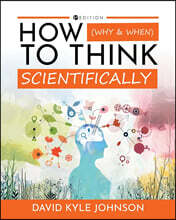
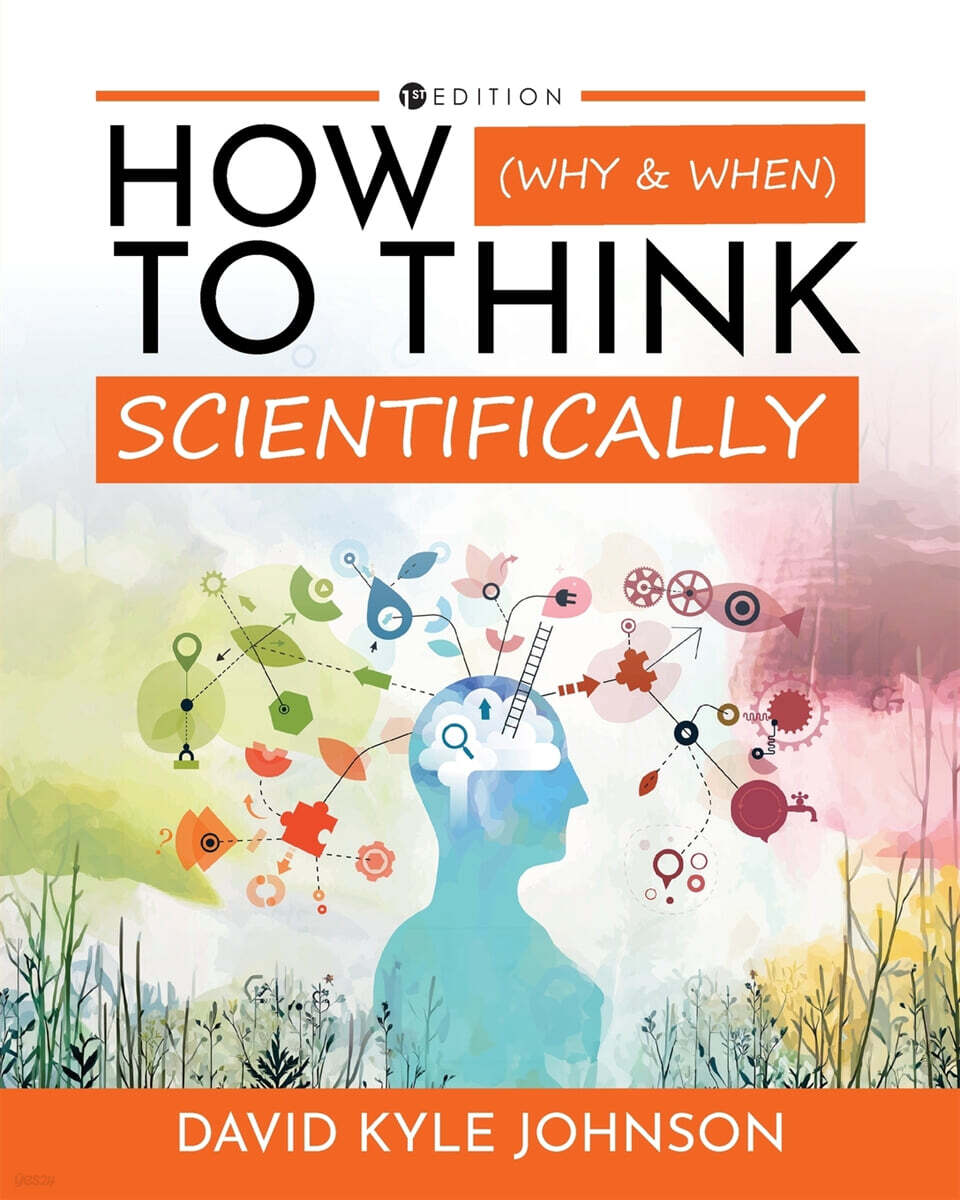
How (Why & When) to Think Scientifically examines the processes and utility of scientific thinking for a college audience. The text details what scientific reasoning is, why it is necessary, and when it should be applied, thus granting readers the tools to recognize pseudoscience and assess claims encountered in academic and everyday contexts.
The book is organized into three parts: reasons for adopting scientific thinking, methods for practicing it, and occasions for its use. Using numerous real-world examples, the text addresses misunderstandings of the scientific method, fallacies and cognitive biases, the limits of memory and perception, ways to acquire knowledge, the distinction between correlation and causation, randomized controlled trials, how to evaluate scientific research, methods for identifying misinformation, the criteria of scientific adequacy, and how to think scientifically even when experimentation is impossible. The text concludes by articulating how to find the best explanation, how widely applicable scientific reasoning is, how to easily spot pseudoscience, and asking whether science can save the world. Chapters include links to digital supplements like study aids, group exercises, and detailed online chapters that apply the book's method to important topics like climate change.
How (Why & When) to Think Scientifically is designed for undergraduate courses in scientific reasoning, general education, philosophy of science, and critical thinking, and can serve any program with a focus on evidence-based reasoning.
첫번째 리뷰어가 되어주세요.
첫번째 한줄평을 남겨주세요.
클린봇으로 착한 글만 확인해보세요!
클린봇이 부적절한 글을 감지 중입니다.
첫번째 별점을 남겨주세요.
첫번째 밑줄을 남겨주세요.