
직수입외서는 변심/착오로 인해 주문을 취소할 경우 해외주문 취소수수료 20%가 부과됩니다.?
이미 소장하고 있다면 판매해 보세요.
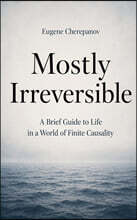
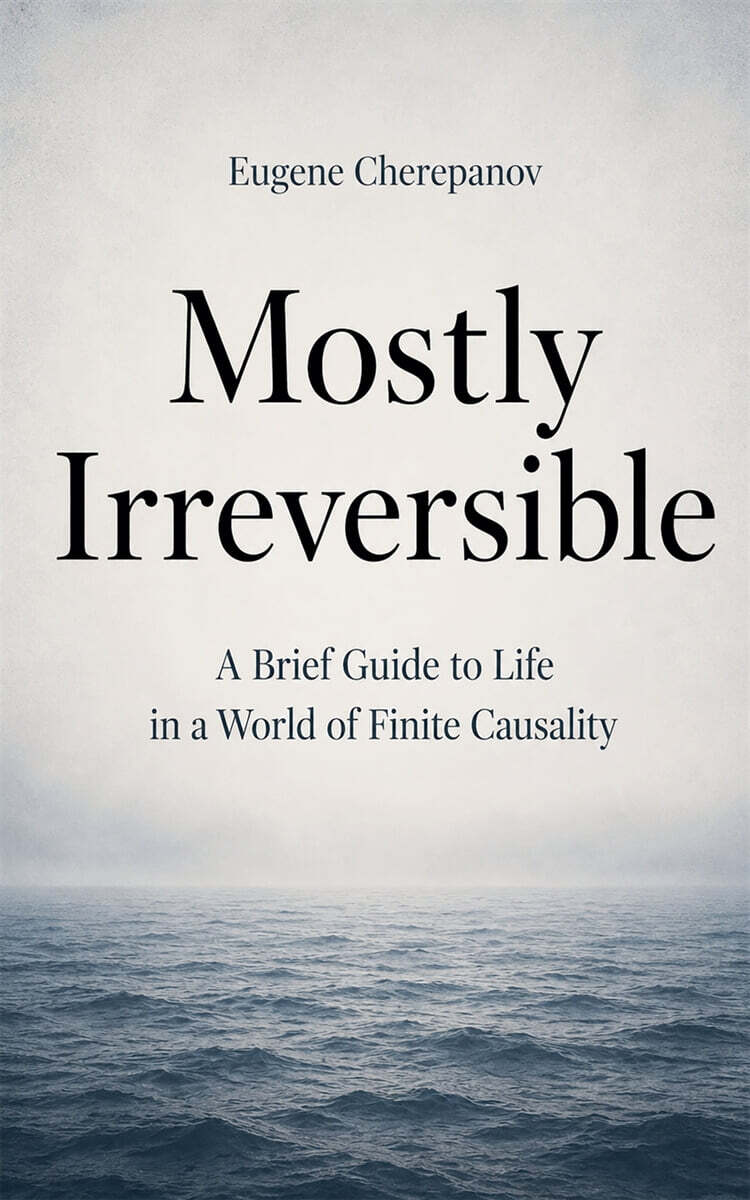
Every decision closes something. The moment you act, some of the futures that were open stop being possible, and what closes stays closed. Most of us live inside this arrangement without ever naming it.
Eugene Cherepanov argues that much of ordinary distress has its root in that structure rather than in personal weakness. The fear of choosing wrong, decisions that drag on for months, guilt over outcomes no one controlled, the steady sense of not being enough: all of it grows out of how the world is built. The world cannot weigh everything at once, and consequences tend to arrive long after the moment that caused them. Error becomes the ordinary cost of moving at all, and a life without mistakes would need a world that does not exist.
From this groundwork the book turns practical. It offers four working rules: keep your future moves open, take risks you can survive, settle decisions at the right time, and move in small irreversible steps that change your direction without breaking what carries you. Each rule comes from medicine, clinical research, and project management, fields where mistakes are costly and nothing can be undone. Later chapters take up identity built on a past you cannot edit, and how to face endings without dramatizing them or turning away.
The book will not hand you an optimized life or a method for deciding correctly every time. It gives an honest account of the limits you actually work under, and a few moves that hold up inside them.
첫번째 리뷰어가 되어주세요.
첫번째 한줄평을 남겨주세요.
클린봇으로 착한 글만 확인해보세요!
클린봇이 부적절한 글을 감지 중입니다.
첫번째 별점을 남겨주세요.
첫번째 밑줄을 남겨주세요.
