
직수입외서는 변심/착오로 인해 주문을 취소할 경우 해외주문 취소수수료 20%가 부과됩니다.?
이미 소장하고 있다면 판매해 보세요.
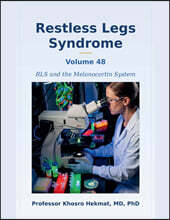
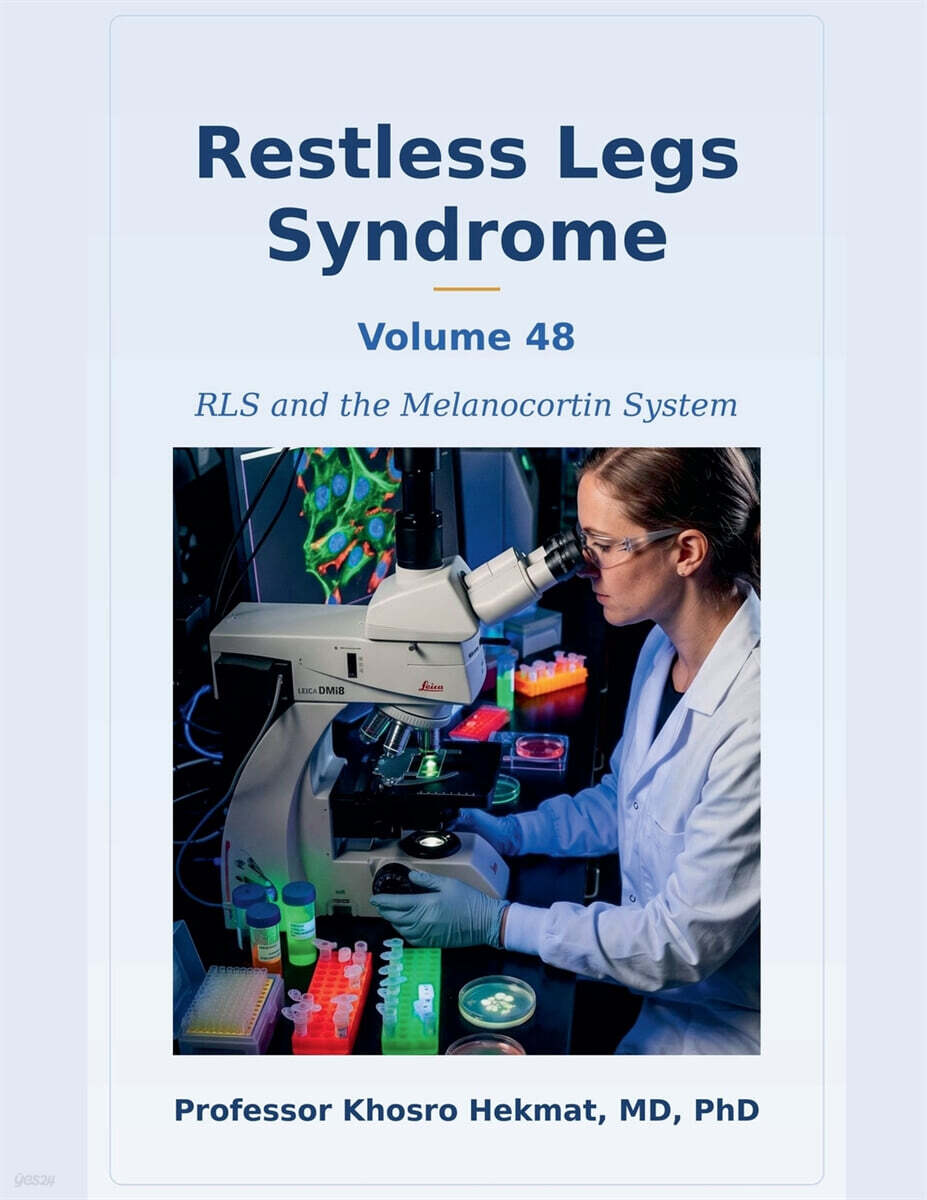
One protein, two systems.
A single precursor protein gives rise both to the body's own opioid beta-endorphin and to the melanocortin hormones. In the thalamus of deceased patients the endorphin cells were reduced by 37.5 out of 100, and in the cerebrospinal fluid of living patients with painful symptoms beta-endorphin stood at 8.0 against 12.3 picograms per millilitre.
For the first time that explains why opioids of all things work so well in this illness. It does not explain what follows from it for treatment, because the whole field rests on some sixty studied people. This volume says both, and it says them in that order.
It follows the bridges to everything that already matters in RLS: iron, the body clock, cortisol and stress, inflammation, weight and night-time eating, skin and latitude, sexual function and restless genitalia.
WHAT IS IN THE BOOK
- POMC as the shared precursor of endorphin and MSH
- The five receptors: pigment, adrenal gland, appetite, stress, glands
- The brain after death, and the measurements in living people
- The mice without opioid receptors and their anaemia
- What is weak about these findings
- The arc from the opioids to the ferritin value
- Inflammation, weight, appetite and night-time eating
- Opioids as the only treatment that acts on this system
WHO THIS BOOK IS FOR
For patients on opioids or considering them, for everyone who wants to understand why these drugs work so well here, and for health professionals who want an orderly account of a young field of research.
ABOUT THE SERIES
Volume 48 of 52 in the book series on restless legs syndrome, part "Device-Based Treatments and Research". Every volume can be read on its own. The statements in this volume rest on 184 professional sources, each one listed individually in the reference section.
첫번째 리뷰어가 되어주세요.
첫번째 한줄평을 남겨주세요.
클린봇으로 착한 글만 확인해보세요!
클린봇이 부적절한 글을 감지 중입니다.
첫번째 별점을 남겨주세요.
첫번째 밑줄을 남겨주세요.