
직수입외서는 변심/착오로 인해 주문을 취소할 경우 해외주문 취소수수료 20%가 부과됩니다.?
이미 소장하고 있다면 판매해 보세요.
What lies beyond the boundaries of the present-and what might humanity become in the distant future?
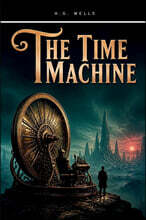
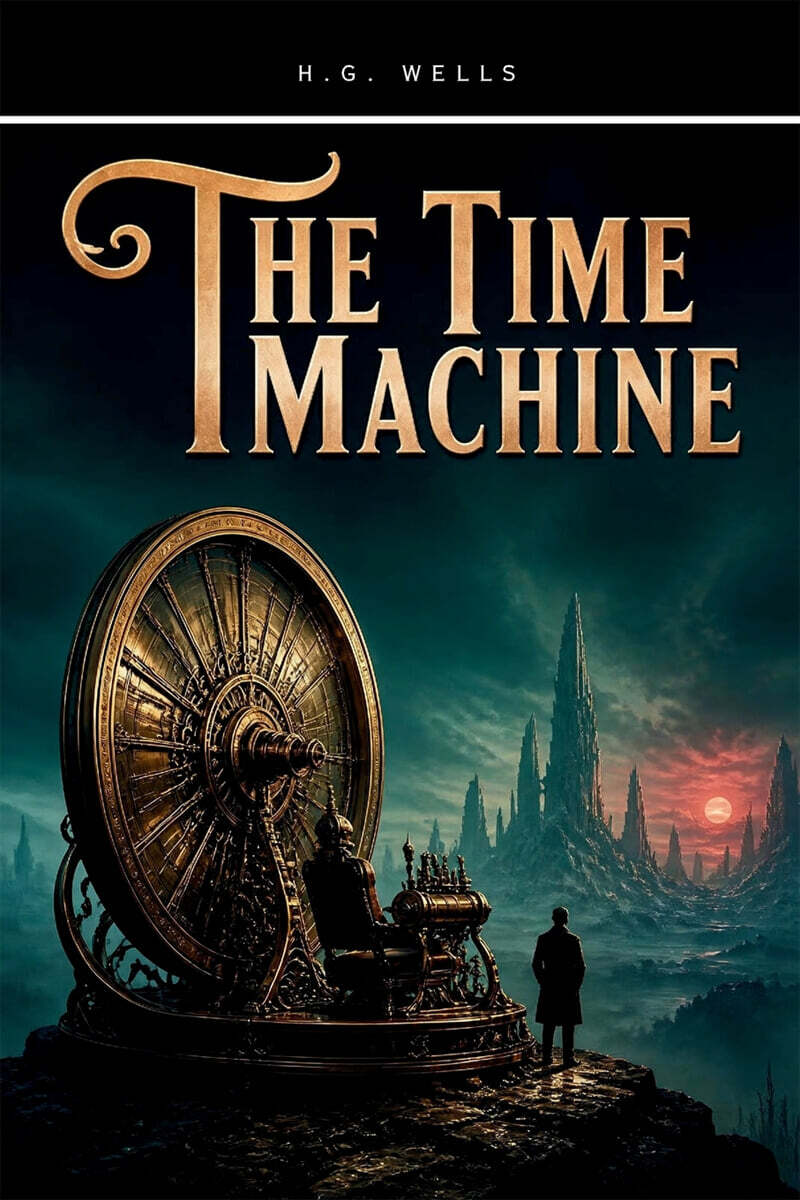
H. G. Wells's The Time Machine is one of the foundational works of science fiction, a visionary adventure that transformed the idea of time travel into one of literature's most enduring concepts. Combining scientific imagination, suspense, social criticism, and philosophical speculation, Wells created a classic that continues to influence stories of journeys through time and visions of humanity's future.
At the center of the novel is an ingenious inventor known simply as the Time Traveller. Convinced that time is a dimension through which a person might travel just as surely as through space, he constructs an extraordinary machine and sets out on an experiment beyond anything his companions can imagine. His journey carries him far beyond the familiar world of Victorian England and into a distant age where civilization has changed beyond recognition.
There he encounters the Eloi, a gentle and seemingly carefree people living among beautiful gardens and the remnants of a civilization they no longer appear capable of creating. Their peaceful existence initially suggests a future in which humanity has overcome hardship, conflict, and labor. But beneath this tranquil world lies another reality. As the Time Traveller explores his strange surroundings, he begins to discover unsettling clues about the forces that have shaped human evolution and the hidden cost of apparent perfection.
More than an extraordinary time travel adventure, The Time Machine is a provocative exploration of civilization, social class, technological progress, evolution, and human destiny. Drawing upon the scientific debates and profound social inequalities of the nineteenth century, Wells imagines what might happen if divisions between different classes were allowed to develop across enormous stretches of time. The result is a powerful work of speculative fiction that questions the comforting assumption that progress must always lead humanity toward something better.
Wells combines these ambitious ideas with the pace and tension of an adventure story. Strange landscapes, mysterious inhabitants, unexplored structures, danger, discovery, and the immense mystery of the future give the novel an atmosphere that remains compelling for modern readers. At the same time, the Time Traveller's attempts to understand what he witnesses turn his journey into an intellectual investigation of humanity itself.
First published in 1895, The Time Machine helped define what would become modern science fiction. Wells's concept of a mechanical device designed specifically for travel through time became enormously influential, inspiring generations of writers, filmmakers, and storytellers. Yet the novel's lasting appeal reaches far beyond its importance to the genre. Its questions about inequality, technology, social change, and the consequences of human choices remain remarkably relevant.
Compact, imaginative, and filled with unforgettable ideas, this classic of Victorian science fiction invites readers to look beyond the present and consider the uncertain possibilities of the centuries ahead. It is at once a scientific romance, a gripping adventure, a work of social commentary, and a haunting meditation on the rise and decline of civilizations.
Perfect for readers of classic science fiction, time travel fiction, speculative fiction, dystopian literature, Victorian classics, and philosophical adventure, The Time Machine remains one of H. G. Wells's most celebrated works-a groundbreaking journey into the distant future and an enduring exploration of evolution, civilization, and the fate of humanity.
첫번째 리뷰어가 되어주세요.
첫번째 한줄평을 남겨주세요.
클린봇으로 착한 글만 확인해보세요!
클린봇이 부적절한 글을 감지 중입니다.
첫번째 별점을 남겨주세요.
첫번째 밑줄을 남겨주세요.