
소득공제
PDF
eBook
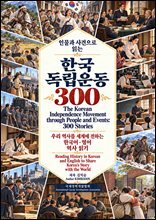
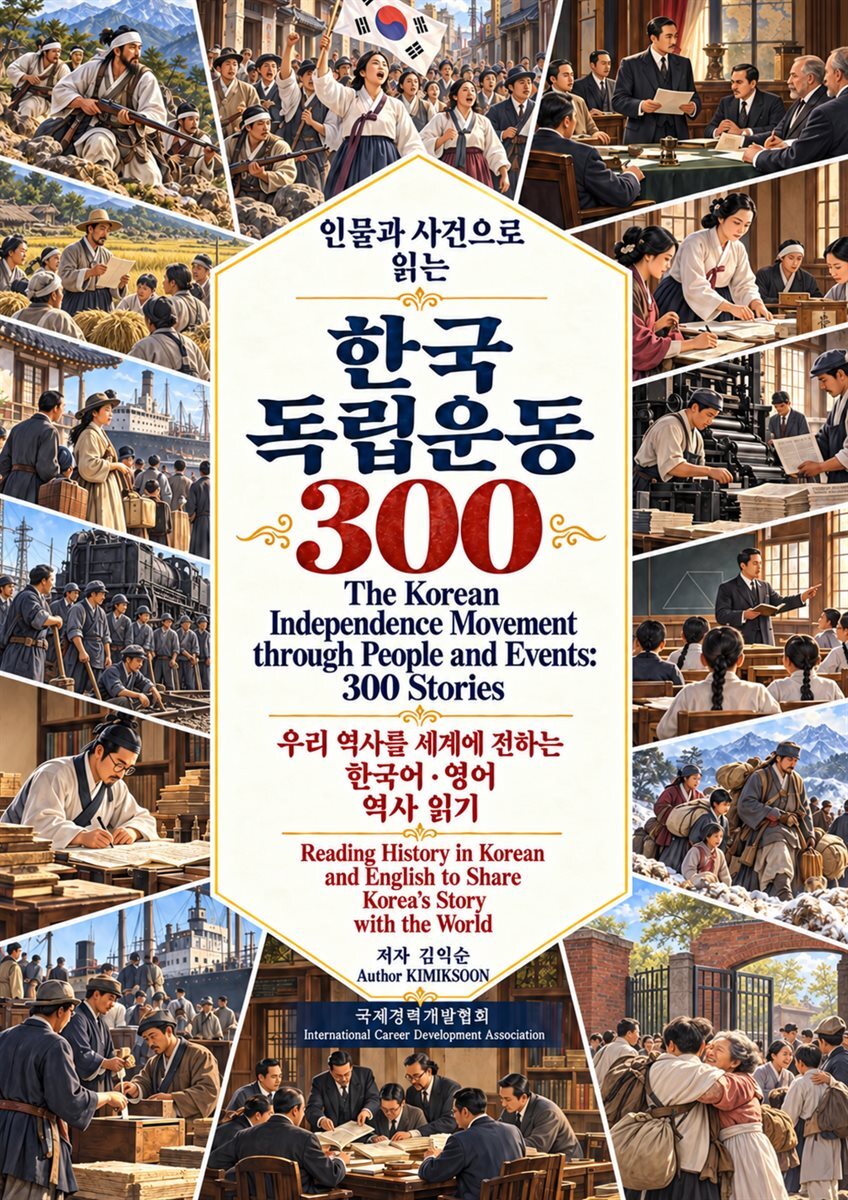
인물과 사건으로 읽는 한국 독립운동 300 _The Korean Independence Movement through People and Events: 300 Stories
우리 역사를 세계에 전하는 한국어·영어 역사 읽기_Reading History in Korean and English to Share Korea’s Story with the Wo
스마트한 PDF 필기 기능을 사용해 보세요!
- PDF 안내
-
이 상품은 구매 후 지원 기기에서 예스24 eBook앱 설치 후 바로 이용 가능한 상품입니다.
소개
목차
|
서문 | Preface
제1부 국권의 위기와 의병의 저항 | Part 1. Threats to Sovereignty and the Resistance of Righteous Armies 제1장 나라의 권한이 빼앗기는 과정을 읽다 | Chapter 1. Understanding the Loss of National Authority 001. 동학농민군의 재봉기와 우금치 ? 개혁 요구와 일본군에 대한 저항이 만나다 | The Renewed Donghak Uprising and Ugeumchi ? Reform Demands Meet Resistance to Japanese Forces 002. 을미사변 ? 명성황후 시해가 국권 위기의식을 키우다 | The Assassination of Queen Min ? A Royal Murder Deepens the Sense of National Crisis 003. 을사늑약 ? 외교권을 강제로 빼앗긴 나라 | The Coerced Eulsa Treaty ? A Country Deprived of Its Diplomatic Authority 004. 민영환의 죽음과 유서 ? 국권 침탈에 항의한 사람의 마지막 글 | Min Yeong-hwan’s Death and Final Letter ? A Written Protest against the Loss of Sovereignty 005. 을사오적 ? 조약 체결에 협력한 다섯 대신의 책임을 묻다 | The Five Eulsa Collaborators ? Examining the Responsibility of Ministers Who Supported the Treaty 006. 헤이그 특사 ? 이준·이상설·이위종이 국제사회에 한국의 입장을 알리려 하다 | The Hague Envoys ? Yi Jun, Yi Sang-seol, and Yi Wi-jong Seek an International Hearing 007. 고종의 강제 퇴위 ? 외교적 저항 뒤에 황제를 물러나게 하다 | Gojong’s Forced Abdication ? Removing an Emperor after Diplomatic Resistance 008. 군대 해산과 박승환 ? 대한제국 군인들이 무기를 내려놓으라는 명령을 받다 | Army Disbandment and Bak Seung-hwan ? Korean Soldiers Are Ordered to Lay Down Their Arms 009. 간도협약 ? 한국을 배제한 채 국경과 이권을 협상하다 | The Gando Convention ? Negotiating Borders and Interests without Korea 010. 1910년 강제병합 ? 대한제국의 통치권을 빼앗다 | The Forced Annexation of 1910 ? Depriving the Korean Empire of Its Sovereignty 제2장 의병이 된 사람들과 전쟁의 대가 | Chapter 2. People Who Joined Righteous Armies and the Costs of War 011. 유인석과 이소응 ? 을미의병에 나선 유생들의 선택 | Yu In-seok and Yi So-eung ? Confucian Scholars Join the Eulmi Righteous Armies 012. 최익현과 임병찬 ? 의병 봉기에서 대마도 유배까지 | Choe Ik-hyeon and Im Byeong-chan ? From Armed Resistance to Exile on Tsushima 013. 신돌석 ? 평민 출신 의병장이 군사를 이끌다 | Sin Dol-seok ? A Righteous-Army Commander of Commoner Background 014. 민종식과 홍주성 ? 성을 차지하고 항일 거점을 마련하다 | Min Jong-sik and Hongju Fortress ? Establishing a Base for Resistance 015. 민긍호 ? 해산된 군인의 경험을 의병투쟁에 잇다 | Min Geung-ho ? Bringing Military Experience into Righteous-Army Resistance 016. 이강년 ? 산간 지역을 오가며 의병을 지휘하다 | Yi Gang-nyeon ? Leading Righteous Armies across Mountainous Regions 017. 이인영·허위와 서울 진공 작전 ? 흩어진 의병이 연합을 시도하다 | Yi In-yeong, Heo Wi, and the Advance on Seoul ? Separate Armies Attempt a Joint Campaign 018. 안규홍 ? 보성의 평민들이 항일 무장투쟁에 나서다 | An Gyu-hong ? Commoners in Boseong Take Up Armed Resistance 019. 전해산과 심남일 ? 호남에서 의병의 명맥을 이어 가다 | Jeon Hae-san and Sim Nam-il ? Sustaining Resistance in Honam 020. 이른바 남한대토벌작전 ? 의병 진압과 주민 피해를 함께 읽다 | The So-Called Southern Suppression Campaign ? Examining Military Repression and Civilian Suffering 제2부 배우고 쓰고 모으며 나라를 지키려 하다 | Part 2. Defending the Country through Learning, Writing, and Collective Support 제3장 신문과 학교에서 시작된 변화 | Chapter 3. Change through Newspapers and Schools 021. 서재필과 독립신문 ? 나라의 일을 백성이 읽고 토론하게 하다 | Seo Jae-pil and The Independent ? Bringing Public Affairs to Readers 022. 만민공동회와 관민공동회 ? 거리의 토론이 정치 참여로 이어지다 | Public Assemblies and Joint Meetings ? Street Debate Becomes Political Participation 023. 보안회의 황무지 개간권 반대 ? 땅의 권리를 지키기 위해 모이다 | The Boanhoe Campaign ? Organizing against the Transfer of Land- Development Rights 024. 대한자강회 ? 강연과 잡지로 자강의 방법을 찾다 | Daehan Jaganghoe ? Seeking National Strength through Lectures and Publications 025. 장지연의 시일야방성대곡 ? 신문 논설로 을사늑약을 규탄하다 | Jang Ji-yeon’s Editorial ? Condemning the Eulsa Treaty in Print 026. 양기탁·베델과 대한매일신보 ? 국경을 넘은 언론 협력 | Yang Gi-tak, Ernest Bethell, and the Korea Daily News ? Cooperation across National Boundaries 027. 이도영과 대한민보 ? 시사만화로 권력과 사회를 비판하다 | Yi Do-yeong and Daehan Minbo ? Criticizing Power and Society through Cartoons 028. 이용익과 보성학교 ? 새로운 지식을 배울 학교를 세우다 | Yi Yong-ik and Boseong School ? Establishing a School for New Learning 029. 이승훈과 오산학교 ? 지역의 배움을 민족교육으로 연결하다 | Yi Seung-hun and Osan School ? Connecting Local Learning with National Education 030. 안창호와 대성학교 ? 실천할 사람을 기르는 교육 | An Chang-ho and Daeseong School ? Educating People to Put Ideas into Practice 제4장 성금과 결사, 직접 행동으로 이어진 국권 회복운동 | Chapter 4. Contributions, Associations, and Direct Action for Sovereignty 031. 이상설과 서전서숙 ? 국경 밖에서 한국인 학생을 가르치다 | Yi Sang-seol and Seojeon Seosuk ? Teaching Korean Students beyond the Border 032. 서상돈·김광제와 국채보상운동 ? 나라의 빚을 함께 갚자고 제안하다 | Seo Sang-don, Kim Gwang-je, and the National Debt Repayment Movement ? Proposing Collective Contributions 033. 남일동 패물폐지부인회 ? 여성들이 장신구를 내놓고 뜻을 모으다 | The Namil-dong Women’s Association ? Women Contribute Jewelry to a National Cause 034. 신민회 ? 교육·산업·국외 독립운동 거점을 연결한 비밀결사 | Sinminhoe ? A Secret Association Linking Education, Industry, and Overseas Bases 035. 나철과 대종교 ? 신앙과 민족의식이 독립운동의 조직으로 이어지다 | Na Cheol and Daejonggyo ? Religious Identity and National Consciousness Connect Activists 036. 안중근의 학교와 의병 활동 ? 교육에서 무장투쟁으로 길을 넓히다 | An Jung-geun’s Educational and Armed Activities ? Expanding His Methods of Resistance 037. 전명운·장인환과 스티븐스 ? 미국에서 일본의 한국 지배를 옹호한 발언에 맞서다 | Jeon Myeong-un, Jang In-hwan, and Stevens ? Confronting Pro-Japanese Colonial Advocacy in America 038. 안중근의 하얼빈 의거 ? 이토 히로부미를 겨냥한 행동과 재판 | An Jung-geun at Harbin ? The Attack on Ito Hirobumi and Its Trial 039. 동양평화론 ? 안중근이 옥중에서 구상한 독립과 평화 | On Peace in East Asia ? An Jung-geun’s Prison Vision of Independence and Peace 040. 이재명의 이완용 공격 ? 국권 침탈에 협력한 인물을 겨냥하다 | Yi Jae-myeong’s Attack on Yi Wan-yong ? Targeting a Collaborator in the Loss of Sovereignty 제3부 식민지의 감시와 국경 밖의 새로운 기반 | Part 3. Colonial Surveillance and New Foundations beyond the Border 제5장 감시 속에서 이어진 국내의 조직 | Chapter 5. Domestic Organizations under Surveillance 041. 헌병경찰과 조선태형령 ? 식민지 통치가 일상의 몸과 행동을 통제하다 | Military Police and Colonial Flogging ? Control over Bodies and Everyday Conduct 042. 105인 사건 ? 조작된 혐의와 고문 속에서 신민회가 타격을 받다 | The Case of the 105 ? Fabricated Charges and Torture Strike Sinminhoe 043. 안명근과 안악사건 ? 독립운동 자금 모금이 대규모 검거로 이어지다 | An Myeong-geun and the Anak Case ? Fundraising Leads to Mass Arrests 044. 임병찬의 독립의군부 ? 국권 회복 뒤 어떤 나라를 세우려 했을까 | Im Byeong-chan’s Dongnip Uigunbu ? What Kind of State Did Its Members Seek to Restore? 045. 박상진과 대한광복회 ? 군자금과 무장투쟁을 준비한 조직 | Bak Sang-jin and Daehan Gwangbokhoe ? Organizing Funds and Armed Resistance 046. 조선국권회복단 ? 친목과 상업의 연결망 속에서 독립을 준비하다 | Joseon Sovereignty Restoration Association ? Preparing through Social and Commercial Networks 047. 송죽회 ? 교사와 여학생들이 비밀리에 뜻을 모으다 | Songjukhoe ? Teachers and Female Students Organize in Secret 048. 장일환과 조선국민회 ? 평양에서 국내외 연락망을 넓히다 | Jang Il-hwan and Joseon Gungminhoe ? Expanding Contacts from Pyeongyang 049. 채응언의 의병 활동 ? 병합 뒤에도 무장 저항이 계속되다 | Chae Eung-eon’s Resistance ? Armed Struggle Continues after Annexation 050. 안희제와 대동청년단 ? 지역의 인맥을 국권 회복의 조직으로 잇다 | An Hui-je and Daedong Youth Association ? Turning Local Connections into an Independence Network 제6장 망명지에 학교와 조직을 세우다 | Chapter 6. Establishing Schools and Organizations in Exile 051. 이회영 형제의 망명 ? 재산과 생활 기반을 독립운동에 내놓다 | The Yi Hoe-yeong Brothers Go into Exile ? Committing Property and Livelihoods to Independence 052. 신흥강습소에서 신흥무관학교로 ? 배우는 곳을 독립군의 기반으로 키우다 | From Sinheung Training Institute to Military School ? Building a Base for Independence Fighters 053. 경학사와 부민단 ? 이주민의 농사와 자치를 함께 꾸리다 | Gyeonghaksa and Bumindan ? Organizing Farming and Self-Government among Migrants 054. 김약연과 명동학교 ? 북간도 마을의 교육이 독립운동으로 이어지다 | Kim Yak-yeon and Myeongdong School ? Village Education Connects with Independence 055. 이동휘와 한인사회당 ? 사회주의와 민족해방을 함께 추구하다 | Yi Dong-hwi and the Korean Socialist Party ? Pursuing Socialism and National Liberation 056. 최재형 ? 연해주 동포의 생활과 독립운동을 함께 지원하다 | Choe Jae-hyeong ? Supporting Both Korean Livelihoods and Independence in the Russian Far East 057. 권업회와 권업신문 ? 일자리·교육·독립운동을 연결하다 | Gwon-eophoe and Its Newspaper ? Connecting Work, Education, and Independence 058. 대한광복군정부 ? 연해주에서 독립전쟁과 망명정부를 구상하다 | The Daehan Liberation Army Government ? Planning Armed Independence and Government in Exile 059. 신한혁명당 ? 중국과의 협력을 모색한 망명 정치조직 | Sinhan Revolutionary Party ? An Exile Organization Seeking Cooperation with China 060. 대동단결선언 ? 나라의 주인이 누구인지 다시 묻다 | The Declaration of Great Unity ? Reconsidering Who Holds Sovereignty 제4부 1919년 ? 독립을 선언하고 거리로 나선 사람들 | Part 4. 1919 ? Declaring Independence and Taking to the Streets 제7장 독립선언을 준비한 국내외의 움직임 | Chapter 7. Domestic and Overseas Preparations for Independence Declarations 061. 신한청년당 ? 상하이의 청년들이 국제정세에 대응하다 | Sinhan Youth Party ? Young Koreans in Shanghai Respond to World Events 062. 김규식의 파리행 ? 강화회의에서 한국의 독립을 알리려 하다 | Kim Gyu-sik Goes to Paris ? Seeking to Present Korea’s Case at the Peace Conference 063. 대한독립선언서 ? 무오독립선언서라는 이름과 발표 시기의 논쟁을 구분하다 | The Korean Declaration of Independence ? Distinguishing Its Muo Name from Debates over Its Date 064. 도쿄의 2·8독립선언 ? 유학생들이 일본의 수도에서 독립을 요구하다 | The February Eighth Declaration in Tokyo ? Students Demand Independence in Japan’s Capital 065. 고종의 국장과 독살설 ? 죽음의 기록과 당시의 소문을 나누어 읽다 | Gojong’s Funeral and Poisoning Rumors ? Separating Records from Contemporary Rumors 066. 천도교·기독교·불교의 협력 ? 다른 믿음을 가진 사람들이 선언을 준비하다 | Cooperation among Cheondogyo, Christian, and Buddhist Groups ? Preparing a Shared Declaration 067. 최남선의 독립선언서 초안 ? 독립의 요구를 문장으로 만들다 | Choe Nam-seon’s Draft Declaration ? Putting the Demand for Independence into Words 068. 이종일과 보성사 ? 선언서를 인쇄하고 전국으로 보내다 | Yi Jong-il and Boseongsa ? Printing and Distributing the Declaration 069. 태화관과 탑골공원 ? 선언의 자리와 거리의 만세를 구분해 읽다 | Taehwagwan and Tapgol Park ? Distinguishing the Declaration Meeting from the Street Demonstration 070. 기미독립선언서와 공약삼장 ? 독립·평화·행동의 원칙을 함께 말하다 | The March First Declaration and Its Three Pledges ? Independence, Peace, and Principles for Action 제8장 만세운동이 전국과 국경 밖으로 퍼지다 | Chapter 8. Demonstrations Spread across Korea and beyond Its Borders 071. 평양의 만세운동 ? 학교와 종교 조직이 시위의 연결망이 되다 | Demonstrations in Pyeongyang ? Schools and Religious Organizations Form Networks 072. 서울의 3·5 학생시위 ? 학생들이 다시 거리의 중심에 서다 | Seoul’s March Fifth Student Demonstration ? Students Return to the Streets 073. 화성의 송산·우정·장안 시위 ? 마을과 면을 잇는 주민들의 행동 | Demonstrations in Songsan, Ujeong, and Jangan ? Residents Connect Villages and Townships 074. 유관순과 아우내 장터 ? 학생과 주민이 함께 만세를 외치다 | Yu Gwan-sun and Aunae Market ? Students and Residents Demonstrate Together 075. 부산 일신여학교 ? 여학생들이 태극기를 들고 거리에 나서다 | Busan’s Ilsin Girls’ School ? Female Students Take to the Streets with Korean Flags 076. 대구의 3·8 만세운동 ? 시장과 학교에서 모인 사람들 | Daegu’s March Eighth Demonstration ? People Gather from Markets and Schools 077. 마산 삼진연합의거 ? 세 지역 주민이 공동 시위에 나서다 | The Samjin Joint Demonstration near Masan ? Residents of Three Areas Act Together 078. 북간도 3·13 만세운동 ? 룽징에 모인 한인들이 독립을 요구하다 | The March Thirteenth Demonstration in Northern Gando ? Koreans Gather in Longjing 079. 제주 조천 만세운동 ? 섬에서도 독립의 요구가 이어지다 | The Jocheon Demonstrations on Jeju ? The Demand for Independence Reaches the Island 080. 제암리·고주리 학살 ? 시위 진압 뒤에 남은 주민들의 희생 | The Jeam-ri and Goju-ri Massacres ? Civilian Lives Lost in Repression 제5부 대한민국임시정부 ? 망명지에서 나라를 운영하다 | Part 5. The Provisional Government ? Governing a Nation in Exile 제9장 공화국의 이름과 정부의 틀을 만들다 | Chapter 9. Establishing the Name and Institutions of a Republic 081. 1919년 4월 11일과 대한민국임시헌장 ? 민주공화제의 원칙을 적다 | April 11, 1919, and the Provisional Charter ? Setting Out Democratic Republican Principles 082. 임시의정원 ? 대표들이 모여 정부의 일을 토론하다 | The Provisional Assembly ? Representatives Debate Government Affairs 083. 대한국민의회 ? 연해주 한인사회가 정부 수립에 나서다 | The Korean National Council ? Koreans in the Russian Far East Seek a Government 084. 한성정부 ? 국내에서 대표성과 정부 수립을 주장하다 | The Hanseong Government ? Claiming Representation and Government within Korea 085. 1919년 9월의 통합 ? 여러 임시정부를 하나로 모으려 하다 | Integration in September 1919 ? Bringing Provisional Governments Together 086. 이동휘와 국무원 ? 망명정부의 정책과 독립운동 노선을 논하다 | Yi Dong-hwi and the Cabinet ? Debating Policy and the Direction of Independence 087. 연통제와 교통국 ? 국내와 임시정부 사이에 연락망을 만들다 | Yeontongje and Communication Bureaus ? Linking Korea with the Provisional Government 088. 독립공채 ? 미래의 나라가 갚겠다는 약속으로 자금을 모으다 | Independence Bonds ? Raising Funds through a Promise from a Future State 089. 안창호의 상하이 활동 ? 흩어진 사람과 조직의 일을 조정하다 | An Chang-ho in Shanghai ? Coordinating People and Organizations 090. 백산상회와 안희제 ? 상업의 연결망으로 독립운동을 돕다 | Baeksan Trading Company and An Hui-je ? Supporting Independence through Commerce 제10장 외교와 논쟁 속에서 정부를 유지하다 | Chapter 10. Sustaining Government through Diplomacy and Debate 091. 이승만과 구미위원부 ? 미국에서 독립을 위한 외교를 펼치다 | Syngman Rhee and the Korean Commission ? Pursuing Independence through Diplomacy in America 092. 상하이 독립신문 ? 임시정부의 소식과 주장을 인쇄하다 | Shanghai’s Dongnip Sinmun ? Printing the Provisional Government’s News and Arguments 093. 워싱턴회의와 한국 문제 ? 국제회의의 의제로 독립을 올리려 하다 | Korea and the Washington Conference ? Seeking a Place for Independence on the Agenda 094. 위임통치 청원 논쟁 ? 독립외교의 방법을 두고 견해가 갈리다 | The Mandate Petition Controversy ? Disagreement over Diplomatic Methods 095. 김창숙과 파리장서 ? 유림의 이름으로 세계에 독립을 호소하다 | Kim Chang-suk and the Paris Petition ? Confucian Scholars Appeal for Independence 096. 국민대표회의 ? 임시정부를 고칠 것인가, 새로 만들 것인가 | The National Representatives Conference ? Reform the Government or Create a New One? 097. 이승만 탄핵 ? 임시의정원이 대통령의 책임을 묻다 | The Impeachment of Syngman Rhee ? The Assembly Holds a President Accountable 098. 박은식과 헌정 개편 ? 정부의 책임 구조를 바꾸다 | Bak Eun-sik and Constitutional Reform ? Changing the Structure of Government Responsibility 099. 김구의 국무령 취임 ? 어려워진 임시정부를 다시 꾸리다 | Kim Gu Becomes Head of Government ? Reorganizing a Struggling Administration 100. 조지 쇼와 이륭양행 ? 무역회사가 망명과 연락을 돕다 | George Shaw and Yilong Trading Company ? A Business Assists Exile and Communication 제6부 독립군의 전쟁과 국경을 넘는 시련 | Part 6. Armed Independence Campaigns and Trials across Borders 제11장 독립군을 조직하고 싸움을 준비하다 | Chapter 11. Organizing and Preparing Independence Forces 101. 이상룡·김동삼과 서로군정서 ? 서간도에서 군사와 자치를 연결하다 | Yi Sang-ryong, Kim Dong-sam, and Seoro Gunjeongseo ? Linking Military Organization and Self-Government 102. 서일·김좌진과 북로군정서 ? 북간도에서 독립군을 훈련하다 | Seo Il, Kim Jwa-jin, and Bukro Gunjeongseo ? Training Forces in Northern Gando 103. 홍범도와 대한독립군 ? 포수의 경험이 항일전쟁으로 이어지다 | Hong Beom-do and the Daehan Independence Army ? A Hunter’s Experience Enters Armed Resistance 104. 최진동과 군무도독부 ? 거주지와 병력을 함께 지키는 조직 | Choe Jin-dong and Gunmu Dodokbu ? An Organization Protecting Settlements and Forces 105. 봉오동전투 ? 여러 독립군 부대가 협력하여 일본군에 맞서다 | The Battle of Bongo-dong ? Independence Units Cooperate against Japanese Forces 106. 청산리전투 ? 여러 전투와 참여 부대를 함께 살펴보다 | The Cheongsanri Campaign ? Examining Its Battles and Participating Units Together 107. 간도참변 ? 일본군의 공격으로 한인 마을이 피해를 입다 | The Gando Massacres ? Korean Villages Suffer under Japanese Military Attacks 108. 밀산의 대한독립군단 ? 흩어진 부대의 통합을 시도하다 | The United Independence Corps at Mishan ? Attempting to Unite Scattered Forces 109. 독립군의 러시아 이동 ? 추위와 굶주림을 견디며 국경을 넘다 | Independence Forces Move into Russia ? Crossing the Border amid Cold and Hunger 110. 자유시 참변 ? 무장부대의 통합이 유혈 충돌로 끝나다 | The Free City Incident ? Efforts at Military Unity End in Bloodshed 제12장 다시 조직하고 이주를 견디다 | Chapter 12. Reorganizing and Enduring Displacement 111. 대한통의부 ? 서간도의 독립운동 세력이 다시 결집하다 | Daehan Tonguibu ? Independence Forces Regroup in Western Gando 112. 참의부의 국내 진입 ? 압록강을 사이에 두고 활동하다 | Chamuibu’s Operations inside Korea ? Acting across the Amnok River 113. 정의부 ? 군사활동과 동포사회의 행정을 함께 맡다 | Jeonguibu ? Combining Armed Activity with Community Administration 114. 신민부 ? 북만주에서 교육과 군사 기반을 세우다 | Sinminbu ? Building Educational and Military Foundations in Northern Manchuria 115. 미쓰야협정 ? 중국 관헌과 일본의 협력이 독립운동을 압박하다 | The Mitsuya Agreement ? Cooperation between Chinese Authorities and Japan Pressures Activists 116. 삼부 통합운동 ? 참의부·정의부·신민부의 차이를 조정하려 하다 | The Three-Government Unification Movement ? Seeking Agreement among Rival Organizations 117. 한족총연합회 ? 북만주에서 자치와 공동체 운영을 실험하다 | The Korean People’s Association in Manchuria ? Experimenting with Self- Government 118. 김경천과 연해주 항일전 ? 러시아의 내전 속에서 무장투쟁을 이어 가다 | Kim Gyeong-cheon in the Russian Far East ? Continuing Resistance amid Civil War 119. 계봉우의 꿈속의 꿈 ? 망명과 독립운동의 경험을 자서전으로 남기다 | Gye Bong-u’s Dream within a Dream ? Recording Exile and Independence Activism in an Autobiography 120. 1937년 한인 강제이주 ? 소련의 정책으로 삶의 터전을 잃다 | The Forced Relocation of Koreans in 1937 ? Losing Homes under Soviet Policy 제7부 의열투쟁 ? 식민 권력을 직접 겨냥하다 | Part 7. Direct Action against Colonial Power 제13장 의열단과 직접 행동의 선택 | Chapter 13. Uiyeoldan and the Choice of Direct Action 121. 김원봉과 의열단 ? 소수의 결사로 식민 통치에 맞서다 | Kim Won-bong and Uiyeoldan ? A Small Association Confronts Colonial Rule 122. 박재혁의 부산경찰서 의거 ? 식민지 경찰기관을 공격하다 | Bak Jae-hyeok’s Attack on Busan Police Station ? Striking a Colonial Police Institution 123. 최수봉의 밀양경찰서 의거 ? 지역의 청년이 직접 행동에 나서다 | Choe Su-bong’s Attack in Miryang ? A Local Young Man Undertakes Direct Action 124. 김익상의 조선총독부 의거 ? 식민 통치의 중심을 겨냥하다 | Kim Ik-sang’s Attack on the Government-General ? Targeting the Center of Colonial Rule 125. 김상옥과 종로경찰서 폭발 사건 ? 투탄 주체에 관한 이견과 마지막 항전을 함께 읽 다 | Kim Sang-ok and the Jongno Police Station Explosion ? Examining Disputed Responsibility and His Final Resistance 126. 신채호의 조선혁명선언 ? 의열투쟁의 목표와 방법을 글로 밝히다 | Sin Chae-ho’s Declaration of the Korean Revolution ? Stating the Aims and Methods of Direct Action 127. 나석주의 의거 ? 동양척식회사와 조선식산은행을 겨냥하다 | Na Seok-ju’s Attacks ? Targeting the Oriental Development Company and Industrial Bank 128. 김지섭의 니주바시 의거 ? 일본 왕궁 앞에서 저항의 뜻을 드러내다 | Kim Ji-seop’s Action at Nijubashi ? Expressing Resistance near the Imperial Palace 129. 박열과 가네코 후미코 ? 재판정에서 제국의 권위에 맞서다 | Bak Yeol and Kaneko Fumiko ? Challenging Imperial Authority in Court 130. 김시현과 황옥의 사건 ? 의열단 활동과 경찰 기록의 해석을 비교하다 | The Kim Si-hyeon and Hwang Ok Case ? Comparing Accounts of Activism and Police Involvement 제14장 한인애국단과 아나키스트들의 항일 활동 | Chapter 14. The Korean Patriotic Organization and Anarchist Resistance 131. 강우규의 남대문역 의거 ? 새 총독의 부임에 항의하다 | Gang U-gyu’s Attack at Namdaemun Station ? Protesting a New Governor- General’s Arrival 132. 편강렬과 의성단 ? 만주의 항일 조직과 연락망을 잇다 | Pyeon Gang-ryeol and Uiseongdan ? Connecting Resistance Networks in Manchuria 133. 김구와 한인애국단 ? 침체된 독립운동의 돌파구를 찾다 | Kim Gu and the Korean Patriotic Organization ? Seeking a Breakthrough for Independence 134. 이봉창의 도쿄 의거 ? 일본 천황을 겨냥한 시도와 그 파장 | Yi Bong-chang’s Tokyo Attack ? An Attempt against the Emperor and Its Repercussions 135. 윤봉길의 훙커우공원 의거 ? 상하이의 전쟁과 기념식 속에서 행동하다 | Yun Bong-gil at Hongkou Park ? Acting amid War and an Official Celebration in Shanghai 136. 백정기·원심창·이강훈의 육삼정 계획 ? 실행 전에 드러난 거사를 읽다 | The Yuksamjeong Plot ? Reading a Plan Exposed before Its Execution 137. 조명하의 타이완 의거 ? 다른 식민지에서 일본 왕족을 겨냥하다 | Jo Myeong-ha’s Attack in Taiwan ? Targeting Japanese Royalty in Another Colony 138. 이회영의 아나키즘 활동 ? 나라의 독립과 지배 없는 사회를 함께 생각하다 | Yi Hoe-yeong’s Anarchist Activity ? Linking Independence with a Society without Domination 139. 남화한인청년연맹 ? 국경을 넘은 청년들이 항일 행동을 조직하다 | The Korean Youth Federation in South China ? Young Activists Organize across Borders 140. 유자명과 중국인 동지들 ? 다른 국적의 사람들과 공동의 저항을 꾸리다 | Yu Ja-myeong and Chinese Comrades ? Building Resistance across Nationalities 제8부 노동자와 농민 ? 독립과 생존을 함께 묻다 | Part 8. Workers and Peasants ? Independence and Survival 제15장 새로운 사상과 민족협동전선 | Chapter 15. New Ideas and a National United Front 141. 이른바 문화통치 ? 허용된 활동과 강화된 감시를 함께 읽다 | So-Called Cultural Rule ? Limited Openings alongside Intensified Surveillance 142. 조선노농총동맹 ? 노동자와 농민의 요구를 한 조직으로 모으다 | The Korean Workers’ and Peasants’ Federation ? Bringing Social Demands Together 143. 조선공산당 결성 ? 사회주의자들이 민족해방을 위한 정치조직을 만들다 | The Founding of the Korean Communist Party ? Socialists Organize for National Liberation 144. 정우회선언 ? 다른 노선의 운동과 협력할 길을 찾다 | The Jeonguhoe Declaration ? Seeking Cooperation across Political Approaches 145. 이상재·홍명희와 신간회 ? 민족주의와 사회주의 세력이 손을 잡다 | Yi Sang-jae, Hong Myeong-hui, and Singanhoe ? Nationalists and Socialists Cooperate 146. 안재홍과 자치론 반대 ? 독립과 식민지 안의 자치를 구분하다 | An Jae-hong’s Opposition to Autonomy Proposals ? Distinguishing Independence from Colonial Autonomy 147. 강상호와 형평사 ? 신분차별 철폐와 민족운동의 관계를 살펴보다 | Gang Sang-ho and Hyeongpyeongsa ? Examining Equality and the National Movement 148. 신간회 해소 논쟁 ? 함께 만든 조직을 왜 끝내려 했을까 | Debating Singanhoe’s Dissolution ? Why End an Organization Built Together? 149. 원산총파업 ? 노동자의 생존 요구가 전국의 연대를 모으다 | The Wonsan General Strike ? Workers’ Livelihood Demands Draw Wider Solidarity 150. 조선청년총동맹 ? 지역의 청년회를 전국적 운동으로 잇다 | The Korean Youth Federation ? Connecting Local Youth Associations Nationwide 제16장 농장과 공장에서 벌어진 저항 | Chapter 16. Resistance in Farms and Factories 151. 암태도 소작쟁의 ? 섬의 농민들이 소작료 인하를 요구하다 | The Amtaedo Tenancy Dispute ? Island Farmers Demand Lower Rents 152. 용천 불이서선농장 소작쟁의 ? 식민지 농장의 수탈과 소작권 박탈에 맞서다 | The Buri Seoseon Farm Tenancy Dispute in Yongcheon ? Resisting Exploitation and Loss of Tenancy Rights 153. 단천의 산림조합 반대 항쟁 ? 산림 이용과 생활의 권리를 둘러싼 충돌 | Resistance to the Forest Association in Dancheon ? Conflict over Forest Use and Livelihood Rights 154. 강주룡의 을밀대 농성 ? 여성 노동자가 임금 삭감에 맞서다 | Gang Ju-ryong’s Protest at Eulmildae ? A Woman Worker Resists Wage Cuts 155. 제주해녀항일운동 ? 생업의 통제에 맞서 해녀들이 함께 나서다 | The Jeju Haenyeo Resistance ? Women Divers Act against Control of Their Livelihoods 156. 조선농민사 ? 농민의 배움과 협동을 조직하다 | Joseon Nongminsa ? Organizing Rural Learning and Cooperation 157. 명천의 농민조합운동 ? 농촌의 생활 요구와 항일 의식이 만나다 | The Peasant Union Movement in Myeongcheon ? Rural Demands Meet Anti-Colonial Consciousness 158. 이재유와 경성트로이카 ? 공장과 지역을 잇는 지하조직을 만들다 | Yi Jae-yu and the Gyeongseong Troika ? Building Underground Factory and Neighborhood Networks 159. 이관술·김삼룡과 경성콤그룹 ? 탄압 속에서 노동운동과 지하활동을 이어 가다 | Yi Gwan-sul, Kim Sam-ryong, and the Gyeongseong Communist Group ? Continuing Underground Activity under Repression 160. 흥남의 노동운동 ? 공업도시의 노동자들이 비밀리에 결집하다 | Labor Organizing in Heungnam ? Industrial Workers Gather Underground 제9부 학생과 청년 ? 배움이 행동으로 이어지다 | Part 9. Students and Young People ? Learning Becomes Action 제17장 교실과 통학길에서 시작된 항일운동 | Chapter 17. Resistance from Classrooms and School Journeys 161. 권오설과 6·10만세운동 ? 순종의 장례일에 다시 독립을 외치다 | Gwon O-seol and the June Tenth Movement ? Renewing the Independence Cry on Sunjong’s Funeral Day 162. 장재성과 성진회 ? 독서와 토론이 학생 조직의 기반이 되다 | Jang Jae-seong and Seongjinhoe ? Reading and Discussion Build a Student Network 163. 광주학생항일운동 ? 나주역의 학생 충돌이 식민지 차별에 대한 항의로 번지다 | The Gwangju Student Movement ? A Student Clash at Naju Station Develops into Protest against Colonial Discrimination 164. 장매성·박옥련과 소녀회 ? 여학생들이 스스로 항일운동을 조직하다 | Jang Mae-seong, Bak Ok-ryeon, and Sonyeohoe ? Female Students Organize Resistance 165. 광주와 연대한 서울 학생들 ? 다른 지역의 탄압을 자신의 문제로 받아들이다 | Seoul Students Support Gwangju ? Treating Repression Elsewhere as Their Own Concern 166. 부산항일학생의거 ? 군사훈련의 차별과 폭력에 저항하다 | The Busan Student Protest ? Resisting Discrimination and Violence in Military Training 167. 대구사범학교 학생들의 비밀결사 ? 미래의 교사들이 독립을 준비하다 | Secret Associations at Daegu Normal School ? Future Teachers Prepare for Independence 168. 대구상업학교 태극단 ? 학생들이 독립을 위한 결사를 만들다 | Taegukdan at Daegu Commercial School ? Students Form an Independence Association 169. 조선학생과학연구회 ? 사회문제를 공부하며 학생운동을 조직하다 | The Korean Student Science Research Association ? Social Study Connects with Activism 170. 춘천 상록회 ? 독서와 농촌활동으로 민족의식을 키우다 | Sangnokhoe in Chuncheon ? Building National Consciousness through Reading and Rural Work 제18장 학교 밖에서 배우고 실력을 기르다 | Chapter 18. Learning and Building Capacity beyond School 171. 조만식과 물산장려운동 ? 소비와 생산을 민족경제의 문제로 보다 | Jo Man-sik and the Korean Products Movement ? Linking Consumption and Production with the National Economy 172. 민립대학설립운동 ? 스스로 돈을 모아 대학을 세우려 하다 | The Movement for a National University ? Raising Funds to Establish a University 173. 조선일보의 문자보급운동 ? 글을 아는 학생이 다른 사람을 가르치다 | The Chosun Ilbo Literacy Campaign ? Literate Students Teach Others 174. 동아일보의 브나로드운동 ? 청년들이 농촌으로 들어가다 | The Dong-A Ilbo V Narod Campaign ? Young People Take Education to Rural Communities 175. 최용신의 샘골 교육 ? 실제 교육활동과 소설 상록수를 구분하다 | Choe Yong-sin’s Teaching in Saemgol ? Distinguishing Her Work from the Novel Sangnoksu 176. 방정환과 어린이날 ? 어린이를 존중하는 말과 운동을 만들다 | Bang Jeong-hwan and Children’s Day ? Building a Movement of Respect for Children 177. 조선소년연합회 ? 갈라진 소년운동 단체들이 통합을 시도하다 | The Korean Children’s Federation ? Seeking Unity among Children’s Movement Organizations 178. 수양동우회와 동우회사건 ? 인격 수양과 민족운동이 탄압받다 | Suyang Dong-uhoe and the Dong-uhoe Case ? Self-Cultivation and National Activity under Repression 179. 상하이 인성학교 ? 망명지의 아이들에게 한국어와 역사를 가르치다 | Inseong School in Shanghai ? Teaching Korean Language and History to Children in Exile 180. 기미육영회 ? 독립 이후를 준비할 학생의 유학을 돕다 | Gimi Educational Association ? Supporting Students for a Future Independent Country 제10부 여성과 가족 ? 독립운동을 직접 만들고 지탱하다 | Part 10. Women and Families ? Shaping and Sustaining the Movement 제19장 스스로 조직하고 싸운 여성들 | Chapter 19. Women Who Organized and Fought in Their Own Right 181. 김마리아와 대한민국애국부인회 ? 국내의 여성 조직을 독립운동으로 잇다 | Kim Maria and the Women’s Patriotic Association in Korea ? Connecting Women’s Organizations with Independence 182. 차미리사와 조선여자교육회 ? 배우지 못한 여성에게 교육의 길을 열다 | Cha Mi-ri-sa and the Korean Women’s Education Association ? Opening Learning to Excluded Women 183. 근우회 ? 여성의 권리와 민족해방을 함께 요구하다 | Geunuhoe ? Demanding Women’s Rights and National Liberation 184. 미주의 대한여자애국단 ? 해외 여성들이 성금과 조직을 모으다 | The Korean Women’s Patriotic Organization in America ? Organizing and Raising Funds Overseas 185. 김알렉산드라 ? 러시아 혁명과 한인 독립운동에 참여한 여성 | Alexandra Kim ? A Woman in the Russian Revolution and Korean Independence Movement 186. 남자현 ? 만주에서 구호와 항일 활동을 이어 가다 | Nam Ja-hyeon ? Continuing Relief Work and Resistance in Manchuria 187. 안경신의 평남도청 의거 ? 임신 중에도 항일 행동에 참여한 여성의 선택 | An Gyeong-sin’s Action in Pyeongnam ? A Pregnant Woman’s Choice to Participate in Resistance 188. 박차정과 조선의용대 부녀복무단 ? 선전과 군사활동에 참여하다 | Bak Cha-jeong and the Women’s Service Corps ? Participating in Publicity and Military Work 189. 김명시 ? 국내 노동운동과 중국의 항일전선을 오가다 | Kim Myeong-si ? Moving between Labor Activism in Korea and Resistance in China 190. 지복영 ? 광복군 대원으로 모집·선전·행정에 참여하다 | Ji Bok-yeong ? Recruitment, Publicity, and Administration in the Liberation Army 제20장 기록에 남은 돌봄과 생활의 투쟁 | Chapter 20. Care and Daily Struggles Preserved in Records 191. 정정화의 장강일기 ? 연락과 모금, 망명정부의 살림을 함께 읽다 | Jeong Jeong-hwa’s Yangtze River Memoir ? Communication, Fundraising, and Life in Exile 192. 이은숙의 서간도시종기 ? 독립운동 가족의 굶주림과 이동을 기록하다 | Yi Eun-suk’s Memoir of Western Gando ? Recording Hunger and Displacement 193. 허은의 회고 ? 독립군을 먹이고 입힌 노동을 자신의 말로 남기다 | Heo Eun’s Recollections ? Recording the Work of Feeding and Clothing Independence Fighters 194. 김순애와 상하이 여성 독립운동 ? 애국부인회와 적십자 구호 활동 | Kim Sun-ae and Women’s Independence Activities in Shanghai ? Patriotic Associations and Red Cross Relief Work 195. 곽낙원 ? 아들의 명성 뒤에 가려진 망명지의 활동을 읽다 | Gwak Nak-won ? Reading Her Activities in Exile beyond Her Son’s Fame 196. 정현숙과 오광선의 가족 ? 함께 망명하고 세대를 이어 활동하다 | Jeong Hyeon-suk and O Gwang-seon’s Family ? Exile and Activism across Generations 197. 김향화와 수원 기생들의 만세운동 ? 사회적 편견을 넘어 행동하다 | Kim Hyang-hwa and Suwon Gisaeng Demonstrators ? Acting beyond Social Prejudice 198. 현계옥 ? 기생 출신 여성이 의열단 활동에 참여하다 | Hyeon Gye-ok ? A Former Gisaeng Participates in Uiyeoldan 199. 동풍신 ? 함경북도 명천의 만세운동에 나선 소녀 | Dong Pung-sin ? A Girl Joins the Demonstrations in Myeongcheon 200. 박자혜와 간우회 ? 간호사들이 항일 활동에 뜻을 모으다 | Bak Ja-hye and Ganuhoe ? Nurses Organize for Resistance 제11부 말과 글, 문화와 신앙을 지키다 | Part 11. Preserving Language, Writing, Culture, and Faith 제21장 우리말과 역사를 쓰는 일이 저항이 되다 | Chapter 21. Writing Language and History as Resistance 201. 주시경과 말모이 ? 우리말을 사전으로 모으려 하다 | Ju Si-gyeong and Malmoi ? Working to Gather Korean Words into a Dictionary 202. 조선어학회의 사전 편찬 ? 맞춤법과 낱말을 함께 정리하다 | The Korean Language Society’s Dictionary Project ? Organizing Spelling and Vocabulary 203. 조선어학회사건 ? 사전을 만들던 학자들이 체포되다 | The Korean Language Society Case ? Dictionary Compilers Are Arrested 204. 신채호의 역사 서술 ? 나라를 잃은 시대에 역사의 주체를 묻다 | Sin Chae-ho’s Historical Writing ? Asking Who Makes History after the Loss of a Country 205. 박은식의 한국독립운동지혈사 ? 독립운동과 희생의 기록을 남기다 | Bak Eun-sik’s History of the Independence Movement ? Recording Resistance and Sacrifice 206. 정인보·문일평과 조선학 ? 역사와 문화 연구로 자신을 이해하려 하다 | Jeong In-bo, Mun Il-pyeong, and Korean Studies ? Seeking Understanding through History and Culture 207. 이육사 ? 시를 쓴 사람의 실제 항일 활동을 함께 읽다 | Yi Yuk-sa ? Reading a Poet’s Documented Resistance alongside His Poetry 208. 한용운의 님의 침묵 ? 시의 님을 하나의 뜻으로만 고정하지 않기 | Han Yong-un’s The Silence of the Beloved ? Avoiding a Single Fixed Meaning for the Beloved 209. 윤동주와 송몽규 ? 일본 유학 중 체포된 두 청년의 기록 | Yun Dong-ju and Song Mong-gyu ? Records of Two Young Men Arrested while Studying in Japan 210. 심훈의 그날이 오면 ? 오지 않은 해방을 시로 기다리다 | Sim Hun’s When That Day Comes ? Anticipating Liberation through Poetry 제22장 신문·음악·영화·종교로 이어진 저항 | Chapter 22. Resistance through Newspapers, Music, Film, and Religion 211. 조선일보·동아일보와 검열 ? 민족 언론의 활동과 식민 통제 속의 한계 | The Chosun Ilbo, Dong-A Ilbo, and Censorship ? National Journalism under Colonial Limits 212. 손기정과 일장기 말소사건 ? 신문사진에서 지워진 제국의 표지 | Sohn Kee-chung and the Flag-Erasure Incident ? Removing an Imperial Symbol from a Newspaper Photograph 213. 윤희순의 의병 노래 ? 여성의 목소리로 항일의 뜻을 전하다 | Yun Hui-sun’s Resistance Songs ? A Woman’s Voice Expresses Opposition to Japanese Rule 214. 한형석과 독립운동 음악 ? 군가와 공연으로 뜻을 모으다 | Han Hyeong-seok’s Independence Music ? Building Resolve through Songs and Performance 215. 나운규의 아리랑 ? 남아 있는 자료로 영화의 저항성을 살펴보다 | Na Un-gyu’s Arirang ? Examining Its Resistance through Surviving Evidence 216. 김교신과 성서조선사건 ? 신앙과 민족의 문제를 말한 잡지가 탄압받다 | Kim Gyo-sin and the Seongseo Joseon Case ? A Journal of Faith and Nation Faces Repression 217. 신석구 ? 목회자의 양심으로 독립선언에 참여하다 | Sin Seok-gu ? A Minister Joins the Independence Declaration as a Matter of Conscience 218. 한용운의 불교 자주운동 ? 식민 통제에 맞서 종교의 자율성을 요구하다 | Han Yong-un’s Buddhist Autonomy Movement ? Seeking Religious Independence from Colonial Control 219. 천도교의 독립운동 지원 ? 교단의 연결망으로 자금과 소식을 전하다 | Cheondogyo’s Support for Independence ? Religious Networks Carry Funds and News 220. 대종교와 임오교변 ? 만주에서 종교단체를 겨냥한 탄압이 벌어지다 | Daejonggyo and the Imo Persecution ? A Religious Community Is Targeted in Manchuria 제12부 해외 동포와 외국인 동지들 | Part 12. Overseas Koreans and International Allies 제23장 미주와 카리브해에서 독립을 돕다 | Chapter 23. Supporting Independence from the Americas and the Caribbean 221. 하와이 사탕수수 농장의 한인들 ? 이민 노동과 독립운동 후원의 관계 | Koreans on Hawaiian Sugar Plantations ? Migrant Labor and Support for Independence 222. 대한인국민회 ? 이민자 사회의 대표 조직을 만들다 | The Korean National Association ? Building Representation among Immigrants 223. 신한민보 ? 바다 건너 독립운동의 소식과 성금을 잇다 | Sinhan Minbo ? Connecting News and Contributions across the Ocean 224. 박용만과 대조선국민군단 ? 하와이에서 군사훈련을 준비하다 | Bak Yong-man and the Korean National Army Corps ? Preparing Military Training in Hawaii 225. 흥사단 ? 독립을 실천할 사람을 기르는 조직 | Heungsadan, the Young Korean Academy ? Developing People for the Independence Cause 226. 필라델피아 한인대회 ? 미국의 독립 기억 속에서 한국의 독립을 주장하다 | The Korean Congress in Philadelphia ? Advocating Independence in a City of American Independence 227. 노백린·김종림과 윌로스 비행학교 ? 항공 인력을 길러 보려는 시도 | No Baek-rin, Kim Jong-rim, and the Willows Aviation School ? An Attempt to Train Aviators 228. 멕시코 에네켄 농장의 동포들 ? 고된 노동 속에서도 독립자금을 보내다 | Koreans on Mexico’s Henequen Plantations ? Sending Contributions despite Hard Labor 229. 임천택과 쿠바 한인사회 ? 먼 섬에서 소식과 후원을 이어 가다 | Im Cheon-taek and Koreans in Cuba ? Sustaining News and Support from a Distant Island 230. 재미한족연합위원회 ? 전쟁기에 미주 한인단체가 협력하다 | The United Korean Committee in America ? Cooperation among Korean Organizations during Wartime 제24장 일본과 세계 각지에서 만난 연대 | Chapter 24. Solidarity in Japan and across the World 231. 재일 유학생 학우회와 학지광 ? 일본에서 공부하며 민족문제를 토론하다 | Korean Student Associations and Hakjigwang in Japan ? Debating National Questions while Studying Abroad 232. 재일본조선노동총동맹 ? 이주 노동자의 권리와 민족해방을 함께 요구하다 | The Korean Labor Federation in Japan ? Demanding Migrant Rights and National Liberation 233. 관동대지진 조선인 학살 ? 유언비어와 공권력의 책임을 살펴보다 | The Massacre of Koreans after the Great Kanto Earthquake ? Examining Rumors and Official Responsibility 234. 후세 다쓰지 ? 식민지 지배에 저항한 사람들을 변호하다 | Fuse Tatsuji ? Defending People Who Resisted Colonial Rule 235. 프랭크 스코필드 ? 학살 현장을 조사하고 세계에 알리다 | Frank Schofield ? Investigating Massacre Sites and Informing the World 236. 호머 헐버트 ? 한국의 국권과 독립을 외국어로 호소하다 | Homer Hulbert ? Advocating Korean Sovereignty and Independence Abroad 237. 프레더릭 매켄지 ? 의병과 식민지 현실을 취재하다 | Frederick McKenzie ? Reporting on Righteous Armies and Colonial Conditions 238. 정한경의 The Case of Korea ? 영어로 자료를 모아 한국의 상황을 설명하다 | Henry Chung’s The Case of Korea ? Presenting Evidence about Korea in English 239. 김법린의 브뤼셀 국제대회 참가 ? 식민지 민족들의 연대 속에서 한국을 알리다 | Kim Beop-rin at the Brussels Congress ? Presenting Korea within Anti- Colonial Solidarity 240. 루이 마랭과 프랑스 한국친우회 ? 파리에서 한국의 독립을 알리다 | Louis Marin and the Friends of Korea in France ? Advocating Korean Independence in Paris 제13부 중국과 만주 ? 항일전선의 협력과 갈등 | Part 13. China and Manchuria ? Cooperation and Conflict in Resistance 제25장 중국 관내에서 독립운동을 다시 모으다 | Chapter 25. Regrouping the Movement in China Proper 241. 조선혁명군사정치간부학교 ? 의열단이 교육과 조직 확대에 나서다 | The Korean Revolutionary Military and Political Cadre School ? Uiyeoldan Expands through Training 242. 민족유일당운동 ? 여러 정파를 하나로 묶으려 하다 | The National Single-Party Movement ? Attempts to Unite Different Political Groups 243. 추푸청과 김구의 피신 ? 중국인 후원자가 망명자의 안전을 돕다 | Chu Fucheng and Kim Gu’s Refuge ? A Chinese Supporter Helps Protect an Exile 244. 1940년 한국독립당 ? 민족주의 계열 정당들이 통합하여 임시정부의 기반을 강화하 다 | The Korean Independence Party of 1940 ? Nationalist Party Integration Strengthens the Provisional Government 245. 민족혁명당 ? 다른 노선의 독립운동가들이 공동 정당을 만들다 | The National Revolutionary Party ? Activists with Different Approaches Form a Shared Party 246. 조선민족전선연맹 ? 중일전쟁 속에서 항일단체들이 연합하다 | The Korean National Front Federation ? Resistance Groups Unite during the Sino-Japanese War 247. 우한의 조선의용대 창설 ? 중국의 항일전쟁에 조직적으로 참여하다 | Founding the Korean Volunteer Corps in Wuhan ? Organized Participation in China’s Resistance 248. 김학철의 항전 기록 ? 한 대원의 경험으로 전선의 생활을 읽다 | Kim Hak-cheol’s Resistance Writings ? Reading Frontline Life through One Participant’s Experience 249. 조선의용대의 화북 이동 ? 새로운 전선으로 향한 대원들 | The Korean Volunteer Corps Moves to North China ? Members Seek a New Front 250. 조선독립동맹과 조선의용군 ? 정치조직과 군사조직을 함께 세우다 | The Korean Independence League and Volunteer Army ? Building Political and Military Organizations 제26장 만주에서 이어진 한중 공동항전 | Chapter 26. Korean?Chinese Resistance in Manchuria 251. 만주사변과 만주국 ? 독립운동 거점의 환경이 급격히 달라지다 | The Manchurian Incident and Manchukuo ? A Rapid Change in the Environment of Resistance 252. 만보산사건과 반중 폭력 ? 민족 간 충돌이 연대를 해치다 | The Wanpaoshan Incident and Anti-Chinese Violence ? Interethnic Conflict Damages Solidarity 253. 지청천과 한국독립군 ? 중국군과 공동작전을 추진하다 | Ji Cheong-cheon and the Hanguk Independence Army ? Pursuing Joint Operations with Chinese Forces 254. 쌍성보·대전자령 전투 ? 한중 연합부대의 승리와 협력의 조건 | The Battles of Shuangchengbao and Dadianziling ? Victories and Conditions of Joint Action 255. 양세봉과 조선혁명군 ? 남만주에서 동포사회와 항일전선을 지키다 | Yang Se-bong and the Korean Revolutionary Army ? Defending Communities and Resistance in Southern Manchuria 256. 영릉가·흥경성 전투 ? 한중 부대가 함께 싸운 무장항전 | The Battles of Yonglingjie and Xingjing ? Joint Armed Resistance by Korean and Chinese Forces 257. 김동삼의 체포와 옥사 ? 오랜 망명투쟁이 감옥에서 끝나다 | Kim Dong-sam’s Arrest and Death in Prison ? A Long Struggle in Exile Ends in Confinement 258. 허형식과 동북항일연군의 한인들 ? 중국인 동료들과 유격전을 이어 가다 | Heo Hyeong-sik and Koreans in the Northeast Anti-Japanese United Army ? Continuing Guerrilla Resistance 259. 민생단사건 ? 내부의 의심과 숙청이 동료들을 희생시키다 | The Minsaengdan Incident ? Suspicion and Purges Sacrifice Fellow Activists 260. 김일성과 보천보전투 ? 당시의 기록과 후대의 영웅화를 구분하다 | Kim Il-sung and the Pochonbo Raid ? Distinguishing Contemporary Records from Later Heroic Portrayals 제14부 전시 동원과 한국광복군 | Part 14. Wartime Mobilization and the Korean Liberation Army 제27장 일제 말기의 통제와 국내 저항 | Chapter 27. Late Colonial Control and Resistance within Korea 261. 황국신민서사와 학교생활 ? 학생의 말과 행동까지 제국에 맞추려 하다 | The Imperial Subjects’ Oath and School Life ? Imposing Imperial Loyalty on Students 262. 주기철과 신사참배 거부 ? 신앙의 양심이 국가의 강요와 충돌하다 | Ju Gi-cheol’s Refusal of Shrine Worship ? Religious Conscience Confronts State Coercion 263. 창씨개명 ? 이름과 가족의 정체성까지 통제하려 하다 | The Japanese-Style Name Policy ? Extending Control to Names and Family Identity 264. 사상범 예방구금 ? 형기를 마쳐도 자유롭게 돌아가지 못하다 | Preventive Detention of Political Prisoners ? Confinement beyond a Completed Sentence 265. 장준하와 김준엽의 탈출 ? 일본군을 벗어나 독립운동의 길을 찾다 | Jang Jun-ha and Kim Jun-yeop Escape ? Leaving the Japanese Army to Seek Independence 266. 여운형과 조선건국동맹 ? 국내에서 해방 이후를 준비하다 | Yeo Un-hyeong and the Korean National Construction Alliance ? Preparing for Liberation within Korea 267. 부민관 폭파사건 ? 전쟁 협력을 독려하는 행사를 공격하다 | The Bumingwan Bombing ? Attacking an Event Promoting War Collaboration 268. 흑백당 ? 학생 비밀결사의 계획과 실제 활동을 구분하다 | Heukbaekdang ? Distinguishing a Student Association’s Plans from Its Actions 269. 박달과 갑산공작위원회 ? 국내 항일 조직과 만주의 연결을 살펴보다 | Bak Dal and the Gapsan Working Committee ? Examining Links between Domestic Resistance and Manchuria 270. 순국선열공동기념일 ? 임시정부가 희생을 함께 기억할 날을 정하다 | A Joint Day for Fallen Patriots ? The Provisional Government Establishes Collective Remembrance 제28장 광복군의 실제 활동과 독립전쟁의 준비 | Chapter 28. The Liberation Army’s Activities and Preparations 271. 한국광복군 창설 ? 임시정부가 충칭에서 군대를 조직하다 | Founding the Korean Liberation Army ? The Provisional Government Organizes a Force in Chongqing 272. 한국청년전지공작대와 나월환 ? 청년들의 전선 활동이 광복군으로 이어지다 | The Korean Youth Battlefield Mission and Na Wol-hwan ? Frontline Youth Activity Joins the Liberation Army 273. 조선의용대 일부의 광복군 합류 ? 갈라진 이동 경로와 통합을 구분하다 | Part of the Korean Volunteer Corps Joins the Liberation Army ? Distinguishing Different Paths 274. 이범석과 광복군 제2지대 ? 독립전쟁에 참여할 대원을 훈련하다 | Yi Beom-seok and the Second Detachment ? Training Personnel for Independence 275. 김학규와 광복군 제3지대 ? 탈출한 청년들을 모집하고 조직하다 | Kim Hak-gyu and the Third Detachment ? Recruiting and Organizing Young Escapees 276. 광복군 기관지 광복 ? 군인의 글로 독립과 항전을 알리다 | The Army Journal Gwangbok ? Soldiers Write about Independence and Resistance 277. 행동준승 9개항과 지휘권 회복 ? 지원과 자율성 사이에서 협상하다 | The Nine Governing Regulations and Restored Command ? Negotiating Support and Autonomy 278. 임시정부의 대일 선전성명 ? 연합국과 함께 싸우겠다는 뜻을 밝히다 | The Provisional Government’s Declaration of War against Japan ? Stating Its Intention to Fight with the Allies 279. 한지성과 인면전구공작대 ? 인도·버마 전선에서 영국군과 협력하다 | Han Ji-seong and the India?Burma Mission ? Cooperating with British Forces 280. OSS 합작훈련과 국내 진입 계획 ? 종전으로 실행되지 못한 작전을 구분하다 | OSS Training and Plans to Enter Korea ? Distinguishing Preparation from an Operation Halted by War’s End 제15부 광복과 귀환 ? 독립을 꿈꾼 나라와 남겨진 기록 | Part 15. Liberation and Return ? The Envisioned Country and Its Records 제29장 독립한 나라를 준비하고 광복을 맞다 | Chapter 29. Preparing an Independent State and Meeting Liberation 281. 조소앙의 삼균주의와 건국강령 ? 정치·경제·교육의 평등을 구상하다 | Jo So-ang’s Three Equalities and Founding Principles ? Envisioning Equality in Politics, Economics, and Education 282. 1944년 임시헌장 개정 ? 김규식의 부주석 취임과 좌우 협력을 확대하다 | Revising the Charter in 1944 ? Kim Gyu-sik’s Vice Chairmanship and Wider Cooperation 283. 카이로선언 ? 한국 독립의 약속과 시기 표현을 함께 읽다 | The Cairo Declaration ? Reading Both the Promise of Independence and Its Timing 284. 포츠담선언과 일본의 항복 ? 전쟁의 종결이 한국의 운명을 바꾸다 | The Potsdam Declaration and Japan’s Surrender ? War’s End Changes Korea’s Future 285. 임시정부 승인외교 ? 연합국의 공식 승인을 얻으려던 노력과 한계 | Seeking Recognition for the Provisional Government ? Efforts and Limits with the Allied Powers 286. 1945년 8월 15일 ? 독립운동의 지속과 일본의 패전을 함께 보다 | August 15, 1945 ? Understanding Sustained Resistance alongside Japan’s Defeat 287. 건국준비위원회 ? 해방 직후 지역의 질서와 자치를 준비하다 | The Committee for the Preparation of Korean Independence ? Organizing Order and Self-Government 288. 광복군 정진대의 여의도 도착 ? 해방 뒤 잠시 들어왔다 다시 돌아간 대원들 | The Liberation Army’s Advance Party Reaches Yeouido ? A Brief Arrival Followed by Withdrawal 289. 임시정부 요인들의 귀국 ? 정부 자격이 아닌 개인 자격으로 돌아오다 | Provisional Government Leaders Return ? Coming Home as Individuals, Not as a Recognized Government 290. 해방 뒤의 귀환선 ? 광복되어도 곧바로 고향에 돌아가지 못한 사람들 | Ships Bringing People Home ? Liberation Does Not Mean Immediate Return 제30장 기록으로 확인하고 오늘의 대화로 이어가다 | Chapter 30. Checking the Records and Continuing the Conversation Today 291. 김구의 백범일지 ? 자서전의 기억과 당대 문서를 함께 읽다 | Kim Gu’s Baekbeom Journal ? Reading Autobiographical Memory alongside Contemporary Documents 292. 독립운동 판결문 ? 식민지의 유죄 판단과 행동의 목적을 구분하다 | Court Judgments on Independence Activists ? Distinguishing Colonial Convictions from the Aims of Action 293. 서대문형무소 수형기록카드 ? 사진과 기록으로 수감자의 삶을 살펴보다 | Seodaemun Prison Record Cards ? Examining Prisoners’ Lives through Photographs and Records 294. 광복의 사진 ? 촬영일과 장소를 확인하며 해방의 장면을 읽다 | Photographs of Liberation ? Checking Dates and Places before Interpreting Scenes 295. 안창호의 편지와 이혜련 ? 떨어져 사는 가족의 시간을 함께 읽다 | An Chang-ho’s Letters and Yi Hye-ryeon ? Reading the Time Lived by a Separated Family 296. 한국광복군 서명문 태극기 ? 1946년 동료들이 남긴 서명과 독립국가의 바람 | The Korean Liberation Army’s Signed Flag ? Messages from Comrades in 1946 and Hopes for an Independent Nation 297. 최남선·이광수의 행적 변화 ? 초기 활동과 이후의 협력을 나누어 평가하다 | Changes in Choe Nam-seon and Yi Gwang-su’s Lives ? Distinguishing Early Activity from Later Collaboration 298. 세 의사의 유해 봉환 ? 윤봉길·이봉창·백정기를 해방 뒤 고국에 모시다 | Repatriating Three Patriots’ Remains ? Bringing Yun Bong-gil, Yi Bong- chang, and Baek Jeong-gi Home 299. 공적조서와 남겨진 이름들 ? 포상 기록만으로 독립운동 전체를 설명하지 않기 | Merit Records and Remembered Names ? Looking beyond Awards to Understand the Whole Movement 300. 3·1절과 광복절 ? 독립을 선언한 날과 해방을 맞은 날을 구분해 기억하다 | March First Day and Liberation Day ? Distinguishing the Declaration of Independence from Liberation |
저자 소개
삼성전자 본사 전략기획총괄 인사팀에서 전략기획과 인사 업무를 수행했으며, 외국계 제조기업의 경영지원 임원과 기업 창업·운영 경험을 통해 조직관리와 인재개발, 직장 내 의사소통, 교육과 경력개발의 중요성을 폭넓게 경험했습니다.
『인물과 사건으로 읽는 한국 독립운동 300』에서는 인물의 선택과 구체적인 행동을 중심으로 국권 침탈기의 저항부터 광복과 귀환까지 독립운동의 흐름을 풀어냅니다. 무장투쟁과 외교뿐 아니라 교육·노동·문화와 여성·가족·해외 동포의 활동을 함께 살피고, 당시의 기록과 후대의 기억을 구분해 읽는 방식을 제시합니다.
서문에서는 한국어와 영어를 함께 실어 더 많은 독자가 한국의 독립운동을 읽고 이야기하도록 하려는 취지를 밝힙니다. 이름과 날짜의 암기에 그치지 않고 서로 다른 처지의 사람들이 한 선택과 그것을 확인할 자료를 함께 살펴보도록 구성했습니다.
주요 이력 및 저서
- 삼성전자 본사 전략기획총괄 인사팀 전략기획·인사 업무
- 외국계 제조기업 경영지원 임원
- 기업 창업·운영 경험
- 이 책: 『인물과 사건으로 읽는 한국 독립운동 300』
The author worked in strategic planning and human resources as a member of the Human Resources Team in the Corporate Strategic Planning Division at Samsung Electronics’ headquarters. The author also served as an executive responsible for management support at a foreign-owned manufacturing company and gained experience in founding and running a business. This background provided broad insight into organizational management, human resource development, workplace communication, education, and career development.
In The Korean Independence Movement through People and Events: 300 Stories, the author follows resistance during the loss of sovereignty through liberation and return, focusing on choices and concrete actions. Alongside armed struggle and diplomacy, the book examines education, labor, culture, and the activities of women, families, and overseas Koreans. It presents an approach that distinguishes contemporary records from later memory.
The preface explains that Korean and English appear together so that more readers can explore and discuss Korea’s independence movement. The book moves beyond memorizing names and dates to consider the choices of people in different circumstances and the evidence through which those choices can be examined.
Professional Background and Selected Publications
- Strategic planning and human resources, Human Resources Team, Corporate Strategic Planning Division, Samsung Electronics headquarters.
- Executive responsible for management support at a foreign-owned manufacturing company.
- Experience in founding and running a business.
- This book: The Korean Independence Movement through People and Events: 300 Stories.
품목정보
- 발행일
- 2026년 10월 27일
- 지원기기
- 크레마, PC(윈도우 - 4K 모니터 미지원), 아이폰, 아이패드, 안드로이드폰, 안드로이드패드, 전자책단말기(저사양 기기 사용 불가), PC(Mac)
- 파일/용량
- PDF(DRM) | 24.37MB ?
- 글자 수/ 페이지 수
- 약 2013쪽 ?
- ISBN13
- 9791124956236
출판사 리뷰
|
독립운동사를 읽을 때 사건의 이름과 대표 인물을 외우는 일만으로는 사람들이 실제로 무엇을 했는지 충분히 이해하기 어렵습니다. 이 책은 인물의 선택과 행동, 그것을 전하는 기록을 함께 제시하는 방식으로 그 간격을 좁힙니다. 의병과 독립군의 전투를 다루면서도, 학교와 신문을 유지하고 자금과 생활을 이어 간 사람들을 같은 역사 안에 놓습니다.
15부·30장·300개 토픽의 구성은 시기와 주제를 함께 따라가게 합니다. 1919년의 선언과 임시정부, 무장투쟁을 거쳐 노동·농민·학생·여성, 언어와 문화, 해외 동포와 국제연대로 시선을 넓히고, 광복 뒤의 귀환과 기록까지 이어집니다. 정정화의 연락·모금과 망명 생활, 멕시코와 쿠바 동포들의 노동과 후원처럼 널리 알려진 정치·군사 사건 곁의 구체적인 활동을 읽을 수 있다는 점이 강점입니다. 설명의 특징은 자료가 말하는 범위를 살피는 데 있습니다. 우금치 패전 뒤 남은 병력의 차이를 곧바로 전사자 수로 계산하지 않고, 『장강일기』라는 제목이 붙어 있어도 당일 작성한 일기와 후대의 회고록을 구분합니다. 후반부의 판결문·수형기록·공적조서 설명 역시 한 문서의 존재를 곧바로 완전한 사실 확인으로 바꾸지 않습니다. 인물과 사건의 내용뿐 아니라 역사를 읽을 때 필요한 질문을 함께 익히게 합니다. 한국어와 영어를 함께 제시하고 각 토픽 끝에 관련 기록과 더 읽을 자료를 둔 방식은 수업과 독서 토론에 활용하기 좋습니다. 한 사건을 여러 독자가 함께 읽고, 무엇이 계획이었으며 무엇이 실행되었는지, 당사자의 주장과 작성 기관의 판단은 어떻게 다른지 비교할 수 있습니다. 독립운동의 다양한 노선을 읽되 후대의 정치적 경계를 당시 사람에게 곧바로 투영하지 않으려는 설명도 이런 토론에 도움이 됩니다. 이 책의 가치는 많은 사건을 한 권에 모은 데 더해, 독립운동을 지속시킨 여러 주체와 기록 해석의 문제를 연결한 데 있습니다. 토픽별 설명을 전체 연구의 최종 결론으로 받아들이기보다 제시된 자료를 더 읽어 가는 길잡이로 활용할 때 장점이 살아납니다. 독립선언과 해방, 정부 수립과 귀환, 활동과 기념의 차이를 놓치지 않으면서 한국 독립운동을 더 넓고 구체적으로 이해하도록 돕는 책입니다. Memorizing event names and representative figures is not enough to understand what people actually did in the independence movement. This book narrows that gap by presenting choices and actions alongside the records that describe them. Battles fought by righteous armies and independence forces appear within the same history as the work of maintaining schools, newspapers, funds, and daily life. Its 15 parts, 30 chapters, and 300 topics combine chronological and thematic reading. The declarations of 1919, the Provisional Government, and armed struggle lead into workers, peasants, students, women, language and culture, overseas communities, and international solidarity, then into return and documentation after liberation. A strength is its attention to concrete activities beside better-known political and military events, including Jeong Jeong-hwa’s communication, fundraising, and life in exile, and the labor and support of Korean communities in Mexico and Cuba. The explanations pay particular attention to the limits of evidence. Differences in remaining troop numbers after Ugeumchi are not simply counted as battlefield deaths. A work called Janggang Ilgi is distinguished from a diary written during the events, since it is a later memoir. The discussions of judgments, prison records, and merit reports likewise do not treat the existence of a document as complete verification. Readers encounter questions needed for historical reading alongside the substance of people’s lives and events. The pairing of Korean and English and the records and further reading at the end of each topic support classroom use and discussion. Readers can examine an event together and compare plans with implementation, or participants’ statements with an institution’s judgments. The effort to consider diverse approaches without directly projecting later political boundaries onto earlier participants also helps such discussion. The book’s contribution lies not only in gathering many events into one volume but in connecting diverse participants with the interpretation of evidence. Its strengths are best used when the topics serve as guides to further reading rather than final conclusions on every research question. By retaining distinctions between declaration and liberation, government establishment and return, and activity and commemoration, it supports a broader and more concrete understanding of Korea’s independence movement. |
