
소득공제
PDF
eBook
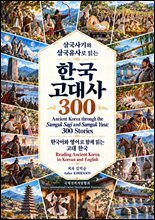
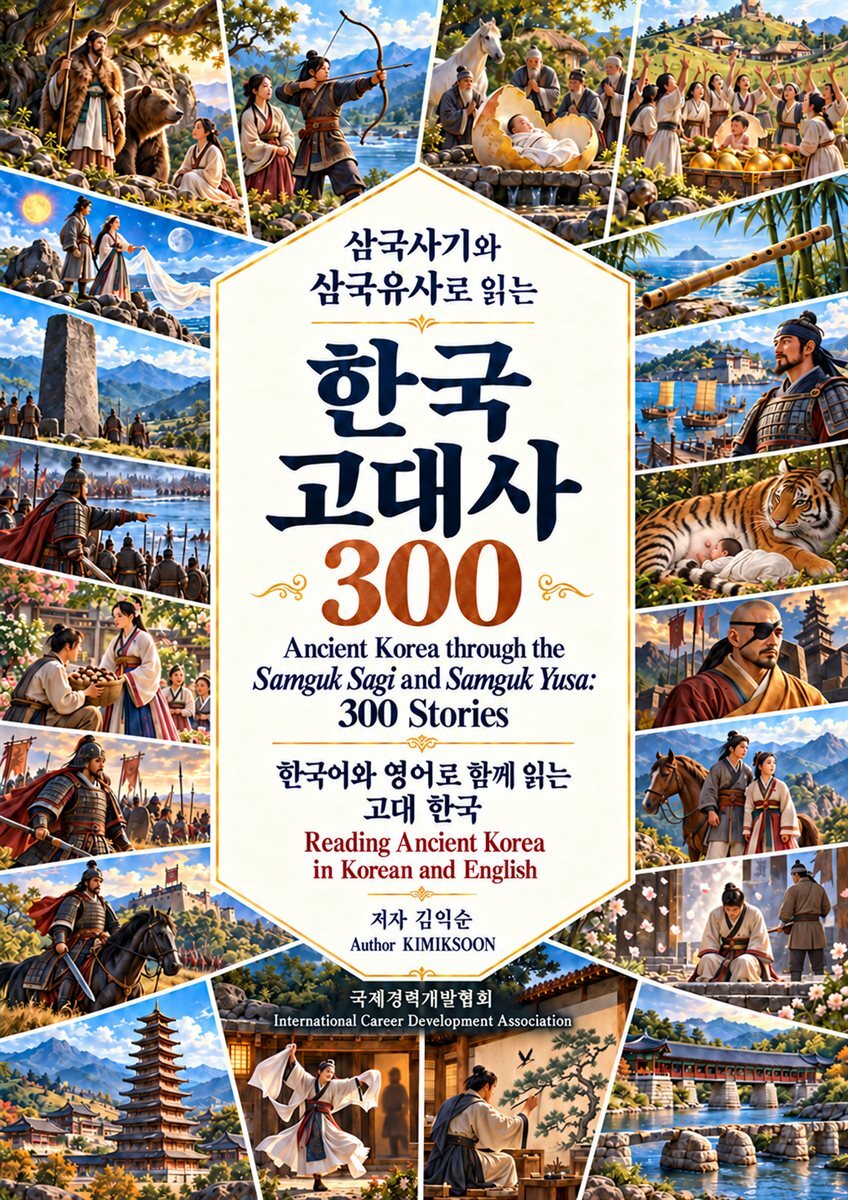
삼국사기와 삼국유사로 읽는 한국 고대사 300_Ancient Korea through the Samguk Sagi and Samguk Yusa: 300 Stories
한국어와 영어로 함께 읽는 고대 한국_Reading Ancient Korea in Korean and English
스마트한 PDF 필기 기능을 사용해 보세요!
- PDF 안내
-
이 상품은 구매 후 지원 기기에서 예스24 eBook앱 설치 후 바로 이용 가능한 상품입니다.
소개
목차
|
[서문 | Preface]
제1부 기록과 전승으로 만나는 나라의 시작 Part 1. The Beginnings of Kingdoms in Records and Traditions 제1장 기록을 남긴 사람들과 나라의 시작 Chapter 1. The Compilers and the Origins of Kingdoms 001. 김부식과 일연 ? 서로 다른 시선으로 고대사를 남기다 | Kim Bu-sik and Iryeon ? Preserving Ancient History from Different Perspectives 002. 단군과 웅녀 ? 고조선의 시작을 신화로 전하다 | Dangun and Ungnyeo ? Telling Gojoseon’s Beginnings through Myth 003. 위만조선 ? 이주와 권력 교체를 기록하다 | Wiman Joseon ? Recording Migration and a Change of Power 004. 낙랑과 대방 ? 군현의 기록과 고대 한반도의 관계를 살펴보다 | Lelang and Daifang ? Examining Commandery Records and Their Relationship with the Ancient Korean Peninsula 005. 해모수와 금와 ? 부여 왕실의 계보를 전하는 이야기 | Haemosu and Geumwa ? Stories about the Genealogy of Buyeo’s Royal House 006. 주몽과 유화 ? 고구려 시조를 둘러싼 탄생과 탈출 | Jumong and Yuhwa ? Birth and Escape in the Story of Goguryeo’s Founder 007. 유리의 부러진 칼 ? 아버지를 찾아가는 왕자의 전승 | Yuri’s Broken Sword ? A Tradition about a Prince Seeking His Father 008. 온조와 비류 ? 백제의 시작을 전하는 서로 다른 계보 | Onjo and Biryu ? Different Genealogies for Baekje’s Beginnings 009. 혁거세 ? 알에서 태어난 시조를 맞이한 사람들 | Hyeokgeose ? People Welcome a Founder Said to Have Emerged from an Egg 010. 알영 ? 왕과 함께 기억된 시조 왕비 | Aryeong ? A Founding Queen Remembered alongside the King 제2장 신라와 가야, 이름과 노래로 전하는 기원 Chapter 2. Silla and Gaya ? Origins Preserved in Names and Songs 011. 탈해 ? 바다 건너온 인물이 신라의 왕이 되다 | Talhae ? A Figure from across the Sea Becomes King of Silla 012. 김알지와 계림 ? 금궤와 닭 울음에 담긴 가문의 기원 | Kim Alji and Gyerim ? A Golden Chest and a Rooster’s Cry in a Family’s Origin Story 013. 여섯 촌과 여섯 부 ? 신라 왕경의 공동체를 나누어 부르다 | Six Villages and Six Divisions ? Naming the Communities of Silla’s Capital 014. 이사금과 마립간 ? 왕을 부르는 말이 달라지다 | Isageum and Maripgan ? Changing Titles for Silla’s Rulers 015. 가배와 길쌈 ? 두 편으로 나누어 베 짜기를 겨루다 | Gabae and Weaving ? Two Groups Compete in Making Cloth 016. 수로왕과 구지가 ? 노래하며 왕을 맞이하는 가락국의 전승 | King Suro and Gujiga ? A Garak Tradition of Welcoming a King with Song 017. 허황옥과 아유타국 ? 바다를 건넌 왕비의 전승과 지명 논쟁 | Heo Hwang-ok and Ayuta ? A Queen’s Sea Journey and a Debated Place Name 018. 오가야와 가락국기 ? 여러 가야를 하나의 왕국처럼 읽지 않기 | The Five Gayas and the Garakgukgi ? Recognizing More than One Gaya Polity 019. 거도와 말놀이 ? 익숙한 풍경으로 경계를 늦추게 하다 | Geodo and the Horse Display ? Familiar Sights Lower an Opponent’s Guard 020. 연오랑과 세오녀 ? 해와 달의 빛을 되찾는 비단의 전승 | Yeonorang and Seonyeo ? A Tradition of Silk Restoring the Light of the Sun and Moon 제2부 고구려 ? 왕실의 갈등과 나라를 지키는 선택 Part 2. Goguryeo ? Royal Conflict and Choices in Defending a Kingdom 제3장 고구려의 왕실과 백성 Chapter 3. Goguryeo’s Royal House and Its People 021. 유리왕의 황조가 ? 꾀꼬리를 보며 외로움을 노래하다 | King Yuri’s Hwangjoga ? Singing of Loneliness while Watching Orioles 022. 해명태자의 활 ? 외교적 선물과 왕실의 갈등 | Crown Prince Haemyeong’s Bow ? A Diplomatic Gift and Royal Conflict 023. 호동과 낙랑 ? 혼인과 나라의 이해가 충돌하는 전승 | Hodong and Nangnang ? A Tradition of Marriage Clashing with Political Interests 024. 대무신왕과 괴유 ? 전쟁과 신이한 도움을 함께 기록하다 | King Daemusin and Goeyu ? Warfare Recorded alongside Supernatural Assistance 025. 명림답부와 차대왕 ? 가혹한 통치에 맞선 권력 교체 | Myeongnim Dap-bu and King Chadae ? A Change of Power against Harsh Rule 026. 좌원 전투 ? 명림답부가 지구전을 택하다 | The Battle of Jwawon ? Myeongnim Dap-bu Chooses to Prolong the Struggle 027. 을파소의 등용 ? 낮은 자리의 인물을 재상으로 세우다 | Eul Pa-so’s Appointment ? Raising a Man of Humble Position to High Office 028. 진대법 ? 곡식을 빌려주고 추수 뒤에 돌려받다 | The Jindae System ? Lending Grain and Receiving Repayment after Harvest 029. 우씨왕후와 산상왕 ? 왕비의 선택이 왕위 계승에 개입하다 | Queen U and King Sansang ? A Queen’s Choice Shapes the Succession 030. 밀우와 유유 ? 위기에 빠진 왕을 구한 두 사람 | Milu and Yuyu ? Two Men Who Saved a King in Danger 제4장 고구려가 넓히고 지킨 세계 Chapter 4. The World Goguryeo Expanded and Defended 031. 미천왕과 창조리 ? 떠돌던 왕족이 왕위에 오르다 | King Micheon and Chang Jo-ri ? A Wandering Royal Relative Becomes King 032. 관나부인 ? 왕실 여성에 대한 고발과 처벌을 읽다 | Lady Gwanna ? Reading Accusations and Punishment Involving a Royal Woman 033. 고국원왕과 전연 ? 왕실의 무덤과 인질이 전쟁에 휘말리다 | King Gogugwon and Former Yan ? Royal Tombs and Hostages Become Part of War 034. 소수림왕의 태학과 율령 ? 배움과 법으로 나라를 정비하다 | King Sosurim’s Academy and Laws ? Strengthening a Kingdom through Learning and Law 035. 광개토왕 ? 본기의 기록과 비문이 전하는 전쟁을 비교하다 | King Gwanggaeto ? Comparing Campaigns in the Annals and the Stele 036. 장수왕의 평양 천도 ? 나라의 중심을 옮기다 | King Jangsu Moves the Capital to Pyeongyang ? Relocating the Kingdom’s Center 037. 을지문덕과 살수대첩 ? 승전 기록과 후대의 수공 이야기를 구분하다 | Eulji Mundeok and the Battle of Salsu ? Distinguishing Victory Records from Later Flood-Attack Stories 038. 연개소문의 정변 ? 왕을 제거한 실력자를 사관은 어떻게 평가했을까 | Yeon Gaesomun’s Coup ? How Did Historians Judge the Man Who Removed a King? 039. 안시성의 방어 ? 이름이 기록되지 않은 성주를 기억하다 | The Defense of Ansi Fortress ? Remembering a Commander Whose Name Was Not Recorded 040. 남생과 남건의 갈등 ? 고구려의 마지막 정국이 갈라지다 | Namsaeng and Namgeon’s Conflict ? Division in Goguryeo’s Final Years 제3부 백제 ? 새로운 도읍과 나라의 흥망 Part 3. Baekje ? New Capitals and the Rise and Fall of a Kingdom 제5장 백제의 성장과 한성의 위기 Chapter 5. Baekje’s Growth and the Crisis at Hanseong 041. 다루왕의 벼농사 장려 ? 왕의 명령에 남은 먹고사는 일 | King Daru Encourages Rice Farming ? Livelihoods Preserved in a Royal Order 042. 고이왕의 관직과 옷 색깔 ? 관료의 서열을 눈에 보이게 하다 | King Goi’s Offices and Clothing Colors ? Making Official Rank Visible 043. 고이왕의 재해 구제 ? 세금과 곡식 지급으로 백성을 돕다 | King Goi’s Disaster Relief ? Helping the People through Tax Relief and Grain 044. 근초고왕의 평양성 공격 ? 고구려와 백제의 힘이 맞부딪치다 | King Geunchogo Attacks Pyeongyang ? Goguryeo and Baekje Clash 045. 고흥의 서기 ? 백제의 역사책이 있었다는 기록 | Go Heung’s Seogi ? A Record That Baekje Had Its Own History Book 046. 아신왕의 불교 신앙 권장 ? 왕의 명령으로 새로운 믿음을 권하다 | King Asin Encourages Buddhism ? A Royal Order Promotes a Faith 047. 전지왕과 해충 ? 바다 건너 있던 왕자가 귀국해 왕위를 잇다 | King Jeonji and Hae Chung ? A Prince Returns from Overseas to Claim the Throne 048. 개로왕의 북위 국서 ? 먼 나라에 보낸 외교적 호소 | King Gaero’s Letter to Northern Wei ? A Diplomatic Appeal to a Distant State 049. 도림과 바둑 ? 왕의 신임을 얻어 나라를 약하게 만든다는 이야기 | Dorim and Baduk ? A Story of Winning a King’s Trust to Weaken His Kingdom 050. 문주왕의 웅진 천도 ? 수도를 잃고 새로운 터전을 찾다 | King Munju Moves to Ungjin ? Finding a New Base after Losing the Capital 제6장 사비의 백제와 나라를 잃은 사람들 Chapter 6. Baekje at Sabi and the People Who Lost Their Kingdom 051. 동성왕과 백가 ? 왕의 명령을 거부한 신하의 반란 | King Dongseong and Baekga ? Rebellion by a Subject Who Rejected a Royal Order 052. 무령왕의 제방 수리 ? 농토를 되살리고 떠돌던 사람을 정착시키다 | King Muryeong Repairs Embankments ? Restoring Fields and Settling Displaced People 053. 성왕의 사비 천도 ? 도읍과 국호를 바꾸어 새 출발을 꾀하다 | King Seong Moves to Sabi ? Seeking Renewal through a New Capital and State Name 054. 관산성의 성왕 ? 동맹이 무너진 뒤 전장에서 목숨을 잃다 | King Seong at Gwansan Fortress ? Dying in Battle after an Alliance Breaks Down 055. 법왕의 살생 금지 ? 사냥과 어로에 신앙의 규칙을 적용하다 | King Beop’s Ban on Killing ? Religious Rules Applied to Hunting and Fishing 056. 서동과 선화공주 ? 노래로 퍼진 혼인 이야기와 무왕 | Seodong and Princess Seonhwa ? A Marriage Story Spread through Song and Linked to King Mu 057. 미륵사 창건 ? 선화공주 전승과 사택씨 왕후의 봉영기를 함께 읽다 | Founding Mireuksa ? Reading the Seonhwa Tradition alongside the Sataek Queen’s Reliquary Inscription 058. 성충과 흥수 ? 받아들여지지 않은 마지막 방어책 | Seong Chung and Heung Su ? Final Defensive Advice Left Unheeded 059. 계백과 황산벌 ? 용맹의 기록에 담긴 가족의 희생도 묻다 | Gyebaek at Hwangsanbeol ? Questioning Family Sacrifice within a Record of Courage 060. 의자왕의 항복 ? 두 책의 기록과 삼천궁녀 이야기를 구분하다 | King Uija’s Surrender ? Distinguishing the Two Works from the Story of Three Thousand Court Women 제4부 신라와 가야 ? 왕권·신분·동맹의 변화 Part 4. Silla and Gaya ? Changes in Kingship, Status, and Alliances 제7장 신라가 바꾸어 간 왕권과 생활 Chapter 7. Changes in Silla’s Kingship and Everyday Life 061. 실성왕과 눌지왕 ? 인질 경험과 왕위 계승의 갈등 | Kings Silseong and Nulji ? Hostage Experiences and Succession Conflict 062. 박제상과 김제상 ? 왕자를 구한 사람과 남겨진 가족의 두 기록 | Bak Jesang and Kim Jesang ? Two Accounts of a Rescuer of Princes and His Family 063. 눌지왕과 백제의 동맹 ? 가까운 위협에 맞서 손을 잡다 | King Nulji’s Alliance with Baekje ? Joining Forces against a Nearby Threat 064. 소지왕의 사금갑 ? 까마귀의 경고와 거문고 상자에 얽힌 전승 | King Soji and Sageumgap ? A Crow’s Warning and the Legend of a Zither Case 065. 미추왕의 죽엽군 ? 죽은 왕이 나라를 지킨다는 이야기 | King Michu’s Bamboo-Leaf Army ? A Story of a Dead King Protecting His Kingdom 066. 지증왕의 순장 금지 ? 죽은 이를 위해 산 사람을 묻던 관행을 멈추다 | King Jijeung Bans Retainer Sacrifice ? Ending the Burial of Living People with the Dead 067. 지증왕의 우경 장려 ? 소를 이용한 농사에 주목하다 | King Jijeung Encourages Ox Plowing ? Attention to Animal-Powered Farming 068. 신라라는 국호와 왕이라는 칭호 ? 나라가 스스로를 부르는 말을 정하다 | The Name Silla and the Title King ? Choosing How a State Describes Itself 069. 이사부와 우산국 ? 나무사자를 이용했다는 복속 이야기 | Isabu and Usan ? A Story of Submission Achieved with Wooden Lions 070. 법흥왕의 율령 반포 ? 국가가 법과 관료의 규칙을 마련하다 | King Beopheung Proclaims Laws ? Establishing Rules for Government and Officials 제8장 가야의 편입과 여왕의 시대 Chapter 8. The Incorporation of Gaya and the Age of Queens 071. 구형왕의 항복 ? 금관가야 왕실이 신라에 들어오다 | King Guhyeong’s Surrender ? Geumgwan Gaya’s Royal House Enters Silla 072. 원화와 화랑 ? 남모·준정의 이야기와 청년 집단의 기록 | Wonhwa and Hwarang ? The Story of Nammo and Junjeong and Records of Youth Groups 073. 사다함과 대가야 ? 전쟁의 공으로 받은 포로를 풀어 주다 | Sadaham and Daegaya ? Releasing Captives Received as a Military Reward 074. 거칠부의 국사 편찬 ? 신라가 자신의 과거를 책으로 묶다 | Geochilbu Compiles a National History ? Silla Collects Its Past into a Book 075. 진흥왕의 순수 ? 왕의 이동을 본기와 비문으로 살펴보다 | King Jinheung’s Tours ? Reading Royal Journeys through Annals and Inscriptions 076. 진흥왕과 혜량 ? 고구려의 승려를 신라의 승관으로 맞다 | King Jinheung and Hyeryang ? Welcoming a Goguryeo Monk into Silla’s Buddhist Administration 077. 진평왕의 천사옥대 ? 하늘이 준 허리띠로 왕권을 설명하다 | King Jinpyeong’s Heavenly Jade Belt ? Explaining Kingship through a Gift from Heaven 078. 선덕왕의 지기삼사 ? 모란·개구리·장례 예고를 지혜의 전승으로 읽다 | Queen Seondeok’s Three Insights ? Peonies, Frogs, and a Foretold Burial as Traditions of Wisdom 079. 비담의 반란 ? 여왕의 권위를 부정한 봉기가 일어나다 | Bidam’s Rebellion ? An Uprising Challenges a Queen’s Authority 080. 진덕왕의 태평송 ? 외교의 뜻을 비단에 수놓다 | Queen Jindeok’s Song of Great Peace ? Embroidering a Diplomatic Message on Silk 제5부 전쟁과 동맹 ? 삼국의 관계가 달라지다 Part 5. War and Alliance ? Relations among the Three Kingdoms Change 제9장 동맹과 부흥운동이 바꾼 삼국의 관계 Chapter 9. Alliances and Restoration Movements Reshape Relations 081. 보희의 꿈과 문희의 혼인 ? 김춘추와 김유신 집안이 이어지다 | Bohui’s Dream and Munhui’s Marriage ? Linking the Families of Kim Chun-chu and Kim Yu-sin 082. 김유신과 백석 ? 간첩의 유혹을 세 여신이 막아 준다는 전승 | Kim Yu-sin and Baekseok ? A Tradition of Three Goddesses Foiling a Spy 083. 김춘추의 고구려 사행 ? 억류된 사신과 거북·토끼 이야기 | Kim Chun-chu’s Mission to Goguryeo ? A Detained Envoy and a Turtle-and-Hare Tale 084. 김춘추의 당 사행 ? 군사 동맹을 맺기 위해 바다를 건너다 | Kim Chun-chu’s Mission to Tang ? Crossing the Sea to Seek a Military Alliance 085. 김인문 ? 당과 신라 사이를 오간 왕족의 역할 | Kim In-mun ? A Royal Relative’s Role between Tang and Silla 086. 복신·도침·부여풍 ? 백제 부흥군 안에서 벌어진 갈등 | Boksin, Dochim, and Buyeo Pung ? Conflict within the Baekje Restoration Movement 087. 흑치상지 ? 부흥운동의 장수가 당나라의 장수로 살다 | Heukchi Sang-ji ? A Restoration Commander Becomes a Tang General 088. 백강 전투 ? 백제 부흥군과 왜의 지원군이 패하다 | The Battle of Baekgang ? Baekje Restoration Forces and Their Wa Allies Are Defeated 089. 취리산 회맹 ? 문무왕과 부여융이 맹약을 맺다 | The Covenant at Mount Chwiri ? King Munmu and Buyeo Yung Make an Oath 090. 고연무와 안승 ? 고구려가 멸망한 뒤에도 이어진 재건의 움직임 | Go Yeon-mu and Anseung ? Efforts to Rebuild after Goguryeo’s Fall 제10장 전쟁의 끝에서 새 질서를 만들다 Chapter 10. Creating a New Order as Wars End 091. 김유신의 평양 군량 수송 ? 싸우는 군대 뒤의 보급을 읽다 | Kim Yu-sin’s Supply Mission to Pyeongyang ? Reading the Logistics behind Warfare 092. 열기의 적진 통과 ? 군량 소식을 전한 병사와 약속된 보상 | Yeolgi Crosses Enemy Lines ? A Soldier’s Message and a Promised Reward 093. 매소성 전투 ? 신라가 당군의 진격에 맞서다 | The Battle of Maeso Fortress ? Silla Confronts Tang’s Advance 094. 기벌포 전투 ? 강 어귀에서 벌어진 수군의 싸움 | The Battle of Gibeolpo ? Naval Fighting at a River Mouth 095. 안승의 보덕국 ? 고구려 유민의 거처와 신라의 통치 | Anseung’s Bodeok State ? A Home for Goguryeo Refugees under Silla’s Authority 096. 문무왕의 유언과 감은사 ? 왕의 죽음을 바다의 용과 연결한 기록 | King Munmu’s Last Wishes and Gameunsa ? Records Linking a King’s Death with a Sea Dragon 097. 김원술 ? 패전 뒤 가족에게도 받아들여지지 못한 장수 | Kim Won-sul ? A Defeated Warrior Rejected Even by His Family 098. 김흠돌의 난 ? 신문왕 즉위 직후 귀족 세력이 제거되다 | Kim Heum-dol’s Rebellion ? Aristocrats Are Removed after King Sinmun’s Accession 099. 신문왕의 혼례 ? 왕실 결혼의 절차와 물품을 기록하다 | King Sinmun’s Wedding ? Recording Royal Marriage Procedures and Gifts 100. 만파식적 ? 근심을 가라앉힌다는 피리에 담긴 바람 | Manpasikjeok ? Hopes Placed in a Flute Said to Calm Every Trouble 제6부 신라의 번영과 왕경의 갈등 Part 6. Silla’s Prosperity and Conflict in the Royal Capital 제11장 통일 이후 신라의 나라 살림 Chapter 11. Governing Silla after Unification 101. 달구벌 천도 계획 ? 수도를 옮기려던 신문왕의 구상 | The Plan to Move to Dalgubeol ? King Sinmun Considers a New Capital 102. 구주와 오소경 ? 넓어진 땅을 여러 중심지로 다스리다 | Nine Provinces and Five Secondary Capitals ? Governing Expanded Territory through Several Centers 103. 관료전과 녹읍 ? 관리에게 무엇을 주고 무엇을 거두었을까 | Official Land Grants and Revenue Estates ? What Did Officials Receive and Collect? 104. 국학 설립 ? 경전을 배우는 국가 교육기관 | Establishing the Gukhak ? A State Institution for Studying the Classics 105. 성덕왕의 정전 지급 ? 짧은 토지 기록의 뜻을 단정하지 않기 | King Seongdeok’s Jeongjeon Grants ? Avoiding Certainty about a Brief Land Record 106. 경덕왕의 지명 개정 ? 옛 이름을 새로운 한자 이름으로 바꾸다 | King Gyeongdeok Renames Places ? Replacing Older Names with New Chinese-Character Names 107. 표훈과 왕자의 탄생 ? 후계자를 바라는 왕을 신이한 이야기로 그리다 | Pyohun and a Prince’s Birth ? A Supernatural Story about a King’s Desire for an Heir 108. 혜공왕대의 반란 ? 반복된 권력 다툼이 왕실을 흔들다 | Rebellions under King Hyegong ? Repeated Power Struggles Shake the Court 109. 원성왕과 김주원 ? 알천의 큰물이 왕위 계승을 바꾸었다는 전승 | King Wonseong and Kim Ju-won ? A Tradition of Floodwater Changing the Succession 110. 독서삼품과 ? 읽은 책으로 인재를 가르던 기준 | The Three Reading Grades ? Evaluating Talent through the Books People Studied 제12장 번영 속에서 갈라지는 왕경 Chapter 12. A Capital Divided amid Prosperity 111. 김헌창의 반란 ? 웅천주에서 별도의 나라를 선포하다 | Kim Heon-chang’s Rebellion ? Proclaiming a Separate State in Ungcheon Province 112. 흥덕왕과 앵무새 ? 짝을 잃은 새에 왕의 슬픔을 비추다 | King Heungdeok and the Parrot ? A Bereaved Bird Reflects a King’s Grief 113. 장보고의 청해진 ? 바다의 교역과 신라인 보호를 연결하다 | Jang Bogo’s Cheonghaejin ? Connecting Maritime Trade with Protection for Silla People 114. 김양과 왕위 쟁탈 ? 왕경 밖의 군사가 왕을 바꾸다 | Kim Yang and the Succession Struggle ? Forces outside the Capital Change the King 115. 장보고의 혼인 구상과 피살 ? 공로가 신분의 벽을 넘지 못하다 | Jang Bogo’s Marriage Plan and Assassination ? Achievement Fails to Overcome Status Barriers 116. 경문왕의 당나귀 귀 ? 비밀을 말하고 싶은 사람의 전승 | King Gyeongmun’s Donkey Ears ? A Tradition about the Need to Reveal a Secret 117. 황룡사탑 중수 ? 오래된 탑을 고친 기록과 찰주본기를 대조하다 | Rebuilding Hwangnyongsa’s Pagoda ? Comparing Written Accounts with the Central-Pillar Inscription 118. 헌강왕대의 왕경 ? 풍요로운 수도를 묘사한 기록의 시선 | The Capital under King Heongang ? A Record’s View of Urban Prosperity 119. 신라 사신과 발해 사신의 자리 다툼 ? 외교 의례에서 경쟁하다 | Silla and Balhae Envoys Compete for Precedence ? Rivalry in Diplomatic Ceremony 120. 위홍과 대구의 삼대목 ? 노래를 모았지만 전하지 않는 책 | Wihong and Daegu’s Samdaemok ? A Lost Collection of Songs 제7부 발해와 후삼국 ? 옛 나라의 이름과 새로운 질서 Part 7. Balhae and the Later Three Kingdoms ? Old Names and a New Order 제13장 발해의 이름과 흔들리는 신라 Chapter 13. Traces of Balhae and an Unstable Silla 121. 말갈·발해 기사 ? 두 책이 남긴 북쪽 나라의 단서를 모으다 | Entries on Malgal and Balhae ? Gathering the Two Works’ Clues about the Northern State 122. 대조영의 출신과 건국 ? 서로 다른 자료의 서술을 비교하다 | Dae Jo-yeong’s Origins and Founding of Balhae ? Comparing Different Sources 123. 발해의 등주 공격과 신라의 원정 ? 세 나라의 이해가 얽히다 | Balhae’s Attack on Dengzhou and Silla’s Campaign ? The Interests of Three States Intertwine 124. 원종과 애노 ? 세금 독촉에 맞서 봉기한 사람들 | Wonjong and Aeno ? People Rise against Demands for Taxes 125. 적고적의 봉기 ? 붉은 바지를 입은 무리를 왕경의 기록이 바라보다 | The Red-Trousered Rebels ? A Capital’s Record Describes an Uprising 126. 거타지 ? 바다로 나간 활 잘 쏘는 사람의 전승 | Geotaji ? A Tradition about an Archer at Sea 127. 호랑이 젖을 먹은 견훤 ? 후백제 왕의 탄생을 설명하는 이야기 | Gyeon Hwon Nursed by a Tiger ? A Story Explaining the Later Baekje King’s Origins 128. 궁예의 출가와 세력 확대 ? 승려 출신 지도자가 군주가 되다 | Gung Ye’s Monastic Life and Rise ? A Former Monk Becomes a Ruler 129. 견훤의 후백제 ? 백제의 이름으로 새로운 나라를 세우다 | Gyeon Hwon’s Later Baekje ? Founding a New State under Baekje’s Name 130. 궁예의 미륵 자처 ? 종교적 권위로 왕권을 세우려 하다 | Gung Ye Claims to Be Maitreya ? Seeking Royal Power through Religious Authority 제14장 후삼국에서 고려로 Chapter 14. From the Later Three Kingdoms to Goryeo 131. 왕건 추대와 궁예의 최후 ? 신하들의 선택으로 왕이 바뀌다 | Wang Geon’s Elevation and Gung Ye’s End ? Followers Choose a New Ruler 132. 견훤과 왕건의 편지 ? 과거의 역사를 근거로 서로를 설득하다 | Letters between Gyeon Hwon and Wang Geon ? Using History to Argue with a Rival 133. 공산 전투와 경애왕의 죽음 ? 후백제의 공격을 두 책이 어떻게 전했을까 | The Battle of Gongsan and King Gyeongae’s Death ? How Do the Two Works Describe Later Baekje’s Attack? 134. 고창 전투 ? 지역 세력의 협력이 전세를 바꾸다 | The Battle of Gochang ? Local Cooperation Changes the Course of War 135. 신검의 정변과 견훤의 탈출 ? 아버지와 아들이 왕위를 놓고 갈라지다 | Singeom’s Coup and Gyeon Hwon’s Escape ? Father and Son Divide over the Throne 136. 경순왕의 귀부 ? 싸움을 멈추고 나라를 넘기는 선택 | King Gyeongsun Submits to Goryeo ? Choosing to End Resistance and Surrender a Kingdom 137. 이름 없는 왕자와 마의태자 ? 기록과 후대의 호칭을 구분하다 | An Unnamed Prince and the Hemp-Clad Crown Prince ? Distinguishing the Record from a Later Title 138. 일리천 전투 ? 후백제가 무너지며 후삼국의 전쟁이 끝나다 | The Battle of Illicheon ? Later Baekje Falls and the Wars End 139. 경명왕의 매와 웅신 ? 신에게 벼슬을 내렸다는 전승을 읽다 | King Gyeongmyeong’s Hawk and Ungsin ? A Tradition of Granting Office to a Deity 140. 가야 왕릉의 제사 ? 가락국기에 남은 신라·고려 시대의 기억 | Rites at Gaya’s Royal Tombs ? Silla and Goryeo Memories in the Garakgukgi 제8부 말과 행동으로 남은 사람들 Part 8. People Remembered through Words and Actions 제15장 벼슬보다 오래 남은 말과 글 Chapter 15. Words and Writing That Outlasted Official Rank 141. 강수 ? 문장으로 나라를 돕고 신분을 넘어 혼인하다 | Gang Su ? Serving through Writing and Marrying across Status Boundaries 142. 설총의 화왕계 ? 꽃의 왕에게 들려준 간언 | Seol Chong’s Admonition to the Flower King ? Counsel Told through Flowers 143. 최치원 ? 당에서 쌓은 학문으로 신라의 개혁을 건의하다 | Choe Chi-won ? Using Learning Acquired in Tang to Propose Reform in Silla 144. 김대문의 저술 ? 사라진 책의 이름이 다른 기록에 남다 | Kim Dae-mun’s Writings ? Lost Books Remembered in Other Records 145. 석우로 ? 외교적 모욕과 보복으로 이어진 죽음 | Seok U-ro ? Diplomatic Insult, Death, and Revenge 146. 녹진과 충공 ? 병든 재상에게 정무의 방법을 권하다 | Nokjin and Chung-gong ? Advising an Ailing Minister on Government 147. 김후직 ? 무덤에서도 사냥을 말린다는 간언 이야기 | Kim Hu-jik ? A Tale of Counsel against Hunting Even from the Grave 148. 검군 ? 훔친 곡식을 나누자는 제안을 거절하다 | Geomgun ? Refusing a Share of Stolen Grain 149. 실혜 ? 참소를 당한 관리가 긴 노래로 뜻을 남기다 | Silhye ? A Slandered Official Leaves His Thoughts in a Long Song 150. 물계자 ? 전쟁의 공을 인정받지 못한 사람이 공명을 등지다 | Mulgyeja ? An Unrecognized Warrior Turns Away from Fame and Office 제16장 전쟁 기록 속 장수와 병사의 선택 Chapter 16. The Choices of Commanders and Soldiers in War Records 151. 귀산과 추항 ? 원광에게 배운 세속오계를 전장에서 지키려 하다 | Gwisan and Chuhang ? Trying to Uphold Wongwang’s Five Lay Precepts in Battle 152. 비녕자·거진·합절 ? 한 집안의 죽음을 충성으로 기록한 시선 | Binyeongja, Geo-jin, and Hapjeol ? A Record Interprets a Household’s Deaths as Loyalty 153. 찬덕과 해론 ? 아버지와 아들이 같은 성에서 싸우다 | Chandeok and Haeron ? Father and Son Fight at the Same Fortress 154. 소나 ? 갑작스러운 공격 앞에 주민을 지키다 | Sona ? Defending Residents against a Sudden Attack 155. 눌최와 이름 없는 종 ? 외면당한 성에서 끝까지 함께하다 | Nulchoe and an Unnamed Servant ? Staying Together in an Abandoned Fortress 156. 설계두 ? 신분의 제약을 피해 당나라에서 무공을 세우다 | Seol Gye-du ? Seeking Military Achievement in Tang beyond Restrictions of Birth 157. 김흠운 ? 왕족의 지위를 내세우지 않고 전장에 남다 | Kim Heum-un ? Remaining in Battle without Claiming Royal Privilege 158. 김영윤 ? 군령을 받은 장수가 퇴각을 거부하다 | Kim Yeong-yun ? A Commander Refuses to Retreat from His Orders 159. 죽죽과 용석 ? 함락되는 대야성에서 갈라진 선택 | Jukjuk and Yongseok ? Different Choices as Daeya Fortress Falls 160. 필부 ? 성을 지키던 장수가 밀통의 문제와 마주하다 | Pilbu ? A Fortress Commander Confronts Secret Contact with the Enemy 제9부 가족과 사랑 ? 지키려 했던 관계와 그 대가 Part 9. Family and Love ? Bonds People Tried to Preserve and Their Costs 제17장 가족을 지키고 약속을 지키는 사람들 Chapter 17. People Who Protected Family and Kept Promises 161. 온달과 평강공주 ? 낮게 평가받던 사람과 혼인을 선택한 공주 | Ondal and Princess Pyeonggang ? A Princess Chooses to Marry a Disparaged Man 162. 도미와 그의 아내 ? 왕의 강요에 맞서 서로를 찾아가다 | Domi and His Wife ? Resisting a King’s Coercion and Seeking Each Other 163. 설씨녀와 가실 ? 반으로 나눈 거울에 혼인의 약속을 담다 | Lady Seol and Gasil ? A Marriage Promise in a Divided Mirror 164. 지은과 빈녀양모 ? 어머니를 위해 자신을 판 딸의 두 기록 | Jieun and the Poor Daughter Supporting Her Mother ? Two Accounts of a Daughter Who Sold Her Freedom 165. 향덕의 효행 ? 몸을 해치는 돌봄을 미담으로만 읽지 않기 | Hyangdeok’s Filial Devotion ? Reading Self-Harming Care as More than an Inspirational Tale 166. 성각 ? 품팔이와 구걸로 어머니를 봉양하다 | Seonggak ? Supporting His Mother through Hired Work and Begging 167. 진정과 어머니 ? 출가와 부모 돌봄을 함께 생각하다 | Jinjeong and His Mother ? Considering Monastic Life alongside Parental Care 168. 손순의 매아 ? 아이를 묻으려는 이야기를 효의 교훈으로만 읽지 않기 | Son Sun’s Attempt to Bury His Child ? Reading beyond a Simple Lesson in Filial Duty 169. 김대성과 두 생의 부모 ? 보시와 환생을 불국사·석불사에 연결하다 | Kim Dae-seong and Parents from Two Lives ? Giving and Rebirth Linked to Bulguksa and Seokbulsa 170. 정수와 얼어붙은 여인 ? 계율보다 먼저 사람을 살피는 이야기 | Jeongsu and the Freezing Woman ? A Story of Putting a Person’s Need before Rules 제18장 사랑과 신앙이 바꾼 사람들의 삶 Chapter 18. Lives Changed by Love and Faith 171. 광덕과 엄장 ? 아내의 말을 통해 수행의 길을 다시 배우다 | Gwangdeok and Eomjang ? Relearning Religious Practice through a Wife’s Words 172. 욱면 ? 종의 신분으로 염불하던 여성의 해방을 상상한 전승 | Ungmyeon ? A Tradition Envisioning Liberation for an Enslaved Woman Who Chanted 173. 조신의 꿈 ? 원하는 삶을 얻은 뒤에도 남는 고통 | Josin’s Dream ? Suffering Persists Even after Obtaining the Desired Life 174. 김현과 호랑이 처녀 ? 서로 다른 존재의 사랑과 희생 | Kim Hyeon and the Tiger Maiden ? Love and Sacrifice between Different Beings 175. 선도성모 ? 산의 여신이 불사를 돕는다는 전승 | The Holy Mother of Seondo ? A Tradition of a Mountain Goddess Supporting Buddhist Works 176. 화보와 연보 ? 귀족의 딸들이 절의 종이 되었다는 기록 | Hwabo and Yeonbo ? A Record of Aristocratic Daughters Becoming Temple Servants 177. 만명과 김서현 ? 집안의 반대를 넘어 혼인한 부모의 이야기 | Manmyeong and Kim Seo-hyeon ? Parents Who Married despite Family Opposition 178. 도화녀와 비형랑 ? 죽은 왕과 귀신을 부리는 아들의 전승 | Dohwa and Bihyeong ? A Tradition of a Dead King and a Son Who Commands Spirits 179. 수로부인과 두 노래 ? 꽃을 바치는 노인과 바다 앞에 모인 사람들 | Lady Suro and Two Songs ? An Old Man Offering Flowers and People Gathered by the Sea 180. 선율의 저승 여행 ? 잘못 차지한 절의 논을 돌려주라는 이야기 | Seonyul’s Journey to the Otherworld ? A Story Calling for the Return of Wrongfully Taken Temple Land 제10부 불교의 전래와 배움의 여정 Part 10. The Arrival of Buddhism and Journeys of Learning 제19장 삼국에 들어온 불교와 바다를 건넌 배움 Chapter 19. Buddhism in the Three Kingdoms and Learning across the Sea 181. 순도와 아도 ? 고구려에 불상과 경전이 전해지다 | Sundo and Ado ? Buddhist Images and Scriptures Reach Goguryeo 182. 마라난타 ? 백제 왕실이 동진에서 온 승려를 맞이하다 | Marananta ? Baekje’s Court Welcomes a Monk from Eastern Jin 183. 묵호자와 모례 ? 낯선 향의 쓰임을 알려 준 승려의 전승 | Mukhoja and Morye ? A Tradition of a Monk Explaining Unfamiliar Incense 184. 이차돈의 죽음 ? 신라의 불교 수용을 피와 기적으로 기억하다 | Ichadon’s Death ? Remembering Silla’s Acceptance of Buddhism through Blood and Miracle 185. 보덕의 암자 ? 도교를 중시한 고구려를 떠났다는 이야기 | Bodeok’s Hermitage ? A Story of Leaving a Goguryeo That Favored Daoism 186. 원광의 걸사표 ? 승려가 전쟁을 돕는 외교문서를 짓다 | Wongwang’s Request for Troops ? A Monk Writes a Diplomatic Appeal for War 187. 자장의 계율 ? 왕실의 후원으로 수행의 규칙을 세우다 | Jajang’s Monastic Discipline ? Establishing Religious Rules with Royal Support 188. 인도로 간 승려들 ? 돌아온 사람과 돌아오지 못한 사람을 기록하다 | Monks Who Traveled to India ? Recording Those Who Returned and Those Who Did Not 189. 원효의 무애행 ? 거리에서 노래하며 불교를 전하다 | Wonhyo’s Unhindered Practice ? Teaching Buddhism through Songs in the Streets 190. 의상의 귀국 ? 배워 온 화엄의 가르침을 신라에 펴다 | Uisang’s Return ? Bringing Hwaeom Teachings to Silla 제20장 다르게 수행하고 다른 사람을 가르치다 Chapter 20. Practicing Differently and Teaching Others 191. 혜숙 ? 사냥과 살생의 모순을 몸으로 보여 주는 전승 | Hyesuk ? A Tradition of Physically Confronting the Contradictions of Hunting and Killing 192. 혜공 ? 삼태기를 지고 거리를 다닌 승려의 이야기 | Hyegong ? A Story of a Monk Walking the Streets with a Basket 193. 진표와 간자 ? 참회와 점찰의 도구를 전하는 이야기 | Jinpyo and Divination Tallies ? A Story of Repentance and Religious Divination 194. 심지의 계승 ? 스승의 간자를 이어받았다는 전승 | Simji’s Succession ? A Tradition of Inheriting a Teacher’s Divination Tallies 195. 승전과 돌들 ? 돌을 듣는 제자로 삼았다는 설법 이야기 | Seungjeon and the Stones ? A Sermon Story in Which Stones Become Listening Disciples 196. 대현 ? 미륵상 둘레를 돌며 예배했다는 승려의 이야기 | Daehyeon ? A Story of a Monk Worshipping around a Maitreya Image 197. 법해 ? 가뭄 속의 기도를 화엄의 힘으로 설명하다 | Beophae ? Explaining Prayer during Drought through the Power of Hwaeom 198. 낭지와 지통 ? 어린 수행자가 스승을 찾아가는 길 | Nangji and Jitong ? A Young Practitioner Seeks a Teacher 199. 혜현 ? 이름을 드러내지 않고 산에서 경전을 읽다 | Hyehyeon ? Reading Scriptures in the Mountains without Seeking Fame 200. 보양과 이목 ? 승려와 용의 도움으로 절을 세우는 전승 | Boyang and Imok ? A Temple-Founding Tradition Involving a Monk and a Dragon 제11부 절과 불상 ? 나라와 가족의 바람을 담다 Part 11. Temples and Buddhist Images ? Hopes for Kingdom and Family 제21장 절과 불상에 담은 나라와 사람의 바람 Chapter 21. National and Personal Hopes in Temples and Images 201. 황룡사의 장륙상 ? 아소카왕이 보낸 재료라는 전승을 읽다 | Hwangnyongsa’s Great Buddha Image ? Reading the Tradition of Materials Sent by Ashoka 202. 황룡사 구층탑 ? 자장·아비지와 나라를 지키려는 바람 | Hwangnyongsa’s Nine-Story Pagoda ? Jajang, Abiji, and the Hope of Protecting the Kingdom 203. 통도사의 사리 ? 불교의 성물을 모셔 온 기록과 전승 | Tongdosa’s Relics ? Records and Traditions of Bringing Sacred Objects 204. 낙산의 관음 ? 의상과 원효가 성스러운 존재를 찾아가다 | Avalokiteshvara at Naksan ? Uisang and Wonhyo Seek a Sacred Presence 205. 오대산의 두 왕자 ? 보천·효명의 수행과 산의 신성함 | Two Princes on Mount Odae ? Bocheon, Hyomyeong, and a Sacred Mountain 206. 낙산의 정취보살상 ? 바다에서 온 불상을 지킨 승려의 이야기 | Naksan’s Jeongchwi Bodhisattva Image ? A Monk Protects an Image Brought from across the Sea 207. 분황사의 약사상 ? 약사불을 크게 조성한 기록 | Bunhwangsa’s Medicine Buddha ? A Record of Making a Large Sacred Image 208. 경덕왕의 만불산 ? 작은 산에 수많은 불상을 표현한 선물 | King Gyeongdeok’s Mountain of Ten Thousand Buddhas ? A Miniature Mountain Given as a Gift 209. 생의사의 돌미륵 ? 꿈에서 가리킨 곳의 돌을 찾아 불상을 만들다 | Saenguisa’s Stone Maitreya ? Finding a Stone Indicated in a Dream 210. 사불산과 굴불산 ? 바위와 땅속에서 부처를 만났다는 전승 | Sabulsan and Gulbulsan ? Traditions of Finding Buddhas on Rock and beneath the Earth 제22장 절을 세우고 고치고 기억한 사람들 Chapter 22. People Who Founded, Rebuilt, and Remembered Temples 211. 중생사의 관음 ? 전쟁 속에 남겨진 아이를 돌보았다는 이야기 | Avalokiteshvara at Jungsaengsa ? A Story of Caring for a Child Left behind in War 212. 백률사의 부례랑 ? 붙잡힌 청년의 귀환을 기도하다 | Buryerang and Baengnyulsa ? Praying for a Captured Young Man’s Return 213. 민장사의 보개와 장춘 ? 바다에 나간 아들을 기다리는 어머니 | Bogae, Jangchun, and Minjangsa ? A Mother Waits for Her Seafaring Son 214. 무장사 미타전 ? 죽은 왕을 위해 불상을 모시다 | Mujangsa’s Amitabha Hall ? Enshrining an Image for a Deceased King 215. 감산사의 미륵과 아미타불 ? 부모를 기린 기록과 불상 명문을 대조하다 | Gamsansa’s Maitreya and Amitabha ? Comparing Written Accounts with Inscriptions Honoring Parents 216. 천룡사 ? 나라를 지킨다는 전승과 절을 다시 세운 문서 | Cheollyongsa ? A Protective Temple Tradition and Documents of Reconstruction 217. 백엄사 ? 신라의 창건 전승에 고려의 중수 기록이 더해지다 | Baekeomsa ? Goryeo Reconstruction Records Added to a Silla Founding Tradition 218. 영취사와 충원공 ? 새끼를 감싼 꿩을 보고 절을 세웠다는 이야기 | Yeongchwisa and Chungwon ? A Temple-Founding Story Inspired by a Pheasant Protecting Her Chicks 219. 흥륜사의 보현 벽화 ? 그림을 그린 사람과 비용을 낸 사람을 기억하다 | Heungnyunsa’s Samantabhadra Mural ? Remembering Both Painter and Patron 220. 가섭불의 연좌석 ? 신라의 땅을 먼 과거의 부처와 연결하다 | Kashyapa Buddha’s Meditation Stone ? Connecting Silla’s Land with a Buddha of the Distant Past 제12부 신앙의 이야기에서 만나는 두려움과 깨달음 Part 12. Fear and Insight in Stories of Faith 제23장 병과 재난을 이기려 한 사람들의 믿음 Chapter 23. Faith in the Face of Illness and Disaster 221. 밀본의 치유 ? 경전 낭송으로 병을 물리쳤다는 이야기 | Milbon’s Healing ? A Story of Overcoming Illness through Scripture Recitation 222. 혜통과 수달 ? 죽인 동물의 새끼를 보고 출가한 전승 | Hyetong and the Otter ? A Tradition of Monastic Conversion after Seeing an Animal’s Young 223. 명랑과 사천왕사 ? 의례로 침략을 막으려는 호국 신앙 | Myeongnang and Sacheonwangsa ? Protective Rituals against Invasion 224. 장춘랑과 파랑 ? 죽은 신하가 왕 앞에 나타난 이야기를 비교하다 | Jangchunrang and Parang ? Comparing Stories of Dead Retainers Appearing before a King 225. 노힐부득과 달달박박 ? 낯선 여성의 부탁에 다르게 응답하다 | Nohilbudeuk and Daldalbakbak ? Different Responses to a Strange Woman’s Request 226. 진자와 미시랑 ? 미륵을 만나려던 승려와 아름다운 청년 | Jinja and Misirang ? A Monk Seeking Maitreya and a Beautiful Young Man 227. 경흥과 병문안 온 여인 ? 웃음과 깨우침으로 아픔을 다루는 이야기 | Gyeongheung and His Female Visitor ? A Story of Addressing Illness through Laughter and Insight 228. 효소왕과 진신수공 ? 누추한 승려에게서 성스러움을 알아보지 못하다 | King Hyoso and the Sacred Guest ? Failing to Recognize Holiness in a Shabbily Dressed Monk 229. 사복과 원효 ? 말하지 않던 아들이 어머니의 장례를 치르다 | Sabok and Wonhyo ? A Previously Silent Son Buries His Mother 230. 경흥과 지게 진 사람 ? 남의 허물보다 자신의 사치를 먼저 돌아보다 | Gyeongheung and the Man with a Carrying Frame ? Examining One’s Own Luxury before Another’s Fault 제24장 숨은 사람과 낯선 만남을 기억하다 Chapter 24. Remembering Hidden Lives and Unfamiliar Encounters 231. 포산의 관기와 도성 ? 떨어져 살면서도 뜻을 나눈 두 수행자 | Gwangi and Doseong on Mount Po ? Two Practitioners Connected despite Living Apart 232. 연회와 문수점 ? 왕의 부름을 피해 숨으려는 승려 | Yeonhoe and the Encounter with Manjushri ? A Monk Tries to Avoid a Royal Summons 233. 영여와 국사방 ? 함께 모신 세 승려 가운데 누구를 높일까 | Yeongyeo and the State Preceptors’ Portraits ? Whom Should a Community Honor Most? 234. 포천산의 다섯 비구 ? 마을에서 사라진 승려들을 기리는 이야기 | Five Monks of Mount Pocheon ? Remembering Monks Who Disappeared from a Village 235. 염불사 ? 누구에게나 들렸다는 한 승려의 염불 | Yeombulsa ? A Monk’s Chanting Said to Reach Everyone 236. 대산 월정사의 신효 ? 사냥하던 사람이 성스러운 무리를 찾아가다 | Sinhyo of Woljeongsa ? A Hunter Seeks a Sacred Company 237. 신충의 단속사 ? 벼슬을 버리고 왕을 위해 기도한다는 이야기 | Sinchung and Dansoksa ? A Story of Leaving Office to Pray for a King 238. 응렴의 세 가지 선행 ? 겸손한 사람을 알아보았다는 왕실의 혼인 이야기 | Eungnyeom’s Three Examples of Good Conduct ? A Royal Marriage Story about Recognizing Humility 239. 원성왕과 우물의 용 ? 외국 사신에게 붙잡힌 용을 돌려받는 전승 | King Wonseong and the Well Dragons ? A Tradition of Recovering Dragons Taken by Foreign Envoys 240. 흥륜사 금당의 열 성인 ? 어느 승려를 공동체의 기억에 남겼을까 | Ten Holy Figures in Heungnyunsa’s Main Hall ? Which Monks Were Chosen for Communal Memory? 제13부 노래와 예술 ? 마음을 전하고 사람을 기억하다 Part 13. Song and Art ? Expressing Feelings and Remembering People 제25장 노래로 전한 그리움과 부탁 Chapter 25. Longing and Requests Expressed through Song 241. 향찰과 향가 ? 한자의 소리와 뜻을 빌려 우리말을 적다 | Hyangchal and Hyangga ? Writing Korean with the Sounds and Meanings of Chinese Characters 242. 득오의 모죽지랑가 ? 일에 붙잡힌 낭도가 은인을 그리다 | Deugo’s Song of Longing for Jukjirang ? A Young Follower Remembers His Benefactor 243. 신충의 원가 ? 잊힌 약속을 나무에 붙인 노래로 알리다 | Sinchung’s Song of Resentment ? A Poem on a Tree Recalls a Forgotten Promise 244. 월명사의 제망매가 ? 죽은 누이를 낙엽에 빗대어 애도하다 | Wolmyeong’s Requiem for a Sister ? Mourning through the Image of Fallen Leaves 245. 월명사의 도솔가 ? 두 해가 떴다는 사건 앞에서 노래하다 | Wolmyeong’s Dosolga ? Singing in Response to a Report of Two Suns 246. 충담사의 찬기파랑가 ? 닮고 싶은 사람을 시로 기리다 | Chungdam’s Song in Praise of Giparang ? Honoring a Person Worth Emulating 247. 충담사의 안민가 ? 왕과 신하와 백성의 관계를 노래하다 | Chungdam’s Song for the People’s Peace ? Singing of Ruler, Officials, and People 248. 희명의 도천수대비가 ? 보지 못하는 아이를 위한 기도 | Huimyeong’s Prayer to the Thousand-Handed Bodhisattva ? A Song for a Child Who Cannot See 249. 융천사의 혜성가 ? 하늘의 징조와 두려움을 노래로 달래다 | Yungcheon’s Comet Song ? Responding to an Omen and Fear through Song 250. 영재의 우적가 ? 도적에게 노래로 자신의 뜻을 전하다 | Yeongjae’s Song on Meeting Bandits ? Expressing His Resolve through a Song 제26장 음악과 그림과 글씨로 남은 삶 Chapter 26. Lives Preserved in Music, Painting, and Calligraphy 251. 처용가 ? 집 안에 들어온 역신을 노래로 물러나게 하다 | Cheoyong’s Song ? Driving a Disease Spirit from the House through Song 252. 양지와 풍요 ? 불상을 만드는 일을 노래와 함께 전하다 | Yangji and Pungyo ? Remembering the Making of a Buddhist Image through Song 253. 왕산악과 거문고 ? 다른 나라의 악기를 새롭게 연주했다는 이야기 | Wang San-ak and the Geomungo ? A Story of Transforming an Instrument from Another Land 254. 우륵과 가야금 ? 나라를 옮긴 음악가가 가락을 전하다 | Ureuk and the Gayageum ? A Musician Carries Melodies to Another Kingdom 255. 계고·법지·만덕 ? 우륵에게 배운 음악을 바꾸어 연주하다 | Gyego, Beopji, and Mandeok ? Adapting the Music They Learned from Ureuk 256. 백결선생의 방아 소리 ? 가난한 집에서 현악기로 떡 찧는 소리를 내다 | Master Baekgyeol’s Pounding Song ? A String Instrument Recreates Rice-Cake Making in a Poor Home 257. 김생의 글씨 ? 신분보다 붓의 솜씨로 이름을 남기다 | Kim Saeng’s Calligraphy ? Remembered for Skill with a Brush rather than Birth 258. 솔거의 소나무 ? 새가 날아들었다는 그림의 전승 | Solgeo’s Pine Tree ? A Tradition of Birds Flying toward a Painting 259. 최치원의 향악잡영 ? 다섯 가지 놀이를 한시로 기록하다 | Choe Chi-won’s Poems on Local Performances ? Recording Five Entertainments in Classical Chinese Verse 260. 성덕대왕신종(봉덕사종) ? 주조 기록과 에밀레 전설을 구분하다 | The Sacred Bell of King Seongdeok (Bongdeoksa Bell) ? Distinguishing Casting Records from the Emille Legend 제14부 집과 일터 ? 기록 속의 생활을 만나다 Part 14. Homes and Work ? Encountering Everyday Life in the Records 제27장 집과 거리에서 드러나는 신분과 생활 Chapter 27. Status and Everyday Life Revealed in Homes and Streets 261. 금입택 ? 서라벌의 부유한 집을 이름으로 기록하다 | Geumiptaek ? Recording the Names of Wealthy Houses in Seorabeol 262. 사절유택 ? 계절마다 달리 머물렀다는 집들의 이야기 | Residences for the Four Seasons ? Stories of Moving between Homes with the Seasons 263. 흥덕왕의 복식 금령 ? 신분에 따라 옷감과 장식을 제한하다 | King Heungdeok’s Clothing Restrictions ? Limiting Fabrics and Ornaments by Status 264. 집의 크기와 장식 ? 골품에 따라 살 수 있는 공간을 구분하다 | House Size and Decoration ? Residential Limits Defined by Bone Rank 265. 그릇과 귀금속 ? 누구나 같은 생활용품을 쓸 수 없었던 사회 | Vessels and Precious Metals ? A Society in Which Not Everyone Could Use the Same Objects 266. 수레와 말갖춤 ? 이동 수단에도 신분의 차이를 드러내다 | Carriages and Horse Equipment ? Social Distinctions in Transport 267. 동시·서시·남시 ? 시장을 열고 물건의 거래를 관리하다 | Eastern, Western, and Southern Markets ? Establishing Markets and Regulating Trade 268. 월정교와 춘양교 ? 왕경의 강을 건너는 다리를 놓다 | Woljeong and Chunyang Bridges ? Building Crossings in the Royal Capital 269. 동궁의 연못 ? 희귀한 새와 짐승을 들인 궁궐의 정원 | The Eastern Palace Pond ? A Royal Garden with Rare Birds and Animals 270. 남당의 정사 ? 왕이 신하에게 정치와 형벌의 잘못을 묻다 | Government at the Southern Hall ? A King Asks about Failures in Rule and Punishment 제28장 일하고 배우고 서로를 돕던 생활 Chapter 28. Working, Learning, and Helping One Another 271. 유리이사금의 구휼 ? 홀로 살아가는 사람을 나라가 돌보겠다고 하다 | Yuri Isageum’s Relief Measures ? A Promise of State Care for Those without Support 272. 성덕왕대의 기근 ? 많은 죽음을 기록하고 곡식을 나누어 주다 | Famine under King Seongdeok ? Recording Deaths and Distributing Grain 273. 신라의 얼음 창고 ? 저장 시기의 기록과 오늘의 석빙고를 구분하다 | Silla’s Ice Storehouses ? Distinguishing Early Records from Surviving Later Structures 274. 평원왕의 농상 장려 ? 농사와 누에치기를 함께 권하다 | King Pyeongwon Encourages Agriculture and Sericulture ? Promoting Farming and Silkworm Raising 275. 벽골제 ? 제방 기록의 연대와 귀속을 유적 조사와 함께 살펴보다 | Byeokgolje Reservoir ? Comparing Its Recorded Date and Attribution with Archaeology 276. 남산신성의 축조 ? 성을 쌓은 사람들의 책임을 돌에 새기다 | Building Namsan Sinseong ? Inscribing Builders’ Responsibilities on Stone 277. 구진천의 쇠뇌 ? 당나라에 불려 간 기술자가 제작 요구에 대응하다 | Gu Jin-cheon’s Crossbow ? A Craftsman Summoned to Tang Responds to Demands 278. 효소왕대의 의학 교육 ? 의서를 읽고 치료를 배우는 사람들 | Medical Education under King Hyoso ? Reading Medical Books and Learning Treatment 279. 산박사 ? 나라의 계산을 가르치는 관리를 두다 | Mathematics Instructors ? Appointing Officials to Teach Calculation 280. 누각전 ? 물시계로 시간을 알리는 일을 관청이 맡다 | The Water-Clock Office ? A Government Office Takes Charge of Timekeeping 제15부 나라의 길과 공동체의 의례 Part 15. The Kingdom’s Connections and the Community’s Rituals 제29장 나라를 움직인 관리와 바다를 건넌 사람들 Chapter 29. Officials Who Ran the State and People Who Crossed the Sea 281. 골품과 관등 ? 태어난 신분과 오를 수 있는 벼슬의 관계 | Bone Rank and Official Rank ? The Relationship between Birth and Career 282. 집사부와 시중 ? 왕의 명령을 집행하던 관청과 책임자 | The Executive Department and Its Chief ? Carrying Out Royal Orders 283. 좌·우이방부 ? 재판과 법률을 맡는 관청을 두다 | The Left and Right Judicial Offices ? Establishing Offices for Law and Judgment 284. 구서당 ? 서로 다른 출신의 사람들을 군대에 편성하다 | The Nine Seodang Divisions ? Organizing People of Different Origins into the Army 285. 외사정 ? 지방 관리의 일을 살피는 감찰관을 보내다 | Provincial Inspectors ? Sending Officials to Examine Local Administration 286. 소지왕의 역로 정비 ? 관도를 수리하고 공식 연락의 길을 마련하다 | King Soji’s Roads and Stations ? Improving Routes for Official Communication 287. 죽령 개통 ? 산을 넘어 이웃 지역으로 이어지는 길 | Opening Jungnyeong Pass ? A Route across the Mountains to Neighboring Regions 288. 당에 머문 숙위학생 ? 외교와 유학이 겹치는 배움의 자리 | Silla Students in Tang ? Learning at the Intersection of Diplomacy and Study Abroad 289. 과하마·인삼·직물 ? 신라 사신이 가져간 외교 선물의 목록 | Small Horses, Ginseng, and Textiles ? Gifts Carried by Silla Envoys 290. 김운경 ? 당의 관리가 되어 고국에 사신으로 돌아오다 | Kim Un-gyeong ? Returning Home as an Envoy in Tang Service 제30장 하늘과 땅, 죽은 사람을 기억하는 의례 Chapter 30. Rituals for Heaven, Earth, and the Dead 291. 신라의 신궁 ? 시조를 어디에 모실지 정한 국가의 제사 | Silla’s Sacred Shrine ? Choosing Where to Honor the Founder 292. 오묘 ? 왕실이 기억할 다섯 조상의 자리를 정하다 | The Five Ancestral Shrines ? Choosing the Royal Ancestors to Commemorate 293. 풍백·우사·영성 ? 바람과 비와 풍년을 위해 제사하다 | Spirits of Wind, Rain, and Harvest ? Performing Rites for Agricultural Well-Being 294. 대사·중사·소사 ? 산과 강을 제사의 등급으로 나누다 | Major, Intermediate, and Minor Rites ? Ranking Mountains and Rivers for Worship 295. 고구려의 신묘 ? 부여신과 고등신을 모신 기록의 출처를 살펴보다 | Goguryeo’s Sacred Shrines ? Examining Sources on the Buyeo and Godeung Deities 296. 백제의 동명묘 ? 시조에게 제사한 기록과 계보의 관계 | Baekje’s Dongmyeong Shrine ? Founder Worship and Royal Genealogy 297. 김유신의 장례 ? 장수를 기리는 왕의 조치와 가족의 슬픔 | Kim Yu-sin’s Funeral ? Royal Commemoration and Family Grief 298. 거사 이효의 기우제 ? 가뭄을 해결할 힘을 종교 의례에서 찾다 | Lay Practitioner Ihyo’s Rain Ritual ? Seeking Relief from Drought through Religion 299. 지진과 왕도의 피해 ? 자연재해를 기록한 짧은 문장에서 삶을 읽다 | Earthquakes and Damage to Royal Cities ? Reading Human Life in Brief Disaster Reports 300. 일식과 혜성 ? 하늘의 변화에 정치적 의미를 부여한 기록 | Eclipses and Comets ? Records That Give Political Meaning to Changes in the Sky |
저자 소개
삼성전자 본사 전략기획총괄 인사팀에서 전략기획과 인사 업무를 수행하였으며, 외국계 제조기업의 경영지원 임원과 기업 창업·운영 경험을 통해 조직관리와 인재개발, 직장 내 의사소통, 교육과 경력개발의 중요성을 폭넓게 경험하였다.
The author worked in strategic planning and human resources as a member of the Human Resources Team in the Corporate Strategic Planning Division at Samsung Electronics’ headquarters. The author also served as an executive responsible for management support at a foreign-owned manufacturing company and gained experience in founding and running a business. This professional background provided broad insight into the importance of organizational management, human resource development, workplace communication, education, and career development.
저자는 한국의 역사와 문화를 이해하려면 옛사람들의 행동과 선택을 그들이 살아간 시대의 조건 속에서 살펴보는 일이 중요하다고 생각한다. 이 책에서는 『삼국사기』와 『삼국유사』에 담긴 건국과 전쟁의 이야기와 함께 가족·노래·신앙·일상에 관한 기록을 읽으며, 고대 사람들의 삶과 그들을 둘러싼 사회를 구체적으로 이해하는 데 주목하였다.
The author believes that understanding Korean history and culture involves examining the actions and choices of people in the past within the circumstances of their own time. In this book, the author explores accounts of the founding of kingdoms and warfare in the Samguk Sagi and Samguk Yusa alongside records of family life, songs, faith, and everyday life, seeking a closer understanding of the lives of people in ancient Korea and the societies in which they lived.
저자는 기록과 전승의 성격을 살피고, 역사적으로 확인되는 사실과 후대의 해석을 구분하며 읽는 태도를 중요하게 여긴다. 이 책이 한국어를 배우는 외국인과 한국의 젊은 세대를 포함한 성인 독자에게 고대사를 친근하게 접하는 계기가 되고, 한국어와 영어로 한국문화를 이해하고 서로의 생각을 나누는 데 도움이 되기를 기대한다.
The author values an approach to reading that considers the nature of historical records and traditions and distinguishes historically substantiated facts from later interpretations. The hope is that this book will make ancient Korean history more approachable for non-Korean learners of Korean and adult readers in Korea, including younger generations, while helping readers understand Korean culture and exchange their perspectives in both Korean and English.
주요 이력 및 저서 / Professional Background and Selected Publications
現 국제경력개발협회 협회장
Current President, International Career Development Association
前 삼성전자 본사 전략기획총괄 인사팀
Former Member, Human Resources Team, Corporate Strategic Planning Division, Samsung Electronics Headquarters
기업 전략기획·인사·경영지원·교육·컨설팅 분야 활동
Professional experience in corporate strategic planning, human resources, management support, education, and consulting
『맛있는 한국어』
Delicious Korean
『한국어 완곡어법(쿠션어) 100선』
100 Korean Softening Expressions (Cushion Words)
『다문화 가정을 위한 특수 목적 한국어 어휘 500선 1권』
500 Korean Vocabulary Items for Specific Purposes in Multicultural Families, Volume 1
『대한민국 다문화가족 실무백과 2026』
2026 Practical Encyclopedia for Multicultural Families in Korea
『슬기로운 직장생활 A to Z 이럴 땐 어떻게』
Smart Working Life A to Z: What Should I Do in This Situation?
『이력서, 자기소개서, 면접 SET 전략』
Integrated Strategies for Resumes, Personal Statements, and Job Interviews
품목정보
- 발행일
- 2026년 10월 27일
- 지원기기
- 크레마, PC(윈도우 - 4K 모니터 미지원), 아이폰, 아이패드, 안드로이드폰, 안드로이드패드, 전자책단말기(저사양 기기 사용 불가), PC(Mac)
- 파일/용량
- PDF(DRM) | 19.50MB ?
- 글자 수/ 페이지 수
- 약 2911쪽 ?
- ISBN13
- 9791124956212
출판사 리뷰
|
두 역사서를 통해 고대 한국을 새롭게 읽는 300편의 이야기
『삼국사기와 삼국유사로 읽는 한국 고대사 300』의 가장 큰 특징은 오래된 기록을 성인 독자의 눈높이에서 다시 읽으면서 역사적 사실과 전승의 차이를 함께 살핀다는 점입니다. 이 책은 왕조의 흥망이나 전쟁의 승패에만 집중하지 않습니다. 왕실의 권력 다툼에서 가족의 돌봄까지, 불교의 전래에서 노래와 예술까지 주제를 확장합니다. 덕분에 독자는 고대 한국의 사회를 정치적 사건의 연속으로만 이해하지 않고, 서로 다른 조건에서 살아간 사람들의 삶을 함께 생각할 수 있습니다. 『삼국사기』와 『삼국유사』가 남긴 기록을 비교하는 방식도 주목할 만합니다. 두 책에서 같은 인물이나 사건을 다르게 전하는 경우 그 차이를 살리고, 신화와 전설을 역사적 사실로 단정하지 않으면서도 그 이야기가 지닌 문화적 의미를 설명합니다. 한국어와 영어를 문단별로 나란히 배치한 구성은 이 책의 또 다른 강점입니다. 한국어 학습자는 역사와 문화에 관한 어휘와 표현을 자연스럽게 익힐 수 있으며, 한국인 독자는 자신이 알고 있던 이야기를 영어로 이해하고 설명하는 능력을 키울 수 있습니다. 고대사를 처음 접하는 독자에게는 폭넓은 길잡이가 되고, 이미 익숙한 이야기를 알고 있는 독자에게는 기록을 다시 비교하고 질문하는 기회를 제공하는 책입니다. 300 Stories That Offer a Fresh Reading of Ancient Korea through Two Historical Works The defining strength of Ancient Korea through the Samguk Sagi and Samguk Yusa: 300 Stories lies in its approach to historical sources. Written for adult readers, it revisits ancient records while examining the distinctions between historical evidence and transmitted traditions. Rather than concentrating exclusively on dynastic changes and military victories, the book explores a wide range of subjects, from struggles for royal power to family care, and from the introduction of Buddhism to poetry and art. This scope encourages readers to understand ancient Korean society not merely as a sequence of political events but through the experiences of people living under different conditions. Its comparative treatment of the Samguk Sagi and Samguk Yusa is equally noteworthy. Where the two works describe the same person or event differently, the book preserves those differences. It avoids presenting myths and legends as established historical facts while exploring their cultural significance. The paragraph-by-paragraph Korean?English presentation is another important feature. Korean language learners can acquire historical and cultural vocabulary in context, while Korean readers can develop their ability to understand and explain familiar historical stories in English. For those new to ancient Korean history, the book serves as a broad introduction. For readers already familiar with its stories, it offers an opportunity to revisit the sources, compare accounts, and ask new questions. |