
직수입외서는 변심/착오로 인해 주문을 취소할 경우 해외주문 취소수수료 20%가 부과됩니다.?
이미 소장하고 있다면 판매해 보세요.
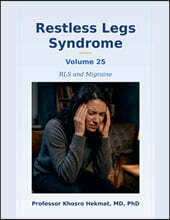
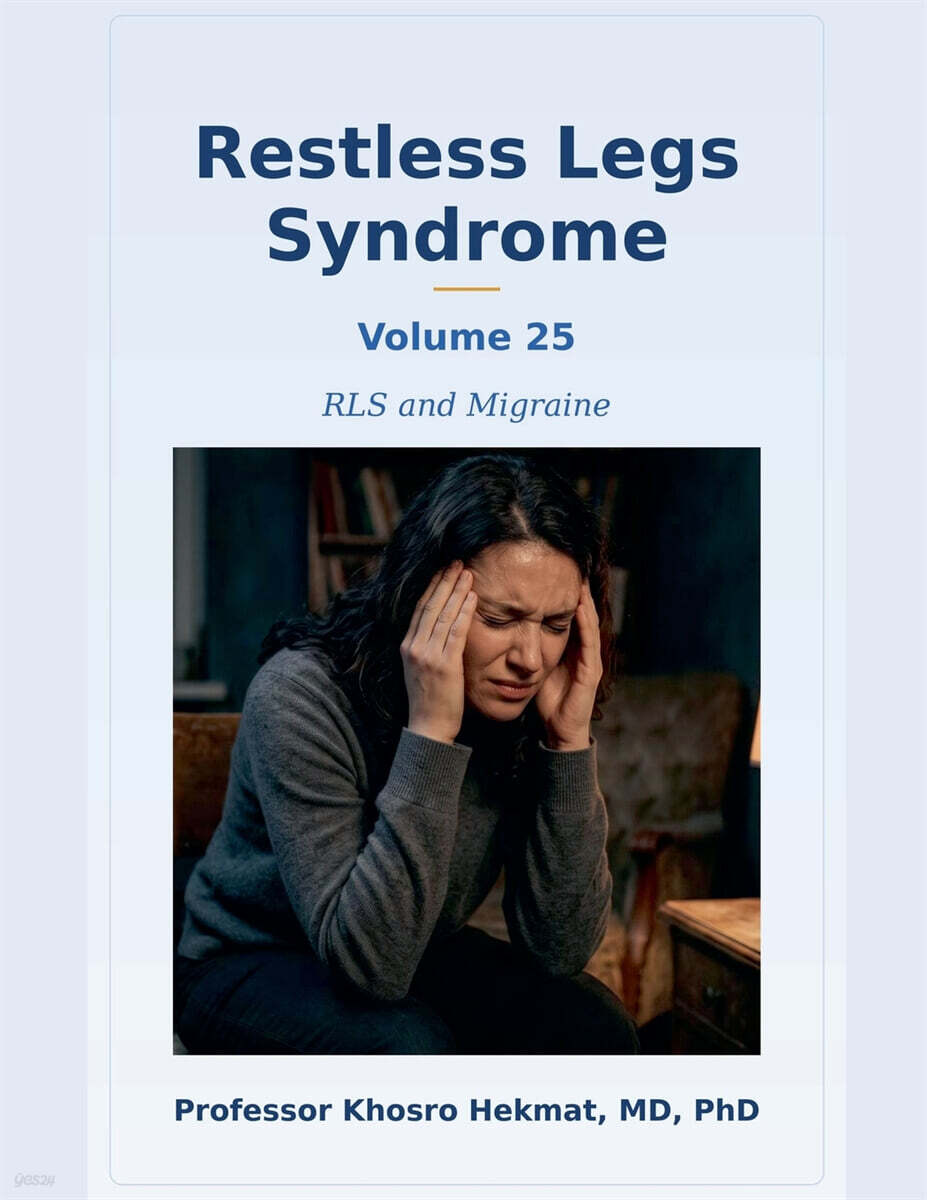
Two conditions that often occur together, and a trap in the emergency department.
"And then there are these legs." People with migraine often say it in passing, at the end of the appointment, after the headache diary and the list of drugs already tried. It sounds like a side issue. It is not. Both conditions have been associated with time-of-day patterns, although these patterns are not the same. Both affect women more often than men, both have a hereditary component and both are diagnosed primarily from the clinical history. Dopamine has been implicated in both, but its role and the effects of dopamine-targeting medicines differ.
This volume gives the figures in both directions and explains why they diverge so widely. Within one systematic review, case-control studies pooled to an odds ratio of 4.19 and cohort studies to 1.22: the design of a study largely predicts its result, so the book names the smaller figure first. In the largest single study, of 2,385 people with migraine and 332 headache-free controls, 16.9% compared with 8.7% met the criteria for RLS, and RLS symptoms were also more severe in those with migraine. In a Norwegian study of 1,560 nurses, RLS at the start predicted new migraine within three years, but insomnia predicted it about as strongly.
The book then examines the proposed links: dopamine, iron, increased sensitivity of pain processing, sleep, shared genes, vitamin D and magnesium. Iron deficiency is the best-established modifiable factor in RLS, while the role of iron in migraine itself has not been studied. Only for sleep is there evidence from both sides. It has not been established that either condition causes the other.
Some drugs given for nausea in a migraine attack block dopamine. In one published case, metoclopramide was followed within minutes of the infusion by acute RLS symptoms. In a study of 16,165 people on dialysis, four medication classes were associated with higher odds of an RLS diagnosis, but when only prescriptions issued before the diagnosis were counted, only the antidepressants remained associated with it. For that situation the book supplies a sentence for the emergency department.
It also looks at the other direction: RLS symptoms in the head, morning headaches with other causes such as sleep apnoea, and headache and augmentation with the drugs used for RLS. The series uses a ferritin concentration at or below 100 μg/l as the threshold for discussing iron treatment, with transferrin saturation always measured. At the end come the tests worth having, the tests that are not needed, and five sentences for the consultation.
WHAT IS IN THE BOOK- How common RLS is in people with migraine, and the other way round- Why the figures diverge so widely between studies- Aura, attack frequency, severity: does the kind of migraine matter?- Tension-type headache, and which comes first, the head or the legs- Dopamine, and why RLS is not Parkinson's disease- Iron as a factor that can be changed- Sleep as a link that can be addressed- Shared genes, vitamin D, magnesium and the other suspected bridges- When RLS symptoms appear in the head- Which migraine drugs can worsen RLS, and the sentence for the emergency department- Augmentation and headache: what the drugs for RLS can do- What may help with both at once, and what to bring to the consultation
WHO THIS BOOK IS FORFor people with migraine who cannot settle in the evening, for people with RLS and morning headaches, and for anyone who might need an emergency department during a migraine attack.
ABOUT THE SERIESVolume 25 of 52 in the book series on restless legs syndrome, part "RLS with Other Conditions". Every volume can be read on its own. The statements in this volume rest on 212 professional sources, each one listed individually in the reference section.
첫번째 리뷰어가 되어주세요.
첫번째 한줄평을 남겨주세요.
클린봇으로 착한 글만 확인해보세요!
클린봇이 부적절한 글을 감지 중입니다.
첫번째 별점을 남겨주세요.
첫번째 밑줄을 남겨주세요.