


직수입외서는 변심/착오로 인해 주문을 취소할 경우 해외주문 취소수수료 20%가 부과됩니다.?
이미 소장하고 있다면 판매해 보세요.
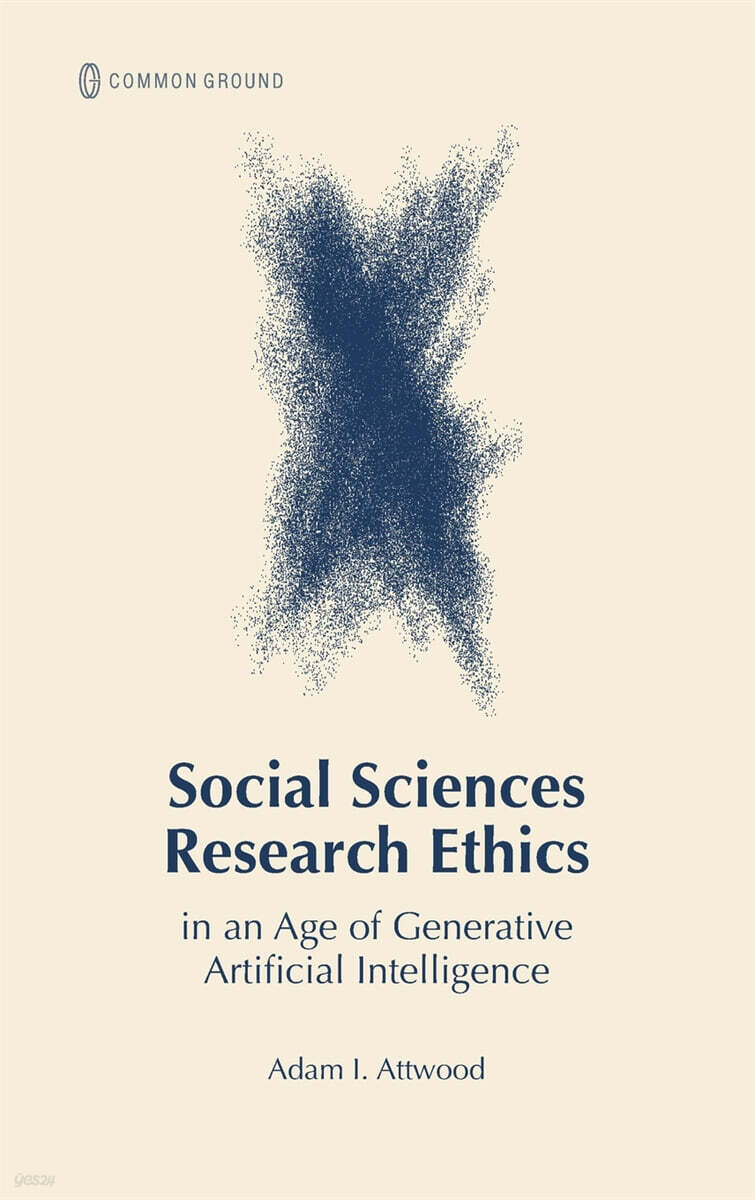
This book examines the ethical challenges posed by integrating generative AI (GenAI) technologies in social sciences research. The book surveys and explores how GenAI may revolutionize research methodologies and enhance data analysis while also raising critical ethical concerns that require thoughtful responses. It advocates for a balanced approach that recognizes GenAI's transformative potential while safeguarding the ethics integrity of social sciences research. The book spans various paradigms, including sociology, psychology, anthropology, and political science. It explores ethical dilemmas related to data privacy, informed consent, algorithmic bias, and the potential for AI-driven research to perpetuate social inequalities. John Dewey's philosophy of education, emphasizing reflective thinking, democratic engagement, and the pursuit of truth, frames the discussion. Dewey's ideas provide a foundation for examining how GenAI can enrich and complicate the research process. Paulo Freire's critical pedagogy, emphasizing participatory and emancipatory approaches to research ethics, informs the book's advocacy for ethical practices that prioritize the well-being of research participants and society. Explored is the evolving ethics landscape shaped by advancing GenAI technologies. As GenAI becomes embedded in research practices, it serves as a crucial resource for social scientists, ethicists, and policymakers. It provides insights into ethical considerations that must guide the responsible use of AI in research, ensuring that the pursuit of knowledge does not compromise ethical principles. The interdisciplinary approach and incorporation of Dewey's and Freire's philosophies offer a nuanced perspective that bridges theoretical concepts with practical applications.
첫번째 리뷰어가 되어주세요.
첫번째 한줄평을 남겨주세요.
클린봇으로 착한 글만 확인해보세요!
클린봇이 부적절한 글을 감지 중입니다.
첫번째 별점을 남겨주세요.
첫번째 밑줄을 남겨주세요.