
이미 소장하고 있다면 판매해 보세요.
- 국내배송만 가능
- 해외 거래처 사정에 의하여 품절/지연 가능
- 도서 정보 중 미표기 사항 안내?
- 문화비소득공제 가능
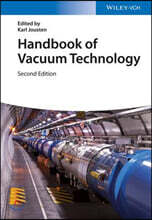
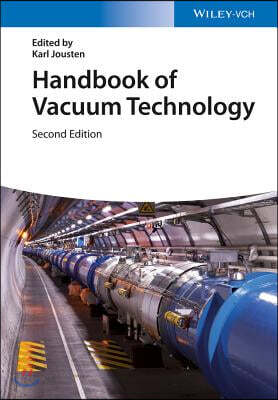
책소개
목차
|
Preface xxiii 1 The History of Vacuum Science and Vacuum Technology 1 References 16 Further Reading 17 2 Applications and Scope of Vacuum Technology 19 References 27 3 Gas Laws and Kinetic Theory of Gases 29 3.1 Description of the Gas State 29 3.2 Kinetic Theory of Gases 38 3.3 Transport Properties of Gases 50 3.4 Real Gases 65 3.5 Vapors 75 References 81 Comprehensive general treatments of the subject 82 4 Gas Flow 83 4.1 Types of Flows and Definitions 83 4.2 Inviscid Viscous Flow and Gas Dynamics 93 4.3 Frictional?Viscous Flow through a Tube 114 4.4 Molecular Flow under High-Vacuum and Ultrahigh-Vacuum Conditions 131 4.5 Flow throughout the Entire Pressure Range 151 4.6 Flow with Temperature Difference, Thermal Effusion, and Transpiration 158 4.7 Measuring Flow Conductances 162 References 166 Further Reading 166 5 Analytical and Numerical Calculations of Rarefied Gas Flows 167 5.1 Main Concepts 167 5.2 Methods of Calculations of Gas Flows 178 5.3 Velocity Slip and Temperature Jump Phenomena 181 5.4 Momentum and Heat Transfer Through Rarefied Gases 185 5.5 Flows Through Long Pipes 199 5.6 Flow Through an Orifice 218 5.7 Modeling of Holweck Pump 221 5.8 Appendix A 223 References 225 6 Sorption and Diffusion 229 6.1 Sorption Phenomena and the Consequences, Definitions, and Terminology 229 6.2 Adsorption and Desorption Kinetics 234 6.3 Absorption, Diffusion, and Outgassing 247 6.4 Permeation 254 References 256 Further Reading 256 7 Positive Displacement Pumps 259 7.1 Introduction and Overview 259 7.2 Oscillating Positive Displacement Pumps 262 7.3 Single-Shaft Rotating Positive Displacement Pumps 276 7.4 Twin-Spool Rotating Positive Displacement Pumps 305 7.5 Specific Properties of Oil-Sealed Positive Displacement Pumps 331 7.6 Basics of Positive Displacement Pumps 337 7.7 Operating and Safety Recommendations 345 7.8 Specific Accessories for Positive Displacement Pumps 350 References 356 Further Reading on Positive Displacement Pumps 359 8 Condensers 361 8.1 Condensation Processes Under Vacuum 361 8.2 Condenser Designs 370 8.3 Integrating Condensers into Vacuum Systems 376 8.4 Calculation Examples 380 References 382 9 Jet and Diffusion Pumps 383 9.1 Introduction and Overview 383 9.2 Liquid Jet Vacuum Pumps 385 9.3 Steam Jet Vacuum Pumps 387 9.4 Diffusion Pumps 396 9.5 Diffusion Pumps Versus Vapor Jet Pumps 415 References 417 10 Molecular and Turbomolecular Pumps 419 10.1 Introduction 419 10.2 Molecular Pumps 421 10.3 Molecular and Regenerative Drag Pump Combination 427 10.4 Physical Fundamentals of Turbomolecular Pump Stages 430 10.5 Turbomolecular Pumps 439 10.6 Performance Characteristics of Turbomolecular Pumps 450 10.7 Operation and Maintenance of Turbomolecular Pumps 455 10.8 Applications 457 References 460 11 Sorption Pumps 463 11.1 Introduction 463 11.2 Adsorption Pumps 464 11.3 Getter 472 11.4 Ion Getter Pumps 493 11.5 Orbitron Pumps 507 References 508 Further Reading 509 12 Cryotechnology and Cryopumps 511 12.1 Introduction 511 12.2 Methods of Refrigeration 512 12.3 Working Principles of Cryopumps 520 12.4 Design of Cryopumps 531 12.5 Characteristics of a Cryopump 547 12.6 Application Examples 555 References 562 13 Total Pressure Vacuum Gauges 565 13.1 Introduction 565 13.2 Mechanical Vacuum Gauges 566 13.3 Spinning Rotor Gauges (Gas-Friction Vacuum Gauges) 584 13.4 Direct Electric Pressure Measuring Transducers 593 13.5 Thermal Conductivity Vacuum Gauges 594 13.6 Thermal Mass Flowmeters 604 13.7 Ionization Gauges 607 13.8 Combined Vacuum Gauges 637 References 639 14 Partial Pressure Vacuum Gauges and Leak Detectors 643 14.1 Introduction 643 14.2 Partial Pressure Analysis by Mass Spectrometry 643 14.3 Partial Pressure Measurement Using Optical Methods 672 14.4 Leak Detectors 675 References 692 15 Calibrations and Standards 697 15.1 Introduction 697 15.2 Calibration of Vacuum Gauges 700 15.3 Calibrations of Residual Gas Analyzers 733 15.4 Calibration of Test Leaks 735 15.5 Standards for Determining Characteristics of Vacuum Pumps 738 References 742 16 Materials 747 16.1 Requirements and Overview of Materials 747 16.2 Materials for Vacuum Technology 749 16.3 Gas Permeability and Gas Emissions of Materials 763 References 774 Further Reading 775 17 Vacuum Components, Seals, and Joints 777 17.1 Introduction 777 17.2 Vacuum Hygiene 778 17.3 Joining Technologies in Vacuum Technology 781 17.4 Components 806 Abbreviations 839 References 840 18 Operating Vacuum Systems 843 18.1 Electronic Integration of Vacuum Systems 843 18.2 Calculation of Vacuum Systems 851 18.3 Pressure Control 859 18.4 Techniques for Operating Low-Vacuum Systems 860 18.5 Techniques for Operating Fine-Vacuum Systems 870 18.6 Techniques for Operating High-Vacuum Systems 879 18.7 Techniques for Operating Ultrahigh-Vacuum Systems 892 References 904 19 Methods of Leak Detection 907 19.1 Overview 907 19.2 Properties of Leaks 912 19.3 Overview of Leak-Detection Methods (See Also DIN EN 1779) 918 19.4 Leak Detection Using Helium Leak Detectors 925 19.5 Leak Detection with Other Tracer Gases 936 19.6 Industrial Tightness Testing of Mass-Production Components 937 References 942 Further Reading 942 Appendix 943 Index 1003 Directory of Products and Suppliers 1023 |
저자 소개
Karl Jousten is head of the section Vacuum Metrology at the Physikalisch-Technische Bundesanstalt (PTB), the German National Institute for Metrology. He obtained his masters and Ph.D. degree in physics from the University of Heidelberg. After working as a post-doc at the Max-Planck-Institute for Nuclear Physics in Heidelberg, at the Oregon Graduate Institute of Science and Technology in the United States, and finally at the Fritz-Haber-Institute in Berlin, he joined the vacuum group at PTB in Berlin in 1990 that he leads since 1992. He has authored many scientific articles in the field as well as contributions to textbooks and edits the German edition of this book, "Wutz Handbuch Vakuumtechnik". He is active in the field of national (DIN) and international (ISO) standardization in vacuum technology. From 2005 to 2008, Karl Jousten has served as President of the German Vacuum Society. Since 2005 he chairs the international working group for low and very low pressures of the respective committee (CCM) of the Meter Convention.
품목정보
- 발행일
- 2016년 07월 13일
- 쪽수, 무게, 크기
- 1050쪽 | 2087g | 175*252*53mm
- ISBN13
- 9783527413386
사락 별점0
혜택 및 유의사항밑줄0
혜택 및 유의사항상품정보안내
직수입외서의 경우, 해외거래처에서 제공하는 정보가 부족하여 제목, 표지, 가격, 유통상태 등의 정보가 미비하거나 변경되는 경우가 있습니다. 정확한 확인을 원하시는 경우, 일대일 상담으로 문의하여 주시면 답변 드리겠습니다.
(판형과 판수 등이 다양한 도서는 찾으시는 도서의 ISBN을 알려 주시면 보다 빠르고 정확한 안내가 가능합니다.)
해외거래처에서 품절인 경우, 2차 거래선을 통해 유럽과 미국 출판사로 직접 수입이 진행될 수 있습니다.
수입 진행 시점으로 부터 2~3주가 추가로 소요되며, 해외에서도 유통이 원활하지 않은 도서는 품절 안내가 지연될 수 있습니다.
해당 경우, 문자와 메일로 별도 안내를 드리고 있사오니 마이페이지에서 휴대전화번호와 메일주소를 다시 한번 확인해주시기 바랍니다.
(판형과 판수 등이 다양한 도서는 찾으시는 도서의 ISBN을 알려 주시면 보다 빠르고 정확한 안내가 가능합니다.)
해외거래처에서 품절인 경우, 2차 거래선을 통해 유럽과 미국 출판사로 직접 수입이 진행될 수 있습니다.
수입 진행 시점으로 부터 2~3주가 추가로 소요되며, 해외에서도 유통이 원활하지 않은 도서는 품절 안내가 지연될 수 있습니다.
해당 경우, 문자와 메일로 별도 안내를 드리고 있사오니 마이페이지에서 휴대전화번호와 메일주소를 다시 한번 확인해주시기 바랍니다.
331,990원
총 1개
331,990원
