


- 구매혜택
-
주문제작도서 / 변심 반품 불가
- POD (Publish On Demand) 주문제작도서 변심 반품 불가
이미 소장하고 있다면 판매해 보세요.
- 국내배송만 가능
- 해외 거래처 사정에 의하여 품절/지연 가능
- 도서 정보 중 미표기 사항 안내?
- 문화비소득공제 가능
책소개
저자 소개
Marko obtained his Master’s degree from University of Belgrade - Faculty of Law in 2014. He specialized in Criminal Law, Family Law and Environmental Law. He spent his Master year studying about international child abduction. He is currently employed in Ministry of Defense’s Legal Department
품목정보
- 발행일
- 2017년 01월 01일
- 쪽수, 무게, 크기
- 216쪽 | 크기확인중
- ISBN13
- 9781680957846
책 속으로
|
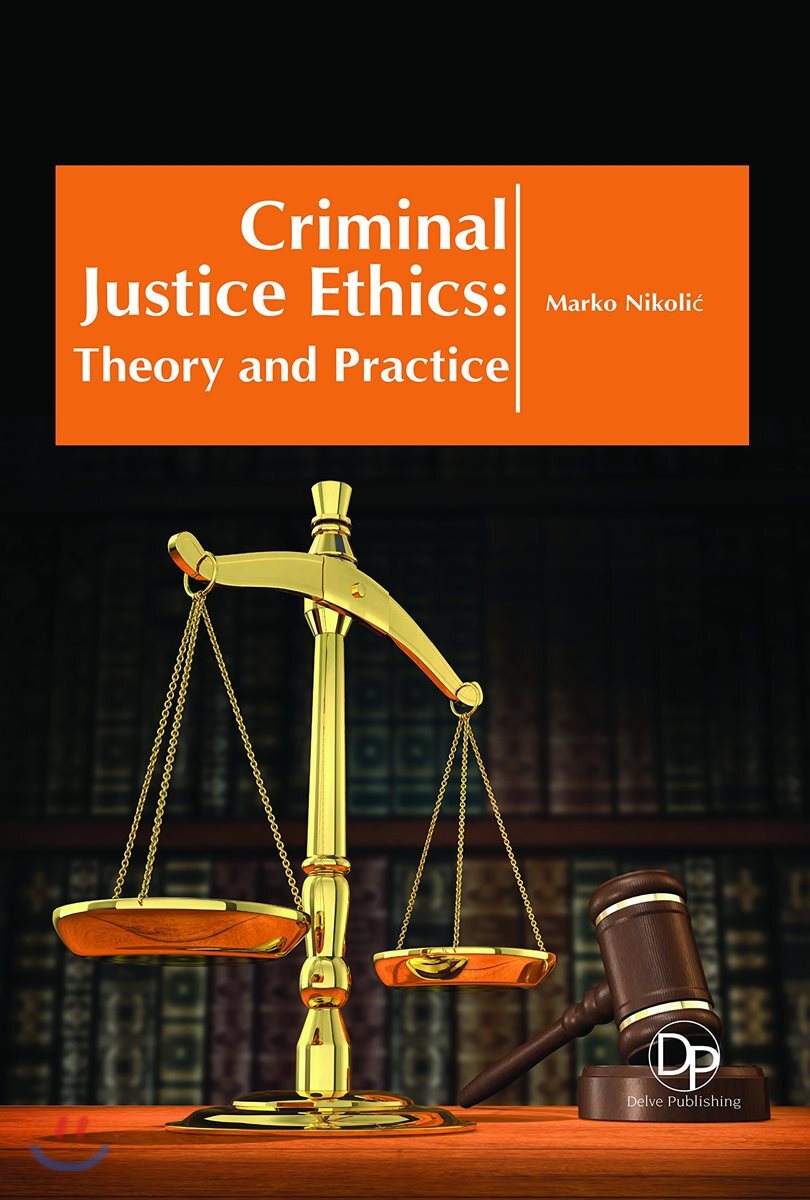
Ethics give us system of moral principles. Many people tend to equate ethics with their feelings. But being ethical is clearly not a matter of following one’s feelings. Being ethical is also not the same as following the law. Law is often opposite to what is ethical, as history showed us many times. Ethics refers to well-founded standards of right and wrong. Ethics is important for all participants in the legal system and for those who struggle for justice. Immoral person cannot apply the law because that person essentially does not understand it. But it is not so easy, great wisdom and objectivity is required so one would be able to say that he is an ethical and moral judge, even harder is when we are talking about whole legal system(s). In the beginning we will start from the foundation, and get acquainted with the most important ethical systems, from the Greek Virtue ethics to the modern Feminist ethics and Egoism on the other hand. Connection of Ethics and religion is also very important, and researcher needs to understand it well before entering the world of philosophy and moral. First next step is understanding the Natural law and Social Contract Theory and then we can start revealing the complex world of ethical and moral dilemmas. In Chapter 2. we will ask the question of what you will do when being endangered or hurt. Do you blame or do you forgive? Where to draw the line between vengeance and forgiveness, the two opposite worlds. We will try the ethic “outsider” viewpoint in Chapter 3. The ability to take this attitude will make many hidden facts obvious. We may in the future be able to predict the crime risk and stop growing victimization rates. Chapter 4. is here for us to stop and think for a while. Is enabling weapons to citizens and making it available while being concerned with crime rates ethical move of legal authorities? Community-oriented policing strategies and new approaches to ensure public safety are always welcome in aspiration to make moral society driven by moral principles. Because of this we are dealing with new approaches for the police but also considering for new rules and codes of ethics in Chapters 5-8. Constantly advancing civilization is entering new areas and new fields of operation. Are existing rules universal and sufficient? Culture of honor might be responsible for higher crime rates. Chapters 9 and 10 will be dealing with this theme. How is this correlating to what we know about crime and ethics so far? In any case, ethical norms must be seen on both sides of the bars. Of course we did not forget the third party involved in the process beside police and inmates- legal scientist. We will read more about the ethical side of their work in Chapters 11 and 12. We will separately address the greatest moral affliction of every system itself- systematic corruption. Corruption exists in every society, and under every system, incurable, but we must strive to find out which factors executes any influence on it. Whether a person would be harder to give in to corruption in a richer society? More religious? In that with stricter laws? Or commonly accepted state rules in the population? Chapter 14. shed some light on one more controversial subject. Although many will think that false confessions are happening only in movies, this is much more often phenomena. At least some percentage of these are people who are choosing to go to jail because of some moral reason, some personal ethic. Chapter 15 is not getting much easier, it deals with morality and drug abuse. While Chapter 16 will show that earlier discussed corruption is present in reach and poor parts of the world equally, only the forms are sometime different. Because inner principles are obviously not enough, or so it seems at the present, many countries are resorting to the real observer: body cameras worn by police officers. Following, article 19, is focusing mainly on police accountability, it is describing how entrenched democratic policing is in the countries of the region, and also highlights strategies to better solidify democratic policing in Commonwealth Pacific - Fiji, Kiribati, Nauru, Papua New Guinea, Samoa, Solomon Islands, Tonga, Tuvalu, and Vanuatu. We will finish with 3 Chapters about importance of understanding between police and communities and the most obvious examples of unethical behavior of police officers: police brutality and racially biased behavior. I hope that among the readers there will be future police officers who will always have moral laws on their mind as much as the written rules.
--Preface |
사락 별점0
혜택 및 유의사항밑줄0
혜택 및 유의사항상품정보안내
직수입외서의 경우, 해외거래처에서 제공하는 정보가 부족하여 제목, 표지, 가격, 유통상태 등의 정보가 미비하거나 변경되는 경우가 있습니다. 정확한 확인을 원하시는 경우, 일대일 상담으로 문의하여 주시면 답변 드리겠습니다.
(판형과 판수 등이 다양한 도서는 찾으시는 도서의 ISBN을 알려 주시면 보다 빠르고 정확한 안내가 가능합니다.)
해외거래처에서 품절인 경우, 2차 거래선을 통해 유럽과 미국 출판사로 직접 수입이 진행될 수 있습니다.
수입 진행 시점으로 부터 2~3주가 추가로 소요되며, 해외에서도 유통이 원활하지 않은 도서는 품절 안내가 지연될 수 있습니다.
해당 경우, 문자와 메일로 별도 안내를 드리고 있사오니 마이페이지에서 휴대전화번호와 메일주소를 다시 한번 확인해주시기 바랍니다.
