
- 구매혜택
-
주문제작도서 / 변심 반품 불가
- POD (Publish On Demand) 주문제작도서 변심 반품 불가
이미 소장하고 있다면 판매해 보세요.
- 국내배송만 가능
- 해외 거래처 사정에 의하여 품절/지연 가능
- 도서 정보 중 미표기 사항 안내?
- 문화비소득공제 가능
책소개
저자 소개
Jovan obtained his PhD in Computer Science from RMIT University in Melbourne, Australia in 2007. His research interests include big data, business intelligence and predictive analytics, data and information science, information retrieval, XML, web services and service-oriented architectures, and relational and NoSQL database systems. He has published over 30 journal and conference papers and he also serves as a journal and conference reviewer. He is currently working as a Dean and Associate Professor at European University in Skopje, Macedonia.
관련 분류
품목정보
- 발행일
- 2017년 01월 01일
- 쪽수, 무게, 크기
- 184쪽 | 크기확인중
- ISBN13
- 9781680958904
책 속으로
|
With the development of information technology, societies around the globe are increasingly faced with the need for computer literacy, specifically with the broader concept of information literacy, which is the basis for society’s technological advancement.
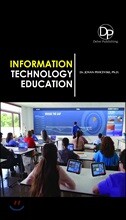
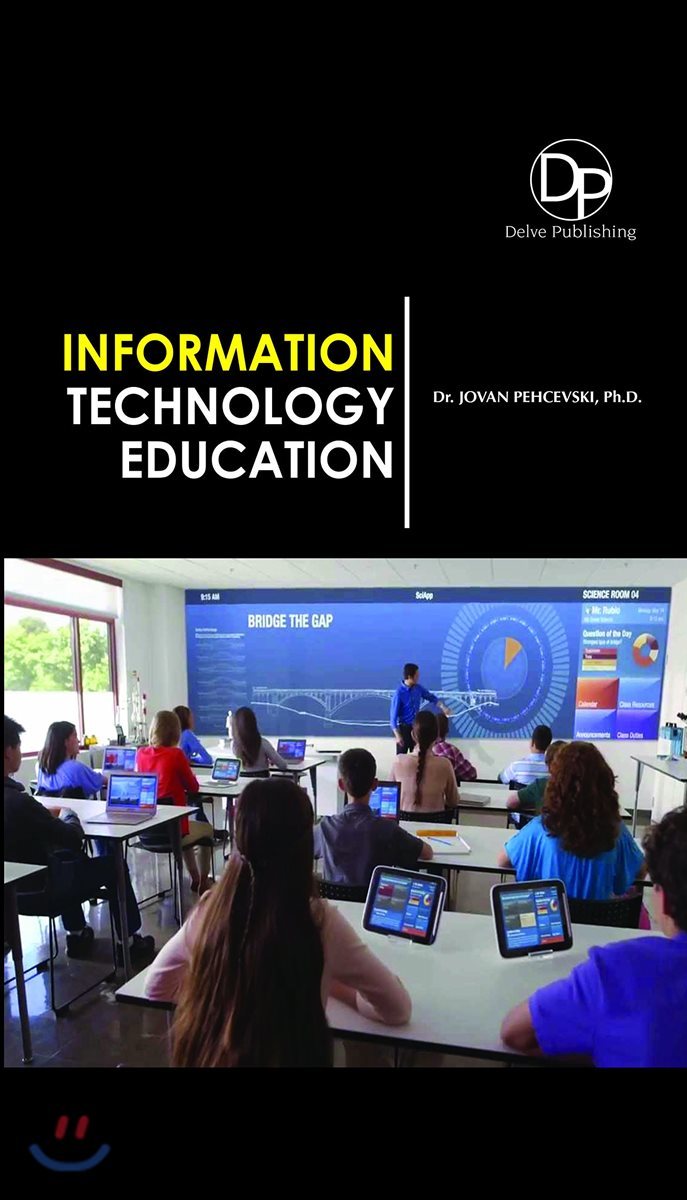
Computer literacy is defined as the ability to use computers and computer programs. Information literacy represents the need for information and having skills on how to find, evaluate and utilize the best and latest information that is available, in order to solve a specific problem or to adopt some decision. The sources of information may be found in books, magazines, computers, TV, or anything else. Nowadays, the internet has a special role as a source of information. Information literacy includes the ability to recognize the need for information, find the information, analyze and evaluate the information, use the information, and distribute it as appropriate. Basic computer knowledge and skills the IT students should possess continuously grow and improve because they follow the rapid development of the information and communication technology (ICT). Until a decade ago, this basic IT knowledge included the knowledge of computer configurations and the basic use of the operating system, main application programs for word processing, spreadsheets and creating presentations. Today, the basic skills and knowledge also include the internet and its services, especially e-mail communication and the use of the World Wide Web. In addition to the basic skills, IT students should also gain knowledge to publish online content using HTML, programming in different languages (Java, .NET etc.), front-end (CSS, scripting) and back-end web development (PHP, Ruby, Python etc.), database systems (SQL and NoSQL), as well as advanced web technologies (SOA, multi-tier systems, semantic web, etc.). This edition covers topics about IT learning with different tools, teaching aspects in the IT education, learning different topics in the IT, along with case studies from different world regions. Section 1 focuses on IT learning using different tools, describing ICT integrated learning using spreadsheets, teaching advanced programming concepts and techniques using the Zebra puzzle, using IMS LD specification for e-learning in the cloud computing, and using different models of engaging online students (such as MOOCs). Section 2 focuses on teaching aspects in the IT education, describing the pre-service teachers’ IT integration attitude and creative teaching behavior, interdisciplinary teaching in science-based technology school, faculty members’ ICT skills, pre-service teachers’ conclusive principles for teaching technology education, and instrument to search for competencies and abilities in IT. Section 3 focuses on learning different topics in the IT, describing creation of visualization teaching materials for data structures and algorithms, the hour of code or how to change students’ attitudes toward programming, an interactive software to teach foundational mathematical skills, learning by doing or how to develop a cross-platform web app, and experiences of using automated assessment in computer science courses. Section 4 focuses on case studies from different world regions, describing the ICT use in classrooms such as a South African case study, a review of usage, benefits and barriers of ICT education in Jordan, re-engineering university education as per the Nigerian experience, and various case studies concerning ICT-based inclusion into universities. --Preface |
리뷰/한줄평0
상품정보안내
직수입외서의 경우, 해외거래처에서 제공하는 정보가 부족하여 제목, 표지, 가격, 유통상태 등의 정보가 미비하거나 변경되는 경우가 있습니다. 정확한 확인을 원하시는 경우, 일대일 상담으로 문의하여 주시면 답변 드리겠습니다.
(판형과 판수 등이 다양한 도서는 찾으시는 도서의 ISBN을 알려 주시면 보다 빠르고 정확한 안내가 가능합니다.)
해외거래처에서 품절인 경우, 2차 거래선을 통해 유럽과 미국 출판사로 직접 수입이 진행될 수 있습니다.
수입 진행 시점으로 부터 2~3주가 추가로 소요되며, 해외에서도 유통이 원활하지 않은 도서는 품절 안내가 지연될 수 있습니다.
해당 경우, 문자와 메일로 별도 안내를 드리고 있사오니 마이페이지에서 휴대전화번호와 메일주소를 다시 한번 확인해주시기 바랍니다.
(판형과 판수 등이 다양한 도서는 찾으시는 도서의 ISBN을 알려 주시면 보다 빠르고 정확한 안내가 가능합니다.)
해외거래처에서 품절인 경우, 2차 거래선을 통해 유럽과 미국 출판사로 직접 수입이 진행될 수 있습니다.
수입 진행 시점으로 부터 2~3주가 추가로 소요되며, 해외에서도 유통이 원활하지 않은 도서는 품절 안내가 지연될 수 있습니다.
해당 경우, 문자와 메일로 별도 안내를 드리고 있사오니 마이페이지에서 휴대전화번호와 메일주소를 다시 한번 확인해주시기 바랍니다.