
이미 소장하고 있다면 판매해 보세요.
- 국내배송만 가능
- 문화비소득공제 가능
책소개
목차
|
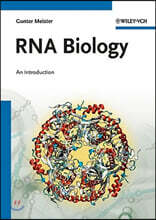
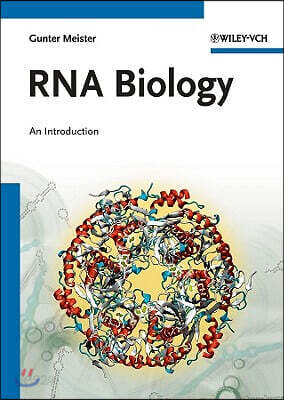
Preface xv Part One mRNA Biology 1 1 Introduction 3 1.1 RNA Building Blocks 4 1.2 RNA Folding 6 1.3 The RNA World Hypothesis 10 1.4 Functions of RNA 11 1.5 Protein Classes that are Required for RNA Function 12 1.5.1 RNA Binding Proteins 12 1.5.1.1 Proteins that Interact with Single Stranded RNAs 12 1.5.1.2 Proteins that Interact with Double Stranded RNAs 14 1.5.2 RNA Helicases 14 References 15 2 Transcription of Pre-mRNAs 17 2.1 Structure and Organization of Protein Coding Genes 18 2.2 Transcription of Mrnas by Rna Polymerase II 20 2.2.1 Transcriptional Initiation of Protein Coding Genes 23 2.2.2 Regulation of Transcriptional Initiation of Rna Polymerase II 27 2.2.3 Transition from Preinitiation to Initiation and Promoter Clearance 27 2.2.4 Productive Elongation of mRNA Transcripts 29 2.2.4.1 The Nucleotide Addition Cycle (NAC) 29 2.2.4.2 Protein Factors that Influence Pol II Elongation 30 2.3 Transcriptional Termination of Pre-mRNAs 31 2.4 Transcription is Coupled to Other mRNA Maturation Steps 32 2.5 Summary 34 References 35 3 Capping of the Pre-mRNA 5 0 End 37 3.1 m 7 G-cap Structure 37 3.2 mRNA Capping Enzymes 39 3.2.1 RNA Triphosphatase 39 3.2.2 Guanylyltransferase 39 3.2.3 Guanine-N7-Methyltransferase 40 3.3 5 0 Capping is Coupled to Transcription 41 3.4 5 0 Cap Binding Proteins 41 3.5 Summary 42 References 43 4 3 0 End Processing of Pre-mRNAs 45 4.1 Polyadenylation Signals 46 4.2 Proteins Involved in 3 0 End Processing of Pre-mRNAs 47 4.2.1 Cleavage and Polyadenylation Specific Factor (CPSF) 47 4.2.2 Cleavage Stimulation Factor (CstF) 47 4.2.3 Mammalian Cleavage Factor I (CFI m) and II (CFII m) 48 4.2.4 The Poly(A) Polymerase (PAP) 49 4.2.5 Poly(A)-Binding Protein (PABP) 50 4.2.6 Symplekin 51 4.3 3 0 End Processing is Tightly Linked to Transcriptional Termination 51 4.4 Alternative Polyadenylation 51 4.5 Cytoplasmic Polyadenylation 53 4.6 3 0 End Processing of Histone mRNAs 54 4.7 Summary 56 References 57 5 Splicing of Eukaryotic Pre-mRNAs 59 5.1 Group I, II and III Introns 59 5.1.1 Group I Introns 59 5.1.2 Group II Introns 61 5.1.3 Group III Introns 61 5.2 The Mechanism of pre-mRNA Splicing 61 5.3 The Spliceosome 62 5.4 The U12-Dependent Minor Spliceosome 66 5.5 Coupling of Splicing with Transcription and 5 0 Capping 67 5.6 Alternative Splicing and the Complexity of Genomes 68 5.6.1 Mechanisms of Exon Inclusion into the Mature mRNA 69 5.6.2 Mechanism of Exon Exclusion from the Mature mRNA 70 5.7 Summary 70 5.8 Questions 71 References 72 6 mRNA Export from the Nucleus to the Cytoplasm 73 6.1 Nuclear Import and Nuclear Export 73 6.2 mRNA Export Receptors 75 6.3 Adaptors that Bridge mRNAs with Export Receptors 78 6.4 Mechanism of mRNA Export 78 6.5 Coupling of mRNP Export to Other Steps of mRNA Maturation 80 6.6 Summary 80 6.7 Questions 81 References 81 7 Translation 83 7.1 Amino Acids, mRNAs, tRNAs 83 7.1.1 mRNA 83 7.1.2 Amino Acids 84 7.1.3 Transfer RNAs (tRNAs) 86 7.1.4 Loading Amino Acids onto tRNAs 87 7.2 The Ribosome 89 7.3 The Mechanisms of Translation 90 7.3.1 Translation Initiation 90 7.3.1.1 Eukaryotes 90 7.3.1.2 Bacteria 93 7.3.1.3 Archaea 96 7.3.1.4 Internal Ribosome Entry Sites (IRESs) 96 7.3.2 Elongation 97 7.3.2.1 Polyribosomes 97 7.3.3 Termination 99 7.3.4 Recycling of the Ribosome 100 7.4 Translational Regulation 100 7.4.1 Regulation of Translation Initiation 100 7.4.2 Regulation of Translation Elongation and Termination 103 7.5 Coupling Translation with Other mRNA Maturation and Quality Control Steps 103 7.6 Summary 104 7.7 Questions 105 References 106 8 Deadenylation of mRNA 107 8.1 Deadenylating Enzymes 107 8.1.1 Poly(A) Nuclease 107 8.1.2 CCR4-NOT Complex 108 8.1.3 Poly(A) Ribonuclease 108 8.1.4 Other Deadenylases 110 8.2 Summary 111 8.3 Questions 111 References 112 9 mRNA Decapping 113 9.1 Decapping Enzymes are the Core of the mRNA Decapping Machinery 113 9.2 Scavenger Decapping Enzyme DcpS 115 9.3 Regulation of mRNA Decapping 115 9.3.1 Inhibitors of Decapping 115 9.3.2 Enhancers of Decapping 116 9.4 Intracellular Localization of mRNA Decapping 117 9.5 Summary 118 9.6 Questions 119 References 119 10 mRNA Decay Pathways 121 10.1 Deadenylation-Dependent mRNA Decay 122 10.1.1 The 5 0 to 3 0 Exoribonuclease Xrn 1 122 10.1.2 The Exosome 122 10.1.2.1 Structural Organization of the Exosome 125 10.1.2.2 Mechanism of Exosome-Mediated RNA Degradation 125 10.1.2.3 Regulation of Exosome Activity 126 10.2 Deadenylation-Independent mRNA Decay 127 10.3 Endoribonuclease-Mediated mRNA Decay 128 10.3.1 Eukaryotic Endoribonucleases 129 10.4 Regulation of mRNA Decay 131 10.5 RNA Degradation in Bacteria 131 10.6 Summary 133 10.7 Questions 134 References 135 11 mRNA Quality Control 137 11.1 Nuclear mRNA Quality Control Mechanisms 137 11.1.1 MRNP Retention at the Transcription Site 138 11.1.2 MRNP Quality Control at the Nuclear Pore Complex 138 11.2 Nonsense-Mediated mRNA Decay (NMD) 138 11.2.1 Protein Factors Required for NMD 139 11.2.1.1 UPF Proteins 139 11.2.1.2 The Exon–Exon–Junction Complex (EJC) and Nmd 140 11.2.1.3 SMG Proteins and the Phosphorylation of UPF 1 141 11.2.2 Mechanism of NMD in Mammals 142 11.2.3 Cytoplasmic Processing Bodies and NMD 143 11.2.4 Mechanism of NMD in Yeast and Flies 144 11.2.5 mRNA Degradation Pathways in NMD 146 11.3 Other mRNA Quality Control Pathways 146 11.3.1 Non-Stop mRNA Degradation 146 11.3.2 No-Go mRNA Decay (NGD) 148 11.4 Summary 148 11.5 Questions 149 References 149 Part Two Non-Coding RNA Biology 151 12 Ribosomal RNAs and the Biogenesis of Ribosomes 153 12.1 Genomic Organization of Ribosomal RNA Genes 153 12.1.1 Bacteria and Archaea 153 12.1.2 Eukaryotes 155 12.1.2.1 28S, 18S and 5.8S rRNAs 155 12.1.2.2 5S rRNA 156 12.2 Transcription of Ribosomal RNA Genes 157 12.2.1 RNA Polymerase I 157 12.2.1.1 Initiation of Pol I Transcription 158 12.2.1.2 Promoter Clearance, Transcript Elongation and Termination of Pol I Transcription 160 12.2.1.3 Regulation of RNA Polymerase I Transcription 161 12.2.2 RNA Polymerase III and the Transcription of the 5S rRNA 162 12.2.2.1 Pol III Promoters 163 12.2.2.2 Transcription Initiation and Elongation of Rna Polymerase III 165 12.2.2.3 Initiation of Type 3 Promoters 167 12.2.2.4 Termination and Re-Initiation 168 12.3 Maturation of rRNAs 169 12.3.1 Small Nucleolar RNAs are Required for Pre-rRNA Processing 170 12.4 Assembly of Ribosomal Subunits 172 12.5 Nuclear Export of Ribosomal Subunits 174 12.6 Modification, Structure and Function of rRNAs 175 12.7 Summary 178 12.8 Questions 179 References 180 13 Transfer RNAs 183 13.1 Genomic Organization and Transcription of tRNA Genes 183 13.2 Processing to Mature tRNAs 184 13.2.1 5 0 Maturation of tRNAs by the RNase P Enzyme Complex 184 13.2.2 3 0 End Maturation of tRNAs 186 13.2.3 tRNA Splicing 188 13.3 tRNA Modifications 191 13.4 Nuclear Export of tRNAs 193 13.5 Tertiary Structure of tRNAs 194 13.6 Summary 196 References 197 14 The 7SL RNA and the Signal Recognition Particle 199 14.1 Architecture of the SRP 199 14.1.1 The SRP RNA 199 14.1.2 Protein Components of the SRP 201 14.1.2.1 Eukaryotes 201 14.1.2.2 Archaea and Bacteria 203 14.2 SRP-Mediated Protein Translocation 204 14.3 Summary 206 References 208 15 Regulation of Transcription: the 7SK Small Nuclear RNA 209 15.1 Architecture of the 7SK snRNA 209 15.1.1 The 7SK snRNA 209 15.1.2 Protein Components of the 7SK snRNP 210 15.2 The 7SK snRNP Functions as Transcriptional Regulator 212 15.2.1 P-TEFb Function in Transcription 212 15.2.2 Repression of P-TEFb by the 7SK snRNP 214 15.3 Other Small Non-Coding RNAs that Interfere with Transcription 214 15.3.1 The 6S RNA in Bacteria 214 15.3.2 Alu, B1 and B2 Non-Coding RNAs in Mammals 215 15.4 Summary 215 References 216 16 Small Nucleolar RNAs 217 16.1 Genomic Organization and snoRNA Transcription 217 16.2 Box H/ACA snoRNAs 218 16.3 Box C/D snoRNAs 221 16.4 Maturation of Functional snoRNPs 223 16.5 Orphan snoRNAs 224 16.6 The Telomerase RNP 226 16.7 Summary 227 References 228 17 Spliceosomal Small Nuclear RNAs 229 17.1 Transcription and Maturation of Spliceosomal snRNAs 229 17.1.1 Transcription of Spliceosomal snRNAs 229 17.1.2 snRNA Maturation 230 17.1.3 SnRNA Export to the Cytoplasm 231 17.2 The Structure of UsnRNPs 232 17.2.1 Secondary Structure of Spliceosomal snRNAs 232 17.2.2 Protein Composition of UsnRNPs 233 17.2.2.1 The Sm/LSm Core Structure 233 17.2.2.2 UsnRNP-Specific Proteins 235 17.3 Assembly of Spliceosomal snRNPs 237 17.3.1 Cytoplasmic Assembly of the Sm Core Domain 237 17.3.2 Formation of the Tri-Methyl Guanine Cap 240 17.3.3 Import of Assembled UsnRNPs into the Nucleus 241 17.4 Summary 242 17.5 Questions 243 References 244 18 Small Non-Coding RNAs and the Mechanism of Gene Silencing 245 18.1 Short Interfering RNAs and the Mechanism of RNA Interference 245 18.2 Dicer 248 18.3 RNA-Dependent RNA Polymerases 248 18.4 Argonaute Proteins 251 18.5 microRNAs and the Regulation of Gene Expression 251 18.5.1 MiRNA Biogenesis 251 18.5.2 Non-Canonical miRNA Biogenesis Pathways 253 18.5.3 miRNA Functions 255 18.5.3.1 miRNAs Can Act as siRNAs 255 18.5.3.2 miRNAs Inhibit Translation 255 18.5.3.3 miRNAs Induce Deadenylation and mRNA Decay 256 18.6 PiRNAs and the Regulation of Mobile Genetic Elements in the Germ Line 257 18.6.1 Transposons as Driving Force Behind Evolution 258 18.6.2 PiRNAs Control Transposon Expression 259 18.7 Small RNAs with Functions in Chromatin Regulation 261 18.8 The CRISPR System – A Bacterial and Archaeal Defense Mechanism 263 18.8.1 The CRISPR Locus 263 18.8.2 Acquisition of CRISPR-Mediated Resistance 264 18.8.3 Mechanism of CRISPR Activity 265 18.9 Summary 266 References 269 19 Long Non-Coding RNAs 271 19.1 The XIST Non-Coding RNA and X Chromosome Inactivation 271 19.1.1 The X-Chromosome Inactivation Center (XIC) 272 19.1.2 the Xist Non-coding Rna and the Mechanism of X Inactivation 272 19.1.3 Regulation of XIST Function 274 19.2 Dosage Compensation in Flies 275 19.3 Non-Coding RNAs and the Regulation of Imprinting 276 19.4 The Regulation of HOX Genes by Long Non-Coding RNAs 278 19.5 Long non-Coding RNAs are Common in Complex Genomes 278 19.6 Summary 278 References 280 20 RNA Editing 281 20.1 RNA Editing by U Insertions or Deletions 281 20.1.1 Mechanisms of U Insertions or Deletions 282 20.2 RNA Editing by Base Modification 283 20.2.1 c to U conversion 284 20.2.2 Adenine to Inosine Editing 286 20.2.2.1 Adenosine Deaminase Acting on RNA 287 20.2.2.2 Editing Site Selectivity 288 20.2.2.3 Biological Consequences of A to I Conversions 288 20.3 Summary 290 References 291 21 Ribozymes – Catalytic RNA Molecules 293 21.1 Identification of Catalytic RNAs 293 21.2 Mechanisms and Secondary Structures of Different Ribozymes 294 21.2.1 Group I Introns 294 21.2.2 RNase P 295 21.2.3 The Diels–Alderase Ribozyme 296 21.2.4 Hammerhead Ribozymes 298 21.2.5 The glmS Ribozyme 298 21.3 Summary 300 References 301 22 Riboswitches and RNA Sensors 303 22.1 Mechanisms of Riboswitch Function 303 22.2 Riboswitch Structures 305 22.3 RNA Thermometers 305 22.4 Summary 307 References 308 23 RNomics 309 23.1 ‘‘Omics’’ Approaches 309 23.2 Experimental RNA Profiling Strategies 310 23.2.1 Northern Blotting 310 23.2.2 Microarray 311 23.2.3 Quantitative PCR 313 23.2.4 RNA Fluorescent In Situ Hybridization 314 23.2.5 Next Generation Sequencing 314 23.3 RNA Biology and the Complexity of Genomes 315 23.4 Summary 315 References 318 Appendix: Answers to Questions 319 Index 355 |
저자 소개
Gunter Meister is the head of the department of biochemistry I of the University of Regensburg, Germany. He obtained his PhD degree from the University of Munich and the Max-Planck-Institute of Biochemistry, working on RNA-protein complexes. Thereafter, he joined the group of Tom Tuschl at the Rockefeller University in New York (USA), where he worked on RNA interference and small non-coding RNAs. After his postdoctoral time in New York, he went back to the Max-Planck-Institute of Biochemistry as independent group leader and head of the "RNA Biology" group. Gunter Meister has received an EMBO long-term fellowship as well as an Emmy Noether fellowship from the Deutsche Forschungsgemeinschaft. He was awarded the Max-Planck junior research award as well as the research award of the Engelhorn foundation.
품목정보
- 발행일
- 2011년 06월 07일
- 쪽수, 무게, 크기
- 380쪽 | 크기확인중
- ISBN13
- 9783527322787
사락 별점0
혜택 및 유의사항밑줄0
혜택 및 유의사항상품정보안내
직수입외서의 경우, 해외거래처에서 제공하는 정보가 부족하여 제목, 표지, 가격, 유통상태 등의 정보가 미비하거나 변경되는 경우가 있습니다. 정확한 확인을 원하시는 경우, 일대일 상담으로 문의하여 주시면 답변 드리겠습니다.
(판형과 판수 등이 다양한 도서는 찾으시는 도서의 ISBN을 알려 주시면 보다 빠르고 정확한 안내가 가능합니다.)
해외거래처에서 품절인 경우, 2차 거래선을 통해 유럽과 미국 출판사로 직접 수입이 진행될 수 있습니다.
수입 진행 시점으로 부터 2~3주가 추가로 소요되며, 해외에서도 유통이 원활하지 않은 도서는 품절 안내가 지연될 수 있습니다.
해당 경우, 문자와 메일로 별도 안내를 드리고 있사오니 마이페이지에서 휴대전화번호와 메일주소를 다시 한번 확인해주시기 바랍니다.
(판형과 판수 등이 다양한 도서는 찾으시는 도서의 ISBN을 알려 주시면 보다 빠르고 정확한 안내가 가능합니다.)
해외거래처에서 품절인 경우, 2차 거래선을 통해 유럽과 미국 출판사로 직접 수입이 진행될 수 있습니다.
수입 진행 시점으로 부터 2~3주가 추가로 소요되며, 해외에서도 유통이 원활하지 않은 도서는 품절 안내가 지연될 수 있습니다.
해당 경우, 문자와 메일로 별도 안내를 드리고 있사오니 마이페이지에서 휴대전화번호와 메일주소를 다시 한번 확인해주시기 바랍니다.
40,000원
총 1개
40,000원