

이미 소장하고 있다면 판매해 보세요.
- 국내배송만 가능
- 문화비소득공제 가능
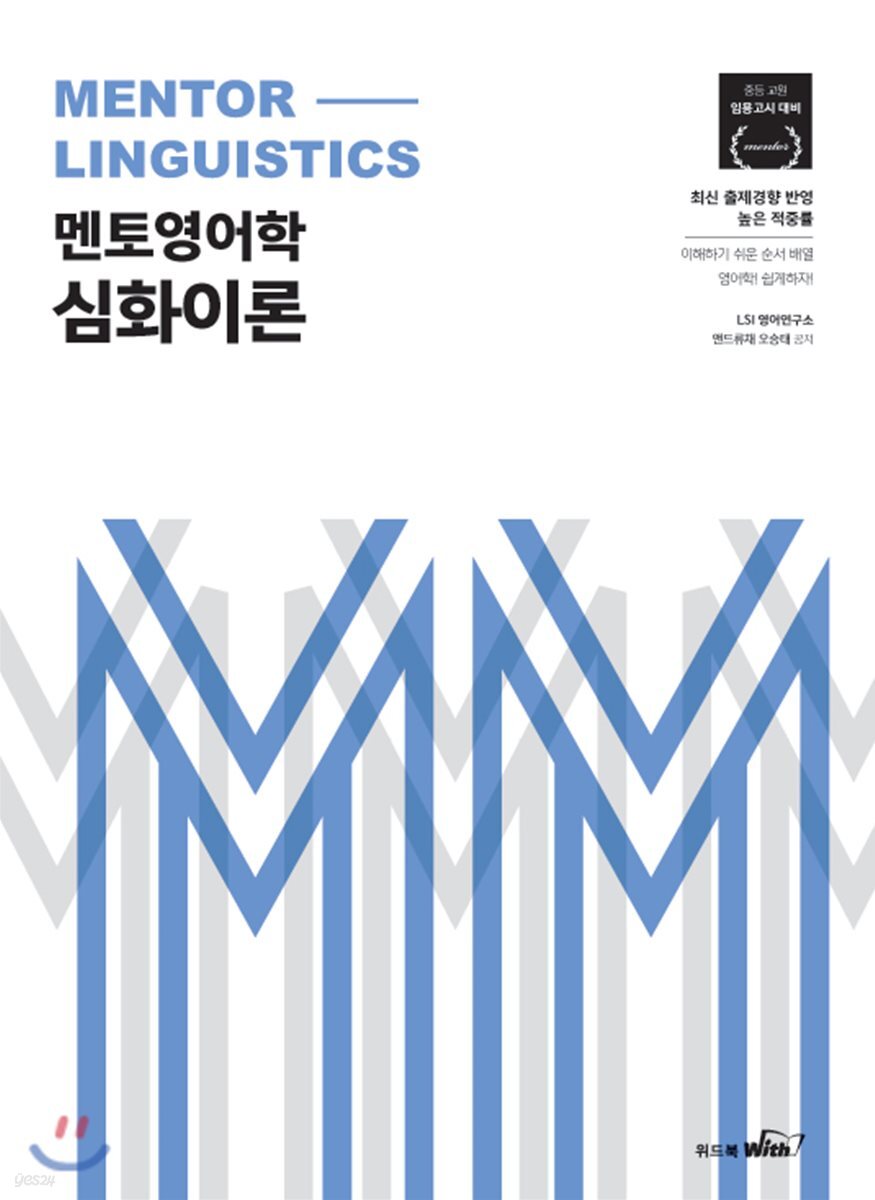
책소개
목차
|
Chapter 1 Syntax
7 Raising and Control Constructions?10 7.1. Raising and Control Predicates ··································································································· 10 7.2. Differences between Raising and Control Verbs ······································································· 11 8 Control Theory?18 8.1. Introduction ···································································································································· 18 8.2. Obligatory and Nonobligatory Control ························································································ 18 8.3. Restrictions on the Controller ······································································································ 20 9 Binding Theory?23 9.1. The Basic Concepts of Binding Theory ····················································································· 23 9.2. The Notions Coindex and Antecedent ······················································································· 24 9.3. Binding ··········································································································································· 25 9.4. Locality Conditions on the Binding of Anaphors ······································································· 27 9.5. The Distribution of Pronouns ······································································································· 28 9.6. The Distribution of R-Expressions ······························································································ 29 10 Case Theory?31 10.1. Morphological Case and Abstract Case ·················································································· 31 10.2. Complements: ACCUSATIVE [V and P as Case Assigners] ················································ 32 10.3. Subjects: NOMINATIVE and ACCUSATIVE ·············································································· 33 10.4. Exceptional Case-marking ······································································································ 35 10.5. Adjectives and Nouns: Of-insertion ························································································ 36 10.6. Adjacency and Case Assignment ··························································································· 38 10.7. Case and Passivization ·············································································································· 39 10.8. The Double Object Construction ······························································································· 41 10.9. Movement and Chains ··············································································································· 41 10.10. Summary ··································································································································· 42 11 Prepositional Verbs and Phrasal Verbs?44 11.1. Structural differences between prepositional verb and phrasal verb ·································· 44 12 Tough-Movement & Raising Sentences?52 12.1. Tough Movement Sentences ··································································································· 52 12.2. Subject Raising Sentences ········································································································ 53 12.3. Sentences That Look like Tough Movement or Subject Raising Structures ························· 55 13 Trace?57 13.1. WANNA Contraction ··················································································································· 57 13.2. HAVE Contraction ······················································································································· 58 14 Complementizers?60 14.1. Complementisers ······················································································································· 60 15 Ambiguity?62 15.1. Ambiguity ····································································································································· 62 15.2. Lexical and structural ambiguity ······························································································· 64 Chapter 2 Grammar 10 Multiword Verbs?70 10.2. PHRASAL VERBS ······················································································································· 70 10.3. PREPOSITIONAL VERBS ············································································································ 73 10.4. PHRASAL PREPOSITIONAL VERBS ·························································································· 73 10.5. The distinction between prepositional verbs and phrasal verbs ········································· 74 10.6. Type II prepositional verbs (Ditranstive): Passivization ··························································· 75 11 Adjectives?77 11.1. Ordering of adjectives in premodification ················································································· 77 11.2. Adjectives and participles ········································································································· 78 11.3. Semantic subclassification of adjectives ················································································· 79 11.4. The unmarked term in measure expressions ········································································ 80 12 Adverbials: The Grammatical Functions of Adverbials?82 12.1. Subjuncts ····································································································································· 82 12.2. Disjuncts ······································································································································ 84 13 Aspect?87 13.1. Introduction ·································································································································· 87 13.2. Four Basic Aspectual Classes ································································································· 87 13.3. Rules concerning Aspectual Adverbial Phrases ····································································· 89 13.4. In adverbials ······························································································································ 92 14 Pronoun?95 14.1. The reflexives ···························································································································· 95 14.2. Specific reference ····················································································································· 97 15 Focus?98 15.1. Dislocation ··································································································································· 98 15.2. Extraposition is not right dislocation ························································································· 99 15.3. Preposing and Postposing ······································································································ 100 Appendix Key Terms & Definition?104 Chapter 1 Phonetics and Phonology 6 Phonetics and Phonology?130 6.1. Prosody · · · · · · · ·130 6.2. Prosodic Features ·· 132 6.3. Stress: Introduction · · · · · · · · · · · · · · · · · · · · 132 6.4. Word Stress · · · · · · · · · · · 134 6.5. Sentence and Phrase Stress · · ·135 6.6. The Rhythm of English · · · · · · · · · · · · · · · · · · ·135 7 Syllables and Syllabification?140 7.1. Syllable Structure · · · · · · · · · · · · · · · · · · · · · · · · · · · · 140 7.2. Sonority · · · · · · · · · · · · · · · · · · · · · · · · · · · · · · · · · ·144 7.3. Syllabification · · · · · · · · · · · · · · · · · · · · · · · · · · · · · ·145 7.4. Syllable Weight and Ambisyllabicity · · · · · · · · · · · · · · · · · 146 8 Phonotactics?150 8.1. Single onsets · · · · · · · · · · · · · · · · · 151 8.2. Single Codas · · · · · · · · · · · · · · · · · · · · · · · · · · · · · · ·151 8.3. Double onsets · · · · · · · · · · · · · · · · · · · · · · · · · · · · · 152 8.4. Sonority Sequencing Principle (SSP) · · · · · · · · · · · · · · · · · 155 8.5. Triple onsets · · · · · · · · · · · · · · · · · · · · · · · · · · · · · 156 8.6. Double codas · · · · · · · · · · · · · · · · · · · · · · · · · · · · · 157 8.7. Triple codas · · · · · · · · · · · · · · · · · · · · · · · · · · · · · 161 9 General Stress Patterns?166 9.1. Noun and Adjective Stress · · · · · · · · · · · · · · · · · · · · 167 9.2. Verb Stress · · · · · · · · · · · · · · · · · · · · · · · · · · · · ·169 9.3. English Stress and Affixes · · · · · · · · · · · · · · · · · · · · ·172 9.4. Secondary Stress · · · · · · · · · · · · · · · · · · · · · · · · · · ·175 9.5. More on the Trochaic Metrical Foot · · · · · · · · · · · · · · ·176 9.6. Representing Metrical Structure · · · · · · · · · · · · · · · · · ·176 9.7. The Rhythm of English: Stress Timing and Eurhythmy · · · · · 178 10 Intonation?184 10.1. Intonation Patterns · · · · · · · · · · · · 185 10.2. Sentence Types and their Unmarked and Marked Intonation Patterns · ·191 Chapter 2 Morphology 3 Morphological Processes?200 3.1. Compounding · · · · · · · · · · 201 3.2. Back-Formation · · · · · · · ·203 3.3. Conversion, Function Shift, Zero Derivation · · · · ·204 3.4. Affixation · · · · · · · · · · · · · · · · · · · · · · · · · 205 3.5. Clipping · · · · · · · · · · · · · · · · · · · · · · · · · · 206 3.6. Blending · · · · · · · · · · · · · · · · · · · · · · · · · ·206 3.7. Acronym and Abbreviation · · · · · · · · · · · · · · · ·206 3.8. Word Coinage · · · · · · · · · · · · · · · · · · · · · · 207 4 Morphological Analysis?210 Chapter 3 Semantics 3 Lexical Semantics?214 3.1. Reference and Sense · · · · · · · · · · · · · · · ·215 3.2. Lexical Semantic Relations · · · · · · · · · · · · · · 215 3.3. Semantic Features · · · · · · · · · · · · · · · · · · · · ·221 3.4. Broadening and Narrowing of Meaning in Language Change · · ·224 3.5. Overextension and Underextension of Meaning in Language Acquisition · · · 225 4 Ambiguity?230 4.1. Lexical Ambiguity · · · · · · · · · · ·231 4.2. Structural Ambiguity · · · · · · · · · · · · · · · · 233 4.3. Referential Ambiguity · · · · · · · · · · · · · · · ·237 4.4. Scope Ambiguity · · · · · · · · · · · · · · · · 238 4.5. Transformationally Induced Ambiguity · · · · · 239 5 Noncompositional Meaning?241 5.1. Anomaly · · · · 241 5.2. Metaphor· · · · · · · · · · · · ·242 5.3. Idioms · · · · · · · · · · · · · · · · · · · · · · · 243 6 Event Semantics?247 6.1. Events and States · · · · ·247 6.2. Telic and Atelic · · · · · · · · · · · · · · ·248 Chapter 4 Pragmatics 3 Speech Acts?256 4 Discourse Analysis?263 4.1. Cohesion and Coherence · · · · · · · · · ·264 4.2. Background Knowledge: Schemata and Scripts · 266 Chapter 5 Sociolinguistics 2 Language in Use (2)?272 2.1. Taboo · · · · · · · · · · · · · · · · ·272 2.2. Euphemisms · · · · · · · · · · · · · · · · · · · · · ·273 |
저자 소개 1
현) LSI 영어연구소 연구위원, 박문각 임용 영어학 전임교수.
미국 Eastern Michigan University(English Linguistics) 학사 Magna Cum Laude(우수졸업), 미국 University of Illinois at Urbana-Champaign 석사중퇴.
앤드류 채의 다른 상품


품목정보
- 발행일
- 2018년 02월 28일
- 쪽수, 무게, 크기
- 280쪽 | 188*257*20mm
- ISBN13
- 9791161320557