
소득공제
청년패스
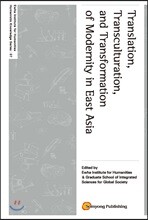
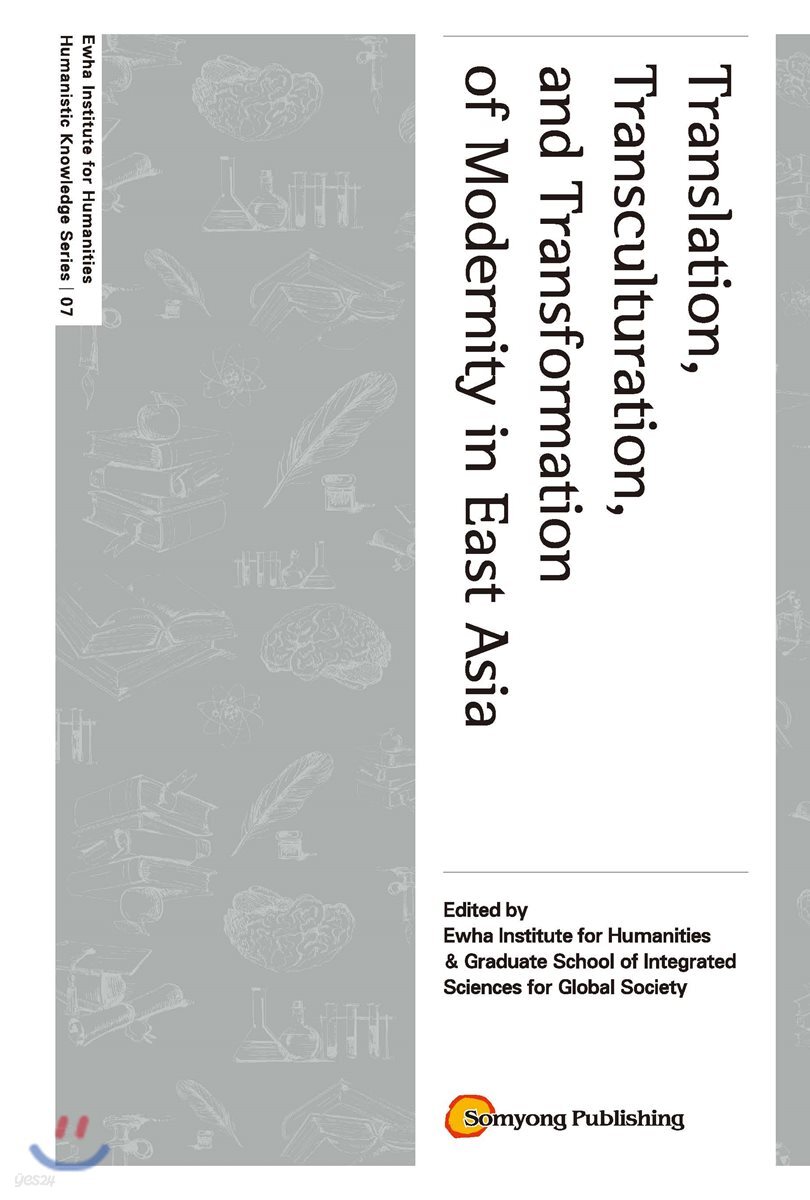
Translation, Transculturation, and Transformation of Modernity in East Asia
동아시아 모더니티의 번역, 총문화, 그리고 변형
양장
소명출판
2018.09.28.
- 이 책은 영문으로 구성된 도서입니다.
이미 소장하고 있다면 판매해 보세요.
- 국내배송만 가능
- 문화비소득공제 가능
이 상품의 태그
책소개
목차
|
Introduction
Review Chapter 1 : Translation of Modernity Towards a Transcultural Supernatural Poe’s “The Black Cat” and Western Gothic Tales in the Early Meiji Era Daniel J. Wyatt “Processing of Knowledge” and Translation in Modern Japan The case of “shin-kango” Noriko Matsunaga Reading Reality into the Fantasy of Kafka’s Metamorphosis Yeon-soo Kim Chapter 2 : Transculturation in East-Asia Another “Paris in the Orient” Overlapping Exoticism in Japanese Modernism around 1930 Tsuyoshi Namigata Study on Kim Kirim’s Surrealism and Modernism Jin-hee Kim The Nude in the Meiji Era Reception and Representation of the Female Body in Modern Japanese Literature Tsunehiko Matsumoto The Modern Publication of Pre-Modern Literature and Its Significance The Change of Intellectual Accreditation in Korea’s Enlightenment Era Sun-hee Kim The Afterlives of An Chungg?n in Republican-Era China From Sinocentric Appropriation to a Rupture in Nationalism Inhye Han Chapter 3 : Transformation of knowledge The Functional Role of One Thousand and One Nights As Amplified in the Discourse Of Some Prefer Nettles Elnoby Mohamed Acceptance of Socialism in Colonial Joseon and Sakae ?sugi Byeong-jin Kim Joseonjigwang and the Development of KAPF Literature Youn-ho Oh Human Rights Education in the Japanese Cultural Context Which Type of Rights Th eory Can Provide a Better Guide? Teruhisa Se Contributors |
품목정보
출판사 리뷰
|
Translation, Transculturation, and Transformation of Modernity in East Asia, edited by the Ewha Institute for Humanities of Ewha Womans University and the Graduate School of Integrated Sciences for Global Society of Kyushu University, contains the changes of knowledge field and the reconstructions of modernity in modern East Asian. Although oppositions and conflicts are increasing among peoples of different countries, ethnic cultures and languages, East Asia is the most critical region for living in harmony, pursuing coexistence and creating new knowledge in the 21st century. The book consists of three chapters; ‘Translation of modernity’, “Transculturation in East Asia” and “Transformation of knowledge”. This book reconsiders the cultural implications and knowledge value of the East Asian modern age through the knowledge discourses of the 21st century, to materializes concretely East Asian modernity which traversed the 20th century and is heading towards the 21st century. It is attempted to promote the creation of new historic relationships, academic exchange, and knowledge discourses of the 21st century from the traditional historic relationships and knowledge discourses based on the fundamental question of ‘What is East Asian knowledge?’
|
사락 별점0
혜택 및 유의사항밑줄0
혜택 및 유의사항
28,500원
총 1개
28,500원