
소개
품목정보
- 발행일
- 2018년 10월 09일
- 이용안내
-
- 배송 없이 구매 후 바로 읽기
- 이용기간 제한없음
- TTS 불가능
- 저작권 보호를 위해 인쇄 기능 제공 안함
- 지원기기
- 크레마,PC(윈도우 - 4K 모니터 미지원),아이폰,아이패드,안드로이드폰,안드로이드패드,PC(Mac)
- 파일/용량
- EPUB(DRM) | 158.68MB ?
- ISBN13
- 9781683690757
출판사 리뷰
|
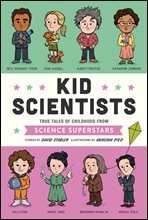
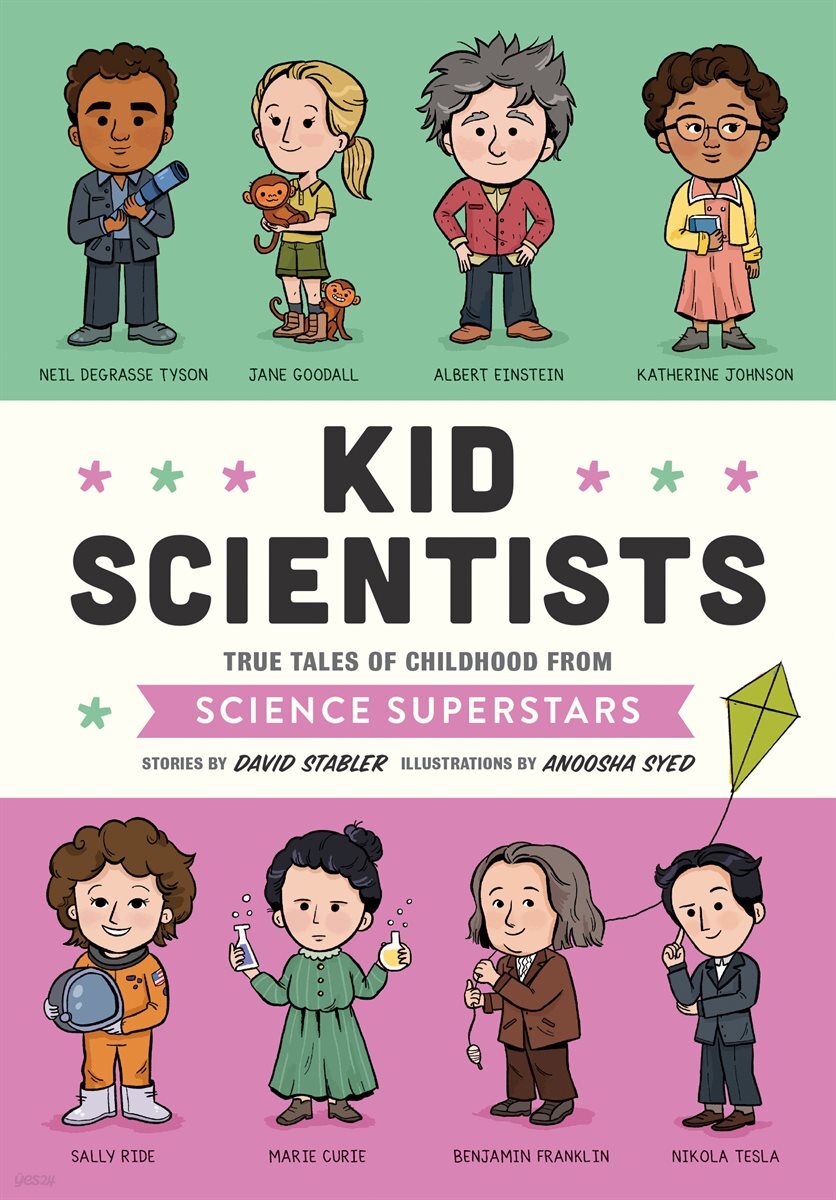
Neil deGrasse Tyson
One starry night, in the autumn of 1957, the life of?nine-year-old Neil deGrasse Tyson’ changed forever.?In the middle of a vast, domed amphitheater, the house?lights dimmed and a booming voice announced: "We are now in the universe, and here are the stars." ? ? ?Comets streaked. Planets whirled. The moon waxed?and the constellations appeared. A meteor vaporized,?leaving a glowing trail in its wake. Seated in the dark,?Neil was transfixed by a celestial light show the likes of?which he had never seen. ? ? ?This was Neil’s first visit to a planetarium?the?Hayden Planetarium in New York City?and his first?encounter with the wonders of astronomy, the science?of observing the sky. ? ? ?When the lights rose, Neil realized that what he?had just seen was only an amazing simulation projected?onto the theater’s dome. Nevertheless, Neil’s interest?had been piqued, and his imagination fired. He decided?then and there that he wanted to follow the stars for the?rest of his life. ? ? ?“The study of the universe would be my career,” he?said later, “and no force on Earth would stop me.” From?then on, whenever someone asked Neil what he wanted?to be when he grew up, he proudly answered: "I'm going to be an astrophysicist!" ? ? ?What seemed like a journey of a thousand light?years was in fact just a short ride on a subway. Neil?grew up in New York City, not far from the Hayden?Planetarium, in the Castle Hill neighborhood of the?Bronx. Later, he lived in Riverdale, in the fittingly?named Skyview Apartments. Neil was the second of?three children. Both his parents worked for the U.S.?government. ? ? ?Neil attended public school in New York City, and?he did not distinguish himself in the classroom. One?teacher complained on his report card that Neil should?spend less time socializing and more time studying.?“Your son laughs too loud,” another remarked to Neil’s?mother during a parent-teacher conference. ? ? ?But there was one teacher who saw potential in the?young boy. She knew that Neil was interested in the?stars and planets. So when she saw a newspaper ad for?an astronomy class at the Hayden Planetarium, she cut?it out and gave it to him. ? ? ?The visit to the planetarium left Neil feeling that the?universe was calling him to study it. But he still didn’t?know how. Then, one day, a friend named Phillip lent?him a pair of binoculars. ? ? ?“What am I supposed to do with these?” Neil wondered.?“Look in people’s windows?” ? ? ?“No, silly,” Phillip said. “Look up!” ? ? ?And when Neil did, he saw a whole new world of?wonder. That night, he used the binoculars to gaze up?at the moon, mesmerized by the giant craters on its?surface. Magnified by the binoculars, the moon was no?longer just a circle in the sky?it was another world?waiting to be explored. ? ? ?Then, when Neil was eleven years old, his parents?gave him his first telescope. It was small, but it seemed?infinitely more powerful than the binoculars. Now Neil?could see way past the moon to the planets beyond.?Even far-off Saturn, whose majestic rings Neil had read?about, seemed as close and as clear as his own outstretched?hand. ? ? ?Neil could not get enough of his new hobby. In fact,?his fascination with the universe soon outgrew the?power of his beginner’s telescope. He needed a larger?instrument. But that would cost money, and his parents?were not very wealthy. ? ? ?Determined to have a more powerful telescope,?Neil started a dog-walking service in his apartment?building. In time, he had earned about half the money?he needed, so his parents chipped in the rest. ? ? ?Neil’s new telescope was a thing of beauty: a fivefoot-?long tube that “looked like a cross between an?artillery cannon and a grenade launcher,” as Neil once?described it. It came with a long extension cord that had?to be plugged into an electrical outlet. Neil also bought?a high-tech camera so he could take photographs of the?things he saw in the sky. ? ? ?One night, Neil brought his new telescope up to the?tar-covered roof of his building to test it out. A dentist?who lived a few floors below let Neil plug in the cord?inside his apartment. But a kid dragging around telescopes?and cameras is bound to arouse suspicion. Another?neighbor saw him, thought he was a burglar, and called?the police. ? ? ?Two officers quickly arrived and climbed up to the?roof to make sure Neil wasn’t up to no good. Neil?assured them that his expedition was all in the interest?of science. He encouraged the officers to peer through?his telescope while he told them facts about the planets: Aren't Saturn's rings amazing? ? ? ?The officers had to agree. It really was pretty amazing.?Neil continued with his astronomical investigations?for the next several years, eventually earning admission?to the prestigious Bronx High School of Science.?The summer he turned fifteen, Neil signed up for “space?camp” at the Hayden Planetarium, where his adventure?had begun. For the next month, Neil studied the stars?and talked to scientists about the universe. ? ? ?He also took a class with the planetarium’s director,?Mark Chartrand III, who became his first role model.?Dr. Chartrand had a way of using humorous examples to?make complex scientific ideas understandable to everyone.?Neil received a certificate for completing the course,?signed by Dr. Chartrand, which he still has to this day. ? ? ?On returning home from camp, Neil was asked to?give a talk to fifty adults. He told the audience all about?what he’d learned at the planetarium. The sponsors of?the talk paid Neil $50?more money than he had ever?earned in a single day. “That’s one hundred dog walks!”?Neil marveled, thinking back to his old job. ? ? ?Neil’s presentation was so poised and polished that?other astrophysicists started to take notice of him. Carl?Sagan, a renowned astrophysicist and host of the TV show?Cosmos, wrote a letter asking Neil to consider enrolling at?Cornell University, where Sagan taught. Neil was highly?impressed by Professor Sagan, whose shows and books?made things like quarks and black holes sound as cool as?comic books and video games. ? ? ?In the end, Neil declined Professor Sagan’s offer?and decided to attend Harvard University. But their?connection would one day be renewed. In 2015, several?years after Carl Sagan died and Neil had succeeded him?as America’s best-known astrophysicist, TV producers?asked Neil to host a new series of Cosmos programs. ? ? ?In 1996, Neil returned to the place where his love?for astrophysics began?the Hayden Planetarium?but?now he was its director, a job he still has today. Neil?revived Dr. Chartrand’s tradition of presenting every?astronomy student with a graduation-style diploma. He?signed each one, as a way of honoring the scientists who?came before him. ? ? ?Like Dr. Chartrand and Professor Sagan, Neil uses?humor and plain language to convey his enthusiasm?for the science of astrophysics. That common touch has?helped make Neil deGrasse Tyson one of the most?popular and respected scientists in the world. |