이미 소장하고 있다면 판매해 보세요.
- 국내배송만 가능
- 문화비소득공제 가능
이 상품의 태그














책소개
목차
|
Preface xiii
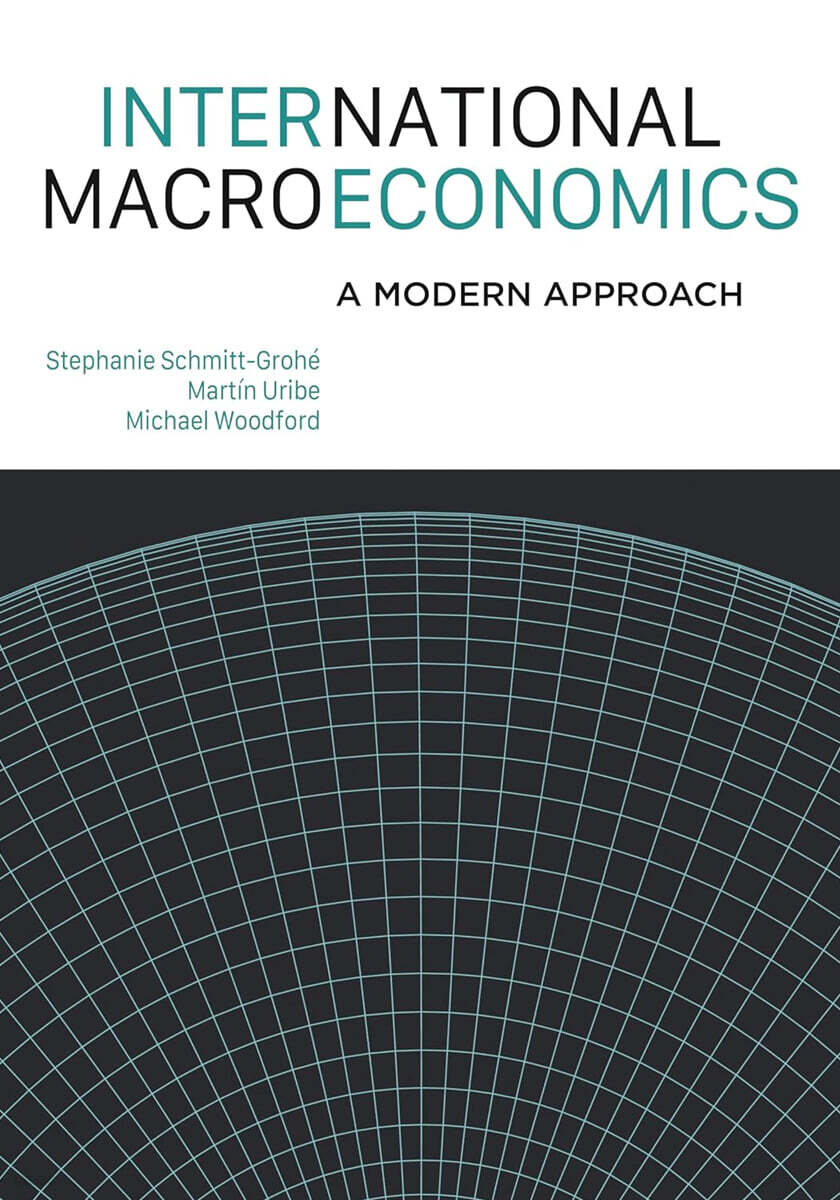
Chapter 1 Global Imbalances 1 1.1 The Balance of Payments 3 1.2 The Trade Balance and the Current Account 6 1.3 The Trade Balance and the Current Account across Countries 8 1.4 Imbalances in U.S. Trade with China 10 1.5 The Current Account and the Net International Investment Position 12 1.6 Valuation Changes and the Net International Investment Position 13 1.6.1 Examples of Valuation Changes 14 1.6.2 Valuation Changes in the United States 14 1.6.3 A Hypothetical NIIP That Excludes Valuation Changes 17 1.7 The NIIP- Nil Paradox 19 1.7.1 Dark Matter 19 1.7.2 Return Differentials 21 1.7.3 The Flip Side of the NIIP-NII Paradox 22 1.8 Summing Up 23 1.9 Exercises 24 Part I Determinants of the Current Account 31 Chapter 2 Current Account Sustainability 33 2.1 Can a Country Run a Perpetual Trade Balance Deficit? 33 2.2 Can a Country Run a Perpetual Current Account Deficit? 35 2.3 Saving, Investment, and the Current Account 36 2.3.1 The Current Account as the Gap between Saving and Investment 36 2.3.2 The Current Account as the Gap between National Income and Domestic Absorption 38 2.4 Appendix: Perpetual Trade Balance and Current Account Deficits in Infinite Horizon Economies 38 2.5 Summing Up 41 2.6 Exercises 42 Chapter 3 An Intertemporal Theory of the Current Account 44 3.1 The Intertemporal Budget Constraint 45 3.2 The Lifetime Utility Function 47 3.3 The Optima! Intertemporal Allocation of Consumption 50 3.4 The Interest Rate Parity Condition 52 3.5 Equilibrium in the Small Open Economy 53 3.6 The Trade Balance and the Current Account 55 3.7 Adjustment to Temporary and Permanent Output Shocks 56 3.7.1 Adjustment to Temporary Output Shocks 56 3.7.2 Adjustment to Permanent Output Shocks 58 3.8 Anticipated Income Shocks 59 3.9 An Economy with Logarithmic Preferences 61 3.10 Summing Up 62 3.11 Exercises 63 Chapter 4 Terms of Trade, the World Interest Rate, Tariffs, and the Current Account 68 4.1 Terms of Trade Shocks 69 4.2 Terms of Trade Shocks and Imperfect Information 70 4.3 Imperfect Information, the Price of Copper, and the Chilean Current Account 71 4.4 World Interest Rate Shocks 72 4.5 Import Tariffs 75 4.5.1 A Temporary Increase in Import Tariffs 77 4.5.2 A Permanent increase in Import Tariffs 79 4.5.3 An Anticipated Future Increase in Import Tariffs 80 4.6 Summing Up 80 4.7 Exercises 81 Chapter 5 Current Account Determination in a Production Economy 87 5.1 The Investment Decision of Firms 87 5.2 The Investment Schedule 93 5.2.1 The Profit Function 93 5.3 The Consumption-Saving Decision of Households 96 5.3.1 Effect of a Temporary Increase in Productivity on Consumption 98 5.3.2 Effect of an Anticipated Future Productivity Increase on Consumption 99 5.3.3 Effect of an Increase in the Interest Rate on Consumption 101 5.4 The Saving Schedule 102 5.5 The Current Account Schedule 104 5.6 Equilibrium in the Production Economy 106 5.6.1 Adjustment of the Current Account to Changes in the World interest Rate 107 5.6.2 Adjustment of the Current Account to a Temporary Increase in Productivity 108 5.6.3 Adjustment of the Current Account to an Anticipated Future Productivity Increase 109 5.7 Equilibrium in the Production Economy: An Algebraic Approach 110 5.7.1 Adjustment to an Increase in the World Interest Rate 114 5.7.2 Adjustment to a Temporary Increase in Productivity 114 5.7.3 Adjustment to an Anticipated Future Increase in Productivity 115 5.8 The Terms of Trade in the Production Economy 115 5.9 An Application: Giant Oil Discoveries 117 5.10 Summing Up 119 5.11 Exercises 120 Chapter 6 Uncertainty and the Current Account 124 6.1 The Great Moderation 124 6.2 Causes of the Great Moderation 125 6.3 The Great Moderation and the Emergence of Current Account Imbalances 126 6.4 An Open Economy with Uncertainty 126 6.5 Complete Asset Markets and the Current Account 131 6.5.1 State Contingent Claims 131 6.5.2 The Household's Problem 132 6.5.3 Free Capital Mobility 133 6.5.4 Equilibrium in the Complete Asset Market Economy 134 6.6 Summing Up 135 6.7 Exercises 136 Chapter 7 Large Open Economies 141 7.1 A Two-Country Economy 141 7.2 An Investment Surge in the United States 143 7.3 Microfoundations of the Two-Country Model 145 7.4 International Transmission of Country-Specific Shocks 148 7.5 Country Size and the International Transmission Mechanism 149 7.6 Explaining the U.S. Current Account Deficit: The Global Saving Glut Hypothesis 151 7.6.1 Two Competing Hypotheses 151 7.6.2 The Made in the U.S.A. Hypothesis Strikes Back 153 7.7 Summing Up 154 7.8 Exercises 155 Chapter 8 The Twin Deficits: Fiscal Deficits and the Current Account 160 8.1 An Open Economy with a Government Sector 160 8.1.1 The Government 161 8.1.2 Firms 162 8.1.3 Households 163 8.2 Ricardian Equivalence 165 8.3 Government Spending and Twin Deficits 168 8.4 Failure of Ricardian Equivalence: Tax Cuts and Twin Deficits 169 8.4.1 Borrowing Constraints 170 8.4.2 Intergenerational Effects 172 8.4.3 Distortionary Taxation 172 8.5 The Optimality of Twin Deficits 175 8.6 Fiscal Policy in Economies with Imperfect Capital Mobility 178 8.7 Fiscal Policy in a Large Open Economy 181 8.8 Summing Up 183 8.9 Exercises 184 Part II The Real Exchange Rate 191 Chapter 9 The Real Exchange Rate and Purchasing Power Parity 193 9.1 The Law of One Price 193 9.2 Purchasing Power Parity 198 9.3 PPP Exchange Rates 201 9.3.1 Big Mac PPP Exchange Rates 201 9.3.2 PPP Exchange Rates for Baskets of Goods 202 9.3.3 PPP Exchange Rates and Standard of Living Comparisons 202 9.3.4 Rich Countries Are More Expensive Than Poor Countries 205 9.4 Relative Purchasing Power Parity 206 9.4.1 Does Relative PPP Hold in the Long Run? 207 9.4.2 Does Relative PPP Hold in the Short Run? 210 9.5 How Wide Is the Border? 210 9.6 Nontradable Goods and Deviations from Purchasing Power Parity 213 9.7 Trade Barriers and Real Exchange Rates 215 9.8 Home Bias and the Real Exchange Rate 216 9.9 Price Indices and Standards of Living 217 9.9.1 Microfoundations of the Price Level 218 9.9.2 The Price Level, income, and Welfare 220 9.10 Summing Up 221 9.11 Exercises 222 Chapter 10 Determinants of the Real Exchange Rate 227 10.1 The TNT Model 228 10.1.1 Households 228 10.1.2 Equilibrium 231 10.1.3 Adjustment of the Relative Price of Nontradables to Interest Rate and Endowment Shocks 232 10.2 From the Relative Price of Nontradables to the Real Exchange Rate 235 10.3 The Terms of Trade and the Real Exchange Rate 236 10.4 Sudden Stops 238 10.4.1 A Sudden Stop through the Lens of the TNT Model 238 10.4.2 The Argentine Sudden Stop of 2001 240 10.4.3 The Icelandic Sudden Stop of 2008 242 10.5 The TNT Model with Sectoral Production 243 10.5.1 The Production Possibility Frontier 244 10.5.2 The PPF and the Real Exchange Rate 247 10.5.3 The Income Expansion Path 249 10.5.4 Partial Equilibrium 251 10.5.5 General Equilibrium 255 10.5.6 Sudden Stops and Sectoral Reallocations 257 10.6 Productivity Differentials and Real Exchange Rates: The Balassa-Samuelson Model 259 10.7 Summing Up 263 10.8 Exercises 264 Part III International Capital Mobility 273 Chapter 11 International Capital Market Integration 275 11.1 Covered Interest Rate Parity 276 11.2 Covered Interest Rate Differentials in China: 1998-2021 278 11.3 Capital Controls and Interest Rate Differentials: Brazil 2009-2012 279 11.4 Empirical Evidence on Covered Interest Rate Differentials: A Long-Run Perspective 281 11.5 Empirical Evidence on Offshore-Onshore Interest Rate Differentials 283 11.6 Uncovered Interest Rate Parity 285 11.6.1 Asset Pricing in an Open Economy 285 11.6.2 CIP as an Equilibrium Condition 288 11.6.3 Is UIP an Equilibrium Condition? 288 11.6.4 Carry Trade as a Test of UIP 290 11.6.5 The Forward Premium Puzzle 291 11.7 Real Interest Rate Parity 292 11.8 Saving-Investment Correlations 294 11.9 Summing Up 298 11.10 Exercises 299 Chapter 12 Capital Controls 302 12.1 Capital Controls and Interest Rate Differentials 303 12.2 Macroeconomic Effects of Capital Controls 304 12.2.1 Effects of Capital Controls on Consumption, Savings, and the Current Account 304 12.2.2 Effects of Capita] Controls on Investment 308 12.2.3 Welfare Consequences of Capital Controls 309 12.3 Quantitative Restrictions on Capital Flows 309 12.4 Borrowing Externalities and Optimal Capital Controls 311 12.4.1 An Economy with a Debt-Elastic Interest Rate 312 12.4.2 Competitive Equilibrium without Government Intervention 314 12.4.3 The Efficient Allocation 316 12.4.4 Optimal Capital Control Policy 317 12.5 Capital Mobility in a Large Economy 318 12.6 Graphical Analysis of Equilibrium under Free Capital Mobility in a Large Economy 323 12.7 Optimal Capital Controls in a Large Economy 327 12.8 Graphical Analysis of Optimal Capital Controls in a Large Economy 331 12.9 Retaliation 332 12.10 Empirical Evidence on Capital Controls around the World 337 12.11 Summing Up 342 12.12 Exercises 343 Part IV Monetary Policy and Exchange Rates 351 Chapter 13 Nominal Rigidity, Exchange Rate Policy, and Unemployment 353 13.1 The TNT-DNWR Model 354 13.1.1 The Supply Schedule 355 13.1.2 The Demand Schedule 355 13.1.3 The Labor Market Slackness Condition 361 13.1.4 Equilibrium in the TNT-DNWR Model 362 13.2 Adjustment to Shocks with a Fixed Exchange Rate 363 13.2.1 An Increase in the World Interest Rate 364 13.2.2 Asymmetric Adjustment: A Decrease in the World interest Rate 366 13.2.3 Output and Terms of Trade Shocks 368 13.2.4 Volatility and Average Unemployment 370 13.3 Adjustment to Shocks with a Floating Exchange Rate 371 13.3.1 Adjustment to External Shocks 372 13.3.2 Supply Shocks, the Inflation-Unemployment Trade-off, and Stagflation 374 13.4 A Numerical Example: A World Interest Rate Hike 377 13.4.1 The Pre-Shock Equilibrium 378 13.4.2 Adjustment with a Fixed Exchange Rate 379 13.4.3 Adjustment with a Floating Exchange Rate 381 13.4.4 The Welfare Cost of a Currency Peg 381 13.5 The Monetary Policy Trilemma 382 13.6 Exchange Rate Overshooting 384 13.7 Empirical Evidence on Downward Nominal Wage Rigidity 388 13.7.1 Evidence from U.S. Micro Data 388 13.7.2 Evidence from the Great Depression 388 13.7.3 Evidence from Emerging Countries 390 13.8 Appendix 393 13.9 Summing Up 393 13.10 Exercises 394 Chapter 14 Managing Currency Pegs 399 14.1 A Boom-Bust Cycle in the TNT-DNWR Model 399 14.2 The Currency Peg Externality 401 14.3 Managing a Currency Peg 402 14.3.1 Macroprudential Capital Control Policy 403 14.3.2 Fiscal Devaluations 406 14.3.3 Higher Inflation in a Monetary Union 411 14.4 The Boom-Bust Cycle in Peripheral Europe, 2000-2011 415 14.5 Summing Up 417 14.6 Exercises 419 Chapter 15 Inflationary Finance and Balance of Payments Crises 424 15.1 The Quantity Theory of Money 425 15.1.1 A Flexible Exchange Rate Regime 427 15.1.2 A Fixed Exchange Rate Regime 428 15.2 A Monetary Economy with a Government Sector 428 15.2.1 An interest-Elastic Demand for Money 429 15.2.2 Purchasing Power Parity 429 15.2.3 The interest Parity Condition 430 15.2.4 The Government Budget Constraint 430 15.3 Fiscal Deficits and the Sustainability of Currency Pegs 431 15.4 Fiscal Consequences of a Devaluation 432 15.5 A Constant Money Growth Rate Regime 434 15.6 Fiscal Consequences of Money Creation 435 15.6.1 The Inflation Tax 435 15.6.2 The Inflation Tax Laffer Curve 436 15.6.3 Inflationary Finance 436 15.7 Balance of Payments Crises 438 15.8 Appendix: A Dynamic Optimizing Model of the Demand for Money 442 15.9 Summing Up 448 15.10 Exercises 449 Index 457 |
저자 소개 3
Michael Woodford
마이클 우드퍼드는 컬럼비아대학교의 존 베이츠 클라크 정치경제학 교수 (John Bates Clark Professor of Political Economy)이다. 시카고대학교에서 학사학위 (A.B.)를, 예일대학교 로스쿨에서 법학전문박사 (J.D.)학위를, 매사추세츠공과대학교 (MIT)에서 경제학 박사학위 (Ph.D.)를 받았다.
맥아더 펠로 (MacArthur Fellow)와 구겐하임 펠로 (Guggenheim Fellow)로 선정된 바 있으며, 미국 예술과학아카데미 (American Academy of Arts and Sciences), 계량경제학회 (Econometri
마이클 우드퍼드는 컬럼비아대학교의 존 베이츠 클라크 정치경제학 교수 (John Bates Clark Professor of Political Economy)이다. 시카고대학교에서 학사학위 (A.B.)를, 예일대학교 로스쿨에서 법학전문박사 (J.D.)학위를, 매사추세츠공과대학교 (MIT)에서 경제학 박사학위 (Ph.D.)를 받았다.
맥아더 펠로 (MacArthur Fellow)와 구겐하임 펠로 (Guggenheim Fellow)로 선정된 바 있으며, 미국 예술과학아카데미 (American Academy of Arts and Sciences), 계량경제학회 (Econometric Society), 경제이론발전학회 (Society for the Advancement of Economic Theory), 경제측정학회 (Society for Economic Measurement)의 펠로이다. 또한 미국 매사추세츠주 케임브리지에 있는 전미경제연구소 (National Bureau of Economic Research, NBER)의 연구위원 (Research Associate), 런던의 경제정책연구센터 (Centre for Economic Policy Research, CEPR)의 연구위원 (Research Fellow), 뮌헨 CESifo 연구네트워크 (CESifo Research Network)의 펠로로 활동하고 있다.
2007년 도이체방크 금융경제학상 (Deutsche Bank Prize in Financial Economics), 2018년 프랑스은행/TSE 통화경제학상 (Banque de France/TSE Prize in Monetary Economics), 2024년 어윈 플라인 네머스 경제학상 (Erwin Plein Nemmers Prize in Economics)을 수상했다. 2025년에는 올리비에 블랑샤르 (Olivier Blanchard), 조르디 갈리 (Jordi Gali)와 함께 경제·금융·경영 부문 BBVA 지식의 프런티어상 (BBVA Foundation Frontiers of Knowledge Award)을 공동 수상했다.
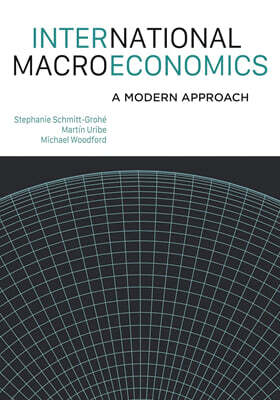
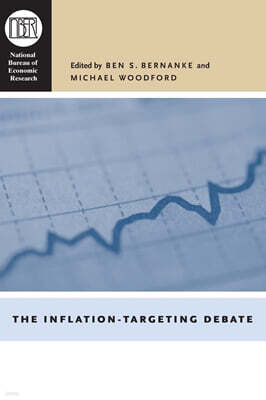
그의 가장 중요한 저작은 『Interest and Prices: Foundations of a Theory of Monetary Policy』로, 2003년 미국출판협회 (Association of American Publishers)가 수여하는 경제학 분야 최우수 전문·학술도서상 (Best Professional/Scholarly Book in Economics)을 수상했다. 이 밖에도 여러 저서를 공동 집필하거나 공동 편집했다. 존 B. 테일러 (John B. Taylor)와 함께 3권으로 구성된 『Handbook of Macroeconomics』를, 벤저민 M. 프리드먼 (Benjamin M. Friedman)과 함께 2권으로 구성된 『Handbook of Monetary Economics』를 공동 편집했다. 또한 벤 S. 버냉키 (Ben S. Bernanke)와 『The Inflation Targeting Debate』를 공동 집필·편집했으며, 스테파니 슈미트-그로헤 (Stephanie Schmitt-Grohe), 마틴 우리베 (Martin Uribe)와 교과서 『International Macroeconomics』를 공동 집필했다.
현재 그의 연구는 인지심리학과 신경과학의 연구 성과를 바탕으로 제한된 합리성 (bounded rationality)이 경제 분석에 미치는 영향에 초점을 맞추고 있으며, 특히 부정확한 심적 표상 (imprecise mental representations)에 기반한 의사결정이 초래하는 결과를 중점적으로 연구하고 있다. 그는 전미경제연구소 (NBER)의 행동거시경제학 (Behavioral Macroeconomics) 워킹그룹을 설립하고 공동 책임자를 맡았다.
컬럼비아대학교에서는 인지·행동경제학 이니셔티브 (Cognitive and Behavioral Economics Initiative)를 이끌고 있으며, 정책경제센터 (Center for Policy Economy) 자문위원단의 일원이자 인지과학 전공 (Cognitive Science) 운영위원회 위원으로 활동하고 있다.
2026년 "거시경제 안정화의 미시경제학적 기초"에 관한 연구로 로버트 홀과 공동으로 노벨 경제학상을 수상했다.
맥아더 펠로 (MacArthur Fellow)와 구겐하임 펠로 (Guggenheim Fellow)로 선정된 바 있으며, 미국 예술과학아카데미 (American Academy of Arts and Sciences), 계량경제학회 (Econometric Society), 경제이론발전학회 (Society for the Advancement of Economic Theory), 경제측정학회 (Society for Economic Measurement)의 펠로이다. 또한 미국 매사추세츠주 케임브리지에 있는 전미경제연구소 (National Bureau of Economic Research, NBER)의 연구위원 (Research Associate), 런던의 경제정책연구센터 (Centre for Economic Policy Research, CEPR)의 연구위원 (Research Fellow), 뮌헨 CESifo 연구네트워크 (CESifo Research Network)의 펠로로 활동하고 있다.
2007년 도이체방크 금융경제학상 (Deutsche Bank Prize in Financial Economics), 2018년 프랑스은행/TSE 통화경제학상 (Banque de France/TSE Prize in Monetary Economics), 2024년 어윈 플라인 네머스 경제학상 (Erwin Plein Nemmers Prize in Economics)을 수상했다. 2025년에는 올리비에 블랑샤르 (Olivier Blanchard), 조르디 갈리 (Jordi Gali)와 함께 경제·금융·경영 부문 BBVA 지식의 프런티어상 (BBVA Foundation Frontiers of Knowledge Award)을 공동 수상했다.
그의 가장 중요한 저작은 『Interest and Prices: Foundations of a Theory of Monetary Policy』로, 2003년 미국출판협회 (Association of American Publishers)가 수여하는 경제학 분야 최우수 전문·학술도서상 (Best Professional/Scholarly Book in Economics)을 수상했다. 이 밖에도 여러 저서를 공동 집필하거나 공동 편집했다. 존 B. 테일러 (John B. Taylor)와 함께 3권으로 구성된 『Handbook of Macroeconomics』를, 벤저민 M. 프리드먼 (Benjamin M. Friedman)과 함께 2권으로 구성된 『Handbook of Monetary Economics』를 공동 편집했다. 또한 벤 S. 버냉키 (Ben S. Bernanke)와 『The Inflation Targeting Debate』를 공동 집필·편집했으며, 스테파니 슈미트-그로헤 (Stephanie Schmitt-Grohe), 마틴 우리베 (Martin Uribe)와 교과서 『International Macroeconomics』를 공동 집필했다.
현재 그의 연구는 인지심리학과 신경과학의 연구 성과를 바탕으로 제한된 합리성 (bounded rationality)이 경제 분석에 미치는 영향에 초점을 맞추고 있으며, 특히 부정확한 심적 표상 (imprecise mental representations)에 기반한 의사결정이 초래하는 결과를 중점적으로 연구하고 있다. 그는 전미경제연구소 (NBER)의 행동거시경제학 (Behavioral Macroeconomics) 워킹그룹을 설립하고 공동 책임자를 맡았다.
컬럼비아대학교에서는 인지·행동경제학 이니셔티브 (Cognitive and Behavioral Economics Initiative)를 이끌고 있으며, 정책경제센터 (Center for Policy Economy) 자문위원단의 일원이자 인지과학 전공 (Cognitive Science) 운영위원회 위원으로 활동하고 있다.
2026년 "거시경제 안정화의 미시경제학적 기초"에 관한 연구로 로버트 홀과 공동으로 노벨 경제학상을 수상했다.
마이클 우드퍼드의 다른 상품
-
Nber Macroeconomics Annual 2010: Volume 25 이동Nber Macroeconomics Annual 2010: Volume 2590,450원 10%
-
Nber Macroeconomics Annual 2009: Volume 24 이동Nber Macroeconomics Annual 2009: Volume 2490,450원 10%
-
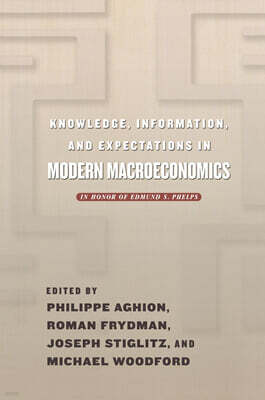
Knowledge, Information, and Expectations in Modern Macroeconomics: In Honor of Edmund S. Phelps 이동Knowledge, Information, and Expectations in Modern Macroeconomics: In Honor of Edmund S. Phelps175,870원
-
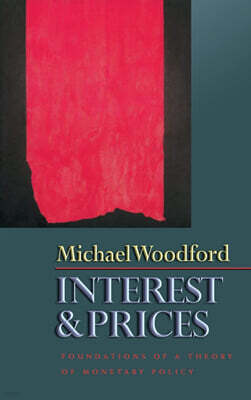
Interest and Prices: Foundations of a Theory of Monetary Policy 이동Interest and Prices: Foundations of a Theory of Monetary Policy201,000원
Stephanie Schmitt-Grohe
스테파니 슈미트-그로헤는 컬럼비아대학교 경제학 교수이며, 마틴 우리베 (Martin Uribe)와 함께 『Open Economy Macroeconomics』(Princeton)를 공동 집필했다.
Martin Uribe
컬럼비아대학교 경제학 교수이며, 스테파니 슈미트-그로헤 (Stephanie Schmitt-Grohe)와 함께 『Open Economy Macroeconomics』(Princeton)를 공동 집필했다.
품목정보
- 발행일
- 2022년 09월 06일
- 쪽수, 무게, 크기
- 482쪽 | 1160g | 183*256*33mm
- ISBN13
- 9780691170640
사락 별점0
혜택 및 유의사항밑줄0
혜택 및 유의사항상품정보안내
직수입외서의 경우, 해외거래처에서 제공하는 정보가 부족하여 제목, 표지, 가격, 유통상태 등의 정보가 미비하거나 변경되는 경우가 있습니다. 정확한 확인을 원하시는 경우, 일대일 상담으로 문의하여 주시면 답변 드리겠습니다.
(판형과 판수 등이 다양한 도서는 찾으시는 도서의 ISBN을 알려 주시면 보다 빠르고 정확한 안내가 가능합니다.)
해외거래처에서 품절인 경우, 2차 거래선을 통해 유럽과 미국 출판사로 직접 수입이 진행될 수 있습니다.
수입 진행 시점으로 부터 2~3주가 추가로 소요되며, 해외에서도 유통이 원활하지 않은 도서는 품절 안내가 지연될 수 있습니다.
해당 경우, 문자와 메일로 별도 안내를 드리고 있사오니 마이페이지에서 휴대전화번호와 메일주소를 다시 한번 확인해주시기 바랍니다.
(판형과 판수 등이 다양한 도서는 찾으시는 도서의 ISBN을 알려 주시면 보다 빠르고 정확한 안내가 가능합니다.)
해외거래처에서 품절인 경우, 2차 거래선을 통해 유럽과 미국 출판사로 직접 수입이 진행될 수 있습니다.
수입 진행 시점으로 부터 2~3주가 추가로 소요되며, 해외에서도 유통이 원활하지 않은 도서는 품절 안내가 지연될 수 있습니다.
해당 경우, 문자와 메일로 별도 안내를 드리고 있사오니 마이페이지에서 휴대전화번호와 메일주소를 다시 한번 확인해주시기 바랍니다.
70,000원
총 1개
70,000원