
이미 소장하고 있다면 판매해 보세요.
- 해외배송 가능?
- 문화비소득공제 가능
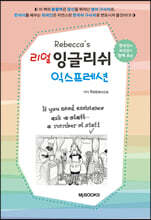
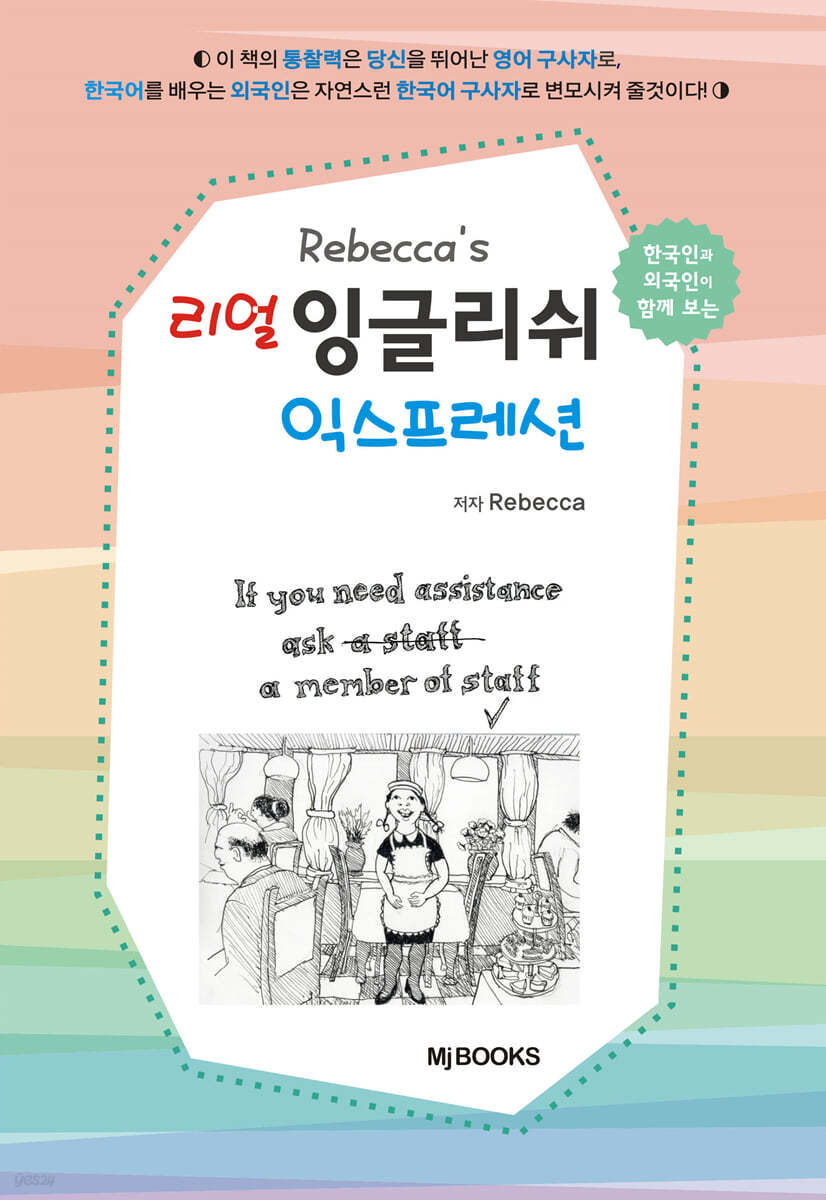
책소개
목차
|
Preface ㆍ 3
THE DIFFERENCES WHICH WILL MAKE YOU SHINE AS REALLY FLUENT ㆍ 11 1. “드라마에 나와요”: Not “She comes out in that drama.” ㆍ 12 2. “플러그를 뽑다”: Not “Plug Out.” ㆍ 17 3. Not “I didn’t know you can do that.” ㆍ 20 4. “로비에서 봐요”: Not “Let’s see in the lobby.” ㆍ 24 5. 후에: Not “Let’s leave after five minutes.” ㆍ 30 6. “충분히 예뻐요”: Not “You are pretty enough.” ㆍ 36 7. Not “More Better” ㆍ 42 8. One of the…s ㆍ 46 9. Not “France Wine” you say “French wine” ㆍ 48 10. -ㄹ 경우 ㆍ 52 NUMBERS ㆍ 59 1. 4시간 반 : Not “four hours and a half.” ㆍ 60 2. 1:1 “일 대 일”: You don’t say “one to one.” ㆍ 63 3. Not “1rd”, “2st”, “3nd.” ㆍ 67 4. Not “In their tens,” ㆍ 71 PLURALS ㆍ 73 1. Not “Staffs” ㆍ 74 2. 피해 Not “Damages” ㆍ 79 3. 경력 Not “Experiences” ㆍ 82 4. 일 많아요. Not “I Have A Lot of Works” ㆍ 84 5. WHEN THERE IS NO DISTINCTION BETWEEN SINGULAR AND PLURAL IN KOREAN BUT THERE IS IN ENGLISH ㆍ 85 6. Not “Equipments” ㆍ 90 7. Not “I Have a Good News” ㆍ 92 STOP THINKING IN KOREAN ㆍ 93 1. “가방 바꿨어요” : Not “You changed your bag.” ㆍ 94 2. “빅 사이즈” : Not “Big size” ㆍ 99 3. “핑크색” : Not “Pink colour” ㆍ 100 4. By and Until : “급해요 세시까지 해주세요.” Not “Do it until 3 p.m.” ㆍ 103 5. “다다음주” Not “Next next week” ㆍ 106 6. “오늘 아침에” Not “Today morning” ㆍ 109 7. Not “yes” ㆍ 111 THE ㆍ 115 1. Don't say “the our” or “the your.” ㆍ 116 2. When you have one noun followed by “of” then another noun after it you probably need “the” in front of the first noun. ㆍ 118 3. If a country name contains the word "Republic" or “Kingdom” you need "the" in front in a sentence. ㆍ 120 4. Don't put "a" in front of a plural noun. ㆍ 122 5. Articles are generally omitted: in newspaper headlines; in magazine headings; on signs in the street; on buildings. ㆍ 124 6. “We will overcome COVID-19.” “We will overcome the COVID-19 pandemic.” It is not necessarily the word that determines if you use “the” or not, it can be context or the place of that word in the sentence. ㆍ 126 TRANSLATION ㆍ 131 1.“20년 만의 경제위기”: Not “There was an economic crisis in twenty years.” ㆍ 132 2. Not “He is one of the famous singers.” ㆍ 138 3. Not necessarily “exist” In some cases the verb “to be” is more natural. ㆍ 141 4. “위기 속에서” : Not “Under this crisis.” ㆍ 147 5 “현장”: It is hard to find one specific word which is a direct translation of “현장.” ㆍ 152 6. “중요한 이유 중 하나다”: Not necessarily : “It is one among the key reasons.” ㆍ 156 7. “최선을 다하다” : Rather than “Do your best.” ㆍ 158 DON’T NECESSARILY USE THE FIRST WORD YOU SEE IN THE DICTIONARY ㆍ 163 1. 소개하다 : “소개해 주신 app” Not “The app you introduced me to.” ㆍ 164 2. 준비하다 : “표 준비했다”. Not “He has prepared some tickets.” ㆍ 175 3. 내용: Not necessarily “content. ㆍ 190 EVERYDAY EXPRESSIONS ㆍ 199 1. “Check your e-mail” Not “yes” ㆍ 200 2. “Thank you” Not “yes” ㆍ 204 3. Not “yes?” ㆍ 208 4. “먼저 갈게요”: Not “I’ll go first.” ㆍ 210 5. “갔다 올게”: Not “I will go and come back.” ㆍ 216 6. “반갑다 “오래간만이다” Not “Nice to meet you.” ㆍ 218 7. “나 희정이야. 오래간만이다” Not “I am Hee-jeong.” ㆍ 221 8. Not “How’s your weekend?” ㆍ 222 9. “생일 축하합니다”. Not “Congratulations on your birthday!” ㆍ 223 ONE KOREAN WORD, MORE THAN ONE ENGLISH WORD ㆍ 225 1. 가능성 : Not “There is a big possibility.” Not “There is a low possibility.” ㆍ 226 2. 교육 : Not “I am away from my desk for education.” ㆍ 231 3. 넓다 : Not “The house is broad.” ㆍ 234 4. 키우다 : Not “To raise a dog.” ㆍ 238 5. 먹다 : You don’t “eat” medicine ㆍ 243 ㆍ 245 1. 가능성 ㆍ 247 2. 나오다 ㆍ 251APPENDIX 3. By and Until ㆍ 255 4. Better ㆍ 258 5. 키우다 ㆍ 259 6. 교육 ㆍ 261 7. 최선을 다하다 ㆍ 263 |
저자 소개 1
Rebecca is an Oxford graduate (French and Philosophy). She works as an Editor in Seoul. She studied Korean at the Sogang University Korean Language Education Center and the Yonsei University Korean Language Institute. She has passed Level 6 of the Test of Proficiency in Korean (TOPIK). She loves K-POP.]
관련 분류
품목정보
- 발행일
- 2023년 03월 02일
- 쪽수, 무게, 크기
- 239쪽 | 398g | 152*224*12mm
- ISBN13
- 9788931170511