
이미 소장하고 있다면 판매해 보세요.
- 국내배송만 가능
- 해외 거래처 사정에 의하여 품절/지연 가능
- 도서 정보 중 미표기 사항 안내?
- 문화비소득공제 가능
책소개
목차
|
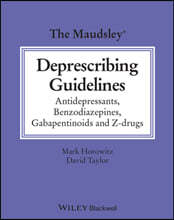
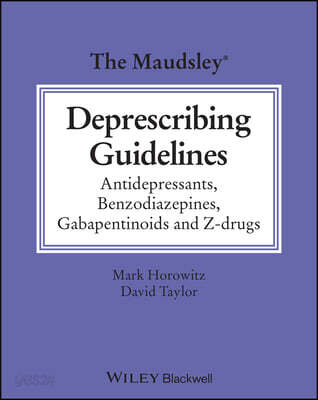
Preface ix Acknowledgements xii Notes on Using the Maudsley® Deprescribing Guidelines xiii Abbreviations List xv Chapter 1 Introduction to Deprescribing Psychiatric Medications 1 Deprescribing as an Intervention 1 The context for deprescribing 2 Why deprescribe? 7 Barriers and facilitators to deprescribing 11 Withdrawal Effects from Psychiatric Medications 13 Mis-diagnosis of withdrawal effects as relapse 13 Pathophysiology of psychiatric drug withdrawal symptoms 16 Clinical aspects of psychiatric drug withdrawal 19 Specific issues in psychiatric drug withdrawal 23 How to Deprescribe Psychiatric Medications Safely 27 The neurobiology of tapering 28 Practical options for prescribing gradually tapering doses 36 Psychological aspects of tapering 43 Tapering psychiatric drugs in practice 45 Further topics 52 Chapter 2 Safe Deprescribing of Antidepressants 57 When and Why to Stop Antidepressants 57 Adverse effects of antidepressants 66 Discussing deprescribing antidepressants with patients 72 Withdrawal Effects from Antidepressants 76 Recent developments in the understanding of antidepressant withdrawal 76 Pathophysiology of antidepressant withdrawal symptoms 80 Clinical aspects of antidepressant withdrawal 87 How common, severe and long? lasting are withdrawal symptoms from antidepressants? 92 Protracted antidepressant withdrawal syndrome 96 Post? SSRI sexual dysfunction 98 Factors influencing development of withdrawal effects 99 Stratfiying risk of antidepressant withdrawal 105 Distinguishing antidepressant withdrawal symptoms from relapse 107 Distinguishing antidepressant withdrawal symptoms from new onset of a physical or mental health condition 111 Withdrawal symptoms during antidepressant maintenance treatment or switching medication 113 How to Deprescribe Antidepressants Safely 115 Tapering antidepressants gradually 119 Hyperbolic tapering of antidepressants 125 Practical options in prescribing gradually tapering doses of antidepressants 131 Psychological aspects of antidepressant tapering 140 Tapering antidepressants in practice 143 Managing complications of antidepressant discontinuation 153 Tapering Guidance for Specific Antidepressants 158 Agomelatine 159 Amitriptyline 163 Bupropion 168 Citalopram 174 Clomipramine 183 Desvenlafaxine 188 Dosulepin 193 Doxepin 198 Duloxetine 203 Escitalopram 209 Fluoxetine 216 Fluvoxamine 223 Imipramine 228 Lofepramine 233 Mirtazapine 238 Moclobemide 243 Nortriptyline 248 Paroxetine 253 Phenelzine 259 Sertraline 264 Tranylcypromine 270 Trazodone 275 Venlafaxine 280 Vilazodone 288 Vortioxetine 292 Chapter 3 Safe Deprescribing of Benzodiazepines and Z-drugs 297 When and Why to Stop Benzodiazepines and Z-drugs 297 Discussing deprescribing benzodiazepines and z-drugs 304 Withdrawal Symptoms from Benzodiazepines and Z-drugs 309 Physical dependence vs addiction in use of benzodiazepines and z-drugs 311 Pathophysiology of benzodiazepine withdrawal syndrome 313 Variety of withdrawal symptoms from benzodiazepines and z-drugs 316 Protracted benzodiazepine withdrawal syndrome 320 Distinguishing benzodiazepine withdrawal symptoms from return of an underlying condition 323 Withdrawal symptoms during benzodiazepine maintenance treatment 326 How to Deprescribe Benzodiazepines and Z-drugs Safely 327 Tapering benzodiazepines and z-drugs gradually 330 Hyperbolic tapering of benzodiazepines and z-drugs 332 Switching to longer-acting benzodiazepines to taper 335 Making up smaller doses of benzodiazepines and z-drugs practically 338 Other considerations in tapering benzodiazepines and z-drugs 342 Psychological aspects of tapering benzodiazepines and z-drugs 345 Tapering benzodiazepines and z-drugs in practice 348 Management of complications of benzodiazepine and z-drug discontinuation 358 Tapering Guidance for Specific Benzodiazepines and Z-drugs 362 Alprazolam 364 Buspirone 375 Chlordiazepoxide 380 Clonazepam 388 Clorazepate 396 Diazepam 404 Estazolam 412 Eszopiclone 418 Flurazepam 423 Lorazepam 429 Lormetazepam 440 Nitrazepam 446 Oxazepam 452 Quazepam 461 Temazepam 467 Triazolam 474 Zaleplon 480 Zolpidem 485 Zopiclone 490 Chapter 4 Safe Deprescribing of Gabapentinoids 495 When and Why to Stop Gabapentinoids 495 Discussing deprescribing gabapentinoids 504 Overview of Gabapentinoid Withdrawal Effects 507 Physical dependence vs addiction in use of gabapentinoids 510 How to Deprescribe Gabapentinoids Safely 512 Principles for tapering gabapentinoids 512 Making up smaller doses of gabapentinoids practically 516 Other considerations in tapering gabapentinoids 520 Psychological aspects of tapering gabapentinoids 523 Tapering gabapentinoids in practice 525 Management of complications of gabapentinoid discontinuation 532 Tapering Guidance for Specific Gabapentinoids 537 Gabapentin 538 Pregabalin 546 Index 553 |
저자 소개
Mark Horowitz, BA, BSc(Med), MBBS(Hons), MSc, GDipPsych, PhD, is a trainee psychiatrist and Clinical Research Fellow at North East London NHS Trust, where he runs a psychiatric drug deprescribing clinic. He is an Honorary Research Fellow at University College London and he co-authored the Royal College of Psychiatrists guide on 'Stopping antidepressants'. He has authored multiple academic papers on how to safely stop psychiatric drugs in high impact journals, and lectured on this topic around the world to doctors, pharmacists and the public. He was commissioned by Health Education England to prepare a module on safe deprescribing of antidepressants for prescribers in the National Health Service (NHS). He has lived experience of stopping psychiatric drugs which informs most of his work.
David Taylor, PhD, FFRPS, FRPharmS, FRCPEdin, FRCPsych(Hon), is Director of Pharmacy and Pathology at the South London and Maudsley NHS Trust and Professor of Psychopharmacology at King's College, London. He is the lead author of the Maudsley Prescribing Guidelines in Psychiatry and Editor-in-Chief of Therapeutic Advances in Psychopharmacology. He co-authored the Royal College of Psychiatrists guide on 'Stopping antidepressants'. His pharmacy department ran a medication help-line for a decade which fielded queries largely related to withdrawal from psychiatric drugs. He has personal experience of stopping psychiatric drugs.
관련 분류
품목정보
- 발행일
- 2024년 02월 12일
- 쪽수, 무게, 크기
- 592쪽 | 168*241*30mm
- ISBN13
- 9781119822981
사락 별점0
혜택 및 유의사항밑줄0
혜택 및 유의사항상품정보안내
(판형과 판수 등이 다양한 도서는 찾으시는 도서의 ISBN을 알려 주시면 보다 빠르고 정확한 안내가 가능합니다.)
해외거래처에서 품절인 경우, 2차 거래선을 통해 유럽과 미국 출판사로 직접 수입이 진행될 수 있습니다.
수입 진행 시점으로 부터 2~3주가 추가로 소요되며, 해외에서도 유통이 원활하지 않은 도서는 품절 안내가 지연될 수 있습니다.
해당 경우, 문자와 메일로 별도 안내를 드리고 있사오니 마이페이지에서 휴대전화번호와 메일주소를 다시 한번 확인해주시기 바랍니다.