
- 판매자
-
중고서적전문가
중고샵 판매자가 직접 등록/판매하는 상품으로 판매자가 해당 상품과 내용에 모든 책임을 집니다.
이미 소장하고 있다면 판매해 보세요.
- 한정판매의 특성상 재고 상황에 따라 품절 가능
- 수급불안정으로 인해 품절/지연 가능
중고도서 소개
|
책소개
목차
|
Forewords
Part I Development and Beyond 1. In the Beginning 13 2. From Ashes to Affluence 27 3. From Autocracy to Democracy 43 4. From Hermit to Modernity 55 5. The Concept of Manpower 67 6. Development Pathology 79 Part II The Flow of Education 7. The System 97 8. Aims and Objectives 109 9. Learning Experiences 123 10. Evaluating Education Outcomes 135 11. Infrastructure 147 12. The Teacher 161 Part III Man, Society and Education 13. Human Nature 173 14. The Nation 185 15. The Universal and the Particular 199 16. Knowledge and Science 211 17. The Whole Person 225 18. The Power of Education 237 Epilogue 249 Notes 261 Index 264 |
관련 분류
- 카테고리 분류
품목정보
출판사 리뷰
|
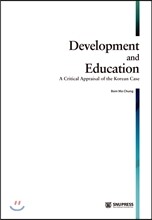
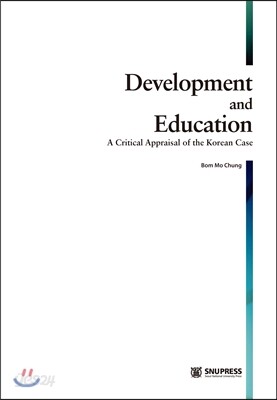
Korea, the Republic of Korea to be more exact, may well be a show case of the developmental transformation of a country in the past half century and of the educational development that were closely interwoven in the process. This book tries to present a synopsis of the development process, the problems and issues and the reflective thoughts that were inevitably incited by the process, which the author hopes would be of some relevance to other developing countries.
The book starts with a short resume of Korean history to acquaint the reader with the historical underpinnings upon which the recent history has relatedly evolved. Then, the processes of and the problems in the development are presented in three aspects: economic development from abject poverty to affluence, political development from stifling autocracy to liberal democracy and from a hermitic society to a modern nation. A critical discussion of "development pathologies" and of the notion of manpower follows. In the second part, the discussion proceeds on with regard to the problems of Korean education that is in principle expected to facilitate the process of national development. The discussion examines both the assets and liabilities, merits and drawbacks, in Korean education, following the flow of educational process that encompasses the problem of educational objectives, curricular experiences, educational evaluation and administrative support. Thinking about the dynamics of education in relation to national development inescapably entails a host of thoughts on philosophical, psychological, political and academic problems such as the existential nature of man, the ideal nation, the nature of science and the like. Some such thoughts are presented in the last part of the book, in "Man, Society and Education." |
상품정보안내
- 주문 전 중고상품의 정확한 상태 및 재고 문의는 [판매자에게 문의하기]를 통해 문의해 주세요.
- 주문완료 후 중고상품의 취소 및 반품은 판매자와 별도 협의 후 진행 가능합니다. 마이페이지 > 주문내역 > 주문상세 > 판매자 정보보기 > 연락처로 문의해 주세요.
부적합 상품 신고하기
신고하기- 구매에 부적합한 상품은 신고해주세요.
- 구매하신 상품의 상태, 배송, 취소 및 반품 문의는 판매자 묻고 답하기를 이용해주세요.
- 상품정보 부정확(카테고리 오등록/상품오등록/상품정보 오등록/기타 허위등록) 부적합 상품(청소년 유해물품/기타 법규위반 상품)
- 전자상거래에 어긋나는 판매사례: 직거래 유도
45,000원
총 1개
45,000원
