- 개정판이 출간되었습니다.
이미 소장하고 있다면 판매해 보세요.
- 국내배송만 가능
- 문화비소득공제 가능
책소개
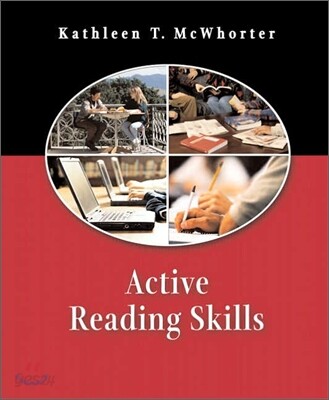
목차
|
I. IMPROVING YOUR SKILLS.
1. Reading Actively. 2. Using Context and Word Parts. 3. Locating Main Ideas. 4. Identifying Details and Transitions. 5. Understanding Implied Main Ideas. 6. Keeping Track of Information. 7. Recognizing Patterns I. 8. Recognizing Patterns II. 9. Reading Critically: Inferences and Author's Purpose. 10. Reading Critically: Fact and Opinion. 11. Reading Critically: Tone and Bias. 12. Reading Arguments. II. Student Resource Guide. A. Learning from Textbooks. B. Test Taking Strategies. C. Reading and Evaluating Electronic Sources. D. Real World Reading Strategies. III. TEXTBOOK READINGS. Textbook Reading 1: Hispanic Americans: A Growing Market Segment. From Consumer Behavior by Michael. R. Solomon. Textbook Reading 2: Lovers. From The Interpersonal Communications Book, 9th Ed. by Joseph A. DeVito. Textbook Reading 3: Individuals in Groups. From Invitation to Psychology by Carole Wade and Carol Tavris. Textbook Reading 4: The Mass Media and the Political Agenda. From Government in America, 10th Ed. by George C. Edwards III, Martin P. Wattenberg, and Robert L. Lineberry. Textbook Reading 5: The Effects of Predator-Prey Interactions. From Life on Earth, 3rd Ed. by Teresa Audersirk, Gerald Audersirk, and Bruce E. Byers. IV. ADDITIONAL READINGS. Reading Selection 1: Right Place, Wrong Face, Alton Fitzgerald White. Reading Selection 2: Seoul Searching, Rich Reikky. Reading Selection 3: Bugs in Your Pillow, David Bodanis. Reading Selection 4: The Chaser, John Collier. Reading Selection 5: The Story of an Hour, Kate Chopin. CREDITS. INDEX. |
품목정보
- 발행일
- 2004년 07월 08일
- 쪽수, 무게, 크기
- 608쪽 | 크기확인중
- ISBN13
- 9780321159168
사락 별점0
혜택 및 유의사항밑줄0
혜택 및 유의사항상품정보안내
직수입외서의 경우, 해외거래처에서 제공하는 정보가 부족하여 제목, 표지, 가격, 유통상태 등의 정보가 미비하거나 변경되는 경우가 있습니다. 정확한 확인을 원하시는 경우, 일대일 상담으로 문의하여 주시면 답변 드리겠습니다.
(판형과 판수 등이 다양한 도서는 찾으시는 도서의 ISBN을 알려 주시면 보다 빠르고 정확한 안내가 가능합니다.)
해외거래처에서 품절인 경우, 2차 거래선을 통해 유럽과 미국 출판사로 직접 수입이 진행될 수 있습니다.
수입 진행 시점으로 부터 2~3주가 추가로 소요되며, 해외에서도 유통이 원활하지 않은 도서는 품절 안내가 지연될 수 있습니다.
해당 경우, 문자와 메일로 별도 안내를 드리고 있사오니 마이페이지에서 휴대전화번호와 메일주소를 다시 한번 확인해주시기 바랍니다.
(판형과 판수 등이 다양한 도서는 찾으시는 도서의 ISBN을 알려 주시면 보다 빠르고 정확한 안내가 가능합니다.)
해외거래처에서 품절인 경우, 2차 거래선을 통해 유럽과 미국 출판사로 직접 수입이 진행될 수 있습니다.
수입 진행 시점으로 부터 2~3주가 추가로 소요되며, 해외에서도 유통이 원활하지 않은 도서는 품절 안내가 지연될 수 있습니다.
해당 경우, 문자와 메일로 별도 안내를 드리고 있사오니 마이페이지에서 휴대전화번호와 메일주소를 다시 한번 확인해주시기 바랍니다.