
소득공제
청년패스
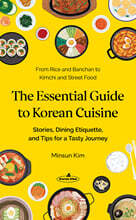
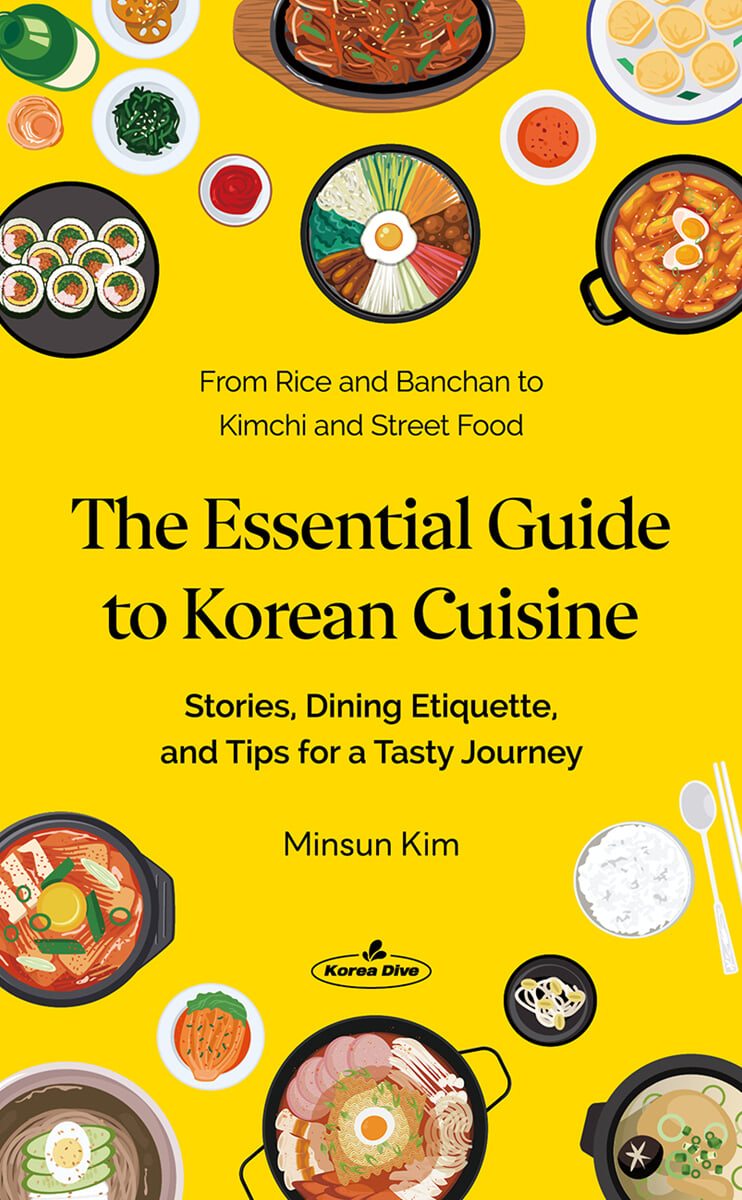
The Essential Guide to Korean Cuisine
Stories, Dining Etiquette, and Tips for a Tasty Journey─From Rice and Banchan to Kimchi and Street Food
김민선 저
Korea Dive(코리아다이브)
2025.04.18.
- 베스트
- 국어 top100 1주
이미 소장하고 있다면 판매해 보세요.
- 국내배송만 가능
- 문화비소득공제 가능
Korea Dive
이 상품의 시리즈 알림신청
이 상품의 태그
책소개
목차
|
01 Rice 밥 9
Gonggibap, Is It Air Rice? Keywords: Bap│Bapsang│Japgokbap│Nurungji│Bokkeumbap│Jeongi Bapsot│Bibimbap│Sotbap│Honbap Dining Tip: “Oh, it’s okay to eat alone” 02 Side Dishes 반찬 17 The Korean “Rice Thief” Keywords: Banchan│Bokkeum│Gui│Buchim│Namul│Jangjorim│Ganjang Gejang │Imo Dining Tip: “I am not your imo, but you can call me imo” 03 Noodles 면 26 Though the Land Is Divided, the Taste Remains As One Keywords: Naengmyeon│Janchi Guksu (banquet noodle soup)│Kalguksu (knife-cut noodle soup)│Kongguksu (cold soybean noodle soup)│Ramyeon (Korean instant noodles)│Japchae (stir-fried glass noodles)│Matjip (place with delicious food) Dining Tip: “I am going to a ‘taste selling house’” 04 Alcohol 술 35 Let’s drink Beer in the Parks Keywords: Geonbae│Makgeolli│Somaek│Anju│Chimaek│Daeri Unjeon│Haejangguk Dining Tip: “Korea, the land of chimaek” 05 Water 물 42 Enjoy Fresh, Complimentary Water Wherever You Are Keywords: Keopi Mikseu│Gongmulcha│Misutgaru│Sikhye│Sujeonggwa│Yulmucha │“Aniyo, gwaenchanayo” Dining Tip: “Didn’t mean to refuse your compliment” 06 Korean Fermented Pastes & Sauces 한국의 장 49 The Trio That Define the Flavors of Korean Cuisine Keywords: Ganjang│Gochujang│Doenjang│Meju│Jangdok│Chamgireum│Aekjeot Dining Tip: “This is the taste!” 07 Fruits 과일 57 The Hidden Meanings Behind Korean Fruits Keywords: Charyesang│Gotgam│Daechu (jujubes)│Ttalgi│Gwail Hwachae│Suip Gwail│Tteokguk│Songpyeon Dining Tip: “We prepare the special table for the ancesters” 08 Meat 고기 65 Friendships Built on Wrapping Meat for Each Other Keywords: Samgyeopsal│Galbi│Chadolbagi│Boknal│Bulgogi│Yukhoe│Dakgalbi Dining Tip: “How far have you used scissors?” 09 Street Food 길거리 음식 73 The True Soul Food of Koreans Keywords: Tteokbokki│Yeopgi Tteokbokki│Tteok-kkochi│Rabokki│Twigim│Sundae│Eomuk Dining Tip: “Don’t forget to remove your aprons before leaving” 10 Bread 빵 81 Koreans Seek the Holy Bread, Not the Holy Grail Keywords: Ppangjisullye│Danpatppang│Soboroppang│Kkwabaegi│Sulppang│Hodugwaja│Bungeoppang Dining Tip: “Please bring your used dishes to the counter” 11 Ice Cream 아이스크림 89 Hard and Jju-jju Ba: Beloved Korean Ice Creams Keywords: Hard│Jju-Jju Ba│Sopeuteu Aiseukeurim│Teoki Aiseukeurim│Yogeoteu Aiseukeurim│Bingsu│Jyoseu Ba│Ssang-ssang Ba Dining Tip: “Dine-in or take-out?” 12 Seafood 해산물 95 Seafood Table Service Fees and Sukidashi Keywords: Hoe│Mugeunji│Sangcharimbi│Albap│Maeuntang│Miyeok│Gim│ Myeolchi│Ojingeo Dining Tip: “Be cautious of overpricing in tourist areas!” 13 Kimchi 김치 102 Korea, the Land of Countless Kimchi Delights Keywords: Mulkimchi│Dongchimi│Kkakdugi│Yeolmu Kimchi│Gat Kimchi│Geotjeori│Bigeon Kimchi Dining Tip: “The days of burying kimchi underground are gone” 14 Tofu 두부 112 Now, Tofu Is Dubu Keywords: Maetdol│Yeondubu│Sondubu│Modubu│Kongbiji│Sundubu│Dubu Kimchi│Kongmul Dining Tip: “Why eat tofu after prison?” Endnotes 119 References 122 About the Author 123 |
저자 소개 1
Minsun Kim
Minsun Kim is a Korean language instructor who teaches Korean to foreigners. While working at her job, she had many opportunities to meet foreigners visiting Korea. This led her to develop a desire to teach Korean to them someday. In 2021, she obtained a Certificate of Korean Language Teacher Level 3 and officially began her
Minsun Kim is a Korean language instructor who teaches Korean to foreigners. While working at her job, she had many opportunities to meet foreigners visiting Korea. This led her to develop a desire to teach Korean to them someday. In 2021, she obtained a Certificate of Korean Language Teacher Level 3 and officially began her career as a Korean language instructor. In 2025, she completed a master’s program in Korean Language Education at Gyeongin National University of Education and is currently working on her thesis on Business Korean. Since 2023, she has been living between Indonesia and Korea. Her experience of living abroad as a foreigner gave her a new perspective on Korea through the eyes of immigrants. This insight became the greatest inspiration for writing the book. Moving forward, she hopes to continue writing about Korean culture for a global audience and remain a dedicated Korean language educator, providing meaningful lessons to her students.
현재 외국인에게 한국어를 가르치는 강사로 활동하고 있다. 사회 생활을 처음 시작하면서 다양한 국적의 외국인들을 만났고, 언젠가는 외국인들에게 한국어를 가르치고 한국 문화를 전파하고 싶다는 꿈을 품게 되었다. 2021년 한국어교원자격증 3급을 취득하면서 본격적으로 한국어 강의를 시작했다. 2025년 경인교육대학교 교육대학원 한국어교육 석사 과정을 수료했고 현재 비즈니스 한국어 관련 논문을 준비하고 있다. 2023년부터 인도네시아와 한국을 오가며 살고 있다. 해외 생활을 하면서 한국 문화를 이민자의 관점으로 살펴보게 되었고, 이것이 책을 쓰는 데 가장 큰 영감이 되었다. 한국 문화를 알리는 글을 꾸준히 집필하고 있으며, 학생들에게 좋은 수업을 하는 한국어 선생님으로 오래 일하고자 한다.
현재 외국인에게 한국어를 가르치는 강사로 활동하고 있다. 사회 생활을 처음 시작하면서 다양한 국적의 외국인들을 만났고, 언젠가는 외국인들에게 한국어를 가르치고 한국 문화를 전파하고 싶다는 꿈을 품게 되었다. 2021년 한국어교원자격증 3급을 취득하면서 본격적으로 한국어 강의를 시작했다. 2025년 경인교육대학교 교육대학원 한국어교육 석사 과정을 수료했고 현재 비즈니스 한국어 관련 논문을 준비하고 있다. 2023년부터 인도네시아와 한국을 오가며 살고 있다. 해외 생활을 하면서 한국 문화를 이민자의 관점으로 살펴보게 되었고, 이것이 책을 쓰는 데 가장 큰 영감이 되었다. 한국 문화를 알리는 글을 꾸준히 집필하고 있으며, 학생들에게 좋은 수업을 하는 한국어 선생님으로 오래 일하고자 한다.
관련 분류
품목정보
- 발행일
- 2025년 04월 18일
- 쪽수, 무게, 크기
- 123쪽 | 114*184*20mm
- ISBN13
- 9791197570681
책 속으로
|
Naengmyeon is said to have originated as a winter dish enjoyed in the northern regions of the Korean Peninsula. Each region has its own preparation style, so naengmyeon is often prefixed with the name of its place of origin, like Hamheung or Pyongyang, which are regions in North Korea. As over half a century has passed since the division, the hamheung and pyongyang naengmyeon eaten in South Korea today differ slightly from those in North Korea. Now in South Korea, the noodles of pyongyang naengmyeon are mainly made from buckwheat flour, giving them a soft texture and a distinctive buckwheat aroma.
--- 「Noodles (면): Though the Land Is Divided, the Taste Remains As One」 중에서 This cultural nuance gave rise to a viral restaurant slogan: “Beware of people who treat you to beef─there’s no such thing as free beef. Pure intentions go as far as pork.” However, don’t assume that someone offering pork instead of beef thinks less of you. Pork is still a perfectly good way to express genuine kindness and goodwill. --- 「Meat (고기): Friendships Built on Wrapping Meat for Each Other」 중에서 Sundae (pronounced “soon--- 「dae”) is a dish made by stuffing pork intestines with a mixture of pork blood and glass noodles. It is not recommended for those who dislike the smell of pork or cannot eat it for religious reasons. Sundae is commonly paired with tteokbokki but is also the main ingredient in dishes like sundaeguk (sundae soup) or sundae bokkeum (stir--- 「fried sundae). When ordering sundae, you may be asked whether you’d like just sundae or additional pork offal such as liver, lungs, stomach, heart, and even pig ears. If you want the full experience, ask for all of them. --- 「Street Food (길거리 음식): The True Soul Food of Koreans」 중에서 Most restaurants in Korea offer aprons for customers. Because they are so lightweight, it’s not uncommon for people to forget to take them off after finishing their meal and end up walking around town still wearing them. Some restaurant aprons feature large advertisements or pictures of soju or beer, and if you forget to remove such an apron and walk around town, it could be even more embarrassing. When dining at a Korean restaurant, double--- 「check with your dining companions to make sure everyone has removed their aprons before leaving! --- 「Dining Tip: “Don’t forget to remove your aprons before leaving”」 중에서 |
출판사 리뷰
|
An Invitation to Explore Fascinating Stories and Insights About Korean Food and Culture
ㆍ Why is “Have you eaten rice?” a common greeting in Korea instead of just saying “Hi”? ㆍ How can you ask Koreans about the best places to eat? ㆍ Which Korean side dishes are so delicious they’ve earned the nickname “rice thieves”? ㆍ Do Koreans commonly use scissors to cut their food? ㆍ Why do Koreans jokingly say, “Beware of someone who treats you to beef”? 한국 음식을 제대로 알고 맛있게 즐기려는 당신, 한국 음식과 문화 이야기로 초대합니다. ㆍ 왜 한국에서는 “밥 먹었어?”라는 말이 인사로 통할까? ㆍ 한국에서 진정한 맛집을 가려면 한국인들에게 어떻게 물어야 할까? ㆍ 한국 밥상에서 ‘밥도둑’이라는 별명이 붙을 정도로 맛있는 반찬은? ㆍ 한국인은 음식을 정말로 가위로 자를까? ㆍ 왜 한국에는 “소고기 사주는 사람을 조심”하라는 농담이 있을까? |
리뷰/한줄평0
12,600원
총 1개
12,600원