
소득공제
수입
직수입양서
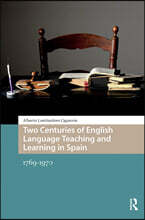
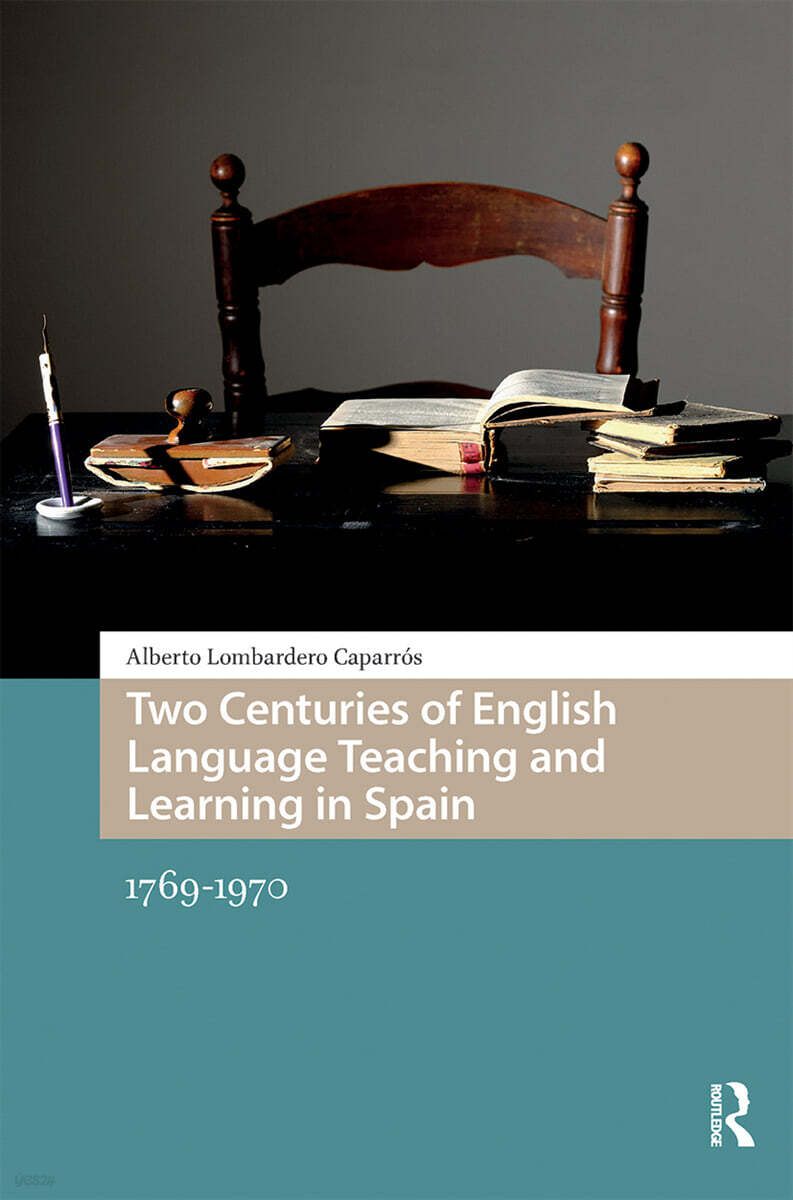
Two Centuries of English Language Teaching and Learning in Spain
1769-1970
Paperback, 1st Edition
Alberto Lombardero Caparrós
Routledge
2025.12.01.
이미 소장하고 있다면 판매해 보세요.
- 국내배송만 가능
- 해외 거래처 사정에 의하여 품절/지연 가능
- 도서 정보 중 미표기 사항 안내?
- 문화비소득공제 가능
Languages and Culture in History
-
 Rethinking the Mother Tongue in Contemporary Italy 이동Rethinking the Mother Tongue in Contemporary Italy10% 356,010원
 -
Early Modern Production of Missionary Books on Indigenous Languages in New Spain and Peru 이동Early Modern Production of Missionary Books on Indigenous Languages in New Spain and Peru10% 99,330원
-
Languages of Diplomacy in the Early Modern World 이동Languages of Diplomacy in the Early Modern World10% 356,010원
-
Women in the History of Language Learning and Teaching 이동Women in the History of Language Learning and Teaching18% 275,330원
-
Two Centuries of English Language Teaching and Learning in Spain 이동Two Centuries of English Language Teaching and Learning in Spain10% 99,330원
-
Policies and Practice in Language Learning and Teaching 이동Policies and Practice in Language Learning and Teaching10% 99,330원
-
Multilingualism, Nationhood, and Cultural Identity 이동Multilingualism, Nationhood, and Cultural Identity10% 99,330원
-
Linguistic and Cultural Foreign Policies of European States 이동Linguistic and Cultural Foreign Policies of European States10% 99,330원
-
Languages, Identities and Cultural Transfers 이동Languages, Identities and Cultural Transfers10% 99,330원
-
Language, Literature and the Construction of a Dutch National Identity (1780-1830) 이동Language, Literature and the Construction of a Dutch National Identity (1780-1830)10% 99,330원
-
Language Learning and Teaching in Missionary and Colonial Contexts 이동Language Learning and Teaching in Missionary and Colonial Contexts10% 99,330원
-
History of Grammar in Foreign Language Teaching 이동History of Grammar in Foreign Language Teaching10% 99,330원
-
French as Language of Intimacy in the Modern Age 이동French as Language of Intimacy in the Modern Age10% 99,330원
-
Accented Speech in Literature, Art, and Theory 이동Accented Speech in Literature, Art, and Theory18% 275,330원
-
Early Modern Production of Missionary Books on Indigenous Languages in New Spain and Peru 이동Early Modern Production of Missionary Books on Indigenous Languages in New Spain and Peru18% 324,360원
-
Language Learning and Teaching in Missionary and Colonial Contexts 이동Language Learning and Teaching in Missionary and Colonial Contexts18% 354,540원
-
Policies and Practice in Language Learning and Teaching 이동Policies and Practice in Language Learning and Teaching18% 275,330원
-
Languages, Identities and Cultural Transfers 이동Languages, Identities and Cultural Transfers10% 302,190원
-
History of Grammar in Foreign Language Teaching 이동History of Grammar in Foreign Language Teaching10% 302,190원
-
Two Centuries of English Language Teaching and Learning in Spain 이동Two Centuries of English Language Teaching and Learning in Spain10% 302,190원
-
Language, Literature and the Construction of a Dutch National Identity (1780-1830) 이동Language, Literature and the Construction of a Dutch National Identity (1780-1830)10% 356,010원
-
Linguistic and Cultural Foreign Policies of European States 이동Linguistic and Cultural Foreign Policies of European States10% 302,190원
-
French as Language of Intimacy in the Modern Age 이동French as Language of Intimacy in the Modern Age10% 302,190원
-
Multilingualism, Nationhood, and Cultural Identity 이동Multilingualism, Nationhood, and Cultural Identity10% 302,190원
책소개
목차
|
Introduction
1. The significance of the historiography of foreign language teaching 2. Approaches 3. Publications on the historiography of foreign language teaching in Spain 4. The historiography of English language teaching in Spain: A retrospective 5. Methodology of the present work CHAPTER 1: The inception of ELT in Spain (1769-1850) 1.1. Political and socio-cultural framework 1.2. The socio-cultural context 1.3. European foreign language teaching framework 1.4. The origins of ELT in Spain: where and how 1.4.1. Where was English taught between 1769 and 1850? 1.4.2. How was English taught? 1.5. Conclusion CHAPTER 2: ELT in Spain (1850-1910), further development 2.1. Introduction 2.2. Spain 2.2.1. Official legislation: Public instruction and Commercial Studies 2.2.2. Authors and their manuals: underlying foreign language methods 2.2.3. Institutions and private academies 2.2.4. Theoretical works on ELT in Spain 2.3. Conclusion CHAPTER 3: ELT in Spain between 1910 and 1970 3.1. Introduction 3.2. The new actors in ELT: Britain and the USA 3.2.1. Harold Edward Palmer 3.2.2. Albert Sydney Hornby 3.2.3. Michael Philip West 3.2.4. Charles Carpenter Fries 3.3. Europe and Spain in the 1950s and 1960s: so close and so far away 3.4. The Spanish tradition 3.4.1. ELT in Spain between 1910 and 1970: Official legislation 3.5. ELT in Spain between 1910 and 1970: The private sector 3.5.1. Private academies 3.6. Overview of English manuals in Spain between 1910 and 1970 3.7. Teaching English beyond manuals: the exceptional cases of Juan Carrion and Patricia Shaw Fairman 3.7.1. Juan Carrion and The Beatles 3.7.2. English through the theatre 3.8. Conclusion, Bibliography, Appendix I, Appendix II, Index. |
관련 분류
품목정보
- 발행일
- 2025년 12월 01일
- 쪽수, 무게, 크기
- 204쪽 | 360g | 160*230mm
- ISBN13
- 9781041190004
리뷰/한줄평0
상품정보안내
직수입외서의 경우, 해외거래처에서 제공하는 정보가 부족하여 제목, 표지, 가격, 유통상태 등의 정보가 미비하거나 변경되는 경우가 있습니다. 정확한 확인을 원하시는 경우, 일대일 상담으로 문의하여 주시면 답변 드리겠습니다.
(판형과 판수 등이 다양한 도서는 찾으시는 도서의 ISBN을 알려 주시면 보다 빠르고 정확한 안내가 가능합니다.)
해외거래처에서 품절인 경우, 2차 거래선을 통해 유럽과 미국 출판사로 직접 수입이 진행될 수 있습니다.
수입 진행 시점으로 부터 2~3주가 추가로 소요되며, 해외에서도 유통이 원활하지 않은 도서는 품절 안내가 지연될 수 있습니다.
해당 경우, 문자와 메일로 별도 안내를 드리고 있사오니 마이페이지에서 휴대전화번호와 메일주소를 다시 한번 확인해주시기 바랍니다.
(판형과 판수 등이 다양한 도서는 찾으시는 도서의 ISBN을 알려 주시면 보다 빠르고 정확한 안내가 가능합니다.)
해외거래처에서 품절인 경우, 2차 거래선을 통해 유럽과 미국 출판사로 직접 수입이 진행될 수 있습니다.
수입 진행 시점으로 부터 2~3주가 추가로 소요되며, 해외에서도 유통이 원활하지 않은 도서는 품절 안내가 지연될 수 있습니다.
해당 경우, 문자와 메일로 별도 안내를 드리고 있사오니 마이페이지에서 휴대전화번호와 메일주소를 다시 한번 확인해주시기 바랍니다.
99,330원
총 1개
99,330원
