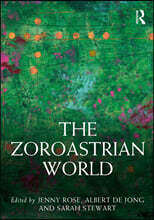

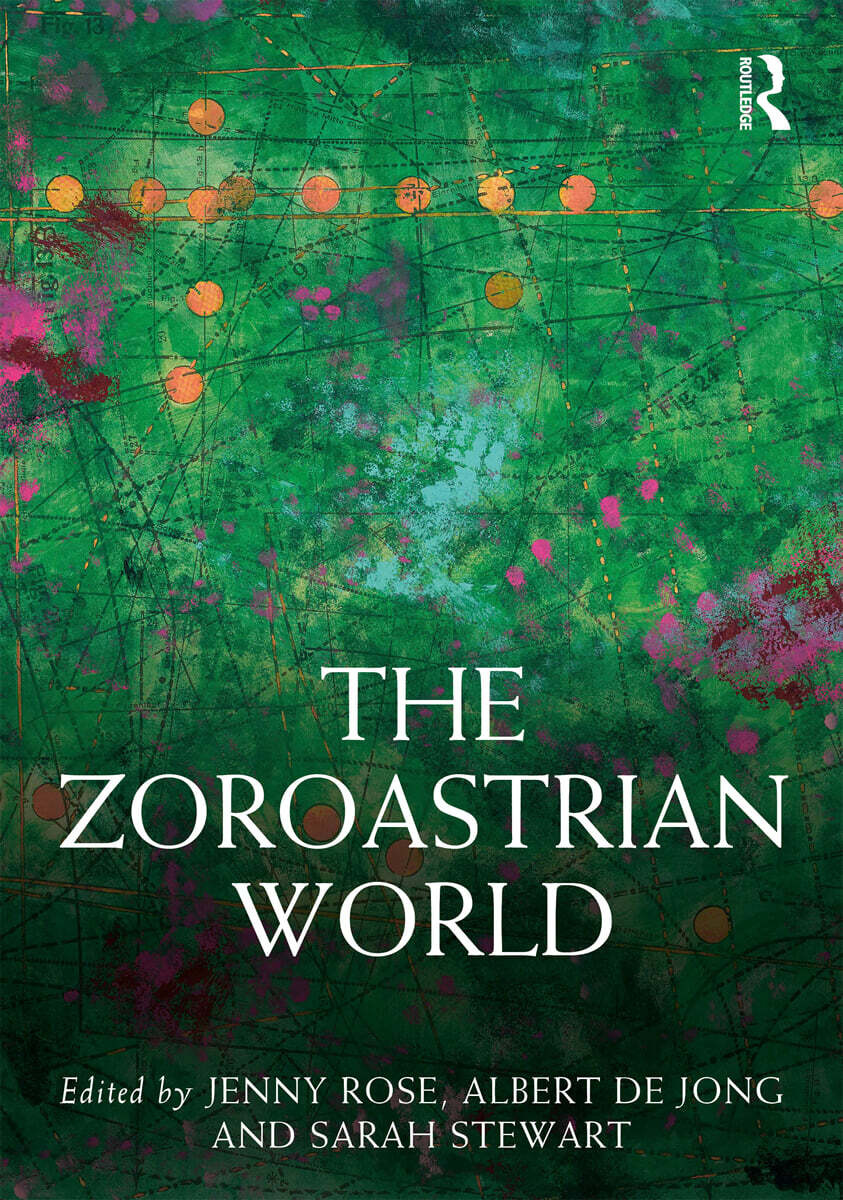
Introduction A.Imagining Zoroastrianism 1. How Zoroastrianism Imagined Itself 2. Ancient Greek, Indian and Chinese Knowledge of Zoroastrianism (a) Recasting Zoroastrian Dualism within the Greek Philosophical Imagination (b) Imagining Zoroastrianism in the light of the Maga Brahmanas and the Kambojas (c) Zoroastrianism in the Chinese Imagination 3. Persian Religion and Judaism (a) Zoroastrianism/ Persian Religion in the Hebrew Bible (b) Zoroastrianism in the Babylonian Talmud 4. Manichaean, Christian, and Mandaean Views of Zoroastrianism 5. Zoroastrianism in early Arabic Sources 6. The European ‘Rediscovery’ of the Ancient Persians and their worldview 7. The History of the Study of Zoroastrianism 8. Zoroastrianism and Freemasonry in Colonial-Era India and Britain: Imagining Zoroastrianism and Re-imagining Freemasonry 9. A ‘Persian History’? Achaemenid history and Zoroastrian reception in Gore Vidal’s Creation 10. The Fascination of the Flame: Zoroastrianism and Tourism B. The Developing Zoroastrian World HISTORY 10. Imagining Ahura Mazda: the Earliest Form of Zoroastrianism 11. Reconstructing Regional and Chronological expressions of Zoroastrianism in Imperial Iran (a) Persian Religion in the Achaemenid Empire (b) Zoroastrianism in the religious context of the Arsacid Empire (c) Zoroastrianism in the Sasanian Empire 12. From the Arrival of Islam to Modern Times: The Bridge from Ancient to Modern (a) Zoroastrianism in Iran from the Arab Conquests to the mid-Nineteenth Century (b) Zoroastrianism in India: From the Migrations of the Parsis to the Late Eighteenth Century SOURCES 14. Sources, Approaches, and Core Characteristics of Zoroastrian texts. (a) The Developing Zoroastrian World and Orality (b) The Oldest Sources for Zoroastrianism: Avestan and Old Persian (c) “A Jewel of Wisdom Literature in the Pahlavi Tradition of Zoroastrianism” (d) The Meaning of Persian Zoroastrian literature (e) An Historical Overview of Parsi Writing in Gujarati (f) Zoroastrian literature in English from the Nineteenth to early Twentieth Centuries MATERIAL EVIDENCE 15. Zoroastrianism in Central Asia (a) Central Asian Expressions of Zoroastrianism (b) Central Asian Zoroastrianism: Can a case be made for Sogdiana? 16. Zoroastrianism in Anataolia, the Caucasus and Georgia (a) Zoroastrianism in Anatolia and the Caucasus (b) The ‘Fire-worshippers’ of Georgia C. Living Realities: Zoroastrian Narrative and Symbol in the Modern World 17. The Role of Parsi Zoroastrians in British Colonial-era India 18. Zoroastrian Politics in the era of the Constitutional Revolution in Iran (1905-1911) 19. Reconciling Persianate and Western forms of knowledge: esotericism as Zoroastrian hermeneutics in colonial India 20. Calling on Divine Help: Parsi Religious Expressions in Mumbai, Navsari, and Surat 21. Zoroastrian communities in diaspora (a) Zoroastrian Communities outside India and Iran (b) A Personal Account of migrating to North America 22. Teach your Children Well: Zoroastrian Religious Education 23. Digital Approaches to Zoroastrianism (a) The use of digital resources in studying the Zoroastrian religion (b) Digital projects in Zoroastrianism (c) The Impact of the Digital World on Internal Zoroastrian Discourse D. Contemporary Challenges in the Zoroastrian World INTERNAL CHALLENGES 24. Demographic Issues and Identity in Twenty-first Century India: Jiyo Parsi 25. The reverberations of the dokhmenashini debate in Mumbai and Zoroastrian death rituals practiced in India 26. Perspectives on the Zoroastrian Priesthood (a) Perspectives on the Parsi priesthood in India (b) Perspectives on the Zoroastrian priesthood in Iran (c) Perspectives on the Parsi priesthood from the UK: an interview with Ervad Yazad T. Bhadha (d) Perspectives on the Parsi priesthood from the US: an interview with Zerkxis Bhandara 27. Who Speaks for Zoroastrianism Today? 28. The Changing Roles of Men and Women (a) The Changing Roles of Men and Women within the Iranian Zoroastrian community (b) The Changing Roles of Parsi Men and Women in India 29. A Caring Model for the Elderly (a) Care for the Zoroastrian Elderly in India (b) A Caring Model for the Elderly in the UK EXTERNAL CHALLENGES 30. Zoroastrianism and Human Rights 31. Zoroastrianism and the Environment: Reviving the Forests of Doongerwadi in Mumbai, India 32. Zoroastrian Approaches to Business Ethics and Sustainable Development in Contemporary Times E. Creative Contributions from the Zoroastrian World 33. Modern Literature. ‘First Darling of the Morning’: An Interview with Parsi Novelist, Thrity Umrigar 34. Theatre. A larger laughter: the unique legacy of Parsi theatre 35. Music, Devotional Poetry and Songs (a) The House of Song (b) Devotional Poetry and Songs of the Zoroastrians of Iran 36. Visual Art and Textile (a) “I yam what I yam:” A Conversation with Screenwriter, Director and Photographer, Sooni Taraporevala (b) The Garden of the Universe: An Interview with Artist Hormazd Narielwalla (c) Identity and Silk: The Emergence and Re-emergence of Sino-Parsi Trade Textiles 37. Food (a) “You have to crack a few eggs to make a Parsi omelette:” An Interview with Chef and Culinary Author, Farokh Talati (b) Memories of growing up in Iran, Persian food, Zoroastrian festivals, and life as an author and cookery writer: An Interview with Shirin Simmons 38. Sport. How Parsis helped make India a cricketing nation
직수입외서의 경우, 해외거래처에서 제공하는 정보가 부족하여 제목, 표지, 가격, 유통상태 등의 정보가 미비하거나 변경되는 경우가 있습니다. 정확한 확인을 원하시는 경우, 일대일 상담으로 문의하여 주시면 답변 드리겠습니다. (판형과 판수 등이 다양한 도서는 찾으시는 도서의 ISBN을 알려 주시면 보다 빠르고 정확한 안내가 가능합니다.)
해외거래처에서 품절인 경우, 2차 거래선을 통해 유럽과 미국 출판사로 직접 수입이 진행될 수 있습니다. 수입 진행 시점으로 부터 2~3주가 추가로 소요되며, 해외에서도 유통이 원활하지 않은 도서는 품절 안내가 지연될 수 있습니다. 해당 경우, 문자와 메일로 별도 안내를 드리고 있사오니 마이페이지에서 휴대전화번호와 메일주소를 다시 한번 확인해주시기 바랍니다.