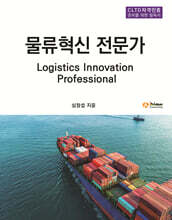

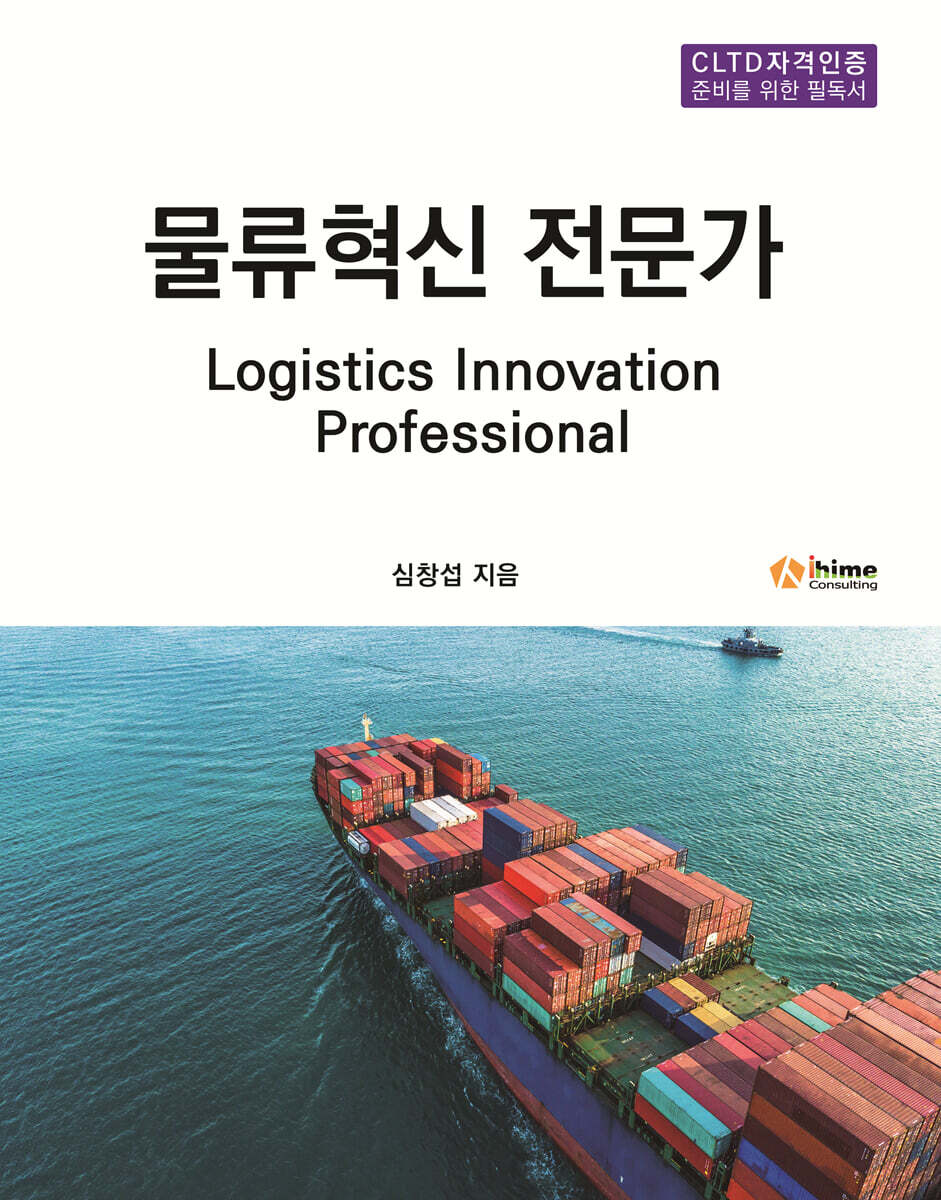
소개
목차
|
제1장 기업경영과 물류(Business and Logistics)
1.1 기업 경쟁력과 공급사슬관리(Business Competitiveness and Supply Chain Management) 1.2 물류의 기초 개념(Basic Concepts of Logistics) 제2장 국제물류 개요(International Logistics Overview) 2.1 국제물류 거시 환경(International Logistics Macro Environment) 2.2 국제무역 이론(International Trade Theories) 2.3 국제물류 트렌드(Trends in International Logistics) 제3장 창고 관리 기초(Warehousing Management Basics) 3.1 창고 전략, 소유권 및 역할 파악(Warehouse Strategy, Ownership, Role Identification) 3.2 창고 프로세스 및 주문 흐름 수립(Warehouse Processes and Order Flow Design) 제4장 창고 설계와 자동화(Warehouse Design and Automation) 4.1 창고 시설 레이아웃 및 성과 관리(Warehouse Facility Layout and Performance Management) 4.2 포장 업무(Packaging) 4.3 자재 취급 및 창고 자동화 통합(Material Handling, Warehouse Automation Integration) 제5장 운송 관리 기초(Transportation Management Basics) 5.1 운송의 기초(Transportation Fundamentals) 5.2 운송 비용 구조(Transportation Cost Structure) 제6장 운송 수단(Transportation Modes) 325 6.1 도로 운송 특성(Road Transportation Characteristics) 6.2 철도 운송 특성(Rail Transportation Characteristics) 6.3 항공 운송 특성(Air Transport Characteristics) 6.4 수상 운송 특성(Water(Ocean and Inland Waterway) Transportation Characteristics) 6.5 복합 운송, 기타 운송 수단(Multimodal Transportation and Other Transportation Modes) 제7장 글로벌 물류(Global Logistics) 7.1 국제 환경과 글로벌 인프라의 특성 분석(International Environment Global Infrastructure) 7.2 글로벌 물류 프로세스 규제 사항(Regulations into Global Logistics Processes) 7.3 수출입, 통관 및 서류 작업 지원(Export/Import, Customs Clearance, Documentation Support) 7.4 금융, 결제, 통화 및 세금 옵션/영향(Financial, Payment, Currency, Tax Options/Impacts) 제8장 물류 네트워크 설계(Logistics Network Design) 8.1 물류 네트워크 설계 프로세스(Logistics Network Design Process) 8.2 네트워크 및 운송 요구사항 평가(Network,Transportation Requirements Assessment) 8.3 시설 수, 유형 및 위치 결정(Determining Number, Type, and Location of Facilities) 8.4 다양한 네트워크 모델링 접근법 이해(Different Network Modeling Approaches) 참고문헌 색인 |
저자 소개 1
심창섭 대표(brian.shim@ihime.co.kr), CPIM, CSCP, CLTD, SCOR-P저자는 산업 현장, 컨설팅, 학계를 아우르며 30년 이상의 경력을 쌓아온 공급사슬관리 및 운영 분야의 전문가입니다.현재 아이하임컨설팅(iHiMe Consulting)의 대표이사로서, 공급사슬관리(SCM), 운영 전략, 디지털 전환 분야에서 글로벌 컨설팅과 경영진 교육을 이끌고 있습니다.저자는APICS의 CPIM 및 CSCP Master Instructor 자격을 보유하고 있으며, CPIM, CSCP, CLTD, SCOR-P 등 국제적으로 인정받는 자격을 갖추고 있습니다. 또한 한국
심창섭 대표(brian.shim@ihime.co.kr), CPIM, CSCP, CLTD, SCOR-P저자는 산업 현장, 컨설팅, 학계를 아우르며 30년 이상의 경력을 쌓아온 공급사슬관리 및 운영 분야의 전문가입니다.현재 아이하임컨설팅(iHiMe Consulting)의 대표이사로서, 공급사슬관리(SCM), 운영 전략, 디지털 전환 분야에서 글로벌 컨설팅과 경영진 교육을 이끌고 있습니다.저자는APICS의 CPIM 및 CSCP Master Instructor 자격을 보유하고 있으며, CPIM, CSCP, CLTD, SCOR-P 등 국제적으로 인정받는 자격을 갖추고 있습니다. 또한 한국 SCM학회 산업계 이사로 활동하며 공급망 분야의 발전에 기여하고 있습니다.학계에서는 중앙대학교 국제물류학과 겸임교수로서 국제물류를 강의하고 있으며, 한양대학교와 명지대학교 경영대학원에서도 강의한 바 있습니다.컨설팅 및 학계로 전환하기 이전에는 글로벌 IT 및 솔루션 기업에서 다양한 리더십 역할을 수행하였습니다. MRO Software Korea 한국지사장, IBM Korea Software Group 본부장, AspenTech Korea 아시아·태평양 SCM 컨설팅 총괄 디렉터를 역임하였으며, SAP Korea에서 ERP 및 공급망 컨설턴트로 활동했습니다. 또한 HP Korea에서는 구매, 자재관리, 마스터 스케줄링 등 실무 경험을 쌓았습니다.그의 전문 분야는 국제물류, 수요관리, 구매관리, 재고관리, ERP/SCP 시스템, 그리고 엔드투엔드 공급사슬 설계 및 최적화입니다.심창섭 대표는 다음과 같은 전문 서적의 저자이기도 합니다.* 물류혁신 전문가 (Logistics Innovation Professional)* 제조혁신 전문가 (Operations Innovation Professional)* 제조운영전략 전문가 (Operations Strategy Professional)* 공급사슬설계 전문가 (Supply Chain Designer)* 공급사슬 위험관리와 개선 (Supply Chain Risk Management and Improvement)* 수요관리 모범사례 (Demand Management Best Practices) * 번역서그는 전문적 공로를 인정받아 Marquis Who’s Who(2021*2022)에 등재되었습니다.심창섭 대표는 대학 및 기업체 강의, 집필, 컨설팅 활동을 통해 개인과 조직이 실질적인 역량을 구축하고, 더 나은 습관을 형성하며, 지속 가능한 성장을 이루도록 돕는 데 헌신하고 있습니다.
심창섭의 다른 상품

품목정보
- 발행일
- 2026년 01월 26일
- 지원기기
- 크레마,PC(윈도우 - 4K 모니터 미지원),아이폰,아이패드,안드로이드폰,안드로이드패드,전자책단말기(저사양 기기 사용 불가),PC(Mac)
- 파일/용량
- EPUB(DRM) | 32.73MB ?
- 글자 수/ 페이지 수
- 약 44.7만자, 약 12.9만 단어, A4 약 280쪽 ?
- ISBN13
- 9791198063335
