
소득공제
수입
직수입양서
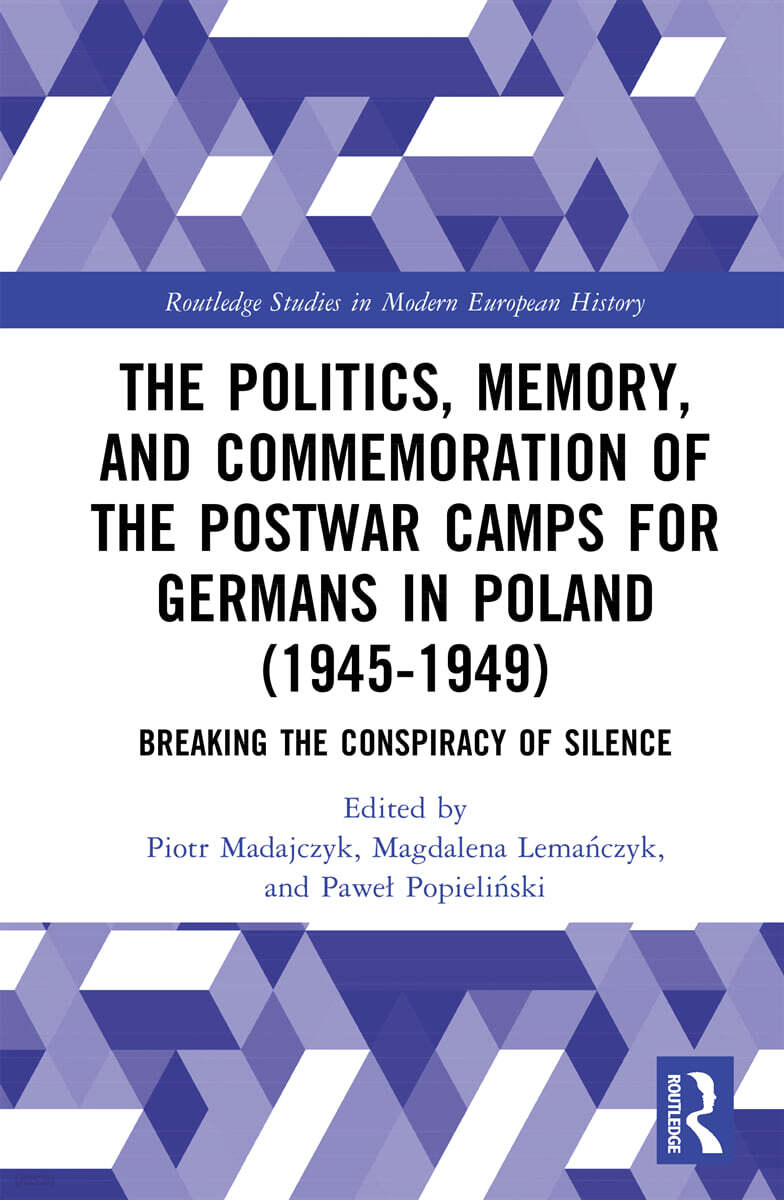
Politics, Memory, and Commemoration of the Postwar Camps for Germans in Poland (1945-1949)
Breaking the Conspiracy of Silence
Hardback, 1st Edition
Piotr Madajczyk, Magdalena Lemańczyk, Paweł Popielinski
Routledge
2026.07.27.
- 가격
-
402,020원10 361,810
- YES포인트?
-
18,100원 (5%) 마니아추가적립5만원 이상 구매 시 2천원 추가 적립
이미 소장하고 있다면 판매해 보세요.
- 국내배송만 가능
- 해외 거래처 사정에 의하여 품절/지연 가능
- 도서 정보 중 미표기 사항 안내?
- 문화비소득공제 가능
Routledge Studies in Modern European History
-
 Politics of Famine in European History and Memory 이동Politics of Famine in European History and Memory10% 100,950원
 -
History of the Communist Party of Cyprus, 1923–1944 이동History of the Communist Party of Cyprus, 1923–194410% 361,810원
-
Cult of the Supreme Being and the Pursuit of a Republic of Virtue in the French Revolution 이동Cult of the Supreme Being and the Pursuit of a Republic of Virtue in the French Revolution10% 361,810원
-
Politics, Memory, and Commemoration of the Postwar Camps for Germans in Poland (1945-1949) 이동Politics, Memory, and Commemoration of the Postwar Camps for Germans in Poland (1945-1949)10% 361,810원
-
In Search of Romanian Jewry Before, During, and After the Holocaust 이동In Search of Romanian Jewry Before, During, and After the Holocaust10% 361,810원
-
French-German Dynamic in an Age of Conflict, 1925–1963 이동French-German Dynamic in an Age of Conflict, 1925–196310% 100,950원
-
Educational Internationalism in the Cold War 이동Educational Internationalism in the Cold War10% 100,950원
-
Building Europe Through Education, Building Education Through Europe 이동Building Europe Through Education, Building Education Through Europe10% 100,950원
-
Gender, Emotion, and the Origins of Democracy in July Monarchy France 이동Gender, Emotion, and the Origins of Democracy in July Monarchy France10% 100,950원
-
Britain and Ireland from the Treaty to the Troubles 이동Britain and Ireland from the Treaty to the Troubles10% 100,950원
-
Heroes, Traitors, and Survivors in the Imperial Borderlands 이동Heroes, Traitors, and Survivors in the Imperial Borderlands10% 361,810원
-
International Monetary Fund and the World Bank in Southern Europe 이동International Monetary Fund and the World Bank in Southern Europe10% 361,810원
-
Woman Political Prisoner in Fascist Slovakia 이동Woman Political Prisoner in Fascist Slovakia10% 361,810원
-
United Kingdom and Spain in the Eighteenth Century 이동United Kingdom and Spain in the Eighteenth Century10% 100,950원
-
Irish Free State and the National Army, 1922–24 이동Irish Free State and the National Army, 1922–2410% 361,810원
책소개
목차
|
Introduction Characterising sociological studies Part I The memory of the camps in the political context In communist Poland Departure point: the 1940s The fear of remembering in the policies of the PPR security apparatus Politics and remembering the camps Łambinowice – the breaktrough of 1977 After the 1989 transition Breaking the taboo in Poland The memory of the camps Łambinowice, Świętochłowice, Potulice The significance and instrumentalisation of memory in the 21st century Part II Memory in flux The symbolism of the postwar camps in Poland and the problem of trauma Connotations Camp-related terminology and categorising prisoners A sense of stigma Memory and commemoration: between emotions and politics Motivations behind involvement in commemoration Sources of knowledge about the camps The problem of politicising commemoration Memory contexts: dimensions, creations, and (re)interpretations Language and narratives Obstacles to commemoration Suggested forms of commemoration Mysterious ways of commemorations: challenges and risks Challenges in holding commemoration Difficult cooperation on commemorating the camps Are we forgetting? The issue of the postwar camps in Poland in the Polish and German public spheres Concluding remarks APPENDIX Works cited Archives Polish press – national and regional periodicals Secondary sources Internet sources |
품목정보
- 발행일
- 2026년 07월 27일
- 쪽수, 무게, 크기
- 262쪽 | 670g | 160*230mm
- ISBN13
- 9781041289289
리뷰/한줄평0
상품정보안내
직수입외서의 경우, 해외거래처에서 제공하는 정보가 부족하여 제목, 표지, 가격, 유통상태 등의 정보가 미비하거나 변경되는 경우가 있습니다. 정확한 확인을 원하시는 경우, 일대일 상담으로 문의하여 주시면 답변 드리겠습니다.
(판형과 판수 등이 다양한 도서는 찾으시는 도서의 ISBN을 알려 주시면 보다 빠르고 정확한 안내가 가능합니다.)
해외거래처에서 품절인 경우, 2차 거래선을 통해 유럽과 미국 출판사로 직접 수입이 진행될 수 있습니다.
수입 진행 시점으로 부터 2~3주가 추가로 소요되며, 해외에서도 유통이 원활하지 않은 도서는 품절 안내가 지연될 수 있습니다.
해당 경우, 문자와 메일로 별도 안내를 드리고 있사오니 마이페이지에서 휴대전화번호와 메일주소를 다시 한번 확인해주시기 바랍니다.
(판형과 판수 등이 다양한 도서는 찾으시는 도서의 ISBN을 알려 주시면 보다 빠르고 정확한 안내가 가능합니다.)
해외거래처에서 품절인 경우, 2차 거래선을 통해 유럽과 미국 출판사로 직접 수입이 진행될 수 있습니다.
수입 진행 시점으로 부터 2~3주가 추가로 소요되며, 해외에서도 유통이 원활하지 않은 도서는 품절 안내가 지연될 수 있습니다.
해당 경우, 문자와 메일로 별도 안내를 드리고 있사오니 마이페이지에서 휴대전화번호와 메일주소를 다시 한번 확인해주시기 바랍니다.
361,810원
총 1개
361,810원