
- 국내배송만 가능
- 예약도서와 함께 주문 시 도서 출간일에 함께 배송됩니다. (출판사의 사정으로 출간 지연 가능)
- 해외 거래처 사정에 의하여 품절/지연 가능
- 도서 정보 중 미표기 사항 안내?
- 문화비소득공제 가능
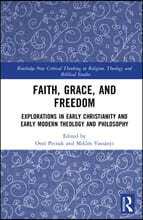
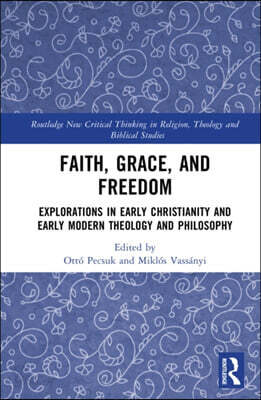
Routledge New Critical Thinking in Religion, Theology and Biblical Studies
-
 Jesus, the Gospels, and African Christianity 이동Jesus, the Gospels, and African Christianity10% 346,330원
 -
Tuvalu, Theology, and the Geopolitics of Climate Change 이동Tuvalu, Theology, and the Geopolitics of Climate Change10% 96,630원
-
Natural Final Causality and Scholastic Thought 이동Natural Final Causality and Scholastic Thought10% 96,630원
-
Divine Presence as Activity and the Incarnation 이동Divine Presence as Activity and the Incarnation10% 96,630원
-
Theological Dissent in Post-Vatican II Catholicism 이동Theological Dissent in Post-Vatican II Catholicism10% 346,330원
-
Structural Sin and the Death of Institutions 이동Structural Sin and the Death of Institutions10% 346,330원
-
Ethical Philosophy of Anselm of Canterbury 이동Ethical Philosophy of Anselm of Canterbury10% 211,430원
책소개
목차
|
Preface by the editors I. Augustine: Source and Synthesis |
품목정보
- 발행일
- 2026년 09월 22일
- 쪽수, 무게, 크기
- 330쪽 | 810g | 160*230mm
- ISBN13
- 9781041145554
사락 별점0
혜택 및 유의사항밑줄0
혜택 및 유의사항상품정보안내
(판형과 판수 등이 다양한 도서는 찾으시는 도서의 ISBN을 알려 주시면 보다 빠르고 정확한 안내가 가능합니다.)
해외거래처에서 품절인 경우, 2차 거래선을 통해 유럽과 미국 출판사로 직접 수입이 진행될 수 있습니다.
수입 진행 시점으로 부터 2~3주가 추가로 소요되며, 해외에서도 유통이 원활하지 않은 도서는 품절 안내가 지연될 수 있습니다.
해당 경우, 문자와 메일로 별도 안내를 드리고 있사오니 마이페이지에서 휴대전화번호와 메일주소를 다시 한번 확인해주시기 바랍니다.
