

- 가격
-
341,250원10 307,120
- YES포인트?
-
15,360원 (5%) 마니아추가적립5만원 이상 구매 시 2천원 추가 적립
- 국내배송만 가능
- 해외 거래처 사정에 의하여 품절/지연 가능
- 도서 정보 중 미표기 사항 안내?
- 문화비소득공제 가능
책소개
목차
|
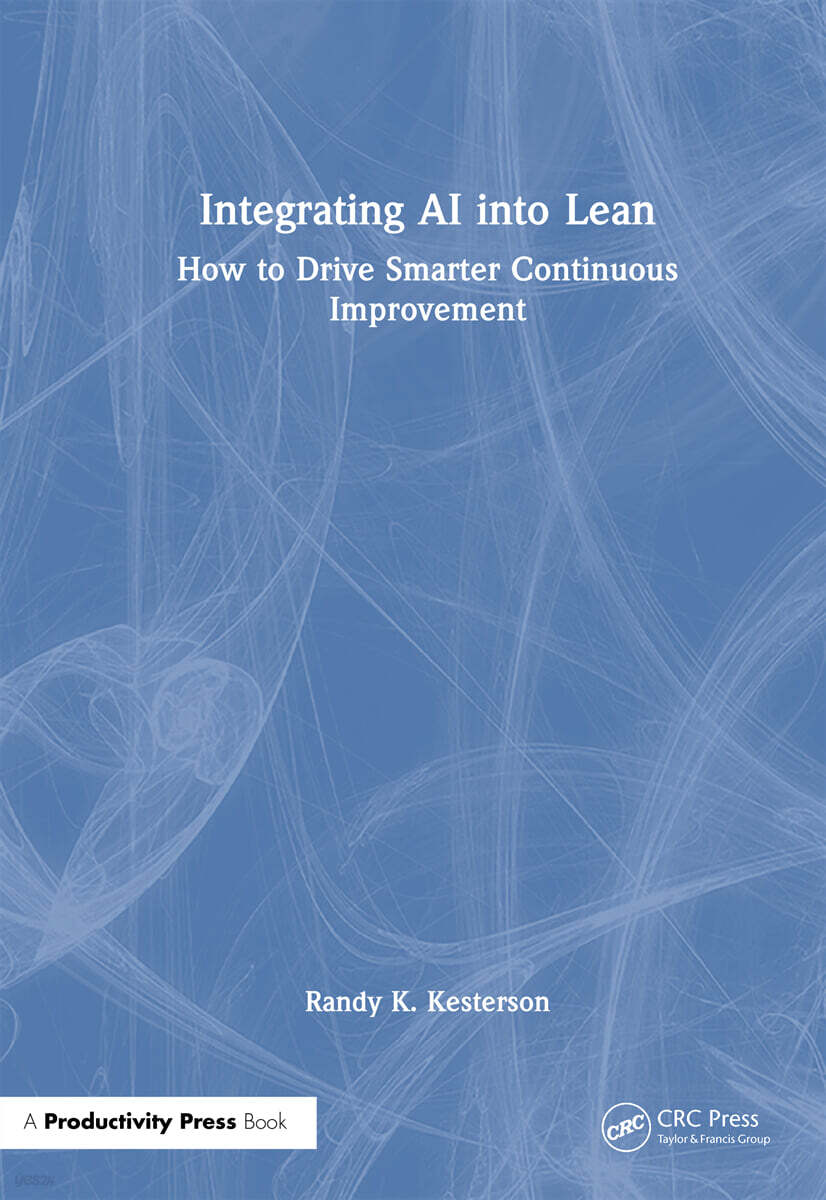
SECTION 1 - CONDITIONS: PRINCIPLES FOR LEAN + AI Chapter 1 - AI Does Not Fix Lean - It Reveals It Chapter 2 - Lean Must Lead - AI Must Follow Chapter 3 - Respect for People Is the Constraint Chapter 4 - Learning Speed - Not Efficiency - Is the Advantage Chapter 5 - Visibility Without Judgment Is Dangerous Chapter 6 - Gemba Cannot Be Digitized Chapter 7 - Small Experiments Build Trust - Big Launches Destroy It Chapter 8 - Capability, Not Tools, Determines the Outcome Chapter 9 - Lean Civilizes AI SECTION 2 - EVIDENCE: VOICES FROM THE FIELD Introduction: Why Voices Matter Expert–Question Map Chapter 10 - The Premise: Why Lean + AI, and Why Now Chapter 11 - Real-World Application: Where AI Meets Continuous Improvement Chapter 12 - Hopes, Risks, and Lessons Learned Chapter 13 – Change Management, Adoption, and Trust Chapter 14 – Practice and Process: Gemba, PDCA, and Digital Tools Chapter 15 – Foundations and Definitions Chapter 16 – Strategy, Leadership, and the Future Enterprise SECTION 3 - PRACTICE: LEADING LEAN + AI Chapter 17 - Where Leaders Go Wrong – and What to Do Instead Chapter 18 - What Must Be Stabilized Before Introducing AI Chapter 19 – How to Experiment with AI Without Damaging Learning Chapter 20 – Integrating AI in to Daily Management Without Losing Control Chapter 21 – Knowing When – and When Not – to Scale AI Chapter 22 - Sustaining Lean + AI Over Time Closing A Final Word on Co-Intelligence Expert Index |
관련 분류
품목정보
- 발행 예정일
- 미정
- 쪽수, 무게, 크기
- 132쪽 | 180*250mm
- ISBN13
- 9781041122326
리뷰/한줄평0
상품정보안내
(판형과 판수 등이 다양한 도서는 찾으시는 도서의 ISBN을 알려 주시면 보다 빠르고 정확한 안내가 가능합니다.)
해외거래처에서 품절인 경우, 2차 거래선을 통해 유럽과 미국 출판사로 직접 수입이 진행될 수 있습니다.
수입 진행 시점으로 부터 2~3주가 추가로 소요되며, 해외에서도 유통이 원활하지 않은 도서는 품절 안내가 지연될 수 있습니다.
해당 경우, 문자와 메일로 별도 안내를 드리고 있사오니 마이페이지에서 휴대전화번호와 메일주소를 다시 한번 확인해주시기 바랍니다.