- 판매자
-
사업자
유튜북
중고샵 판매자가 직접 등록/판매하는 상품으로 판매자가 해당 상품과 내용에 모든 책임을 집니다.
이미 소장하고 있다면 판매해 보세요.
- 한정판매의 특성상 재고 상황에 따라 품절 가능
- 문화비소득공제 가능
업체 공지사항
|
수험서.대학교재.학습지.참고서는 주문 접수 후 취소,반품,교환 불가상품입니다.
|
|
***구매전 필독 사항***
***결제 완료 후 익일부터 3일이내 발송입니다.(토.일.공휴일 제외)***
***대량 구매시 부피.무게에 따라 추가 택배비가 발생 될 수 있습니다.
***반품시 반품택배비 1건당 추가 5,000원입니다.
|
중고도서 소개
|
목차
|
Foreword ····························································································· 4
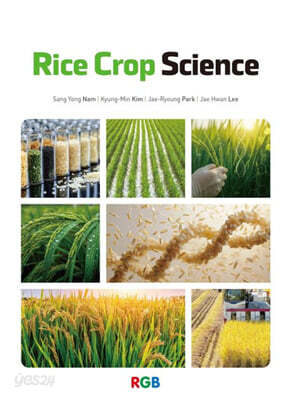
Chapter 1. Introduction ··································································· 7 Classification and Current Status of Food Crops ·········································· 8 Current Status of World Agriculture ························································· 15 Current Status of Agriculture in Korea ····················································· 17 Classification of Rice and Current Status in Korea ······································ 26 Chapter 2. Rice Morphology and Structure ····································· 41 Seeds of Rice ····················································································· 42 Rice Root System ··············································································· 46 Leaves ······························································································ 50 Rice Culm (Stem) ················································································ 57 Rice Floral Organs ·············································································· 59 Rice Panicle ······················································································· 61 Chapter 3. Growth and Development ··········································· 63 Vegetative Growth and Reproductive Growth ············································· 65 Germination and Dormancy ··································································· 70 Growth of Rice Seedlings ······································································ 79 Root Growth ······················································································ 80 Leaf Growth in Rice ············································································· 85 Culm (Stem) Growth in Rice ·································································· 88 Panicle Development ··········································································· 96 Heading and Flowering ········································································· 99 Photosynthesis and Respiration ···························································· 111 Transpiration and Water Requirement in Rice Cultivation ···························· 125 Yield Formation ················································································· 127 Chapter 4. Varieties and Genetic Breeding ································· 141 Characteristics of Rice Varieties ···························································· 142 Rice Breeding and Physiological-Ecological Characteristics ··························· 156 Chapter 5. Cultivation Environment of Rice ································ 167 Climatic Environment ········································································ 168 Nitrogen Cycle in Paddy Soils ······························································ 170 Types and Characteristics of Paddy Soils ················································· 173 Improvement of Paddy Soils ································································ 175 Nutritional Conditions and Rice Quality ·················································· 178 Chapter 6. Rice Cultivation Technology ····································· 179 Rice Cultivation Systems ···································································· 180 Nutrients and Fertilization ································································· 197 Water Management of Paddy Fields ······················································ 212 Chapter 7. Rice Crop Protection ················································ 223 Control of Rice Diseases ··································································· 224 Insect Pest Control ··········································································· 236 Weed Control ················································································· 243 Meteorological Disasters ··································································· 252 Chapter 8. Special Cultivation and Eco-Friendly Cultivation ····· 265 Cultural Practice ············································································· 266 Direct Seeding Culture ······································································ 273 Environmentally Friendly Cultivation ···················································· 277 Cropping Systems ············································································ 286 Chapter 9. Quality and Post-Harvest Management ····················· 291 Postharvest Management ··································································· 292 Rice Milling ··················································································· 298 Distribution of Rice ········································································· 304 Rice Quality and Functionality ···························································· 310 Nutritional and Cooking Properties of Rice ············································· 323 Utilization and Processing of Rice ························································ 330 Utilization of By-products ·································································· 339 Appendix ························································································· 341 References ··················································································· 342 Index ·························································································· 343 |
관련 분류
- 카테고리 분류
품목정보
- 발행일
- 2026년 02월 01일
- 쪽수, 무게, 크기
- 348쪽 | 185*256*30mm
- ISBN13
- 9788998180478
출판사 리뷰
|
Foreword (머리말)
Rice is vital to more than half the world's population. It is the most important food grain in the diets of hundreds of millions of Asians, Africans, and Latin Americans living in the tropics and subtropics. Rice will continue to be their primary source of food. Rice can be cultivated throughout our country and is well suited to the climate. It has been passed down from our ancestors and has permeated our lives as farming techniques, traditional proverbs, and traditional learning. Rice is deeply connected to life, religion, and culture beyond being a staple food in our country. It is no exaggeration to say that it is a kind of life itself. Since ancient times, agriculture has been the foundation of the world, and various seasonal customs could be understood only if one knew about rice. In order to cultivate rice well, people were allowed to marry and branch off their families if they understood the farming seasons and the 24 solar terms. Rice has been heaven and a lifeline for generations. When there was a good harvest, the population increased, and when there was a bad harvest, the king was driven out. Even if it meant starving to death due to Boritgogae(period of spring poverty), rice seeds had to be preserved. It was a desperate life, and agricultural techniques were taught to the best of their ability. Its cultivation history is also the oldest among cultivated crops, and it has a history and trajectory that goes back thousands of years. The green revolution that began in the 1960s succeeded with Tongilbyeo in the 1970s, and now, with a self-sufficiency rate of 100%, there is a surplus of rice, and storage warehouses are running out, and due to storage costs, they are considering using it as livestock feed, and many rice varieties for actual feed have been developed. In the meantime, the food self-sufficiency rate has dropped to 23%, and the protein content has dropped below 6% due to the emphasis on taste rather than quantity and the increasing demand for quality. However, as the number of cases of planting other crops has increased due to the alternative crop policy, and the area of rice fields itself has decreased, there are growing voices calling for food security and emergency preparedness. Rice is an excellent food that is easy to digest, tastes good, and provides high-quality energy. It has higher yields and quality than any other crop in the world, and its environmental conservation function, water resource protection, and emotional functions such as landscape are irreplaceable. In addition, with excellent cultivation technology and variety development that has increased the mechanization rate to 98%, there is no great difficulty in actual cultivation, and the related agricultural infrastructure is well-established. These facilities cannot be built overnight, so they are crops that deserve to be protected. We cannot imagine agriculture without rice, nor can we secure happiness or a future without growing rice. Some may argue that it is a simple economic logic, but once the rice production base collapses, it takes much more effort, time, and money to restore it, so we should not judge the core industry that is directly related to life and health by economic logic alone. Rather, we should acknowledge and be grateful that the development of our country's agricultural industry has reached this level due to the devaluation and sacrificial policy of agriculture. Agriculture and the rice industry must be protected and respected as a top priority under any circumstances. Otherwise, we do not know when or how our lives will collapse. We still believe that our abundance and happiness are built on the foundation of the devalued sacrifices of farmers, just like the unconditional sacrifices of our parents. Now, we should be grateful to and respect farmers and pursue a harmonious industrial policy. Agriculture is a happy industry and a life industry, so we must do it even if it means suffering losses, and if we do it, it can become an enjoyable industry. The protection and support policy for agriculture is something that is universally acknowledged around the world. The more developed a country is, the stronger its agriculture is. Nevertheless, it supports and protects. It is true that our country also provides a lot of support, but it still seems insufficient. I would be more than happy if this book were used as a valuable textbook for lectures or civil service exams. There are still many shortcomings. I sincerely hope that you will correct the shortcomings and errors so that it can become a better textbook. March 3, 2026 From Sang Yong Nam at the foot of Bul-am Mountain |
상품정보안내
- 주문 전 중고상품의 정확한 상태 및 재고 문의는 [판매자에게 문의하기]를 통해 문의해 주세요.
- 주문완료 후 중고상품의 취소 및 반품은 판매자와 별도 협의 후 진행 가능합니다. 마이페이지 > 주문내역 > 주문상세 > 판매자 정보보기 > 연락처로 문의해 주세요.
판매자 정보
- 업체명
- 스타북스
- 대표자명
- 김진훈
- 사업자 등록번호
- 589-97-00691
- 사업자 종목
- 전자상거래(서적)
- 고객 상담 전화번호(유선)
- 070-4467-1914
- 고객 상담 이메일
- purejhjh@naver.com
- 배송 방법
- 타사택배(CJ대한통운)
- 본사 소재지
- 경기도 파주시 다율동 982 청석마을 운정 동문 THE EST (803동) 1002호
- 발송지 주소
- 경기도 고양시 일산서구 구산동 16-1 3동 물류센터
- 반품지 주소
- 경기도 고양시 일산서구 구산동 16-1 3동 물류센터
부적합 상품 신고하기
신고하기- 구매에 부적합한 상품은 신고해주세요.
- 구매하신 상품의 상태, 배송, 취소 및 반품 문의는 판매자 묻고 답하기를 이용해주세요.
- 상품정보 부정확(카테고리 오등록/상품오등록/상품정보 오등록/기타 허위등록) 부적합 상품(청소년 유해물품/기타 법규위반 상품)
- 전자상거래에 어긋나는 판매사례: 직거래 유도
29,690원
총 1개
29,690원