
직수입외서는 변심/착오로 인해 주문을 취소할 경우 해외주문 취소수수료 20%가 부과됩니다.?
이미 소장하고 있다면 판매해 보세요.
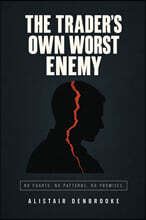
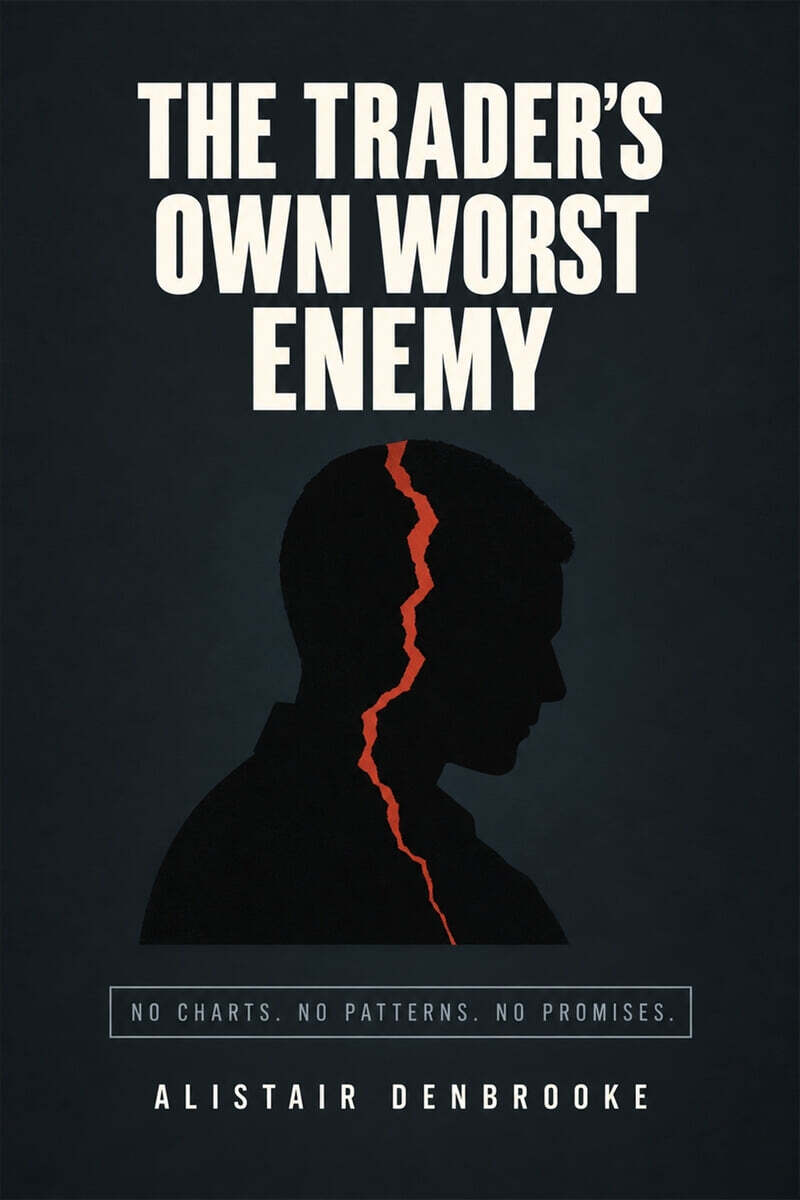
Most trading losses do not happen when you read the chart. They happen in the eight seconds between the idea and the click.
You already know what you should have done. You knew the position was too big and you took it anyway. You knew where you were wrong, and when price arrived you decided the level was not really the level. You knew you had hit your daily limit, and you opened one more.
This book is about that gap - not about markets.
Be clear about what this is not. There are no charts in this book. It is not a pattern atlas, not a candlestick encyclopaedia, not a course. No entries, no exits, no indicator settings, no signals, no bots, no bonus, no link. If you are looking for shapes with names, this is the wrong book. Recognising the shape was never the difficult part.
WHAT'S INSIDE
- Why you enter late, and why "waiting for confirmation" is usually reputation management aimed at yourself
- Why you exit early, and the reference point that quietly turns a winner into a loser in your head
- The moved stop: why it feels like intelligence beating bureaucracy, and why it is rewarded often enough to destroy you
- The recovery trap after a loss, the escalation ladder, and the ninety-second window where a rule can still hold
- Trading out of boredom, and the uncomfortable arithmetic of separating your criteria-met trades from the rest
- The illusion of control, and why confidence gets converted into position size
- Sleep, fatigue and hunger: the one variable in your trading that is measurable, modifiable, and almost always ignored
- The written plan built as a genuine constraint, with named failure clauses and a revision protocol
- The journal, and the three things actually worth recording
- How to stop after a losing streak without escalating and without compulsively redesigning what you have
첫번째 리뷰어가 되어주세요.
첫번째 한줄평을 남겨주세요.
클린봇으로 착한 글만 확인해보세요!
클린봇이 부적절한 글을 감지 중입니다.
첫번째 별점을 남겨주세요.
첫번째 밑줄을 남겨주세요.