
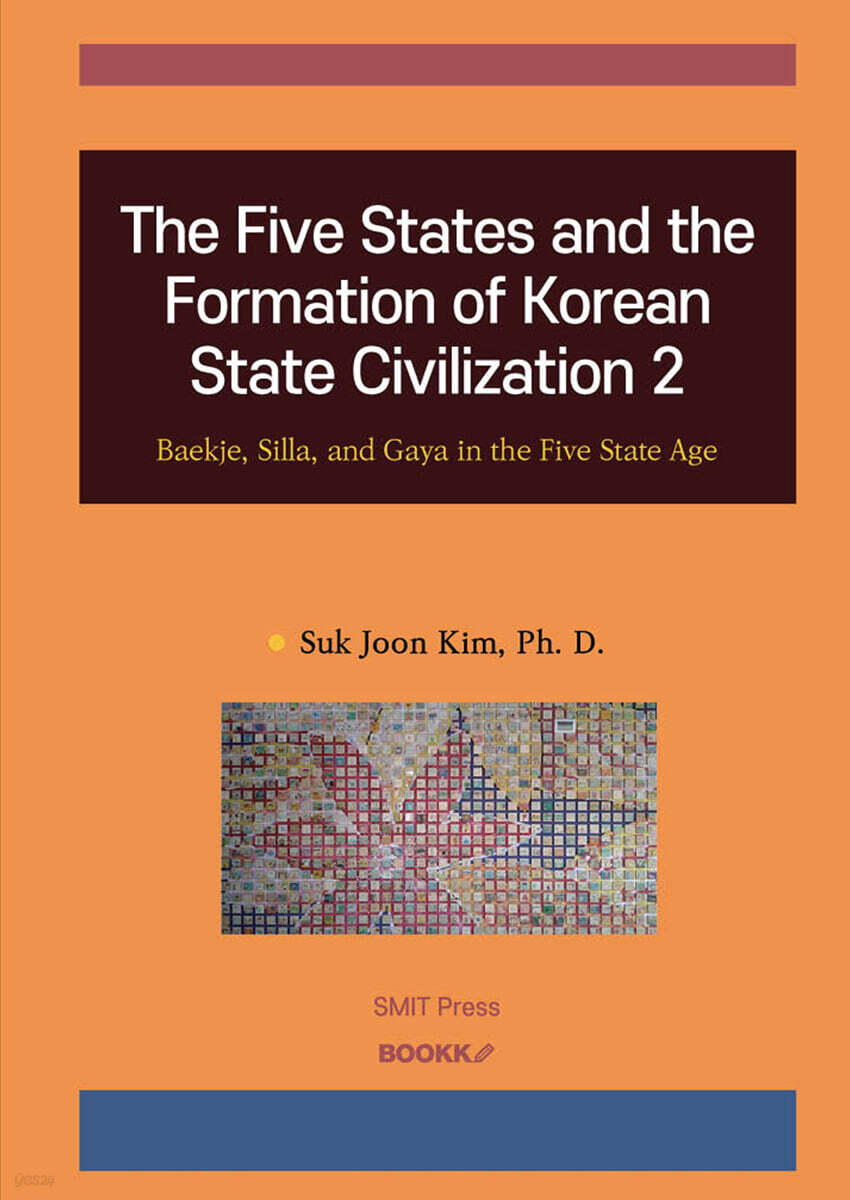
- 주문 후 제작되는 개인 오더 도서로 신중한 구매를 부탁드리며, 발송까지 7일가량 소요됩니다.
이미 소장하고 있다면 판매해 보세요.
- 국내배송만 가능
- 문화비소득공제 가능
책소개
목차
|
Contents
Preface 3 Contents 15 PART IV THE STATE AND ADMINISTRATION OF BAEKJE 37 CHAPTER 11 State Formation and Royal Authority in Baekje 37 I. Baekje as a State Tradition 39 II. Sources and Historiographical Problems 41 III. The Geographical Foundations of Baekje 42 IV. Mahan and the Political Context of State Formation 44 V. The Onjo Foundation Tradition 45 VI. Early Kingship and Aristocratic Power 46 VII. Territorial Growth and the Strengthening of Kingship 47 VIII. King Goi and Institutional Consolidation 48 IX. Royal Succession and Dynastic Competition 50 X. King Geunchogo and the Expansion of Royal Power 51 XI. Baekje’s Maritime Kingship 52 XII. Buddhism and Royal Authority 53 XIII. Hanseong as a Royal Capital 54 XIV. Fifth-Century Geopolitical Crisis 55 XV. The Ungjin Transition 56 XVI. Aristocratic Factions in the Ungjin Period 57 XVII. King Dongseong and Royal Rebalancing 58 XVIII. King Muryeong and the Reconstruction of Monarchy 58 XIX. King Seong and the Sabi Transformation 60 XX. Capitals and the Development of Royal Authority 61 XXI. Sources of Baekje Royal Power 62 XXII. Royal Authority and Aristocratic Government 63 XXIII. Royal Law and Public Order 64 XXIV. Royal Ritual and Political Theology 65 XXV. Royal Diplomacy 66 XXVI. Crises of Royal Authority 66 XXVII. Mechanisms of Royal Recovery 67 XXVIII. Comparative Development of Selected Kings 68 XXIX. Baekje as an Adaptive Royal-Maritime Monarchy 69 XXX. State Capacity and Royal Authority 70 XXXI. Social and Moral Dimensions of Royal State Formation 70 XXXII. Historical Significance 71 XXXIII. Conclusion 72 CHAPTER 12 Central Administration and Bureaucracy in Baekje 77 I. The Problem of Baekje Bureaucracy 79 II. Sources for Baekje’s Central Administration 80 III. Historical Phases of Central Administration 82 IV. The King as Head of Central Administration 84 V. The Royal Palace Administration 85 VI. The Sixteen Official Ranks 86 VII. The JwapyeongOrder 88 VIII. The Sangjwapyeong and Chief Ministerial Government 91 IX. The Twenty-Two Central Departments 92 X. A Functional Reconstruction of the Departmental System 93 XI. Rank, Office, and Aristocratic Status 96 XII. Official Dress and the Visual Administration of Rank 97 XIII. Central Fiscal Administration 98 XIV. Documentary Administration 99 XV. Law and Judicial Bureaucracy 101 XVI. Military Central Administration 102 XVII. Diplomatic Bureaucracy 102 XVIII. Buddhist Administration 103 XIX. Education and Specialist Personnel 104 XXI. Capital Administration at Sabi 106 XXII. Iksan as a Secondary Royal Center 107 XXIII. Central–Local Administrative Relations 108 XXIV. Recruitment and Careers 109 XXV. Administrative Accountability 110 XXVI. Bureaucratic Capacity 110 XXVII. Strengths of Baekje Bureaucracy 111 XXVIII. Weaknesses and Contradictions 112 XXIX. Comparison with Other Five-State Systems 113 XXX. Was Baekje a Bureaucratic State? 114 XXXI. The Bureaucracy as a Political Bargain 115 XXXII. Bureaucracy and the Fall |
품목정보
- 발행일
- 2026년 10월 15일
- 쪽수, 무게, 크기
- 760쪽 | 188*254mm
- ISBN13
- 9791112322999
사락 별점0
혜택 및 유의사항밑줄0
혜택 및 유의사항
64,700원
총 1개
64,700원
