
- PDF 안내
-
이 상품은 구매 후 지원 기기에서 예스24 eBook앱 설치 후 바로 이용 가능한 상품입니다.
상세 이미지

소개
목차
|
서문 | Preface 제1부. 고대 그리스 ? 세상은 무엇이며 어떻게 알 수 있을까 | Part 1. Ancient Greece ? What Is the World, and How Can We Know It? 제1장. 자연과 앎의 시작을 묻다 | Chapter 1. Asking How Nature and Knowledge Begin 001. 탈레스 ? 세상을 물이라는 하나의 근원으로 설명하기 | Thales ? Explaining the World Through Water 002. 아낙시만드로스 ? 모든 것의 시작은 익숙한 물질일까 | Anaximander ? Must Everything Begin with Familiar Matter? 003. 아낙시메네스 ? 공기가 달라지면 다른 물질이 될까 | Anaximenes ? Can Changes in Air Make Different Materials? 004. 피타고라스 ? 영혼에 대한 믿음은 생활을 어떻게 바꿀까 | Pythagoras ? How Do Beliefs About the Soul Shape Life? 005. 크세노파네스 ? 우리는 신을 우리 모습대로 그리는가 | Xenophanes ? Do We Imagine Gods in Our Own Image? 006. 헤라클레이토스 ? 변하는 세상에도 질서가 있을까 | Heraclitus ? Can There Be Order in a Changing World? 007. 파르메니데스 ? 있는 것이 아무것도 없는 데서 생길까 | Parmenides ? Can Something Come from Nothing? 008. 알크마이온 ? 느끼는 것과 이해하는 것은 다르다 | Alcmaeon ? Sensing Is Different from Understanding 009. 아낙사고라스 ? 뒤섞인 세계에는 무엇이 질서를 줄까 | Anaxagoras ? What Brings Order to a Mixed World? 010. 엠페도클레스 ? 합쳐지고 갈라지며 세상이 달라진다 | Empedocles ? The World Changes by Joining and Separating 011. 엘레아의 제논 ? 목적지까지 반씩 가면 도착할 수 있을까 | Zeno of Elea ? Can We Arrive by Going Halfway Each Time? 012. 프로타고라스 ? 같은 바람이 왜 다르게 느껴질까 | Protagoras ? Why Can the Same Wind Feel Different? 013. 고르기아스 ? 말은 어떻게 사람의 마음을 움직일까 | Gorgias ? How Can Words Move Our Minds? 014. 사모스의 멜리소스 ? 참으로 있는 것에 끝이 있을까 | Melissus of Samos ? Can What Truly Exists Have a Limit? 015. 필롤라오스 ? 서로 다른 것들은 어떻게 조화를 이룰까 | Philolaus ? How Can Different Things Form a Harmony? 제2장. 사람과 삶을 향해 넓어지는 질문 | Chapter 2. Questions That Reach into Human Life 016. 소크라테스 ? 안다고 믿는 것을 다시 묻기 | Socrates ? Questioning What We Think We Know 017. 프로디코스 ? 비슷한 말도 뜻은 다를 수 있다 | Prodicus ? Similar Words Can Mean Different Things 018. 데모크리토스 ? 작은 입자와 빈 공간으로 세상을 설명하기 | Democritus ? Explaining the World with Atoms and Empty Space 019. 안티스테네스 ? 좋은 사람은 말보다 실천으로 드러난다 | Antisthenes ? Good Character Shows Itself in Practice 020. 아리스티포스 ? 지금의 즐거움을 얼마나 중요하게 볼까 | Aristippus ? How Much Should We Value Pleasure Now? 021. 아르키타스 ? 공정하게 나누려면 어떤 기준이 필요할까 | Archytas ? What Makes a Way of Sharing Fair? 022. 크세노폰 ? 스스로를 다스리는 힘은 왜 필요할까 | Xenophon ? Why Do We Need Self-Control? 023. 플라톤 ? 눈에 보이는 것이 현실의 전부일까 | Plato ? Is What We See the Whole of Reality? 024. 시노페의 디오게네스 ? 남들이 원하는 것을 나도 원해야 할까 | Diogenes of Sinope ? Must I Want What Everyone Else Wants? 025. 스페우시포스 ? 하나를 알려면 다른 것과 비교해야 할까 | Speusippus ? Must We Compare Things to Know Them? 026. 크세노크라테스 ? 자연과 삶과 논리를 함께 배워야 할까 | Xenocrates ? Should We Study Nature, Life, and Reason Together? 027. 아리스토텔레스 ? 좋은 삶은 매일의 습관에서 자란다 | Aristotle ? A Good Life Grows Through Practice 제2부. 헬레니즘과 로마 그리고 후기 고대 ? 어떻게 살고 마음을 돌볼까 | Part 2. Hellenistic, Roman, and Late Ancient Thought ? How Should We Live and Care for Our Minds? 제3장. 삶의 태도와 마음의 평정 | Chapter 3. Ways of Living and Peace of Mind 028. 테오프라스토스 ? 작은 차이를 관찰하면 자연이 보인다 | Theophrastus ? Small Differences Help Us Understand Nature 029. 테베의 크라테스 ? 철학은 거리에서도 실천할 수 있다 | Crates of Thebes ? Philosophy Can Be Practiced in the Streets 030. 피론 ? 섣불리 단정하지 않으면 평온해질까 | Pyrrho ? Can Avoiding Quick Judgments Bring Peace? 031. 히파르키아 ? 남들이 정한 여성의 삶을 거부하다 | Hipparchia ? Choosing a Life Beyond Gender Rules 032. 에피쿠로스 ? 덜 바라면 더 편안해질 수 있다 | Epicurus ? Wanting Less Can Bring Peace 033. 키티온의 제논 ? 서로 충돌하지 않는 삶의 기준 세우기 | Zeno of Citium ? Building a Life That Fits Together 034. 클레안테스 ? 나는 자연 전체와 어떻게 연결되어 있을까 | Cleanthes ? How Am I Part of Nature as a Whole? 035. 아르케실라오스 ? 확실하다는 느낌만으로 믿어도 될까 | Arcesilaus ? Is a Feeling of Certainty Enough? 036. 크리시포스 ? 원인이 정해져 있어도 선택에 책임질까 | Chrysippus ? Can We Be Responsible in a World of Causes? 037. 카르네아데스 ? 완전히 확실하지 않아도 행동할 수 있을까 | Carneades ? Can We Act Without Being Completely Certain? 038. 키케로 ? 즐거움과 올바름 중 무엇이 더 좋을까 | Cicero ? Which Matters More, Pleasure or Doing Right? 039. 루크레티우스 ? 태어나기 전을 두려워하지 않는 이유 | Lucretius ? Why Do We Not Fear the Time Before Birth? 040. 알렉산드리아의 필론 ? 성서 이야기를 철학으로 읽을 수 있을까 | Philo of Alexandria ? Can We Read Sacred Stories Through Philosophy? 041. 세네카 ? 분노하기 전에 내 판단을 살펴보기 | Seneca ? Looking at Our Judgments Before Acting in Anger 042. 무소니우스 루푸스 ? 여성과 남성에게 같은 철학 교육을 | Musonius Rufus ? The Same Philosophical Education for Women and Men 043. 플루타르코스 ? 삶에는 운명과 우연과 선택이 얽혀 있다 | Plutarch ? Fate, Chance, and Choice Shape Our Lives 044. 에픽테토스 ? 내게 달린 것에 힘을 기울이기 | Epictetus ? Putting Our Effort into What Is Up to Us 045. 마르쿠스 아우렐리우스 ? 함께 사는 사람을 위한 일을 찾기 | Marcus Aurelius ? Finding Our Part in a Shared World 제4장. 자유와 영혼 그리고 사상의 전승 | Chapter 4. Freedom, the Soul, and the Passing On of Ideas 046. 섹스투스 엠피리쿠스 ? 서로 맞서는 주장을 끝까지 살펴보기 | Sextus Empiricus ? Examining Arguments on Both Sides 047. 아프로디시아스의 알렉산드로스 ? 다르게 할 수 있어야 자유로운 선택일까 | Alexander of Aphrodisias ? Must a Free Choice Allow Another Possibility? 048. 오리게네스 ? 자유롭게 선택한다면 잘못도 내 책임일까 | Origen ? Does Freedom Make Us Responsible for Wrongdoing? 049. 플로티노스 ? 많은 것의 바탕에 하나가 있을까 | Plotinus ? Can One Source Underlie Many Things? 050. 포르피리오스 ? 동물에게도 해를 끼치지 말아야 할까 | Porphyry ? Should We Avoid Harming Animals Too? 051. 이암블리코스 ? 생각만으로 영혼을 바꿀 수 있을까 | Iamblichus ? Can Thought Alone Transform the Soul? 052. 니사의 그레고리오스 ? 더 나은 사람이 되는 일에 끝이 있을까 | Gregory of Nyssa ? Is There an End to Becoming Better? 053. 아우구스티누스 ? 과거와 미래는 지금 어디에 있을까 | Augustine ? Where Are the Past and Future Now? 054. 히파티아 ? 배우고 가르치며 철학의 길을 잇다 | Hypatia ? Keeping Philosophy Alive Through Teaching 055. 프로클로스 ? 원인과 결과는 어떻게 연결되어 있을까 | Proclus ? How Are Causes and Effects Connected? 056. 보에티우스 ? 행운을 잃으면 행복도 사라질까 | Boethius ? Does Losing Good Fortune Mean Losing Happiness? 057. 요하네스 필로포노스 ? 위대한 스승의 자연 설명도 따져 묻기 | John Philoponus ? Questioning a Great Teacher's Account of Nature 제3부. 중세의 여러 철학 전통 ? 믿음과 이성은 어떻게 만날까 | Part 3. Medieval Philosophical Traditions ? How Can Faith and Reason Meet? 제5장. 여러 전통이 함께 묻는 믿음과 이성 | Chapter 5. Faith and Reason across Traditions 058. 알킨디 ? 다른 문화에서 온 진리도 배울 수 있다 | Al-Kindi ? Truth Can Teach Us Across Cultures 059. 요하네스 스코투스 에리우게나 ? 권위 있는 말도 이성으로 이해해야 할까 | John Scottus Eriugena ? Should Reason Examine Words of Authority? 060. 알파라비 ? 좋은 도시는 어떤 삶을 도와야 할까 | Al-Farabi ? What Kind of Life Should a Good City Support? 061. 이븐 시나 ? 무엇인지 아는 것과 존재하는 것은 다르다 | Avicenna ? Knowing What Something Is Does Not Make It Exist 062. 이븐 가비롤 ? 눈에 보이지 않는 것에도 바탕과 형식이 있을까 | Solomon Ibn Gabirol ? Can Unseen Things Have Matter and Form? 063. 안셀무스 ? 믿는다는 것은 이해를 포기하는 일일까 | Anselm ? Does Belief Mean Giving Up Understanding? 064. 알가잘리 ? 늘 함께 일어나면 반드시 원인과 결과일까 | Al-Ghazali ? Must Events That Go Together Be Necessarily Linked? 065. 피에르 아벨라르 ? 행동을 판단할 때 의도를 어디까지 볼까 | Peter Abelard ? How Much Should Intentions Matter When We Judge Actions? 066. 이븐 바자 ? 사회와 생각이 달라도 좋은 삶을 지킬까 | Ibn Bajja ? Can We Live Well When Others Think Differently? 067. 엘로이즈 ? 사랑은 보상을 바라지 않을 수 있을까 | Heloise ? Can Love Ask for Nothing in Return? 068. 이븐 투파일 ? 혼자 관찰하며 어디까지 배울 수 있을까 | Ibn Tufayl ? How Much Can We Learn by Observing on Our Own? 069. 솔즈베리의 존 ? 통치자도 법에 자신을 묶어야 할까 | John of Salisbury ? Should a Ruler Also Be Bound by Law? 070. 이븐 루시드 ? 철학과 신앙은 함께 진리를 찾을 수 있을까 | Averroes ? Can Philosophy and Faith Seek Truth Together? 071. 마이모니데스 ? 신에 대해 무엇을 말할 수 없을까 | Maimonides ? What Can We Not Say About God? 제6장. 배움과 논증으로 넓어지는 중세의 질문 | Chapter 6. Medieval Questions Expanded through Learning and Reasoning 072. 알베르투스 마그누스 ? 책에서 읽은 자연을 직접 살펴보기 | Albert the Great ? Looking at Nature Beyond the Books 073. 로저 베이컨 ? 배운 내용은 경험으로도 확인해야 할까 | Roger Bacon ? Should Experience Test What We Learn? 074. 보나벤투라 ? 변하는 마음은 어떻게 변치 않는 진리를 알까 | Bonaventure ? How Can a Changing Mind Know Lasting Truth? 075. 토마스 아퀴나스 ? 이성으로 함께 지킬 도덕을 찾을 수 있을까 | Thomas Aquinas ? Can Reason Help Us Find a Shared Moral Law? 076. 라몬 룰 ? 믿음이 다른 사람과 어떻게 논증할까 | Ramon Llull ? How Can We Reason Across Different Faiths? 077. 마이스터 에크하르트 ? 붙잡으려는 마음을 놓아 볼 수 있을까 | Meister Eckhart ? Can We Let Go of the Need to Hold On? 078. 둔스 스코투스 ? 우리를 서로 다른 한 사람으로 만드는 것은 | John Duns Scotus ? What Makes Each of Us This Particular Person? 079. 파도바의 마르실리우스 ? 법을 만드는 힘은 누구에게 있어야 할까 | Marsilius of Padua ? Who Should Have the Power to Make Laws? 080. 윌리엄 오컴 ? 설명에 꼭 필요하지 않은 가정을 줄이기 | William of Ockham ? Using Only the Assumptions We Need 081. 장 뷔리당 ? 판단이 서지 않으면 선택을 미룰 수 있을까 | John Buridan ? Can We Delay a Choice to Think Again? 082. 니콜 오렘 ? 지구가 움직인다고 가정해 보면 어떨까 | Nicole Oresme ? What If We Suppose the Earth Moves? 제4부. 르네상스와 근대로의 이행 ? 인간은 삶과 사회를 바꿀 수 있을까 | Part 4. The Renaissance and the Move toward Modernity ? Can We Change Our Lives and Society? 제7장. 인간의 가능성과 배움의 재발견 | Chapter 7. Rediscovering Human Possibility and Learning 083. 프란체스코 페트라르카 ? 많이 아는 것보다 잘 사는 것이 중요할까 | Francesco Petrarch ? Does Living Well Matter More Than Knowing Much? 084. 크리스틴 드 피장 ? 여성의 능력을 편견 없이 볼 수 있을까 | Christine de Pizan ? Can We Judge Women's Abilities Without Prejudice? 085. 니콜라우스 쿠사누스 ? 모르는 범위를 아는 것도 앎이다 | Nicholas of Cusa ? Knowing Our Limits Is Part of Knowing 086. 로렌초 발라 ? 권위 있는 문서도 말과 역사를 따져 보기 | Lorenzo Valla ? Testing Old Authorities Through Words and History 087. 이소타 노가롤라 ? 책임을 성별에 따라 다르게 물어도 될까 | Isotta Nogarola ? Should Blame Depend on Gender? 088. 마르실리오 피치노 ? 아름다움을 향한 사랑은 우리를 어디로 이끌까 | Marsilio Ficino ? Where Can the Love of Beauty Lead Us? 089. 피에트로 폼포나치 ? 영혼이 영원한지는 이성만으로 증명할까 | Pietro Pomponazzi ? Can Reason Alone Prove the Soul Lives Forever? 090. 피코 델라 미란돌라 ? 인간은 어떤 존재가 될지 선택할 수 있을까 | Giovanni Pico della Mirandola ? Can We Choose What We Become? 091. 에라스뮈스 ? 갈등 속에서도 평화를 먼저 생각할까 | Erasmus ? Can We Put Peace First in Times of Conflict? 제8장. 정치와 자연을 새롭게 바라보다 | Chapter 8. New Ways of Looking at Politics and Nature 092. 니콜로 마키아벨리 ? 좋은 뜻만으로 나라를 다스릴 수 있을까 | Niccolo Machiavelli ? Are Good Intentions Enough to Govern Well? 093. 토머스 모어 ? 낯선 사회를 상상하면 우리 사회가 보일까 | Thomas More ? Can an Imagined Society Help Us See Our Own? 094. 프란시스코 데 비토리아 ? 믿음이 다르다는 이유로 전쟁해도 될까 | Francisco de Vitoria ? Can Different Beliefs Justify a War? 095. 후안 루이스 비베스 ? 배움은 사람의 삶에 어떻게 도움이 될까 | Juan Luis Vives ? How Should Learning Help People's Lives? 096. 베르나르디노 텔레시오 ? 자연은 자연의 원리로 설명해야 할까 | Bernardino Telesio ? Should We Explain Nature on Its Own Terms? 097. 툴리아 다라고나 ? 사랑에도 동등한 존중이 필요하다 | Tullia d’Aragona ? Love Calls for Equal Respect 098. 미셸 드 몽테뉴 ? 나를 살피며 판단을 계속 고쳐 보기 | Michel de Montaigne ? Learning to Revise Our Judgments by Looking at Ourselves 099. 조르다노 브루노 ? 우주에 끝이 없다면 인간의 자리는 어디일까 | Giordano Bruno ? Where Do We Belong in a Universe Without Limits? 100. 프란시스코 수아레스 ? 함께 사는 데 왜 정치권력이 필요할까 | Francisco Suarez ? Why Does Living Together Need Political Authority? 제5부. 근세의 새로운 출발 ? 권위 대신 무엇을 믿을까 | Part 5. New Beginnings in Early Modern Thought ? What Can We Trust Beyond Authority? 제9장. 관찰과 의심으로 다시 시작하는 생각 | Chapter 9. Starting Again through Observation and Doubt 101. 프랜시스 베이컨 ? 생각의 편견을 걷어 내고 관찰하기 | Francis Bacon ? Clearing Our Biases Before We Observe 102. 마리 드 구르네 ? 성별로 이성의 능력을 나눌 수 있을까 | Marie de Gournay ? Does Reason Have a Gender? 103. 토마소 캄파넬라 ? 함께 소유하면 더 좋은 사회가 될까 | Tommaso Campanella ? Could Shared Ownership Make Society Better? 104. 루크레치아 마리넬라 ? 여성이 열등하다는 주장을 되묻다 | Lucrezia Marinella ? Challenging Claims That Women Are Inferior 105. 휘호 흐로티위스 ? 전쟁에도 지켜야 할 원칙이 있을까 | Hugo Grotius ? Should Even War Have Rules? 106. 체버리의 에드워드 허버트 ? 서로 다른 신앙에서 공통 원리를 찾다 | Edward Herbert of Cherbury ? Finding Shared Principles Across Religions 107. 토머스 홉스 ? 안전을 위해 권력을 맡기는 이유 | Thomas Hobbes ? Why Give Power to a Government for Safety? 108. 마랭 메르센 ? 알 수 있는 자연과 알 수 없는 본질 | Marin Mersenne ? What Can We Know About Nature? 109. 피에르 가상디 ? 감각에서 시작해 자연을 설명하기 | Pierre Gassendi ? Explaining Nature Through the Senses 110. 벤저민 위치코트 ? 믿음과 이성은 함께 갈 수 있을까 | Benjamin Whichcote ? Can Faith and Reason Work Together? 111. 르네 데카르트 ? 모든 것을 의심해도 남는 확실성 | Rene Descartes ? What Remains Certain When We Doubt Everything? 제10장. 몸과 마음 그리고 평등의 문제 | Chapter 10. Questions of Body, Mind, and Equality 112. 케넬름 디그비 ? 몸을 기계로 설명해도 마음은 남을까 | Kenelm Digby ? Can a Mechanical Body Explain the Mind? 113. 안나 마리아 판 쉬르만 ? 여성에게 학문의 문을 열어야 하는 이유 | Anna Maria van Schurman ? Why Should Women Have Access to Learning? 114. 앙투안 아르노 ? 분명한 생각이면 참이라고 할 수 있을까 | Antoine Arnauld ? Does a Clear Idea Have to Be True? 115. 헨리 모어 ? 물질만으로 세계를 설명할 수 있을까 | Henry More ? Can Matter Alone Explain the World? 116. 랠프 커드워스 ? 옳고 그름은 명령보다 먼저일까 | Ralph Cudworth ? Do Right and Wrong Come Before Commands? 117. 보헤미아의 엘리자베트 ? 마음은 어떻게 몸을 움직일까 | Elisabeth of Bohemia ? How Can the Mind Move the Body? 118. 마거릿 캐번디시 ? 자연은 스스로 움직이고 느낄까 | Margaret Cavendish ? Can Nature Move and Sense by Itself? 119. 블레즈 파스칼 ? 인간의 약함과 위대함을 함께 보기 | Blaise Pascal ? Seeing Both Human Weakness and Greatness 120. 앤 콘웨이 ? 세계의 모든 존재는 살아 있을까 | Anne Conway ? Could Everything in the World Be Alive? 121. 제임스 해링턴 ? 사람의 지배에서 법의 지배로 | James Harrington ? From Personal Power to the Rule of Law 122. 로버트 필머 ? 왕의 권력은 아버지의 권력과 같을까 | Robert Filmer ? Is a King's Power Like a Father's Power? 123. 프랑수아 풀랭 드 라 바르 ? 성별 차이에 숨은 사회적 편견 찾기 | Francois Poulain de la Barre ? Finding Social Prejudice in Gender Differences 124. 아르놀트 횔링크스 ? 내가 통제하지 못하는 힘을 인정하기 | Arnold Geulincx ? Recognizing the Limits of Our Power 제6부. 이성과 경험 그리고 인간 ? 이성과 경험은 무엇을 알려 줄까 | Part 6. Reason, Experience, and Human Life ? What Can Reason and Experience Tell Us? 제11장. 앎의 근거와 믿음의 자유 | Chapter 11. The Grounds of Knowledge and Freedom of Belief 125. 바뤼흐 스피노자 ? 감정의 원인을 이해하면 자유로워질까 | Baruch Spinoza ? Can Understanding Emotions Make Us Free? 126. 존 로크 ? 경험은 우리의 생각을 어떻게 만들까 | John Locke ? How Does Experience Shape Our Ideas? 127. 니콜라 말브랑슈 ? 사건을 일으키는 진짜 원인은 무엇일까 | Nicolas Malebranche ? What Really Causes an Event? 128. 고트프리트 빌헬름 라이프니츠 ? 모든 일에는 충분한 이유가 있을까 | Gottfried Wilhelm Leibniz ? Does Everything Have a Sufficient Reason? 129. 피에르 벨 ? 다른 믿음을 가진 사람도 도덕적일까 | Pierre Bayle ? Can People with Different Beliefs Be Moral? 130. 자무엘 푸펜도르프 ? 함께 살기 위해 어떤 의무가 생길까 | Samuel Pufendorf ? What Duties Come from Living Together? 131. 크리스티안 토마지우스 ? 철학은 일상의 판단에 어떻게 쓰일까 | Christian Thomasius ? How Can Philosophy Guide Ordinary Judgment? 132. 크리스티안 볼프 ? 이유를 따라 지식을 체계로 묶기 | Christian Wolff ? Building a System of Knowledge from Reasons 133. 다마리스 매셤 ? 다른 사람을 사랑하는 일은 왜 중요할까 | Damaris Masham ? Why Does Loving Other People Matter? 134. 메리 애스텔 ? 스스로 판단할 힘을 키우는 여성 교육 | Mary Astell ? Education That Helps Women Think for Themselves 135. 소르 후아나 이네스 데 라 크루스 ? 배우고 생각할 권리를 지키기 | Sor Juana Ines de la Cruz ? Defending the Right to Learn and Think 136. 존 톨런드 ? 이해할 수 없는 믿음도 믿을 수 있을까 | John Toland ? Can We Believe What We Cannot Understand? 137. 앤서니 콜린스 ? 믿음도 자유롭게 검토할 수 있어야 할까 | Anthony Collins ? Should We Be Free to Question Beliefs? 제12장. 경험과 도덕으로 인간과 사회 읽기 | Chapter 12. Understanding People and Society through Experience and Morality 138. 앤서니 애슐리 쿠퍼 ? 선함과 아름다움을 알아보는 감각 | Anthony Ashley Cooper, Third Earl of Shaftesbury ? A Sense for Goodness and Beauty 139. 버나드 맨더빌 ? 개인의 욕심이 사회에 이로울 수도 있을까 | Bernard Mandeville ? Can Private Self-Interest Help Society? 140. 새뮤얼 클라크 ? 옳고 그름을 이성으로 알아낼 수 있을까 | Samuel Clarke ? Can Reason Discover Right and Wrong? 141. 조지 버클리 ? 보이는 세계와 지각하는 마음 | George Berkeley ? The World We Perceive and the Mind That Perceives 142. 조지프 버틀러 ? 양심과 자기 이익은 꼭 충돌할까 | Joseph Butler ? Must Conscience Conflict with Self-Interest? 143. 프랜시스 허치슨 ? 타인의 행복을 바라는 마음은 어디서 올까 | Francis Hutcheson ? Why Do We Care About Other People's Happiness? 144. 데이비드 흄 ? 과거의 경험으로 미래를 믿는 이유 | David Hume ? Why Do We Expect the Future to Resemble the Past? 145. 잠바티스타 비코 ? 우리가 만든 역사를 어떻게 이해할까 | Giambattista Vico ? How Can We Understand the History We Make? 146. 몽테스키외 ? 권력을 나누면 자유를 지킬 수 있을까 | Montesquieu ? Can Dividing Power Protect Freedom? 147. 볼테르 ? 다른 믿음을 견디는 사회를 만들기 | Voltaire ? Building a Society That Tolerates Different Beliefs 148. 안톤 빌헬름 아모 ? 느끼는 몸과 이해하는 마음은 같을까 | Anton Wilhelm Amo ? Are Sensing and Understanding the Same? 제7부. 계몽과 시민의 등장 ? 자유롭고 평등한 사회는 가능할까 | Part 7. Enlightenment and Citizenship ? Can Society Be Free and Equal? 제13장. 감각과 이성으로 인간과 사회 이해하기 | Chapter 13. Understanding People and Society through Sense and Reason 149. 에밀리 뒤 샤틀레 ? 경험과 이론은 어떻게 서로를 도울까 | Emilie du Chatelet ? How Can Experience and Theory Help Each Other? 150. 토머스 리드 ? 상식은 지식의 출발점이 될 수 있을까 | Thomas Reid ? Can Common Sense Be a Starting Point for Knowledge? 151. 장자크 루소 ? 함께 만든 법 아래서 자유로울 수 있을까 | Jean-Jacques Rousseau ? Can We Be Free Under Laws We Make Together? 152. 드니 디드로 ? 지식을 함께 나누면 생각도 달라질까 | Denis Diderot ? Can Sharing Knowledge Change How We Think? 153. 에티엔 보노 드 콩디야크 ? 감각에서 생각은 어떻게 자라날까 | Etienne Bonnot de Condillac ? How Can Thought Grow from Sensation? 154. 쥘리앵 오프레 드 라 메트리 ? 인간을 몸의 작용으로 설명할 수 있을까 | Julien Offray de La Mettrie ? Can the Body Explain Human Thought? 155. 클로드 아드리앵 엘베시우스 ? 교육과 환경은 사람을 얼마나 바꿀까 | Claude Adrien Helvetius ? How Much Do Education and Environment Shape Us? 156. 폴 앙리 티리 돌바크 ? 인간도 자연의 원인과 결과에 따를까 | Paul-Henri Thiry, Baron d’Holbach ? Do Humans Follow Nature's Causes and Effects? 157. 애덤 스미스 ? 다른 사람의 눈으로 나를 바라보기 | Adam Smith ? Seeing Ourselves Through Another Person's Eyes 158. 애덤 퍼거슨 ? 사회는 누가 설계하지 않아도 변할까 | Adam Ferguson ? Can Society Change Without Anyone Planning It? 159. 리처드 프라이스 ? 도덕은 느낌보다 이성에 가까울까 | Richard Price ? Does Morality Depend More on Reason Than Feeling? 160. 조지프 프리스틀리 ? 마음과 몸을 하나로 설명하기 | Joseph Priestley ? Explaining Mind and Body as One 제14장. 권리와 교육으로 더 나은 사회 묻기 | Chapter 14. Asking How Rights and Education Can Improve Society 161. 에드먼드 버크 ? 사회를 바꿀 때 전통도 살펴야 할까 | Edmund Burke ? Should Reform Learn from Tradition? 162. 토머스 페인 ? 권리는 왕이 주는 선물일까 | Thomas Paine ? Are Rights a Gift from Rulers? 163. 체사레 베카리아 ? 형벌은 왜 필요하고 어디까지 허용될까 | Cesare Beccaria ? Why Punish, and How Far Should Punishment Go? 164. 콩도르세 ? 인류의 진보에 누구를 포함할 것인가 | Marquis de Condorcet ? Who Should Be Included in Human Progress? 165. 모제스 멘델스존 ? 신앙의 자유와 시민의 평등을 함께 지키기 | Moses Mendelssohn ? Protecting Freedom of Belief and Equal Citizenship 166. 고트홀트 에프라임 레싱 ? 그림과 시는 같은 방식으로 말할까 | Gotthold Ephraim Lessing ? Do Pictures and Poems Express Things in the Same Way? 167. 올랭프 드 구주 ? 모두의 권리에 여성도 들어 있는가 | Olympe de Gouges ? Do Rights for Everyone Include Women? 168. 메리 울스턴크래프트 ? 여성을 독립된 이성적 시민으로 보기 | Mary Wollstonecraft ? Seeing Women as Independent and Rational Citizens 169. 소피 드 그루시 ? 타인의 고통을 느끼는 마음에서 정의로 | Sophie de Grouchy ? From Sympathy for Others to Justice 170. 두걸드 스튜어트 ? 자료가 적은 과거를 어떻게 설명할까 | Dugald Stewart ? How Can We Explain the Past with Little Evidence? 171. 캐서린 매콜리 ? 남녀에게 같은 도덕 교육이 필요한 이유 | Catharine Macaulay ? Why Should Women and Men Share Moral Education? 172. 제러미 벤담 ? 행동의 결과가 만드는 행복을 따져 보기 | Jeremy Bentham ? Judging Actions by the Happiness They Produce 제8부. 칸트와 19세기 전반의 논쟁 ? 우리는 어떻게 알고 행동할까 | Part 8. Kant and Debates in the Early Nineteenth Century ? How Do We Know and Act? 제15장. 앎과 자아 그리고 자유의 조건 | Chapter 15. Knowledge, the Self, and the Conditions of Freedom 173. 임마누엘 칸트 ? 내 행동의 원칙이 모두의 법이 될 수 있을까 | Immanuel Kant ? Could Your Rule for Acting Be a Law for Everyone? 174. 요한 게오르크 하만 ? 이성은 언어 없이 생각할 수 있을까 | Johann Georg Hamann ? Can Reason Think Without Language? 175. 요한 고트프리트 헤르더 ? 다른 문화는 그 언어로 이해해야 할까 | Johann Gottfried Herder ? Should We Understand a Culture Through Its Language? 176. 프리드리히 하인리히 야코비 ? 모든 믿음을 논리로 증명할 수 있을까 | Friedrich Heinrich Jacobi ? Can We Prove Every Belief by Reasoning? 177. 잘로몬 마이몬 ? 생각의 규칙은 어떻게 경험에 맞을까 | Salomon Maimon ? How Do Rules of Thought Apply to Experience? 178. 카를 레온하르트 라인홀트 ? 철학을 하나의 확실한 원리에서 시작할까 | Karl Leonhard Reinhold ? Should Philosophy Begin with One Certain Principle? 179. 고틀로프 에른스트 슐체 ? 지식의 토대를 설명하는 이론도 의심하기 | Gottlob Ernst Schulze ? Questioning Theories About the Basis of Knowledge 180. 요한 고틀리프 피히테 ? 나는 행위 속에서 어떻게 나를 세울까 | Johann Gottlieb Fichte ? How Does the Self Take Shape Through Action? 181. 프리드리히 실러 ? 아름다움과 놀이가 자유를 가르칠까 | Friedrich Schiller ? Can Beauty and Play Help Us Become Free? 182. 빌헬름 폰 훔볼트 ? 언어가 달라지면 세계도 다르게 보일까 | Wilhelm von Humboldt ? Can Different Languages Open Different Views of the World? 183. 프리드리히 슐라이어마허 ? 말의 뜻과 말한 사람을 함께 이해하기 | Friedrich Schleiermacher ? Understanding Both the Words and the Speaker 184. 게오르크 빌헬름 프리드리히 헤겔 ? 우리는 서로의 인정 속에서 자유로워질까 | Georg Wilhelm Friedrich Hegel ? Does Freedom Grow Through Mutual Recognition? 제16장. 상상력과 삶에서 사회의 원칙까지 | Chapter 16. From Imagination and Life to Principles for Society 185. 프리드리히 슐레겔 ? 끝나지 않는 질문으로 철학하기 | Friedrich Schlegel ? Doing Philosophy Through Unfinished Questions 186. 프리드리히 빌헬름 요제프 셸링 ? 자연과 정신을 하나의 과정으로 보기 | Friedrich Wilhelm Joseph Schelling ? Seeing Nature and Mind as One Process 187. 노발리스 ? 상상력은 세계를 이해하는 길이 될까 | Novalis ? Can Imagination Help Us Understand the World? 188. 야코프 프리드리히 프리스 ? 마음을 살펴 지식의 조건을 찾기 | Jakob Friedrich Fries ? Studying the Mind to Understand Knowledge 189. 베르나르트 볼차노 ? 아무도 생각하지 않는 진리도 있을까 | Bernard Bolzano ? Can a Truth Exist When No One Thinks It? 190. 아르투어 쇼펜하우어 ? 끝없는 욕망은 왜 고통을 낳을까 | Arthur Schopenhauer ? Why Can Endless Desire Bring Suffering? 191. 멘 드 비랑 ? 몸의 저항 속에서 나의 의지를 느끼기 | Maine de Biran ? Feeling Our Will Through the Body's Resistance 192. 윌리엄 고드윈 ? 강제보다 이성과 토론이 사회를 바꿀까 | William Godwin ? Can Reason and Discussion Change Society Without Force? 193. 제임스 밀 ? 생각은 경험 속에서 어떻게 연결될까 | James Mill ? How Do Ideas Become Linked Through Experience? 194. 존 스튜어트 밀 ? 다른 사람을 해치지 않는 자유의 범위 | John Stuart Mill ? The Limits of Freedom and Harm to Others 195. 해리엇 테일러 밀 ? 결혼과 시민권에서 동등한 자유를 묻다 | Harriet Taylor Mill ? Asking for Equal Freedom in Marriage and Citizenship 196. 오귀스트 콩트 ? 사회도 관찰과 법칙으로 이해할 수 있을까 | Auguste Comte ? Can We Understand Society Through Observation and Laws? 제9부. 19세기 사회와 개인 ? 변하는 세계에서 어떻게 살까 | Part 9. Society and the Individual in the Nineteenth Century ? How Can We Live in a Changing World? 제17장. 사회와 권력 속에서 개인의 삶 묻기 | Chapter 17. Questioning Individual Life within Society and Power 197. 루트비히 포이어바흐 ? 신의 모습에 인간의 바람이 담겨 있을까 | Ludwig Feuerbach ? Do Ideas of God Reflect Human Hopes? 198. 막스 슈티르너 ? 나를 지배하는 추상적 이상을 의심하기 | Max Stirner ? Questioning Ideals That Rule Over Us 199. 쇠렌 키르케고르 ? 불안 속에서 내 삶을 선택한다는 것 | Søren Kierkegaard ? Choosing a Life in the Face of Anxiety 200. 피에르 조제프 프루동 ? 소유는 자유를 지킬까 지배를 만들까 | Pierre-Joseph Proudhon ? Does Property Protect Freedom or Create Domination? 201. 미하일 바쿠닌 ? 국가의 권력 없이 자유를 지킬 수 있을까 | Mikhail Bakunin ? Can Freedom Survive Without State Power? 202. 카를 마르크스 ? 내 노동이 왜 낯선 힘이 되는가 | Karl Marx ? Why Can Our Work Become a Power Over Us? 203. 프리드리히 엥겔스 ? 사람이 사는 물질적 조건에서 역사를 읽기 | Friedrich Engels ? Reading History Through Material Conditions 204. 랠프 월도 에머슨 ? 타인의 기준보다 자신의 판단을 믿을까 | Ralph Waldo Emerson ? Should We Trust Our Judgment More Than Social Approval? 205. 헨리 데이비드 소로 ? 부당한 법에 따르지 않을 책임 | Henry David Thoreau ? The Responsibility to Resist an Unjust Law 206. 프레더릭 더글러스 ? 억압받는 사람의 자유를 스스로 말하기 | Frederick Douglass ? Speaking for Freedom Against Oppression 207. 허버트 스펜서 ? 모두의 자유가 서로를 제한하는 원칙 | Herbert Spencer ? A Principle of Equal Freedom for Everyone 208. 빌헬름 딜타이 ? 인간의 삶은 원인 설명만으로 알 수 있을까 | Wilhelm Dilthey ? Can Causes Alone Explain a Human Life? 제18장. 가치와 경험 그리고 지식의 새로운 길 | Chapter 18. New Paths through Values, Experience, and Knowledge 209. 프리드리히 니체 ? 우리가 믿는 도덕은 어디에서 왔을까 | Friedrich Nietzsche ? Where Did Our Moral Values Come From? 210. 토머스 힐 그린 ? 자유는 방해가 없는 것만을 뜻할까 | Thomas Hill Green ? Is Freedom More Than Being Left Alone? 211. 프랜시스 허버트 브래들리 ? 겉으로 나뉜 세계가 정말 전부일까 | Francis Herbert Bradley ? Is a World of Separate Things the Whole Reality? 212. 버나드 보즌켓 ? 개인의 삶과 공동체의 선을 함께 보기 | Bernard Bosanquet ? Connecting Individual Life with the Common Good 213. 헨리 시지윅 ? 나의 행복과 모두의 행복을 어떻게 고를까 | Henry Sidgwick ? How Do We Choose Between Our Good and Everyone's Good? 214. 찰스 샌더스 퍼스 ? 생각의 뜻을 실제 차이에서 찾기 | Charles Sanders Peirce ? Finding an Idea's Meaning in Its Practical Effects 215. 윌리엄 제임스 ? 진리는 경험 속에서 어떻게 시험될까 | William James ? How Is Truth Tested in Experience? 216. 에른스트 마흐 ? 과학 이론은 경험을 어떻게 정리할까 | Ernst Mach ? How Do Scientific Theories Organize Experience? 217. 프리드리히 알베르트 랑게 ? 물질로 설명해도 지식의 한계는 남을까 | Friedrich Albert Lange ? Does Explaining Matter Remove the Limits of Knowledge? 218. 헤르만 코헨 ? 과학적 지식의 조건을 다시 묻기 | Hermann Cohen ? Asking What Makes Scientific Knowledge Possible 219. 프란츠 브렌타노 ? 마음은 언제나 무엇인가를 향할까 | Franz Brentano ? Is the Mind Always Directed at Something? 220. 고틀로프 프레게 ? 같은 대상을 가리켜도 뜻은 다를까 | Gottlob Frege ? Can Two Expressions Name the Same Thing but Mean Different Things? 제10부. 경험과 실존 그리고 이해 ? 나는 어떻게 살아가고 이해할까 | Part 10. Experience, Existence, and Understanding ? How Do We Live and Understand Our Lives? 제19장. 경험과 상황 속에서 나를 이해하다 | Chapter 19. Understanding Ourselves through Experience and Situation 221. 조사이어 로이스 ? 무엇에 충실해야 할까 | Josiah Royce ? What Deserves Our Loyalty? 222. 앙리 베르그송 ? 시계 시간과 우리가 느끼는 시간 | Henri Bergson ? Clock Time and Lived Time 223. 존 듀이 ? 경험을 돌아보며 배우기 | John Dewey ? Learning by Reflecting on Experience 224. 에드문트 후설 ? 경험을 처음 보듯 살펴보기 | Edmund Husserl ? Looking Closely at Experience 225. 앨프리드 노스 화이트헤드 ? 세상을 변화하는 과정으로 보기 | Alfred North Whitehead ? Seeing the World as a Process 226. 조지 허버트 미드 ? 타인과 함께 만들어지는 나 | George Herbert Mead ? How Others Help Shape the Self 227. 미겔 데 우나무노 ? 확신이 없어도 삶을 붙잡는 마음 | Miguel de Unamuno ? Holding On to Life amid Doubt 228. 에른스트 카시러 ? 상징으로 세상을 이해하는 인간 | Ernst Cassirer ? Understanding the World through Symbols 229. 막스 셸러 ? 감정은 가치를 어떻게 알려 줄까 | Max Scheler ? How Feelings Reveal What Matters 230. 마르틴 부버 ? 상대를 한 사람으로 만나는 대화 | Martin Buber ? Meeting Others as Persons 231. 카를 야스퍼스 ? 피할 수 없는 한계 앞에서 묻기 | Karl Jaspers ? Questions at the Limits of Life 232. 호세 오르테가 이 가세트 ? 나와 내 상황을 함께 이해하기 | Jose Ortega y Gasset ? Understanding Ourselves and Our Situation 233. 마르틴 하이데거 ? 내 삶을 남의 기준에 맡기고 있을까 | Martin Heidegger ? Are We Living by Other People's Rules? 제20장. 타인과 만나고 선택하며 살아가다 | Chapter 20. Living through Encounters, Choices, and Understanding 234. 가브리엘 마르셀 ? 문제를 푸는 일과 곁에 있는 일 | Gabriel Marcel ? Solving Problems and Being Present 235. 에디트 슈타인 ? 다른 사람의 경험을 어떻게 이해할까 | Edith Stein ? How Can We Understand Another Person? 236. 한스게오르크 가다머 ? 다른 관점을 만나 이해를 넓히기 | Hans-Georg Gadamer ? Widening Understanding through Dialogue 237. 마리아 삼브라노 ? 시와 이성이 함께 비추는 삶 | Maria Zambrano ? Understanding Life through Reason and Poetry 238. 장폴 사르트르 ? 선택하지 않는 것도 선택일까 | Jean-Paul Sartre ? Can We Avoid Choosing? 239. 한나 아렌트 ? 생각 없이 따르는 일의 위험 | Hannah Arendt ? The Danger of Acting without Thinking 240. 에마뉘엘 레비나스 ? 다른 사람의 얼굴이 건네는 요청 | Emmanuel Levinas ? What Another Person Asks of Us 241. 시몬 드 보부아르 ? 여성의 삶을 만드는 사회적 기대 | Simone de Beauvoir ? How Social Expectations Shape Women's Lives 242. 모리스 메를로퐁티 ? 몸으로 세상을 이해한다는 것 | Maurice Merleau-Ponty ? Understanding the World through Our Bodies 243. 시몬 베유 ? 타인을 향해 주의를 기울이는 일 | Simone Weil ? Giving Our Attention to Others 244. 알베르 카뮈 ? 삶에 마지막 답이 없어도 살아가기 | Albert Camus ? Living without Final Answers 245. 폴 리쾨르 ? 이야기를 통해 나는 누구인지 묻기 | Paul Ricœur ? Understanding Ourselves through Stories 제11부. 언어와 논리 그리고 과학 ? 말과 지식은 어떻게 작동할까 | Part 11. Language, Logic, and Science ? How Do Language and Knowledge Work? 제21장. 말과 논리로 지식을 다시 살피다 | Chapter 21. Reexamining Knowledge through Language and Logic 246. 버트런드 러셀 ? 말 속에 숨은 논리를 살펴보기 | Bertrand Russell ? Finding the Logic Hidden in Our Words 247. 조지 에드워드 무어 ? 좋다는 말은 무슨 뜻일까 | G. E. Moore ? What Do We Mean by Good? 248. 오토 노이라트 ? 사용하는 지식을 고쳐 가며 살기 | Otto Neurath ? Repairing Our Knowledge While Using It 249. 루트비히 비트겐슈타인 ? 말의 뜻은 쓰임 속에 있을까 | Ludwig Wittgenstein ? Does Meaning Come from Use? 250. 루돌프 카르나프 ? 더 분명한 대화를 위해 말의 규칙 정하기 | Rudolf Carnap ? Agreeing on Rules for Clearer Language 251. 한스 라이헨바흐 ? 불확실한 세상에서 합리적으로 믿기 | Hans Reichenbach ? Reasonable Beliefs in an Uncertain World 252. 길버트 라일 ? 마음을 몸속 물건처럼 생각해도 될까 | Gilbert Ryle ? Is the Mind a Thing Inside the Body? 253. 카를 포퍼 ? 틀릴 가능성을 열어 두는 지식 | Karl Popper ? Knowledge That Can Be Tested and Challenged 254. 카를 헴펠 ? 좋은 설명은 어떤 모습일까 | Carl Hempel ? What Makes a Good Explanation? 255. 넬슨 굿맨 ? 과거의 규칙은 내일도 맞을까 | Nelson Goodman ? Will Past Patterns Still Hold Tomorrow? 256. 윌러드 밴 오먼 콰인 ? 믿음은 서로 어떻게 연결될까 | W. V. O. Quine ? How Are Our Beliefs Connected? 257. 앨프리드 줄스 에이어 ? 말이 의미 있다는 것은 무엇일까 | A. J. Ayer ? What Makes a Statement Meaningful? 제22장. 언어와 행위 그리고 과학의 변화 | Chapter 22. Language, Action, and Changes in Science 258. 존 랭쇼 오스틴 ? 말 한마디가 행동이 될 때 | J. L. Austin ? When Saying Something Is Doing Something 259. 윌프리드 셀러스 ? 보았다는 것만으로 충분히 아는 걸까 | Wilfrid Sellars ? Is Seeing Enough to Know? 260. 도널드 데이비드슨 ? 행동의 이유는 원인이 될 수 있을까 | Donald Davidson ? Can Reasons Be Causes of What We Do? 261. 피터 스트로슨 ? 서로 책임을 묻는 우리의 감정 | P. F. Strawson ? How Our Feelings Hold Others Responsible 262. 엘리자베스 앤스컴 ? 무엇을 하려고 한 행동일까 | G. E. M. Anscombe ? What Did You Mean to Do? 263. 토머스 쿤 ? 과학의 큰 그림이 바뀔 때 | Thomas Kuhn ? When Science Changes Its Big Picture 264. 임레 라카토슈 ? 한 번의 실패로 이론을 버려야 할까 | Imre Lakatos ? Should One Failure End a Theory? 265. 파울 파이어아벤트 ? 과학에는 한 가지 방법만 있을까 | Paul Feyerabend ? Does Science Have Only One Method? 266. 마이클 더밋 ? 어떤 말을 이해한다는 것 | Michael Dummett ? What It Means to Understand a Statement 267. 힐러리 퍼트넘 ? 말의 뜻은 머릿속에만 있을까 | Hilary Putnam ? Is Meaning Only in Our Heads? 268. 존 설 ? 정답을 말하면 이해한 것일까 | John Searle ? Does Giving the Right Answer Mean Understanding? 269. 솔 크립키 ? 이름은 누구를 가리킬까 | Saul Kripke ? How Do Names Point to People and Things? 270. 데이비드 루이스 ? 다르게 될 수 있었던 세상 상상하기 | David Lewis ? Thinking about How Things Could Have Been 제12부. 권력과 차이 그리고 해방 ? 권력 속에서 어떻게 자유로워질까 | Part 12. Power, Difference, and Liberation ? How Can We Become Freer in a World of Power? 제23장. 차별과 문화 속의 권력을 읽다 | Chapter 23. Reading Power in Discrimination and Culture 271. 애나 줄리아 쿠퍼 ? 겹치는 차별 속에서 목소리 내기 | Anna Julia Cooper ? Speaking Out against Overlapping Forms of Discrimination 272. 윌리엄 에드워드 버그하트 듀보이스 ? 남의 시선으로 나를 보게 될 때 | W. E. B. Du Bois ? Seeing Yourself through Other People's Eyes 273. 앨런 로크 ? 다른 문화의 가치를 함께 인정하기 | Alain Locke ? Valuing Different Cultures 274. 죄르지 루카치 ? 사람이 물건처럼 취급될 때 | Georg Lukacs ? When People Are Treated Like Things 275. 안토니오 그람시 ? 상식은 누가 만드는 걸까 | Antonio Gramsci ? Who Shapes Our Common Sense? 276. 발터 벤야민 ? 복제는 예술을 어떻게 바꿀까 | Walter Benjamin ? How Does Copying Change Art? 277. 막스 호르크하이머 ? 이성이 수단만 잘 고르게 될 때 | Max Horkheimer ? When Reason Focuses Only on Means 278. 헤르베르트 마르쿠제 ? 자유롭게 고른 욕망은 정말 내 것일까 | Herbert Marcuse ? Are Our Wants Really Our Own? 279. 테오도어 아도르노 ? 대중문화는 생각을 어떻게 바꿀까 | Theodor W. Adorno ? How Does Popular Culture Shape Our Thinking? 280. 장프랑수아 리오타르 ? 모든 것을 설명한다는 이야기를 의심하기 | Jean-Francois Lyotard ? Questioning Stories That Claim to Explain Everything 281. 프란츠 파농 ? 식민지배가 남긴 상처와 자유 | Frantz Fanon ? Freedom after the Harm of Colonial Rule 282. 질 들뢰즈 ? 차이를 그 자체로 생각하기 | Gilles Deleuze ? Thinking about Difference in Its Own Right 283. 미셸 푸코 ? 지식과 권력은 어떻게 얽힐까 | Michel Foucault ? How Are Knowledge and Power Connected? 제24장. 차이와 해방의 길을 다시 묻다 | Chapter 24. Rethinking Difference and Paths to Liberation 284. 장 보드리야르 ? 이미지와 현실의 경계가 흐려질 때 | Jean Baudrillard ? When the Line Between Images and Reality Blurs 285. 뤼스 이리가레 ? 차이를 지우지 않고 평등 말하기 | Luce Irigaray ? Seeking Equality without Erasing Difference 286. 자크 데리다 ? 글이 당연하게 여기는 것 다시 읽기 | Jacques Derrida ? Reading What a Text Takes for Granted 287. 펠릭스 가타리 ? 마음·사회·환경을 함께 돌보기 | Felix Guattari ? Caring for Mind, Society, and Environment 288. 엔리케 두셀 ? 주변으로 밀려난 곳에서 윤리 묻기 | Enrique Dussel ? Asking Ethical Questions from the Margins 289. 자크 랑시에르 ? 누가 말할 자격이 있다고 여겨질까 | Jacques Ranciere ? Who Is Allowed to Have a Voice? 290. 줄리아 크리스테바 ? 내 안의 낯섦을 마주하기 | Julia Kristeva ? Meeting the Stranger within Ourselves 291. 조르조 아감벤 ? 비상상황은 누구의 권리를 멈추는가 | Giorgio Agamben ? Whose Rights Are Suspended in an Emergency? 292. 앤절라 데이비스 ? 처벌이 사회문제의 답일까 | Angela Davis ? Is Punishment the Answer to Social Problems? 293. 슬라보예 지젝 ? 믿지 않는다면서 따르는 생각들 | Slavoj ?i?ek ? Ideas We Follow Even When We Doubt Them 294. 찰스 밀스 ? 평등한 계약에서 빠진 사람들 | Charles W. Mills ? Who Was Left Out of the Social Contract? 295. 주디스 버틀러 ? 반복되는 행동은 젠더를 어떻게 만들까 | Judith Butler ? How Do Repeated Actions Shape Gender? 제13부. 윤리와 정의 그리고 공존 ? 좋은 삶과 공정한 사회는 무엇일까 | Part 13. Ethics, Justice, and Living Together ? What Makes a Good Life and a Fair Society? 제25장. 의무와 자유 그리고 공정한 규칙 | Chapter 25. Duty, Freedom, and Fair Rules 296. 윌리엄 데이비드 로스 ? 의무가 서로 충돌하면 어떻게 할까 | W. D. Ross ? What If Our Duties Conflict? 297. 허버트 하트 ? 법과 도덕을 구분해서 묻기 | H. L. A. Hart ? Asking How Law Differs from Morality 298. 아이제이아 벌린 ? 자유에는 서로 다른 뜻이 있다 | Isaiah Berlin ? Different Meanings of Freedom 299. 필리파 풋 ? 좋은 삶을 돕는 성품 기르기 | Philippa Foot ? Developing Character That Helps Us Live Well 300. 존 롤스 ? 내 처지를 모른다면 어떤 규칙을 고를까 | John Rawls ? What Rules Would You Choose without Knowing Your Place? 301. 알래스데어 매킨타이어 ? 좋은 삶은 어떤 이야기 속에 있을까 | Alasdair MacIntyre ? What Story Gives Shape to a Good Life? 302. 버나드 윌리엄스 ? 옳은 결과만으로 충분할까 | Bernard Williams ? Are Good Results All That Matter? 303. 주디스 자비스 톰슨 ? 도와야 할 의무와 몸에 대한 권리 | Judith Jarvis Thomson ? The Duty to Help and the Right to Your Body 304. 로널드 드워킨 ? 법을 원칙에 따라 해석하기 | Ronald Dworkin ? Reading the Law through Principles 305. 찰스 테일러 ? 나는 누구인지 관계 속에서 찾기 | Charles Taylor ? Finding Who We Are through Our Relations 306. 아마르티아 센 ? 가진 것보다 할 수 있는 것 살피기 | Amartya Sen ? Looking at What People Can Actually Do 307. 토머스 네이글 ? 다른 존재의 경험은 알 수 있을까 | Thomas Nagel ? Can We Know What Another Being Experiences? 308. 로버트 노직 ? 국가가 넘지 말아야 할 선 묻기 | Robert Nozick ? Asking Where State Power Should Stop 제26장. 함께 살아갈 이유와 삶의 기회 | Chapter 26. Reasons for Living Together and Opportunities in Life 309. 조지프 라즈 ? 권위는 언제 따를 이유가 될까 | Joseph Raz ? When Does Authority Give Us a Reason to Obey? 310. 토머스 스캔런 ? 서로에게 정당화할 수 있는 규칙 | T. M. Scanlon ? Rules We Can Justify to One Another 311. 오노라 오닐 ? 신뢰할 수 있는 사람과 제도 만들기 | Onora O’Neill ? Building Trustworthy People and Institutions 312. 데릭 파핏 ? 미래의 나는 지금의 나와 같을까 | Derek Parfit ? Will My Future Self Be the Same Person? 313. 필립 페팃 ? 남의 기분에 달리지 않는 자유 | Philip Pettit ? Freedom from Uncontrolled Power 314. 피터 싱어 ? 종이 다르다는 이유로 고통은 덜 중요할까 | Peter Singer ? Does Another Species' Pain Matter Less? 315. 마사 누스바움 ? 모두에게 보장해야 할 삶의 기회 | Martha C. Nussbaum ? Life Opportunities Everyone Should Have 316. 크리스틴 코스가드 ? 내가 따를 이유를 스스로 묻기 | Christine M. Korsgaard ? Asking What Gives Us a Reason to Act 317. 수전 울프 ? 의미 있는 삶에는 무엇이 필요할까 | Susan Wolf ? What Makes a Life Meaningful? 318. 마이클 샌델 ? 돈으로 사면 안 되는 것도 있을까 | Michael J. Sandel ? Are There Things Money Should Not Buy? 319. 엘리자베스 앤더슨 ? 평등한 사람으로 함께 살기 | Elizabeth Anderson ? Living Together as Equals 320. 윌 킴리카 ? 소수문화의 권리를 함께 지키기 | Will Kymlicka ? Protecting the Rights of Minority Cultures 제14부. 돌봄과 평등 그리고 목소리 ? 누구의 삶과 목소리를 놓치고 있을까 | Part 14. Care, Equality, and Voices ? Whose Lives and Voices Are We Missing? 제27장. 돌봄과 의존에서 평등을 다시 보다 | Chapter 27. Rethinking Equality through Care and Dependence 321. 아이리스 머독 ? 좋은 삶은 잘 보는 것에서 시작할까 | Iris Murdoch ? Does a Good Life Begin with Looking Carefully? 322. 메리 미즐리 ? 인간을 한 가지 이야기로 설명할 수 있을까 | Mary Midgley ? Can One Story Explain Human Nature? 323. 주디스 슈클라 ? 잔혹함을 줄이는 정치 | Judith N. Shklar ? Politics That Protects Us from Cruelty 324. 넬 노딩스 ? 돌봄은 어떤 관계에서 자랄까 | Nel Noddings ? What Makes a Relationship Caring? 325. 버지니아 헬드 ? 돌봄을 사회의 원칙으로 삼기 | Virginia Held ? Making Care a Principle for Society 326. 아네트 바이어 ? 우리는 왜 서로를 믿고 살까 | Annette Baier ? Why Do We Depend on Trust? 327. 새라 러딕 ? 돌보는 일에서 배우는 생각 | Sara Ruddick ? Learning to Think through Care 328. 코라 다이아몬드 ? 살아 있는 존재를 바라보는 방식 | Cora Diamond ? How We See Living Beings 329. 수전 하크 ? 증거를 퍼즐 조각처럼 맞추기 | Susan Haack ? Putting Evidence Together Like a Puzzle 330. 엘리자베스 스펠먼 ? 모든 여성의 경험이 같을까 | Elizabeth V. Spelman ? Do All Women Share the Same Experience? 331. 에바 페더 키테이 ? 의존하는 삶도 동등하게 존중하기 | Eva Feder Kittay ? Respecting Lives That Depend on Care 332. 수전 몰러 오킨 ? 가족 안의 정의부터 묻기 | Susan Moller Okin ? Asking about Justice within the Family 제28장. 인정과 목소리로 함께 사는 길 찾기 | Chapter 28. Finding Ways to Live Together through Recognition and Voice 333. 낸시 프레이저 ? 돈의 문제와 존중의 문제 함께 보기 | Nancy Fraser ? Looking at Resources and Respect Together 334. 아드리아나 카바레로 ? 누구도 대신할 수 없는 나의 목소리 | Adriana Cavarero ? The Voice That No One Else Can Replace 335. 아이리스 매리언 영 ? 누구 한 사람의 잘못이 아닌 불의 | Iris Marion Young ? Injustice Beyond One Person's Fault 336. 악셀 호네트 ? 인정받는다는 것은 왜 중요할까 | Axel Honneth ? Why Does Recognition Matter? 337. 셰일라 벤하비브 ? 경계 밖 사람들의 권리 묻기 | Seyla Benhabib ? Asking about the Rights of People across Borders 338. 조앤 트론토 ? 누가 돌보고 누가 돌봄을 받는가 | Joan C. Tronto ? Who Gives Care and Who Receives It? 339. 콰메 앤서니 애피아 ? 다른 사람과 함께 사는 세계시민 | Kwame Anthony Appiah ? Living with Difference as a Citizen of the World 340. 로지 브라이도티 ? 인간 중심의 생각을 넘어서기 | Rosi Braidotti ? Thinking beyond a Human-Centered World 341. 체셔 캘훈 ? 믿는 가치를 지키며 함께 살아가기 | Cheshire Calhoun ? Living with Integrity among Others 342. 린다 마르틴 알코프 ? 누가 누구를 대신해서 말할 수 있을까 | Linda Martin Alcoff ? Who Can Speak for Someone Else? 343. 샐리 해슬랭어 ? 당연해 보이는 분류를 바꾸어 묻기 | Sally Haslanger ? Questioning Categories We Take for Granted 344. 미란다 프리커 ? 누구의 말을 덜 믿고 있는가 | Miranda Fricker ? Whose Word Do We Trust Less? 345. 라헬 예기 ? 나의 삶이 낯설게 느껴질 때 | Rahel Jaeggi ? When Your Own Life Feels Strange 제15부. 자연과 기술 그리고 함께할 미래 ? 어떤 미래를 함께 만들까 | Part 15. Nature, Technology, and a Shared Future ? What Future Can We Build Together? 제29장. 자연과 마음을 바라보는 새로운 관점 | Chapter 29. New Perspectives on Nature and Mind 346. 한스 요나스 ? 미래 사람들에게도 책임이 있을까 | Hans Jonas ? Do We Have Duties to Future People? 347. 아르네 네스 ? 자연을 인간의 이익 밖에서 보기 | Arne Næss ? Valuing Nature beyond Human Benefits 348. 질베르 시몽동 ? 개인도 기술도 관계 속에서 만들어진다 | Gilbert Simondon ? How People and Technologies Take Shape 349. 리처드 로티 ? 다른 이야기를 듣고 잔혹함 줄이기 | Richard Rorty ? Reducing Cruelty by Hearing Other Stories 350. 홈스 롤스턴 3세 ? 자연은 그 자체로 가치가 있을까 | Holmes Rolston III ? Does Nature Have Value in Itself? 351. 이언 해킹 ? 사람을 분류하면 사람도 바뀔까 | Ian Hacking ? Can Classifying People Change Them? 352. 발 플럼우드 ? 인간과 자연을 갈라놓는 생각 | Val Plumwood ? Questioning the Divide between Humans and Nature 353. 대니얼 데닛 ? 마음을 이해하는 여러 관점 | Daniel C. Dennett ? Different Ways to Understand a Mind 354. 퍼트리샤 처칠랜드 ? 뇌를 알면 마음도 더 잘 알까 | Patricia S. Churchland ? Can Knowing the Brain Help Us Understand the Mind? 355. 낸시 카트라이트 ? 과학법칙은 어디에서 잘 맞을까 | Nancy Cartwright ? Where Do Scientific Laws Work Well? 제30장. 지식과 기술 그리고 함께할 미래 | Chapter 30. Knowledge, Technology, and a Shared Future 356. 헬렌 롱기노 ? 함께 비판하며 객관성 기르기 | Helen Longino ? Building Objectivity through Shared Criticism 357. 도나 해러웨이 ? 어디에서 보느냐가 아는 것을 바꾼다 | Donna Haraway ? What We Know Depends on Where We Stand 358. 이자벨 스탕제르 ? 서로 다른 지식이 함께 생각할 때 | Isabelle Stengers ? Bringing Different Ways of Knowing into Dialogue 359. 베르나르 스티글레르 ? 기술은 기억과 주의를 어떻게 바꿀까 | Bernard Stiegler ? How Does Technology Change Memory and Attention? 360. 앤디 클라크 ? 도구도 생각의 일부가 될 수 있을까 | Andy Clark ? Can Our Tools Be Part of Our Thinking? 361. 루치아노 플로리디 ? 정보세계에서 책임 있게 살기 | Luciano Floridi ? Living Responsibly in a World of Information 362. 데이비드 차머스 ? 왜 경험에는 느낌이 있을까 | David J. Chalmers ? Why Does Experience Feel Like Something? 363. 섀넌 밸러 ? 기술시대에 좋은 습관 기르기 | Shannon Vallor ? Growing Good Habits in a Technological World 364. 닉 보스트롬 ? 강력한 인공지능을 어떻게 이끌까 | Nick Bostrom ? How Should We Guide Powerful AI? 365. 위르겐 하버마스 ? 이유를 나누며 더 나은 대화하기 | Jurgen Habermas ? Sharing Reasons to Have Better Conversations 부록 | Appendices 부록 A. 철학사의 흐름을 보는 한영 연표 | A Timeline of Philosophy in Korean and English 부록 B. 철학의 분야와 학파를 잇는 지도 | A Map of Philosophical Fields and Schools 부록 C. 생각을 이해하는 핵심 용어 한영 사전 | Key Philosophical Terms in Korean and English 부록 D. 같은 질문에 대한 서로 다른 답 비교하기 | Different Answers to Shared Questions 부록 E. 대표 저작과 전승 자료를 처음 읽는 법 | First Steps into Key Texts and Sources 부록 F. 함께 읽는 문학과 과학 그리고 사회사상 | Reading Philosophy with Literature, Science, and Social Thought 부록 G. 철학 전통의 만남과 다양한 목소리 | How Ideas Travel and Whose Voices We Hear 부록 H. 일상 주제로 시작하는 한영 철학 대화 | Everyday Philosophy Conversations in Korean and English 부록 I. 생각을 설명하고 이견을 나누는 쉬운 영어 | Simple English for Sharing Ideas and Disagreeing Respectfully 부록 J. 인용을 확인하고 원전을 읽는 법 | Checking Quotations and Reading Original Texts 부록 K. 인물과 개념 그리고 저작 찾아보기 | An Index of People, Ideas, and Works 부록 L. 365일 독서 기록과 카드 활용 | A 365-Day Reading Journal and Card Guide |
저자 소개
삼성전자 본사 전략기획총괄 인사팀에서 전략기획과 인사 업무를 수행하였으며, 외국계 제조기업의 경영지원 임원과 기업 창업·운영 경험을 통해 조직관리와 인재개발, 직장 내 의사소통, 교육과 경력개발의 중요성을 폭넓게 경험하였다.
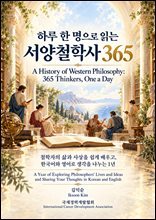
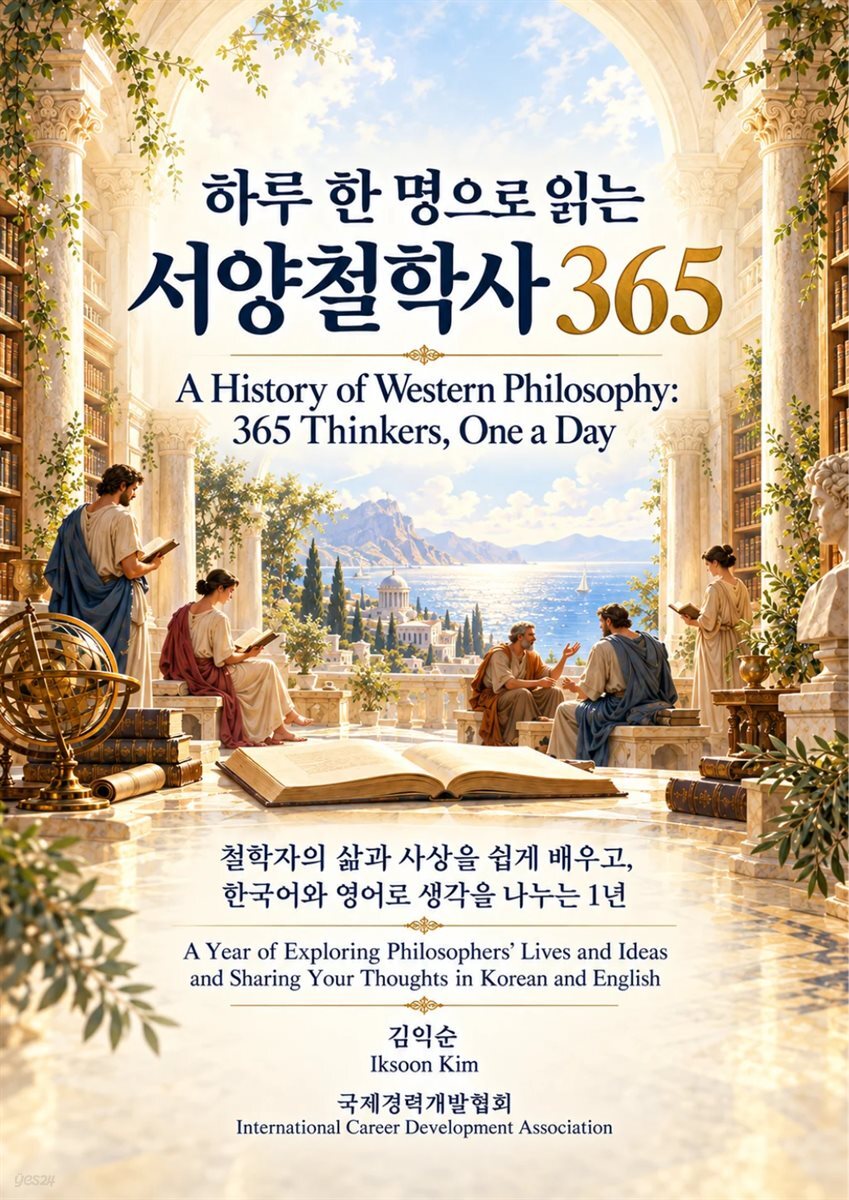
『하루 한 명으로 읽는 서양철학사 365』에서는 철학자의 삶과 사상을 그들이 살아간 시대와 사회의 문제 속에서 살핀다. 고대에서 현대에 이르는 사상의 흐름을 인물 중심으로 따라가며, 인간과 세계, 지식과 윤리, 자유와 정의에 관한 질문을 일상의 경험과 연결하고 서로 다른 답변의 근거를 설명한다.
한국어와 영어의 대응 문단을 통해 같은 생각을 두 언어로 대조하며 읽도록 구성하였다. ‘오늘의 정리’, ‘핵심 표현’, ‘나의 생각 이어 쓰기’로 살펴본 이유와 남은 질문을 정리하고, 자신의 견해를 표현하도록 돕는다. 하루 한 명씩 만나는 365명의 철학자를 통해 독자가 여러 관점을 이해하고, 동의하거나 반대하는 이유를 자신의 말로 설명할 수 있도록 안내한다.
주요 이력 및 저서
現 국제경력개발협회 협회장
前 삼성전자 본사 전략기획총괄 인사팀
기업 전략기획·인사·경영지원·교육·컨설팅 분야 활동
『맛있는 한국어』
『한국어 완곡어법(쿠션어) 100선』
『인물과 사건으로 읽는 삼국지 300』
『인물과 사건으로 읽는 한국 민주주의』
『인물과 사건으로 읽는 한국 독립운동 300』
『쉽게 읽는 조선왕조실록 300』
The author worked in strategic planning and human resources as a member of the Human Resources Team in the Corporate Strategic Planning Division at Samsung Electronics’ headquarters. The author also served as an executive responsible for management support at a foreign-owned manufacturing company and gained experience in founding and running a business. This professional background provided broad insight into the importance of organizational management, human resource development, workplace communication, education, and career development.
In A History of Western Philosophy: 365 Thinkers, One a Day, the author examines philosophers’ lives and ideas in relation to the historical circumstances and social questions of their time. Following the development of ideas from antiquity to the present through individual thinkers, the book connects questions about human beings and the world, knowledge and ethics, freedom and justice with everyday experience, explaining the reasons behind different answers.
Corresponding Korean and English paragraphs allow readers to compare the same ideas across two languages. Today’s Reflection, Useful Expressions, and Write Your Own View help them organize the reasons considered and questions that remain, and express a view of their own. By meeting one of 365 thinkers each day, readers can understand different perspectives and explain, in their own words, why they agree or disagree.
Professional Background and Selected Publications
Current President, International Career Development Association
Former Member, Human Resources Team, Corporate Strategic Planning Division, Samsung Electronics Headquarters
Professional experience in corporate strategic planning, human resources, management support, education, and consulting
Selected publications (English reference translations)
Delicious Korean
100 Korean Softening Expressions (Cushion Words)
Romance of the Three Kingdoms: 300 Stories of People and Events
Korean Democracy through People and Events
The Korean Independence Movement through People and Events: 300 Stories
Reading the Annals of the Joseon Dynasty: 300 Accessible Stories
품목정보
- 발행일
- 2026년 10월 30일
- 지원기기
- 크레마, PC(윈도우 - 4K 모니터 미지원), 아이폰, 아이패드, 안드로이드폰, 안드로이드패드, 전자책단말기(저사양 기기 사용 불가), PC(Mac)
- 파일/용량
- PDF(DRM) | 16.56MB ?
- 글자 수/ 페이지 수
- 약 2887쪽 ?
- ISBN13
- 9791124956311
출판사 리뷰
출판사 서평이 책의 읽기 단위는 한 사람과 그가 붙든 질문이다. 탈레스 편에서는 물을 근원으로 보는 설명을 소개하며 그 생각이 후대의 기록을 통해 전해진다는 점과 설명의 한계를 함께 다룬다. 마지막 하버마스 편에서는 도서관 이용 시간을 정하는 상황을 통해 이유를 나누고 결정의 조건을 검토하는 대화를 생각하게 한다. 구체적인 장면에서 주장과 근거를 따라가는 방식은 시대가 멀리 떨어진 사상도 오늘의 판단과 연결해 읽게 한다. 선정된 인물과 주제의 폭도 주목할 만하다. 중세에는 여러 언어와 신앙 전통이 만나는 과정을 살피고, 현대에는 돌봄과 의존, 인정과 목소리, 자연과 기술까지 논의의 범위를 넓힌다. 익숙한 철학자의 이름을 다시 만나는 동시에, 누가 말하고 누구의 경험이 빠져 있는지 질문할 여지를 준다. 또한 본문과 인용 확인 부록이 전승·해석·직접 인용을 구별하도록 안내해, 짧은 문장을 읽을 때에도 그 근거와 맥락을 돌아보게 한다. 한영 대역과 쓰기 활동은 이러한 독서를 실제 표현으로 이어 준다. ‘오늘의 정리’에서 논점을 돌아보고 ‘핵심 표현’을 참고해 자신의 이유를 적은 뒤, 원전 읽기 안내나 색인으로 필요한 내용을 다시 찾을 수 있다. 365일 독서 기록은 읽은 날과 다시 읽은 날을 남기도록 구성되어 개인의 속도에 맞춘 활용이 가능하다. 철학사의 흐름을 차근차근 익히려는 독자, 두 언어로 같은 주장을 비교하려는 독자, 질문과 글쓰기를 중심으로 운영하는 독서모임에 어울리는 구성이다. Each reading unit centers on one person and a question that engaged them. The Thales entry presents water as a first principle while explaining that the view survives through later accounts and examining its limits. The final entry, on Habermas, uses the example of setting library hours to consider how people share reasons and examine the conditions of a decision. Following claims and reasons through concrete situations connects ideas from distant periods with present-day judgment. The range of thinkers and questions also deserves attention. Medieval sections explore encounters among languages and religious traditions, while contemporary sections extend to care and dependence, recognition and voice, and nature and technology. Alongside familiar philosophers, the selection invites questions about who speaks and whose experience may be missing. The main text and the appendix on checking quotations distinguish reports, interpretations, and direct quotations, encouraging readers to consider evidence and context even when reading a short passage. The parallel text and writing activities turn this reading into opportunities for expression. Readers can revisit an argument in Today’s Reflection, draw on Useful Expressions to write their reasons, and return to relevant material through source-reading guidance or indexes. The 365-day journal records both reading and rereading dates, accommodating an individual pace. This structure suits readers building a gradual understanding of philosophical history, those comparing the same arguments in two languages, and reading groups organized around questions and writing. |
