
소득공제
중고도서
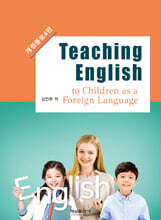
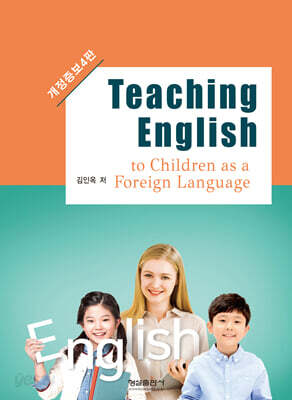
Teaching English
to Children as a Foreign Language
- 판매자
-
사업자
wersdf8026
중고샵 판매자가 직접 등록/판매하는 상품으로 판매자가 해당 상품과 내용에 모든 책임을 집니다.
이미 소장하고 있다면 판매해 보세요.
- 한정판매의 특성상 재고 상황에 따라 품절 가능
- 문화비소득공제 가능
업체 공지사항
|
☎현재 문의량이 많아 전화 연결이 지연될 수 있습니다. 신속한 처리를 위해 주문번호를 반드시 기재하여 ‘판매자 문의하기’로 남겨주시면 확인 후 최대한 빠르게 안내드리겠습니다.☎
상담 안내 공지드립니다
안녕하세요. 항상 저희 서비스를 이용해주셔서 진심으로 감사드립니다.
최근 많은 고객님들의 관심과 사랑으로 유선 상담이 다소 지연되는 경우가 발생하고 있습니다.
전화 연결이 어려우실 경우, 문의글을 남겨주시면 순차적으로 빠르게 답변드리도록 하겠습니다.
항상 성실하게 응대해드릴 수 있도록 더욱 노력하겠습니다.
양해해주셔서 감사드리며, 앞으로도 변함없는 관심과 사랑 부탁드립니다. 감사합니다 ??
|
중고도서 소개
|
목차
|
Chapter 1 Children as Language Learners
1. Jean Piaget(1896~1980) / 11 2. Lev Vygotsky(1986~1934) / 13 3. Jerome Bruner(1915~2016) / 14 4. Characteristics of Young Language Learners / 16 Now it’s your turn / 18 Chapter 2 Teaching Listening 1. Division of Language Skills / 19 2. Listening Comprehension / 20 3. Process of Listening / 20 4. Types of Listening Exercises / 21 5. Instructional Steps of Listening / 22 6. Listening Activities for Children / 23 Now it’s your turn / 29 Chapter 3 Teaching Speaking 1. Theoretical Issues / 30 2. Five Step Lesson Model / 32 3. Speaking Activities for Children / 40 Now it’s your turn / 46 Chapter 4 Teaching Reading 1. Theoretical Background / 47 2. Approaches to Teaching Reading / 48 3. Teaching Reading Skills to Children / 51 4. Reading & Writing integrated (Word Shuffle) / 56 Now it’s your turn / 57 Chapter 5 Teaching Writing 1. Theoretical Background / 59 2. Teaching Writing Skills to Children / 61 3. Writing Activities for Children / 64 Now it’s your turn / 73 Chapter 6 Integrating the Four Language Skills 1. Content-based Instruction / 74 2. Topic-based Instruction / 75 3. Task-based Instruction (TBI) / 80 Now it’s your turn / 85 Chapter 7 Assessment 1. Evaluation, Assessment, and Testing / 86 2. Why Assess Young Learners? / 86 3. How Do We Assess Young Learners? / 87 4. Practice of Assessment / 88 Now it’s your turn / 95 Chapter 8 The Learning Environment and Classroom Management 1. Physical Surroundings of the Classroom / 96 2. Seating Arrangement / 98 3. Grouping Student / 99 4. Teaching Under Adverse Circumstances / 100 5. Points to Consider When Planning a Lesson / 101 Now it’s your turn / 105 Chapter 9 Lesson Planning 1. Why Is Planning Important? / 106 2. Three Stages of Planning / 107 3. Format of a Lesson Plan / 108 Now it’s your turn / 111 Chapter 10 Teaching and Learning Materials 1. Choosing a Textbook / 112 2. How to Use a Textbook / 112 3. Supplementary Books / 113 4. Worksheets and Workbook / 113 5. Flash Cards and Pictures / 114 6. A Pocket Chart / 114 7. Mascots and Puppets / 115 8. Technical Materials / 116 Chapter 11 Team Teaching 1. Advantages of Team Teaching / 117 2. Team Teaching Principles / 117 3. Team Teaching Models / 118 4. How to Plan Team Teaching / 119 5. Individual Roles of KET and NET in Teaching a Unit / 120 Addendum Appendix A / 123 Appendix B / 124 ESL / EFL Web Sites / 132 Flipped Learning Procedures / 133 영어과 교육과정 (2022 개정) / 143 References / 153 Index / 156 |
저자 소개 1
관련 분류
- 카테고리 분류
품목정보
- 발행일
- 2026년 02월 13일
- 쪽수, 무게, 크기
- 160쪽 | 188*257*20mm
- ISBN13
- 9788947288194
출판사 리뷰
|
머리말
Before we start the journey of teaching English to children, let us think about a fundamental issue. Why should a child learn a foreign language which takes so much time, energy, and cost in the learning process? Why do we teach elementary school children English when they have a lot of work to do in Korean? These are the questions that have been debated for many years in Korea and elsewhere. An answer can be found in a simple comparison. We need to learn English for the same reason as we need to learn the computer skill to live in the modern world (a majority part of the world, if not everywhere). People use the Internet to access resources and use computer programs to write reports or letters and to do business. Just as computer use has become an everyday activity, foreign language skill is another necessary tool for people to live in this interconnected world. Nowadays it is hard to find a product that is made of the materials and labor solely from one’s own country. nterconnection of the world is becoming deeper and broader, and people from different countries communicate with each other mostly in English. Thus by teaching children English we are helping them to be better equipped to live in the ‘global village’. Another reason for a child to learn English is that learning a foreign language can facilitate a child’s cognitive and personality development. Studies have shown that learning a foreign language helps children develop their comprehension and social skills. Also, a child who has been exposed to a different language and culture has a greater possibility of developing open, acceptable, and understanding attitudes towards other people and cultures. Lastly, the physical and mental flexibility of childhood is a wonderful advantage for learning another language efficiently. Children’s speech organs and egos are much more flexible than adults’: Children are at the best stage of life for learning English. This book is designed to provide pre-service/in-service English teachers with a theoretical background and practical ideas for teaching English to children. The approaches and activities presented in this book intend to tap into children’s strengths and weaknesses as young language learners. Children love fun, adventure and imagination, and at the same time they are spontaneous with a limited attention span. This book deals with children’s characteristics as language learners, methods of teaching language skills, assessment, class management, planning, and materials. In-Ok Kim |
상품정보안내
- 주문 전 중고상품의 정확한 상태 및 재고 문의는 [판매자에게 문의하기]를 통해 문의해 주세요.
- 주문완료 후 중고상품의 취소 및 반품은 판매자와 별도 협의 후 진행 가능합니다. 마이페이지 > 주문내역 > 주문상세 > 판매자 정보보기 > 연락처로 문의해 주세요.
판매자 정보
- 업체명
- 제이앤디
- 대표자명
- 지동근
- 사업자 등록번호
- 520-05-03210
- 사업자 종목
- 전자상거래 소매업
- 고객 상담 전화번호(유선)
- 010-5085-0737
- 고객 상담 이메일
- jdg0728@gmail.com
- 배송 방법
- 타사택배(롯데택배)
- 본사 소재지
- 경기도 안산시 단원구 와동 98-7 3층 302호 P7
- 발송지 주소
- 경기도 안산시 단원구 와동 98-7 3층 302호
- 반품지 주소
- 충청남도 천안시 서북구 쌍용동 828 삼환빌딩 202호
부적합 상품 신고하기
신고하기- 구매에 부적합한 상품은 신고해주세요.
- 구매하신 상품의 상태, 배송, 취소 및 반품 문의는 판매자 묻고 답하기를 이용해주세요.
- 상품정보 부정확(카테고리 오등록/상품오등록/상품정보 오등록/기타 허위등록) 부적합 상품(청소년 유해물품/기타 법규위반 상품)
- 전자상거래에 어긋나는 판매사례: 직거래 유도
14,500원
총 1개
14,500원