
소득공제
수입
직수입양서
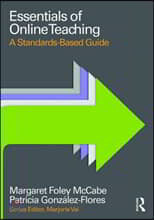
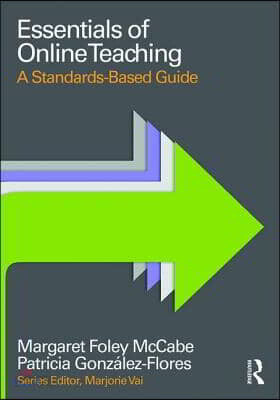
Essentials of Online Teaching
A Standards-Based Guide
Paperback, 1st Edition
Foley McCabe, Margaret / Gonzalez-Flores, Patricia
Routledge
2016.12.27.
- 주문 제작 (POD) 도서로 제본 및 인쇄 품질이 다소 미흡할 수 있습니다 (해당 사유 반품 불가)
이미 소장하고 있다면 판매해 보세요.
- 국내배송만 가능
- 해외 거래처 사정에 의하여 품절/지연 가능
- 도서 정보 중 미표기 사항 안내?
- 문화비소득공제 가능
Essentials of Online Learning
-
 Essentials for Blended Learning, 2nd Edition 이동Essentials for Blended Learning, 2nd Edition10% 354,070원
-
Essentials for Blended Learning, 2nd Edition 이동Essentials for Blended Learning, 2nd Edition10% 76,140원
책소개
목차
|
Foreword, About the Authors, Introduction to this Guide i.1 The Distinction Between Course Design and Teaching i.2 A Unique Guide for Online Teaching 1.3 Who Will Benefit from this Guide? i.4 A Standards-Based Approach i.5 Organization of the Book i.6 Chapter Features i.7 Terminology 1. Orientation to Online Teaching 1.1 Evolution of Online Education 1.2 A Spectrum of Online Course Models 1.3 The Online Environment 1.4 Attributes of Online Teaching and Learning 1.5 Online Teaching Responsibilities 1.6 Example: Overview of a Week Online 1.7 Time Expectation for Teachers 1.8 Summary and Standards 2. Factors that Influence Online Teaching 2.1 Online Teaching 2.2 Online Learners 2.3 Course Content and Learning Objectives 2.4 The Online Environment and the Tools Used 2.5 The Mission and Priorities of the Host Institution 2.6 Influences in Action: Sample Course 2.7 Summary and Standards 3. Teaching with Digital Tools and Resources 3.1 Supporting Learning with Digital Resources and Tools 3.2 Communicating with Students 3.3 Sharing Resources with Students 3.4 Assessing and Grading Student Learning 3.5 Creating Collaborative Resources 3.6 Beyond the LMS 3.7 Summary and Standards 4. Preparing to Teach Online 4.1 Planning Your Teaching 4.2 Defining the Course’s Timeframe 4.3 Setting the Stage for Interaction 4.4 Preparing Course Materials 4.5 Establish Procedures for Technical failures 4.6 Summary and Standards References and Further Reading 5. The Beginning Weeks: Launching an Online Course 5.1 Helping Students to Work in the Environment 5.2 Encouraging Communication 5.3 Building Self-Directed Learning Skills 5.4 Reflective Teaching: Learning as You Go 5.5 Summary and Standards 6. The Middle Weeks: Facilitating Online Learning 6.1 Guiding Students Through the Plan 6.2 Humanizing the Online Environment 6.3 Gathering Information About Your Students’ Progress 6.4 Improving Your Course 6.5 Example of the Course Improvement Strategy in Action 6.6 Summary and Standards 7. The Ending Weeks: Synthesizing and Extending Learning 7.1 Helping Students to Reach the Finish Line 7.2 Promoting Self-directed Learning 7.3 Reviewing and Synthesizing Learning 7.4 Concluding the Course 7.5 Summary and Standards 8. Online Collaboration 8.1 Weighing the Benefits and Drawback of Collaboration 8.2 What Makes a Good Collaborative Discussion? 8.3 What Makes Successful Group Work? 8.4 Summary and Standards 9. Online Assessment 9.1 Communicate a Clear Assessment Plan 9.2 Gather a Variety of Information about Students’ Learning 9.4 Provide Ongoing Feedback 9.5 Share Responsibility for Providing Feedback 9.6 Guard Against Cheating and Plagiarism 9.7 Summary and Standards 10. Pulling It All Together: An Online Teacher in Action 10.1 The Teacher and the Course 10.2 Factors that Influence Online Teaching 10.3 Digital Tools and Resources 10.4 Preparing to Teach Online 10.5 The Beginning Weeks 10.6 The Middle Weeks 10.7 The Final Weeks 10.8 The Essentials of Online Teaching 10.9 Summary and Standards Appendix A: Using the Standards Checklist, Index |
품목정보
- 발행일
- 2016년 12월 27일
- 쪽수, 무게, 크기
- 304쪽 | 660g | 180*250mm
- ISBN13
- 9781138920545
사락 별점0
혜택 및 유의사항밑줄0
혜택 및 유의사항상품정보안내
직수입외서의 경우, 해외거래처에서 제공하는 정보가 부족하여 제목, 표지, 가격, 유통상태 등의 정보가 미비하거나 변경되는 경우가 있습니다. 정확한 확인을 원하시는 경우, 일대일 상담으로 문의하여 주시면 답변 드리겠습니다.
(판형과 판수 등이 다양한 도서는 찾으시는 도서의 ISBN을 알려 주시면 보다 빠르고 정확한 안내가 가능합니다.)
해외거래처에서 품절인 경우, 2차 거래선을 통해 유럽과 미국 출판사로 직접 수입이 진행될 수 있습니다.
수입 진행 시점으로 부터 2~3주가 추가로 소요되며, 해외에서도 유통이 원활하지 않은 도서는 품절 안내가 지연될 수 있습니다.
해당 경우, 문자와 메일로 별도 안내를 드리고 있사오니 마이페이지에서 휴대전화번호와 메일주소를 다시 한번 확인해주시기 바랍니다.
(판형과 판수 등이 다양한 도서는 찾으시는 도서의 ISBN을 알려 주시면 보다 빠르고 정확한 안내가 가능합니다.)
해외거래처에서 품절인 경우, 2차 거래선을 통해 유럽과 미국 출판사로 직접 수입이 진행될 수 있습니다.
수입 진행 시점으로 부터 2~3주가 추가로 소요되며, 해외에서도 유통이 원활하지 않은 도서는 품절 안내가 지연될 수 있습니다.
해당 경우, 문자와 메일로 별도 안내를 드리고 있사오니 마이페이지에서 휴대전화번호와 메일주소를 다시 한번 확인해주시기 바랍니다.
82,320원
총 1개
82,320원
