
소득공제
수입
직수입양서
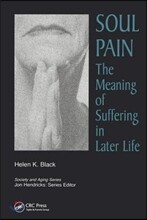
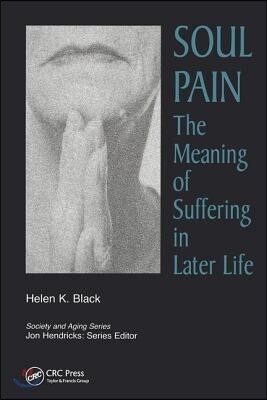
Soul Pain
The Meaning of Suffering in Later Life
Paperback, 1st Edition
Black, Helen
Routledge
2018.08.14.
이미 소장하고 있다면 판매해 보세요.
- 국내배송만 가능
- 해외 거래처 사정에 의하여 품절/지연 가능
- 도서 정보 중 미표기 사항 안내?
- 문화비소득공제 가능
Society and Aging Series
-
 Life-Course Implications of US Public Policy 이동Life-Course Implications of US Public Policy10% 92,360원
 -
Life-Course Implications of US Public Policy 이동Life-Course Implications of US Public Policy10% 369,550원
-
Later-Life Social Support and Service Provision in Diverse and Vulnerable Populations 이동Later-Life Social Support and Service Provision in Diverse and Vulnerable Populations10% 100,960원
-
Later-Life Social Support and Service Provision in Diverse and Vulnerable Populations 이동Later-Life Social Support and Service Provision in Diverse and Vulnerable Populations10% 313,690원
-
Older Adults with Developmental Disabilities 이동Older Adults with Developmental Disabilities10% 369,550원
책소개
목차
|
Chapter 1 Chapter 2 Introduces cases to illustrate suffering as a form of cultural communication that is spoken through the body, through identity, and through narrative. Chapter 3 Explores how gender shapes informants' experience of suffering, the way suffering is expressed, and discussion about it in the process of the interview. Chapter 4 Acknowledges that embodied pain is a significant component in the experience of suffering in later life. Chapter 5 Explores social suffering because even private, individual experiences of suffering occur in a social milieu. Chapter 6 Uses cases to examine the uniqueness with which each informant coped with suffering. Chapter 7 Discusses the morality imputed to the experience of suffering. In part, this morality is revealed through the causes respondents attribute to their suffering. Chapter 8 Examines three often-used metaphors for suffering. They are: suffering as a threat or attack, suffering as injustice, and suffering as loss. Chapter 9 Talks about the activity of suffering. Activities give compensatory meaning to an elder's life. An important activity of suffering is to tell an engaged listener a story about it. Chapter 10 Is the conclusion of the book. It asks the question: Who is the self that suffers? |
관련 분류
품목정보
- 발행일
- 2018년 08월 14일
- 쪽수, 무게, 크기
- 316쪽 | 580g | 150*230mm
- ISBN13
- 9780415784269
리뷰/한줄평0
상품정보안내
직수입외서의 경우, 해외거래처에서 제공하는 정보가 부족하여 제목, 표지, 가격, 유통상태 등의 정보가 미비하거나 변경되는 경우가 있습니다. 정확한 확인을 원하시는 경우, 일대일 상담으로 문의하여 주시면 답변 드리겠습니다.
(판형과 판수 등이 다양한 도서는 찾으시는 도서의 ISBN을 알려 주시면 보다 빠르고 정확한 안내가 가능합니다.)
해외거래처에서 품절인 경우, 2차 거래선을 통해 유럽과 미국 출판사로 직접 수입이 진행될 수 있습니다.
수입 진행 시점으로 부터 2~3주가 추가로 소요되며, 해외에서도 유통이 원활하지 않은 도서는 품절 안내가 지연될 수 있습니다.
해당 경우, 문자와 메일로 별도 안내를 드리고 있사오니 마이페이지에서 휴대전화번호와 메일주소를 다시 한번 확인해주시기 바랍니다.
(판형과 판수 등이 다양한 도서는 찾으시는 도서의 ISBN을 알려 주시면 보다 빠르고 정확한 안내가 가능합니다.)
해외거래처에서 품절인 경우, 2차 거래선을 통해 유럽과 미국 출판사로 직접 수입이 진행될 수 있습니다.
수입 진행 시점으로 부터 2~3주가 추가로 소요되며, 해외에서도 유통이 원활하지 않은 도서는 품절 안내가 지연될 수 있습니다.
해당 경우, 문자와 메일로 별도 안내를 드리고 있사오니 마이페이지에서 휴대전화번호와 메일주소를 다시 한번 확인해주시기 바랍니다.
120,300원
총 1개
120,300원