
이미 소장하고 있다면 판매해 보세요.
- 해외배송 가능?
- 문화비소득공제 가능
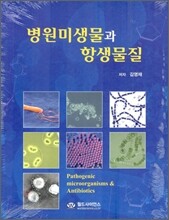
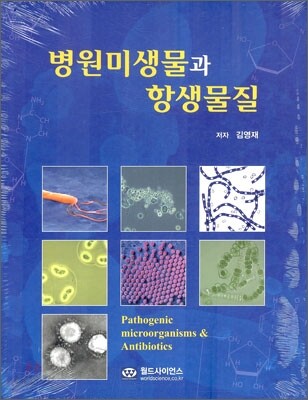
책소개
목차
|
저자서문
제1부 기초 미생물학 Basic Microbiology 제1장 미생물학의 역사 The History of Microbiology 1.1 미생물 세계의 발견 1.2 자연발생설과 생물속생설 1.3 Louis Pasteur(1822~1895)의 업적 1.4 Robert Koch(1843.12.11~1910.5.27)의 업적 1.5 John Tyndall(1820~1893)의 업적 1.6 미생물학의 발전사 제2장 실험 미생물학 Experimental Microbiology 2.1 미생물의 관찰-현미경 2.1.1 현미경의 종류 2.2 미생물의 관찰-염색Staining 2.2.1 단일염색Simple stain 2.2.2 분별염색Differential stain 2.3 미생물의 배양Culture of Microorganisms 2.3.1 배지의 종류 2.3.2 멸균Sterilization 2.3.3 무균조작과 미생물의 순수분리 및 배양법 2.3.4 순수배양의 유지와 보존 2.4 항생제 감수성 검사Antimicrobial susceptibility test 제3장 세균과 고세균 Bacteria and Archaea 3.1 세균 및 고세균의 형태 3.2 세균 및 고세균의 표층구조 3.3 세균 및 고세균의 세포벽 3.3.1 Peptidoglycan(murein) 3.3.2 Pseudomurein 46 3.3.3 Peptidoglycan의 생합성 3.3.4 테이코산Teichoic acids 3.3.5 그람-음성 세균의 외막lipopolysaccharide layer, LPS layer 3.3.6 Mycolata와 Actinobacteria(방선균) 3.4 협막capsules과 점질층slime layers-The glycocalyx 그리고 S-Layers 3.5 편모와 선모 3.5.1 편모Flagellum, 복수는 Flagella 3.5.2 선모pilus, 복수는 pili; fimbria, 복수는 fimbriae 3.6 세균의 내생포자Endospore 3.7 세포질막Cytoplasmic membrane 3.7.1 고세균의 세포질막 3.8 미생물의 생장에 영향을 주는 환경적 요인 3.8.1 온도 3.8.2 산소 3.8.3 pH 3.8.4 수분 제4장 진핵미생물 Eukaryotic Microorganisms 4.1 균류Fungi 4.2 균류의 특성 및 생장 4.3 균류의 분류체계 4.4 진균계Kingdom Mycota, Eumycota 4.4.1 Chytridiomycota(병꼴균문) 4.4.2 Zygomycota(接合菌門) 4.4.3 Ascomycota(子囊菌門) 4.4.4 Basidiomycota(擔子菌門) 4.4.5 Deuteromycota or Fungi imperfecti(不完全菌門) 4.4.6 Glomeromycota(글로메로균문) 4.5 유사균류fungus-like organisms 4.5.1 Oomycota(卵菌門) 4.5.2 Hyphochytriomycota(逆毛菌門) 4.5.3 Labyrinthulomycota 4.5.4 Slime molds(粘菌類) 4.5.5 Myxomycota(變形菌門) 4.5.6 Acrasiomycota 및 Dictyosteliomycota 4.5.7 Plasmodiophoromycota(무사마귀병균문) 4.5.8 Yeast(효모) 4.6 원생동물protozoa 4.7 Archeozoa(primitive amitochondrial eukaryotes) 4.8 Chromista 4.9 Alveolates 4.10 Cercozoans 4.11 혐기성 마이토콘드리아와 하이드로게노솜Anaerobic mitochondria and Hydrogenosome 제5장 바이러스 Viruses 5.1 바이러스의 구조 및 구성성분 5.2 바이러스 복제의 일반적 특징 제6장 약리학을 위한 기초 분자생물학 Basic Molecular Biology for Pharmacology 6.1 핵산의 성분 6.2 DNA의 구조와 유형 6.3 RNA의 종류와 그 기능 6.3.1 messenger RNA(mRNA) 6.3.2 transfer RNA(tRNA) 6.3.3 ribosomal RNA(rRNA) 6.3.4 소형 RNA들Small RNAs 6.4 유전정보의 전달경로 6.4.1 DNA 복제DNA replication 6.4.2 전사Transcription와 DNA-의존 RNA polymerase 6.4.3 번역Translation: 단백질합성 제2부 병원미생물학Pathogenic Microbiology 제7장 미생물과 질병Microorganisms and Diseases 7.1 감염성 질병과 중독성 질병 7.1.1 내독소와 외독소 7.1.2 구조와 생리적 활성에 의한 외독소의 세 가지 유형 7.1.3 ADP-ribosylating toxins(ADPRTs) 7.1.4 숙주세포의 세포내 cAMP의 농도에 영향을 주는 세균의 외독소 7.1.5 세균 외독소에 노출되는 경로 7.2 식품 및 물을 매개로 전파되는 세균성 질병 7.2.1 Staphylococcus aureus 7.2.2 Salmonella(Salmonellosis) 7.2.3 Escherichia coli 7.2.4 Campylobacter 7.2.5 Listeria 7.2.6 Bacillus cereus 7.2.7 Shigella 7.2.8 Illness due to Vibrios 7.3 공기를 매개로 전파되는 세균성 질병 7.3.1 Streptococcus pyogenes 7.3.2 Streptococcus pneumoniae 7.3.3 Corynebacterium diphtheriae 7.3.4 Bordetella pertussis 7.3.5 Neisseria meningitidis 7.3.6 Mycobacterium tuberculosis 7.3.7 Mycobacterium leprae 7.4 성적 접촉을 통해 전파되는 세균성 질병 7.4.1 Treponema pallidum 7.4.2 Neisseria gonorrhoeae 7.4.3 Chlamydia trachomatis 7.5 기타 병원성 세균 7.5.1 Clostridium속 7.5.2 Bacillus anthracis 7.5.3 Helicobacter pylori 7.5.4 Pseudomonas aeruginosa 7.5.5 Yersinia 7.5.6 Legionella pneumophila 7.5.7 Leptospira interrogans 7.5.8 리켓치아에 의한 질병Rickettsial Diseases 7.6 바이러스에 의한 질병 7.6.1 감기와 독감common cold and influenza 7.6.2 중증급성호흡기증후군Severe Acute Respiratory Syndrome와 coronavirus 7.6.3 독감 바이러스influenza virus 7.6.4 조류 독감 바이러스Avian influenza virus, AI virus 7.6.5 사람 면역결핍 바이러스Human immunodeficiency virus 7.6.6 에볼라바이러스Ebolavirus와 Arenaviridae, Filoviridae, Bunyaviridae, Togaviridae, Flaviviridae과(family)의 바이러스들 7.6.7 간염과 바이러스성 간염 7.6.8 홍역과 유행성이하선염 그리고 풍진 7.6.9 수두와 대상포진 7.6.10 단순포진바이러스Herpes simplex virus 7.6.11 사람유두종 바이러스Human papillomavirus, HPV 7.6.12 소아마비바이러스Poliovirus 7.6.13 광견병 바이러스Rabies virus 7.6.14 황열, 뎅기열 그리고 천연두 7.7 진균과 원생동물에 의한 질병 7.8 바이로이드와 프라이언Viroids and Prions 7.8.1 바이로이드Viroids 7.8.2 프라이언Prions 7.9 Subviral agents 제3부 항생물질학 Antibiotics 제8장 항생물질 Antibiotics 8.1 화학치료chemotherapy의 발달 8.2 항생물질Antibiotics의 정의 8.3 항생물질의 생산 8.3.1 미생물 8.3.2 식물세포 8.3.3 반합성Semisynthesis 8.3.4 전합성Total synthesis 8.4 항생물질의 분류 8.4.1 항미생물 활성범위에 따른 분류 8.4.2 작용기전에 따른 분류 8.4.3 화학구조에 따른 분류 8.5 항세균제Antibacterial agents 8.5.1 생장인자 유사체 8.5.2 설파제Sulfa drugs 또는 sulfonamides 8.5.3 Isoniazid(INH) 8.5.4 퀴놀론계Quinolones 8.5.5 b-Lactam antibiotics 8.5.6 Aminoglycoside antibiotics 8.5.7 Macrolide antibiotics 8.5.8 Tetracyclines 8.5.9 Ansamycins 8.5.10 Chloramphenicol 8.5.11 Metronidazole 8.5.12 Lincosamides 8.5.13 Fusidic acid 8.5.14 Glycopeptides 8.5.15 Linezolid 8.5.16 Daptomycin 8.5.17 Tigecycline 8.5.18 Ceftobiprole 8.6 항진균제Antifungal agents 8.6.1 Polyene계 항생제 8.6.2 Azole계 항생제 8.6.3 Allylamine계 항생제 8.6.4 Flucytosine(5-Flurocytosine) 8.6.5 Griseofulvin 8.7 항바이러스제Antiviral agents 8.7.1 뉴클레오사이드 유사체 약제Nucleoside analogs 8.7.2 HIV protease inhibitors and anti-influenza agents 8.7.3 Interferon(IFN) 8.8 항생제 내성antibiotic resistance 8.8.1 항생제 내성 기전 8.8.2 세균의 물질 수송체계 8.8.3 내성 플라스미드에 의해 매게되는 내성 기전 8.8.4 플라스미드Plasmid 부록 기타 주요 의약품 Other major pharmaceutical drugs 1 진통제Analgesic, anodyne, painkiller 1.1 스테로이드성 항염증제SAIDs: Steroidal Anti-Inflammatory Drugs 1.2 Pyrine계 약제 2 Hypolipidemic agent 3 화염벤잘코늄benzalkonium chloride 4 Hyaluronic acid 참고문헌 |
품목정보
- 발행일
- 2010년 06월 20일
- 쪽수, 무게, 크기
- 416쪽 | 852g | 188*254*30mm
- ISBN13
- 9788958811558