

이미 소장하고 있다면 판매해 보세요.
- 해외배송 가능?
- 문화비소득공제 가능
목차
|
【제1장】공중항법
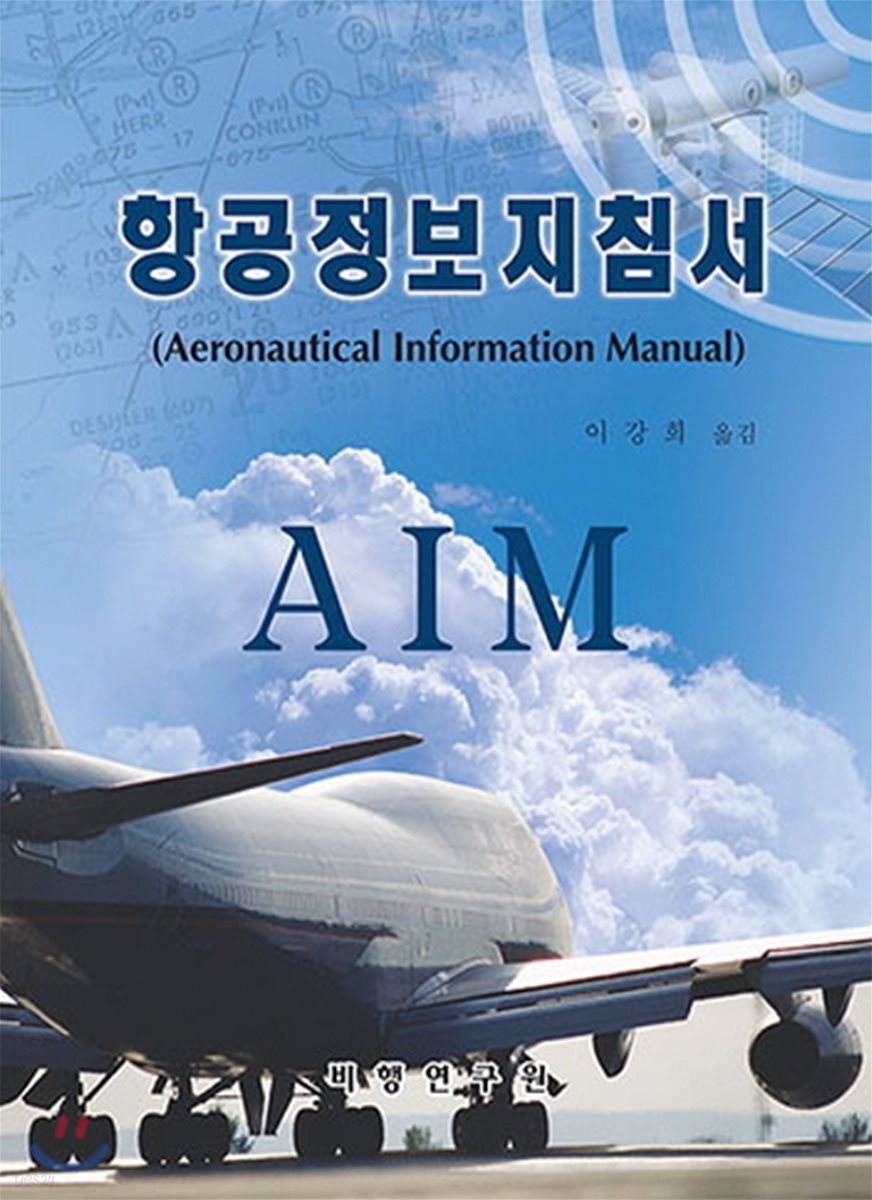
[제1절] 항법보조시설 1-1-1. 개 요 1-1-2. 무지향표지시설(non-directional radio beacons; NDB) 1-1-3. 전방향표지시설(VHF omni-directional range; VOR) 1-1-4. VOR 수신기 점검(VOR receiver check) 1-1-5. 전술항행시설(tactical air navigation; TACAN) 1-1-6. 전방향표지시설/전술항행시설 1-1-7. 거리측정시설(distance measuring equipment; DME) 1-1-8. 항법보조시설 운용범위(NAVAID service volumes) 1-1-9. 계기착륙시설(instrument landing system; ILS) 1-1-10. 단순지향성표지시설(simplified directional facility; SDF) 1-1-11. 정비중 항법보조시설 식별문자 제거 1-1-12. 음성식별을 갖춘 NAVAID 1-1-13. NAVAID or GNSS 성능 또는 간섭에 관한 사용자 보고 1-1-14. 로란(LORAN) 1-1-15. IRU, INS 그리고 AHRS 1-1-16. 도플러 레이더(doppler radar) 1-1-17. 위성항법시스템(global positioning system; GPS) 1-1-18. 광역증대장치(wide area augmentation system; WAAS) 1-1-19. 지상기반증대장치(GBAS) 착륙장치(GLS) 1-1-20. ILS와 GLS 외의 정밀접근 시스템 제2절 성능기반항법(PBN)과 지역항법(RNAV) 1-2-1. 개 요 1-2-2. 필수항법성능(required navigation performance; RNP) 1-2-3. 재래식 절차와 비행로에서 적합한 RNAV의 이용 1-2-4. 조종사와 ATC가 알아야 하는 신호간섭 또는 스쿠핑 【제2장】항공등화와 공항시각보조시설 [제1절] 공항등화시설 2-1-1. 접근등화시설(approach light system; ALS) 2-1-2. 시각 활공경사 지시기(visual glideslope indicators) 2-1-3. 활주로 종단 식별등(runway end identification lights; REIL) 2-1-4. 활주로 테두리등화(runway edge light systems) 2-1-5. 활주로 등화(in-runway lighting) 2-1-6. 활주로상태등화시설(runway status light system; RWSL) 2-1-7. 독립 FAROS(stand-alone final approach runway occupancy signal) 2-1-8. 등화장치제어(control of lighting systems) 2-1-9. 조종사 무선제어 등화장치(pilot control of airport lighting; PCL) 2-1-10. 공항/헬리포트 등대(airport/heliport beacons) 2-1-11. 유도로 등화(taxiway lights) [제2절] 항행등화와 장애물 등화 2-2-1. 항공등대(aeronautical light beacons) 2-2-2. 식별등대와 코스등화(code beacons and course lights) 2-2-3. 항공장애등(obstruction lights) [제3절] 공항(노면)표지와 표지판 2-3-1. 개요 2-3-2. 공항 노면표지(airport pavement markings) 2-3-3. 활주로 표지(runway markings) 2-3-4. 유도로 표지(taxiway markings) 2-3-5. 대기지점표지(holding position markings) 2-3-6. 기타 표지(other markings) 2-3-7. 공항 표지판(airport signs) 2-3-8. 의무지시표지판(mandatory instruction signs) 2-3-9. 위치표지판(location signs) 2-3-10. 방향표지판(direction signs) 2-3-11. 목적지표지판(destination signs) 2-3-12. 정보표지판(information signs) 2-3-13. 활주로 잔여거리표지판 2-3-14. 항공기 강제제동 장치(aircraft arresting devices) 2-3-15. 보안식별표시구역(SIDA) 【제3장】공 역 [제1절] 개 요 3-1-1. 개 요 3-1-2. 공역 구간의 크기(general dimensions of airspace segments) 3-1-3. 중첩공역지정의 분류체계(Hierarchy of Overlapping Airspace Designations) 3-1-4. VFR 기상최저치(basic VFR weather minimums) 3-1-5. VFR 순항고도와 비행고도(VFR cruising altitudes and flight levels) [제2절] 관제공역 3-2-1. 개 요 3-2-2. A등급 공역(class A airspace) 3-2-3. B등급 공역(class B airspace) 3-2-4. C등급 공역(class C airspace) 3-2-5. D등급 공역(class D airspace) 3-2-6. E등급 공역(class E airspace) [제3절] G등급 공역 3-3-1. 개 요 3-3-2. VFR 필수요건 3-3-3. IFR 필수요건 [제4절] 특별사용공역 3-4-1. 개 요 3-4-2. 금지구역(prohibited areas) 3-4-3. 제한구역(restricted areas) 3-4-4. 경고구역(warning area) 3-4-5. 군작전구역(military operations areas; MOA) 3-4-6. 경계구역(alert area) 3-4-7. 사격통제구역(controlled firing areas; CFA) 3-4-8. 국가안보구역(national security area; NSA) [제5절] 기타 공역 3-5-1. 공항조언/정보업무(airport advisory/information service) 3-5-2. 군훈련비행로(military training routes; MTR) 3-5-3. 임시비행제한(temporary flight restrictions) 3-5-4. 낙하산 점프 항공기 운용(parachute jump aircraft operations) 3-5-5. VFR 비행로(published VFR routes) 3-5-6. 터미널 레이더 서비스 구역(terminal radar service area; TRSA) 【제4장】항공교통관제 [제1절] 조종사에게 가용한 서비스 4-1-1. 항로교통관제소(air route traffic control center; ARTCC) 4-1-2. 관제탑(control towers) 4-1-3. 비행업무사무소(flight service station; FSS) 4-1-4. 녹음과 감청(recording and monitoring) 4-1-5. 관제탑이 없는 공항에 착륙중인 IFR 항공기의 주파수 변경 4-1-6. 조종사의 항공교통시설 방문(pilot visits air traffic facilities) 4-1-7. 운용 레인체크(operation take-off and operation rain check) 4-1-8. VFR 도착 중인 항공기를 위한 접근관제업무 4-1-9. 관제탑이 없는 공항에서 교통조언지침 4-1-10. IFR 접근/지상차량운행(IFR approach/ground vehicle operations) 4-1-11. UNICOM/MULTICOM 지정 주파수 4-1-12. ATC 목적의 UNICOM 활용 4-1-13. 공항정보자동방송업무(automatic terminal information service; ATIS) 4-1-14. 자동비행정보업무(Automatic Flight Information Service (AFIS)-Alaska FSSs Only 4-1-15. 레이더 교통정보업무(radar traffic information service) 4-1-16. 안전경고(safety alert) 4-1-17. VFR 항공기에 대한 레이더 조력(radar assistance to VFR aircraft) 4-1-18. VFR 항공기를 위한 터미널 레이더 서비스 4-1-19. 관제탑순항항로 관제(tower enroute control; TEC) 4-1-20. 트랜스폰더 운용(transponder operation) 4-1-21. 공항예약운용과 특별교통관리프로그램 4-1-22. 연방규정(14 CFR), Title 14로부터 권리포기와 권한부여를 위한 요청 4-1-23. 기상체계처리장치 [제2절] 무선통신 전문용어와 기술 4-2-1. 개 요 4-2-2. 무선통신 기술(radio technique) 4-2-3. 교신 절차(contact procedures) 4-2-4. 항공기 호출부호(aircraft call signs) 4-2-5. 교체 또는 임대 항공기의 서술 4-2-6. 지상무선국 호출부호(ground station call signs) 4-2-7. 음성 알파벳(phonetic alphabet) 4-2-8. 숫자(figures) 4-2-9. 고도와 비행고도(Altitudes and Flight Levels) 4-2-10. 방향(directions) 4-2-11. 속도(speeds) 4-2-12. 시간(time) 4-2-13. 항공기 송신기 혹은 수신기 고장 또는 둘 다 고장시 관제탑과 통신 4-2-14. VFR 비행을 위한 통신(communications for VFR flights) [제3절] 공항 운용 4-3-1. 개 요 4-3-2. 관제탑이 있는 공항(airports with operating control tower) 4-3-3. 장주(traffic patterns) 4-3-4. 관제탑이 없는 공항에서 시각 지시기 4-3-5. 공항장주에서 예상하지 못한 기동 4-3-6. 활주로/공시거리의 사용(use of runway/declared distances) 4-3-7. 저고도 전단풍/마이크로버스트 탐지장치 4-3-8. 제동효과 보고와 조언(braking action reports and advisories) 4-3-9. 활주로 상태보고(runway condition reports) 4-3-10. 교차로 이륙(intersection takeoffs) 4-3-11. 착륙과 잠시대기 운용중일 때 조종사의 책임 4-3-12. 저고도 접근(low approach) 4-3-13. 교통관제 등화신호(traffic control light signals) 4-3-14. 무선통신(communications) 4-3-15. 출발지연으로 인한 게이트 대기(gate holding due to departure delays) 4-3-16. 터미널 지역에서 VFR 비행 4-3-17. 관제공항에서 VFR 헬리콥터 운용 4-3-18. 활주(taxiing) 4-3-19. 저시정에서 활주(taxi during low visibility) 4-3-20. 착륙 후 활주로 이탈(exiting the runway after landing) 4-3-21. 연습계기접근(practice instrument approach) 4-3-22. 선택접근(option approach) 4-3-23. 항공기 등화의 사용(use of aircraft lights) 4-3-24. 터미널 지역에서 비행검사/비행점검 항공기 4-3-25. 수신호(hand signals): [FIG 4311~FIG 4324] 참고 4-3-26. ASOS/AWSS/AWOS을 갖춘 비관제공항에서 운용 [제4절] ATC 인가와 항공기 분리 4-4-1. 인가(clearance) 4-4-2. 인가 접두사(clearance prefix) 4-4-3. 인가 항목(clearance items) 4-4-4. 수정인가(amended clearance) 4-4-5. 코드화 출발 비행로(coded departure route; CDR) 4-4-6. SVFR 인가(special VFR clearance) 4-4-7. 인가 발령시 조종사의 책임(Pilot Responsibility upon Clearance Issuance) 4-4-8. 운상시계비행 IFR 인가(VFR-on-top IFR clearance) 4-4-9. VFR/IFR 비행 4-4-10. 인가 준수(adherence to clearance) 4-4-11. IFR 분리 표준(separation standards) 4-4-12. 속도조절(speed adjustments) 4-4-13. 활주로 분리(runway separation) 4-4-14. 시각분리(visual separation) 4-4-15. 시각경계 절차의 이용(use of visual clearing procedures) 4-4-16. 교통경고와 충돌회피 시스템(TCAS I & II) 4-4-17. 교통정보업무(traffic information service; TIS) [제5절] 감시 시스템 4-5-1. 레이더(radar) 4-5-2. 항공교통관제 레이더비컨시스템(air traffic control radar beacon system; ATCRBS) 4-5-3. 감시 레이더(surveillance radar) 4-5-4. 정밀접근레이더(precision approach radar; PAR) 4-5-5. 공항지표면탐지장비(airport surface detection equipment-Model X; ASDE-X) 4-5-6. 교통정보업무(traffic information service; TIS) 4-5-7. 자동종속감시-방송(ADS-B) 업무(automatic dependent surveillance-broadcast; ADS-B) service 4-5-8. 교통정보업무-방송(traffic information service-broadcast; TIS-B) 4-5-9. 비행정보업무-방송(flight information service-broadcast; FIS-B) 4-5-10. 자동종속감시-재방송(Automatic Dependent Surveillance?Rebroadcast(ADS?R) [제6절] 운용방침/수직분리감소최저치 4-6-1. 적용과 RVSM 의무(일시와 지역) 4-6-2. 비행고도 방향결정 도표(scheme) 4-6-3. 항공기와 운용자 승인 방침/절차, 항공기와 운용자 승인을 위한 RVSM 모니터링과 데이터베이스 4-6-4. RVSM 공역 속으로 비행계획 수립 4-6-5. 조종사 RVSM 운용 실무지침과 절차 4-6-6. 심한 난기류와 산악파 활동(MWA)에서의 지침 4-6-7. 비행난기류에 대한 행동지침 4-6-8. 조종사/관제사 용어(Pilot/Controller Phraseology) 4-6-9. 우발상황에 대한 조치; RVSM 고역 진입 후 발생한 악기상 조우와 항공기시스템 고장 4-6-10. Non-RVSM 항공기의 수용을 위한 절차 4-6-11. 중간 수평전환 없이 RVSM 공역 위 비행고도까지 상승 또는 비행고도로부터 강하를 요청하는 Non-RVSM 항공기 [제7절] 생 략 【제5장】항공교통절차 [제1절] 비행전 5-1-1. 비행전 준비(preflight preparation) 5-1-2. VFR 운항중 IFR 절차의 이행(follow IFR procedures even when operating VFR) 5-1-3. NOTAM 시스템 5-1-4. VFR 비행계획서(flight plan) 5-1-5. 운항정보시스템(operational information system; OIS) 5-1-6. DVFR 비행계획서(defense VFR flight plan) 5-1-7. 복합비행계획서(composite flight plan-VFR/IFR flights) 5-1-8. 국내 IFR 비행계획서(FAA Form 7233-1) 5-1-9. 국제 비행계획서(FAA Form 7233-4)-IFR 비행(국내 및 국제선 비행) 5-1-10. 고지대 목적지가지 IFR 운항(IFR operations to high altitude destinations) 5-1-11. 미국 영공/영토 외에서의 비행 5-1-12. 비행계획서 변경(change in flight plan) 5-1-13. 예상출발시간 변경(change in proposed departure) 5-1-14. VFR/DVFR 비행계획서 종결(closing VFR/DVFR flight plans) 5-1-15. IFR 비행계획의 취소(canceling IFR flight plan) 5-1-16. RNAV와 RNP 운용(RNAV and RNP operations) 5-1-17. 혹한기온에서 운용(cold temperature operations) [제2절] 출발절차 5-2-1. 활주전 인가 절차(pre-taxi clearance procedures; PTC) 5-2-2. 출발전 인가 절차(pre-departure clearance procedure; PDC) 5-2-3. 활주 인가(Taxi clearance) 5-2-4. 활주로 진입과 대기(line up and wait; LUAW) 5-2-5. IFR 약식출발인가 절차(abbreviated IFR departure clearance) 5-2-6. 출발제한, 인가무효시간, 해제대기 그리고 해제시간 5-2-7. 출발관제소(departure control) 5-2-8. 계기출발절차(instrument departure procedure; DP) 장애물출발절차(obstacle departure procedure; ODP) 표준계기출발(standard instrument departure; SID) [제3절] 순항항로 절차 5-3-1. ARTCC 통신 5-3-2. 위치보고(position reporting) 5-3-3. 추가보고(additional reports) 5-3-4. 항공로와 비행로 체계(airways and route system) 5-3-5. 항공로 또는 비행로 코스 변경(airway or route course changes) 5-3-6. 주파수 변경지점(changeover points; COP) 5-3-7. 최저선회고도(minimum turning altitude; MTA) 5-3-8. 체공(holding) [제4절] 도착절차 5-4-1. STAR 절차(procedure) 5-4-2. 국지교통흐름관리계획(local flow traffic management program) 5-4-3. 접근관제소(approach control) 5-4-4. 계기접근에 대한 사전 정보(advance information) 5-4-5. 계기접근절차차트(instrument approach procedure; IAP) 5-4-6. 접근 인가(approach clearance) 5-4-7. 계기접근절차(instrument approach procedure) 5-4-8. 특별계기접근절차(special instrument approach procedure) 5-4-9. 절차선회와 절차선회대용체공(hold-in-lieu-of-PT) 5-4-10. 체공픽스로부터 시간차 접근(timed approaches from a holding fix) 5-4-11. 레이더 접근(radar approach) 5-4-12. 계기접근의 레이더 모니터링(Radar Monitoring of Instrument Approaches) 5-4-13. 평행활주로에 대한 ILS 접근(ILS Approaches to Parallel Runways) 5-4-14. 평행 ILS 접근(종속)(parallel ILS approaches; dependent) 5-4-15. 동시(평행)독립 ILS/RNAV/GLS 접근 5-4-16. 동시근접평행 ILS PRM/RNAV PRM/GLS PRM SOIA 5-4-17. 동시수렴계기접근(simultaneous converging instrument approaches) 5-4-18. RNP AR 계기접근절차(instrument approach procedures) 5-4-19. 사이드스텝 기동(side-step maneuver) 5-4-20. 접근과 착륙 최저치(approach and landing minimums) 5-4-21. 실패접근(missed approach) 5-4-22. 계기접근에서 비행시각강화장치(EFVS)의 사용 5-4-23 시계접근(visual approach) 5-4-24. 도식시계비행절차(charted visual flight procedure; CVFP) 5-4-25. 컨택접근(contact approach) 5-4-26. 착륙 우선권(landing priority) 5-4-27. 오버헤드접근기동(overhead approach maneuver) [제5절] 조종사/관제사 역할과 책임 5-5-1. 개요 5-5-2. 항공교통인가(air traffic clearance) 5-5-3. 컨택접근(contact approach) 5-5-4. 계기접근(instrument approach) 5-5-5. 실패접근(missed approach) 5-5-6. 레이더 벡터(radar vector) 5-5-7. 안전경고(safety alert) 5-5-8. 관찰과 회피(see and avoid) 5-5-9. 속도조절(speed adjustment) 5-5-10. 교통조언-교통정보(traffic advisory-traffic information) 5-5-11. 시계접근(visual approach) 5-5-12. 시각분리(visual separation) 5-5-13. 운상시계비행(VFR-on-top) 5-5-14. 계기출발(instrument departure) 5-5-15. 최저연료통보(minimum fuel advisory) 5-5-16. RNAV와 RNP 운용(operation) [제6절] 국가안보와 요격절차 5-6-1. 국가안보(national security) 5-6-2. 국가안보 필수요건(national security requirements) 5-6-3. 용어의 정의(definition) 5-6-4. ADIZ 필수요건 5-6-5. 미국 영공으로 진출입하는 민간 항공기 운용 5-6-6. 미국 영공 내에서 민간 항공기 운용 5-6-7. 미국 영공을 통과하는 민간 항공기 5-6-8. 외국 항공기 운용(foreign state aircraft operation) 5-6-9. FAA/TSA 공역 웨이버(airspace waivers) 5-6-10. TSA 항공보안 프로그램(aviation security program) 5-6-11. FAA 비행 항로배정 승인(flight routing authorization) 5-6-12. 비상항공교통안전관제(emergency security control of air traffic; ESCAT) 5-6-13. 요격절차(interception procedure) 5-6-14. 민간과 군 기관에 의한 법집행 업무(Law Enforcement Operations by Civil and Military Organizations) 5-6-15. 요격신호(Interception Signals) 5-6-16. ADIZ Boundaries and Designated Mountainous Areas(생략) 5-6-17. 시각경고시스템(visual warning system; VWS) 【제6장】비상절차 [제1절] 개 요 6-1-1. 조종사의 책임과 권한(pilot responsibility and authority) 6-1-2. 비상상태-즉각구조요청(request assistance immediately) [제2절] 조종사에게 제공되는 비상업무 6-2-1. 곤경에 처한 VFR 항공기를 위한 레이더 서비스 (Radar Service for VFR Aircraft in Difficulty) 6-2-2. 트랜스폰더 비상 운용(transponder emergency operation) 6-2-3. 요격과 에스코트(intercept and escort) 6-2-4. 비상위치발신기(emergency locator transmitter; ELT) 6-2-5. FAA K-9 폭발물 탐지팀 프로그램(explosives detection team program) 6-2-6. 수색과 구조(Search and Rescue) [제3절] 재난과 긴급절차 6-3-1. 재난과 긴급통신(distress and urgency communications) 6-3-2 비상지원을 받는 절차(obtaining emergency assistance) 6-3-3. 비상착수 절차(ditching procedures) 6-3-4. 특별비상(special emergency or air piracy; 공중피랍) 6-3-5. 연료배출(fuel dumping) [제4절] 쌍방향무선통신 두절 6-4-1 쌍방무선통신두절(two-way radio communications failure) 6-4-2. 쌍방향무선통신두절 중 트랜스폰더의 작동 (transponder operation during two-way communications failure) 6-4-3 무선통신 재개(reestablishing radio contact) [제5절] 항공기 구조와 진화작업 통신6-5-1. 독립 비상주파수(discrete emergency frequency) 6-5-2. 무선호출부호(radio call signs) 6-5-3. ARFF 비상 수신호(ARFF emergency hand signals) 【제7장】비행안전 [제1절] 항공기상 7-1-1. 국립기상청 항공기상업무 프로그램(National Weather Service Aviation Weather Service Program) 7-1-2. FAA 기상업무(FAA weather services) 7-1-3. 항공기상산물의 활용(use of aviation weather products) 7-1-4. 비행전 브리핑(preflight briefing) 7-1-5. 비행중 항공기상 조건(Inflight aviation weather advisories) 7-1-6. 범주적 전망(categorical outlooks) 7-1-7. 전화정보브리핑업무(TIBS) 7-1-8. 녹음기상방송(Transcribed Weather Broadcast; TWEB) (Alaska Only) 7-1-9. 비행중 기상방송(inflight weather broadcasts) 7-1-10. 비행정보업무(flight information services; FIS) 7-1-11. 기상관측 프로그램(weather observing programs) 7-1-12. 기상레이더업무(weather radar services) 7-1-13. ATC 비행중 기상회피조력(ATC inflight weather avoidance assistance) 7-1-14. 활주로 가시거리(Runway Visual Range; RVR) 7-1-15. 구름높이 보고(reporting of cloud heights) 7-1-16. 우시정 보고(reporting prevailing visibility) 7-1-17. 비와 얼음싸리기의 예상 강도(estimating intensity of rain and ice pellets) 7-1-18. 눈 또는 가랑비의 예상 강도(estimating intensity of snow or drizzle-based on visibility) 7-1-19. 조종사기상보고(pilot report; PIREP) 7-1-20. 기체착빙에 대한 파이랩(PIREPs relating to airframe icing) 7-1-21. 비행중 착빙 용어의 정의(Definitions of Inflight Icing Terms) 7-1-22. 난기류 파이랩(PIREPs relating to turbulence) 7-1-23. 전단풍 파이랩(wind shear PIREPs) 7-1-24. 청천난기류 파이랩(clear air turbulence; CAT PIREPs) 7-1-25. 마이크로버스트(microbursts) 7-1-26. 화산재 활동 파이랩(PIREPs relating to volcanic ash activity) 7-1-27. 뇌우(thunderstorms) 7-1-28. 뇌우 비행(thunderstorm flying) 7-1-29. 공항예보와 정기항공기상보고의 주요 내용(Key to Aerodrome Forecast; TAF and Aviation Routine Weather Report; METAR) 7-1-30. ICAO 기상양식(ICAO weather formats) [제2절] 고도계 수정 절차 7-2-1. 개요 7-2-2. 절 차(procedure) 7-2-3. 고도계 오차(altimeter errors) 7-2-4. 높은 기압계 고도(high barometric pressure) 7-2-5. 낮은 기압계 저기압(low barometric pressure) [제3절] 비행난기류 7-3-1. 개 요 7-3-2. 와류의 발생(vortex generation) 7-3-3. 와류의 강도(vortex strength) 7-3-4. 와류의 행태(Vortex Behavior) 7-3-5. 비행난기류 문제구역 운항(operations problem areas) 7-3-6. 비행난기류 회피 절차(vortex avoidance procedures) 7-3-7. 헬리콥터(helicopters) 7-3-8. 조종사의 책임(pilot responsibility) 7-3-9. 항공교통 비행난기류 분리(air traffic wake turbulence separations) [제4절] 조류 위험과 국립보호구역, 공원 및 삼림구역 상공 비행 7-4-1. 철새 활동(migratory bird activity) 7-4-2. 조류충돌 위험감소(reducing bird strike risks) 7-4-3. 조류충돌 보고(reporting bird strikes) 7-4-4. 조류와 기타 야생동물 활동 보고(reporting bird and other wildlife activities) 7-4-5. 조류와 기타 야생동물 위험에 관한 조종사 조언(pilot advisories on bird and other wildlife hazards) 7-4-6. 도식 야생동물 보호구역, 공원 그리고 삼림구역 상공의 비행(Flights Over Charted U.S. Wildlife Refuges, Parks, and Forest Service Areas) [제5절] 잠재적 비행 위험요소 7-5-1. 사고원인 요소(accident cause factors) 7-5-2. 복잡한 지역에서 VFR(VFR in congested areas) 7-5-3. 장애물 지역 비행(obstructions to flight) 7-5-4. 계류기구 밑으로 비행 회피(avoid flight beneath unmanned balloons) 7-5-5. 무인항공기(unmanned aircraft systems) 7-5-6. 산악비행(mountain flying) 7-5-7. 상태가 좋지 않은 공항의 활주로 중간 표지판(use of runway halfway signs at unimproved airports) 7-5-8. 수상기 안전(seaplane safety) 7-5-9. 화산재 속에서의 비행(flight operations in volcanic ash) 7-5-10. 다른 항공기의 비상공중조사(emergency inspection) 7-5-11. 강수정전기(precipitation static) 7-5-12. 레이저 운용과 광선 보고(Laser Operations and Reporting Illumination of Aircraft) 7-5-13. 평면광과 화이트아웃(백색시정) (Flying in Flat Light and White Out Conditions) 7-5-14. 지표면 빙상 상태에서의 운용(Operations in Ground Icing Conditions) 7-5-15. 배기증기 주변의 회피 비행(avoid flight in the vicinity of exhaust plumes;smoke stacks and cooling towers) [제6절] 안전, 사고, 위험요소 보고 7-6-1. 항공안전보고 프로그램(Aviation Safety Reporting Program) 7-6-2. 항공기 사고와 준사고 보고(Aircraft Accident and Incident Reporting) 7-6-3. 준공중충돌보고(near midair collision; NMAC) 7-6-4. UFO 보고(unidentified flying object) 7-6-5. 운용자를 위한 안전경고(SAFO)와 운용자를 위한 정보(InFO)(safety alerts for operators (SAFO) and information for operators (InFO) 【제8장】항공의학 [제1절] 비행을 위한 건강 8-1-1. 비행적성(fitness for flight) 8-1-2. 고도의 영향(effects of altitude) 8-1-3. 비행중 과호흡증(hyperventilation) 8-1-4. 비행 중 일산화탄소 중독(carbon monoxide poisoning in flight) 8-1-5. 비행착각(illusions in flight) 8-1-6. 비행중 시력(vision in flight) 8-1-7. 곡예비행(aerobatic flight) 8-1-8. 충돌회피 국면의 판단(judgment aspects of collision avoidance) 【제9장】생 략 【제10장】헬리콥터 운용 [제1절] 헬리콥터 IFR 운용 10-1-1. 헬리콥터 조종계통(helicopter flight control systems) 10-1-2. 헬리콥터 계기접근(helicopter instrument approaches) 10-1-3. VFR 헬리포트까지 헬리콥터 접근절차(helicopter approach procedures to VFR heliport) 10-1-4. 멕시코만 그리드 시스템(the gulf of mexico grid system) [제2절] 특별 운용 10-2-1. 연근해 헬리콥터 운용(Offshore Helicopter Operations) 10-2-2. 헬리콥터 야간 VFR 운용(Helicopter Night VFR Operations) 10-2-3. 착륙지대 안전(landing zone safety) 10-2-4. 응급의료서비스 헬리콥터의 운용(Emergency Medical Service(EMS) Multiple Helicopter Operations) |
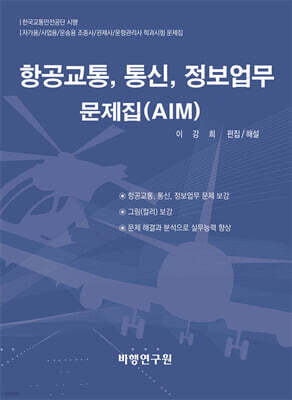
저자 소개 1
청주대학교 영문과, (학점제) 심리학, 육군3사관학교, 장교영어반, (미)항공고등군사반 수료, 육군항공학교 헬리콥터 이론 및 비행교관, FAA 이론 및 비행교관(비행기), 비행연구원 설립 및 집필활동(1996~현재) 중이다.
항공교육에 뜻을 두고 실무 비행경력을 바탕으로 실제와 이론에 관한 항공인의 지식 함양을 위해 계속 집필하고 있다. 현재까지 약 60여 권의 참고서와 문제집을 집필하여 항공지식의 이론적 토대를 마련하였다. 아울러 자격증명을 위한 시험문제집 집필로 제도권에서 공정한 학습권과 경쟁을 위한 체계화하였다.
이강희의 다른 상품
관련 분류
- 카테고리 분류
품목정보
- 발행일
- 2017년 09월 18일
- 쪽수, 무게, 크기
- 644쪽 | 1224g | 190*260*35mm
- ISBN13
- 9788987015453