
소득공제
외서
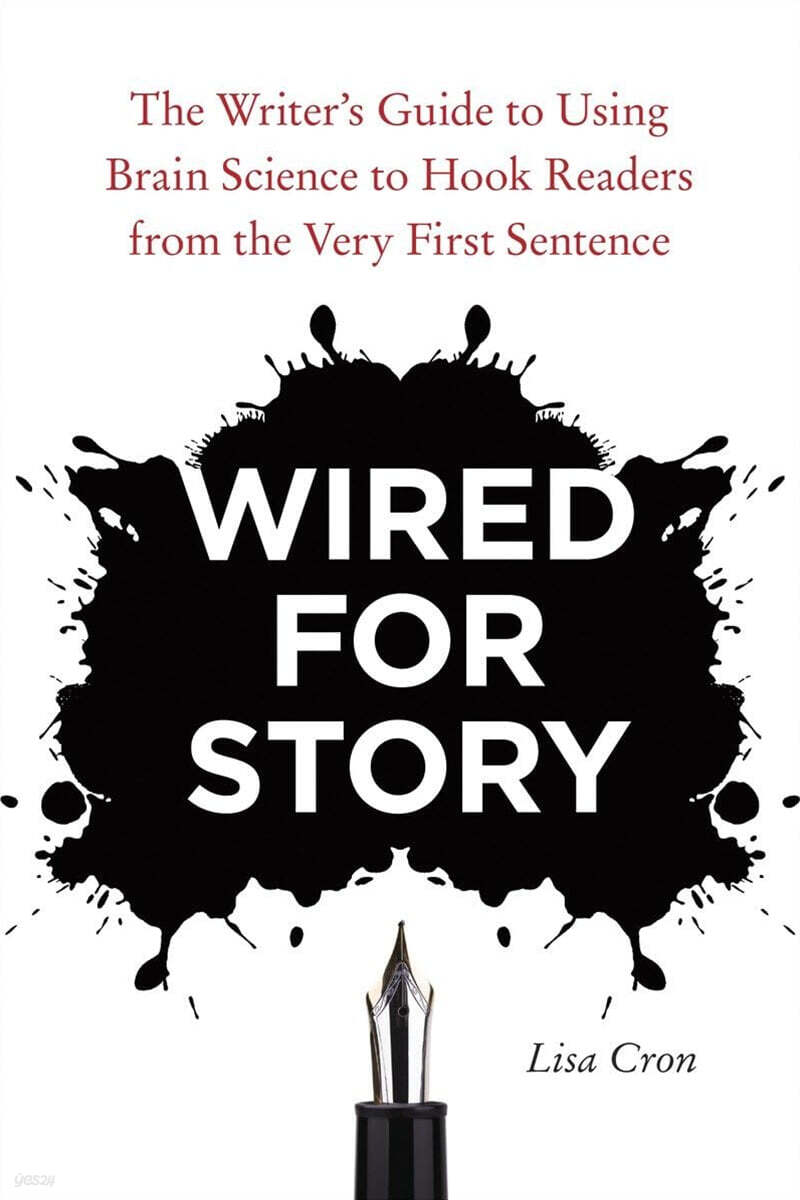
Wired for Story: The Writer's Guide to Using Brain Science to Hook Readers from the Very First Sentence
The Writer's Guide to Using Brain Science to Hook Readers from the Very First Sentence
Paperback
리사 크론 저
Ten Speed Press
2012.07.10.
- 번역서
- 끌리는 이야기는 어떻게 쓰는가
이미 소장하고 있다면 판매해 보세요.
- 국내배송만 가능
- 문화비소득공제 가능
책소개
목차
|
Introduction 1
1. How to Hook the Reader 6 Cognitive Secret: We think in story, which allows us to envision the future. Story Secret: From the very first sentence, the reader must want to know what happens next. 2. How to Zero In on Your Point 23 Cognitive Secret: When the brain focuses its full attention on something, it filters out all unnecessary information. Story Secret: To hold the brain's attention, everything in a story must be there on a need-to-know basis. 3. I'll Feel What He's Feeling 44 Cognitive Secret: Emotion determines the meaning of everything-if we're not feeling, we're not conscious. Story Secret: All story is emotion based-if we're not feeling, we're not reading. 4. What Does Your Protagonist Really Want? 65 Cognitive Secret: Everything we do is goal directed, and our biggest goal is figuring out everyone else's agenda, the better to achieve our own. Story Secret: A protagonist without a clear goal has nothing to figure out and nowhere to go. 5. Digging Up Your Protagonist's Inner Issue 84 Cognitive Secret: We see the world not as it is, but as we believe it to be. Story Secret: You must know precisely when, and why, your protagonist's worldview was knocked out of alignment. 6. The Story Is in the Specifics 103 Cognitive Secret: We don't think in the abstract; we think in specific images. Story Secret: Anything conceptual, abstract, or general must be made tangible in the protagonist's specific struggle. 7. Courting Conflict, the Agent of Change 124 Cognitive Secret: The brain is wired to stubbornly resist change, even good change. Story Secret: Story is about change, which results only from unavoidable conflict. 8. Cause and Effect 144 Cognitive Secret: From birth, our brain's primary goal is to make causal connections-if this, then that. Story Secret: A story follows a cause-and-effect trajectory from start to finish. 9. What Can Go Wrong, Must Go Wrong-and Then Some 166 Cognitive Secret: The brain uses stories to simulate how we might navigate difficult situations in the future. Story Secret: A story's job is to put the protagonist through tests that, even in her wildest dreams, she doesn't think she can pass. 10. The Road from Setup to Payoff 185 Cognitive Secret: Since the brain abhors randomness, it's always converting raw data into meaningful patterns, the better to anticipate what might happen next. Story Secret: Readers are always on the lookout for patterns; to your reader, everything is either a setup, a payoff, or the road in between. 11. Meanwhile, Back at the Ranch 200 Cognitive Secret: The brain summons past memories to evaluate what's happening in the moment in order to make sense of it. Story Secret: Foreshadowing, flashbacks, and subplots must instantly give readers insight into what's happening in the main storyline, even if the meaning shifts as the story unfolds. 12. The Writer's Brain on Story 219 Cognitive Secret: It takes long-term, conscious effort to hone a skill before the brain assigns it to the cognitive unconscious. Story Secret: There's no writing; there's only rewriting. Endnotes 239 Acknowledgments 251 About the Author 253 Index 254 |
저자 소개 1
Risa Cron
세계적인 스토리 컨설턴트. UC버클리를 졸업하고 W. W. 노턴과 존 뮤어 등 유명 출판사에서 문학 편집자로 10년간 근무했다. 신인 작가의 작품부터 베스트셀러를 넘어 고전이 된 작품까지 수많은 소설을 담당하며 냉철하고 능력 있는 편집자로 명성을 쌓았다.
성공적인 출판 경력을 바탕으로 방송계의 러브콜을 받아 폭스TV, 미러맥스, 코트TV, 쇼타임 등에서 스토리 에디터와 선임 프로듀서로 활약했다.
이후 스토리텔링의 전쟁터인 할리우드로 넘어가, 미국 최대 영화사 워너브라더스를 비롯하여 윌리엄 모리스 에이전시, 빌리지 로드쇼 등 굵직한 영화사에서 시나리오 각색을 돕는 스토리 컨설턴
세계적인 스토리 컨설턴트. UC버클리를 졸업하고 W. W. 노턴과 존 뮤어 등 유명 출판사에서 문학 편집자로 10년간 근무했다. 신인 작가의 작품부터 베스트셀러를 넘어 고전이 된 작품까지 수많은 소설을 담당하며 냉철하고 능력 있는 편집자로 명성을 쌓았다.
성공적인 출판 경력을 바탕으로 방송계의 러브콜을 받아 폭스TV, 미러맥스, 코트TV, 쇼타임 등에서 스토리 에디터와 선임 프로듀서로 활약했다.
이후 스토리텔링의 전쟁터인 할리우드로 넘어가, 미국 최대 영화사 워너브라더스를 비롯하여 윌리엄 모리스 에이전시, 빌리지 로드쇼 등 굵직한 영화사에서 시나리오 각색을 돕는 스토리 컨설턴트로 일했다. 또한 안젤라 리날디 문학 에이전시에서 출판 에이전트로 활동하며 수많은 작가와 협업했다. 2006년부터 〈왕좌의 게임〉 브라이언 코그먼, 〈캐리비안의 해적〉 스튜어트 베티 등 유명 각본가 및 극작가를 배출한 UCLA 익스텐션 작가 프로그램의 강사로 근무 중이다.
다양한 경험을 바탕으로 강연을 펼치며, 작가 지망생은 물론, 광고, 비즈니스, 마케팅 분야 종사자, 크리에이터들 사이에서 최고의 스토리텔링 강사로 인정받고 있다.
《끌리는 이야기는 어떻게 쓰는가》는 그녀가 자신의 다양한 경험을 통해 얻은 직관적 통찰을 과학적인 근거를 토대로 설명한 책이다. 특히 뇌 과학의 연구 성과를 바탕으로 인간의 욕망이 움직이고 반응하는 방식에 따른 스토리텔링의 보편적 법칙을 설명해내어 커다란 반향을 일으켰다. 여기에 자신이 실제로 담당했던 생생한 사례를 더해 독자와 가장 가까운 입장에서 성공적인 스토리의 조건을 밝힌다.
성공적인 출판 경력을 바탕으로 방송계의 러브콜을 받아 폭스TV, 미러맥스, 코트TV, 쇼타임 등에서 스토리 에디터와 선임 프로듀서로 활약했다.
이후 스토리텔링의 전쟁터인 할리우드로 넘어가, 미국 최대 영화사 워너브라더스를 비롯하여 윌리엄 모리스 에이전시, 빌리지 로드쇼 등 굵직한 영화사에서 시나리오 각색을 돕는 스토리 컨설턴트로 일했다. 또한 안젤라 리날디 문학 에이전시에서 출판 에이전트로 활동하며 수많은 작가와 협업했다. 2006년부터 〈왕좌의 게임〉 브라이언 코그먼, 〈캐리비안의 해적〉 스튜어트 베티 등 유명 각본가 및 극작가를 배출한 UCLA 익스텐션 작가 프로그램의 강사로 근무 중이다.
다양한 경험을 바탕으로 강연을 펼치며, 작가 지망생은 물론, 광고, 비즈니스, 마케팅 분야 종사자, 크리에이터들 사이에서 최고의 스토리텔링 강사로 인정받고 있다.
《끌리는 이야기는 어떻게 쓰는가》는 그녀가 자신의 다양한 경험을 통해 얻은 직관적 통찰을 과학적인 근거를 토대로 설명한 책이다. 특히 뇌 과학의 연구 성과를 바탕으로 인간의 욕망이 움직이고 반응하는 방식에 따른 스토리텔링의 보편적 법칙을 설명해내어 커다란 반향을 일으켰다. 여기에 자신이 실제로 담당했던 생생한 사례를 더해 독자와 가장 가까운 입장에서 성공적인 스토리의 조건을 밝힌다.
관련 분류
품목정보
- 발행일
- 2012년 07월 10일
- 쪽수, 무게, 크기
- 272쪽 | 142*208*19mm
- ISBN13
- 9781607742456
사락 별점0
혜택 및 유의사항밑줄0
혜택 및 유의사항상품정보안내
직수입외서의 경우, 해외거래처에서 제공하는 정보가 부족하여 제목, 표지, 가격, 유통상태 등의 정보가 미비하거나 변경되는 경우가 있습니다. 정확한 확인을 원하시는 경우, 일대일 상담으로 문의하여 주시면 답변 드리겠습니다.
(판형과 판수 등이 다양한 도서는 찾으시는 도서의 ISBN을 알려 주시면 보다 빠르고 정확한 안내가 가능합니다.)
해외거래처에서 품절인 경우, 2차 거래선을 통해 유럽과 미국 출판사로 직접 수입이 진행될 수 있습니다.
수입 진행 시점으로 부터 2~3주가 추가로 소요되며, 해외에서도 유통이 원활하지 않은 도서는 품절 안내가 지연될 수 있습니다.
해당 경우, 문자와 메일로 별도 안내를 드리고 있사오니 마이페이지에서 휴대전화번호와 메일주소를 다시 한번 확인해주시기 바랍니다.
(판형과 판수 등이 다양한 도서는 찾으시는 도서의 ISBN을 알려 주시면 보다 빠르고 정확한 안내가 가능합니다.)
해외거래처에서 품절인 경우, 2차 거래선을 통해 유럽과 미국 출판사로 직접 수입이 진행될 수 있습니다.
수입 진행 시점으로 부터 2~3주가 추가로 소요되며, 해외에서도 유통이 원활하지 않은 도서는 품절 안내가 지연될 수 있습니다.
해당 경우, 문자와 메일로 별도 안내를 드리고 있사오니 마이페이지에서 휴대전화번호와 메일주소를 다시 한번 확인해주시기 바랍니다.
11,950원
총 1개
11,950원