
이미 소장하고 있다면 판매해 보세요.
- 국내배송만 가능
- 문화비소득공제 가능
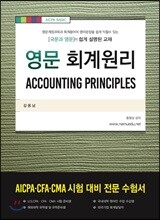
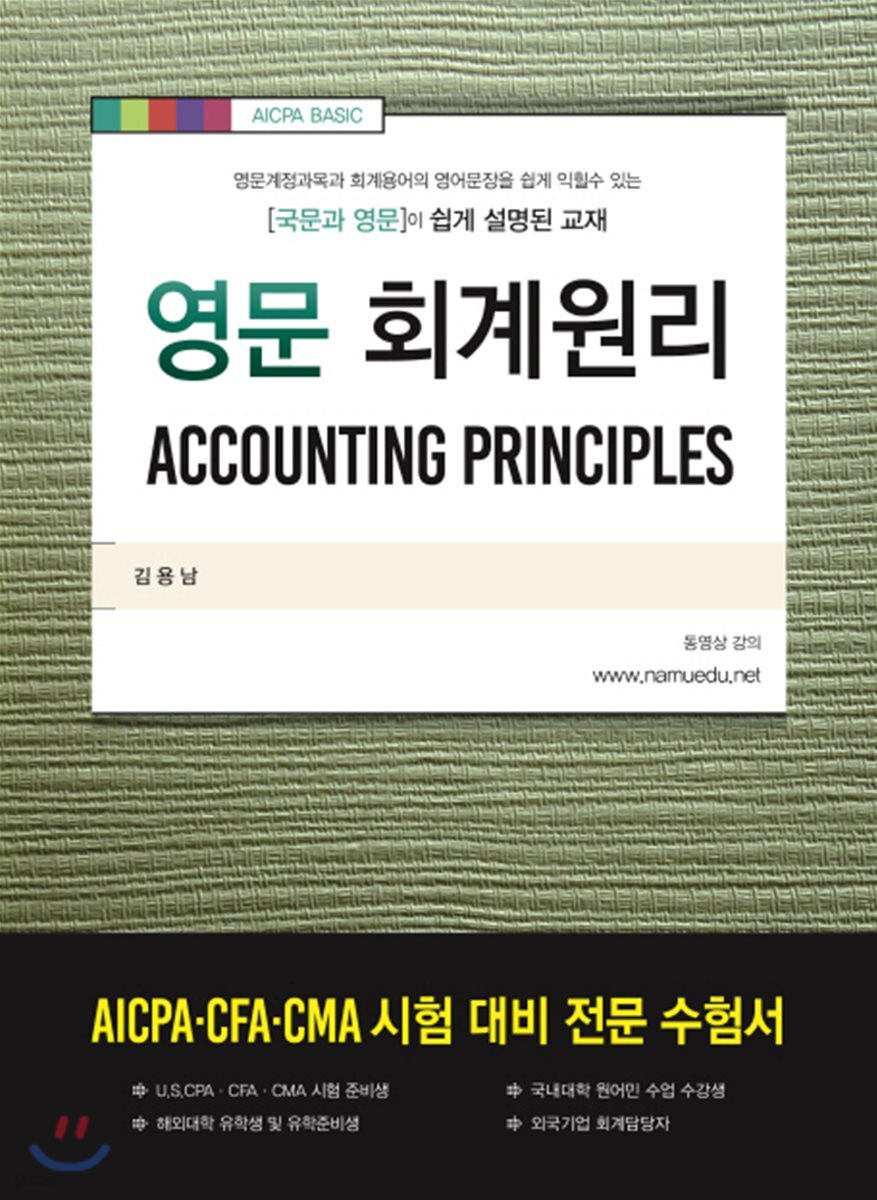
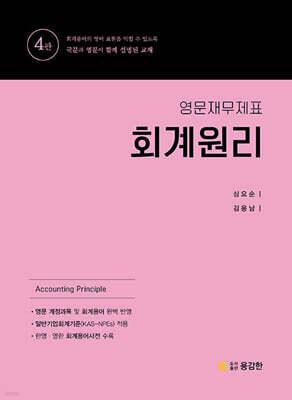
책소개
목차
|
Chapter 1. Fundamentals of Accounting
Section 1. Accounting의 정의와 Users of Accounting Information Section 2. Balance Sheet와 Income Statement Section 3. The Account(계정)의 이해 Section 4. Transaction(거래)의 의미와 Transaction의 이중성 Section 5. Journal Entry(분개)의 의미와 Recording Section 6. Posting(전기)과 General Ledger(총계정원장) Excercise Chapter 2. Accounting Cycle과 Closing Section 1. Closing(결산)의 의의 Section 2. Adjusting Entries(기말수정분개) Section 3. Estimated Items(추정항목)-Depreciation(감가상각비) Section 4. Closing Cycle Case Section 5. Trial Balance(시산표)의 작성 Section 6. Adjusting Entry와 Adjusted Trial Balance Section 7. Account(계정)의 Closing(마감) Section 8. Balance Sheet와 Income Statement의 작성 Section 9. Work Sheet(정산표) Excercise Chapter 3. Accounting for Merchandising Operation Section 1. Merchandising Operation의 의의 Section 2. Inventory 매매거래의 기록 Section 3. Merchandiser(상기업)의 Closing 사례 Section 4. Net Sales와 Net Cost of Purchases Excercise Chapter 4. Underlying Concepts Section 1. 회계의 분류 Section 2. Accounting의 Basic Assumption(기본가정) Section 3. Accounting처리를 위한 Accounting Principle과 Constraints Section 4. GAAP과 External Audit Section 5. Financial Statements Exercise Chapter 5. Inventories Section 1. Inventory의 Acquisition과 회계처리 Section 2. Ending Inventory의 결정 Section 3. Inventory Estimation Method(추정에 의한 평가방법) Section 4. Valuing Inventory(LCM) Exercise Chapter 6. Property, Plant and Equipment와 Intangible Assets Section 1. Nature of Property, Plant and Equipment Section 2. Property, Plant and Equipment의 Depreciation Section 3. Property, Plant and Equipment의 재무보고와 처분 Section 4. Intangible Assets Exercise Chapter 7. Financial Assets Section 1. Time Value of Money(화폐의 시간가치) Section 2. Financial Instrument의 정의 및 분류 Section 3. Financial Assets-Cash and Cash Equivalents Section 4. Financial Assets-Receivable Section 5. Bad Debts(대손)에 관한 회계처리 Section 6. Financial Assets-Trading Securities Section 7. Financial Assets-Available-for-Sale Financial Assets Section 8. Financial Assets-Held-to-Maturity Financial Assets Section 9. Checking Account와 Note Receivable Exercise Chapter 8. Financial Liabilities Section 1. Liabilities의 의의와 구분 Section 2. Bond(사채) Exercise Chapter 9. Other Liabilities Section 1. Other Liabilities의 구분 Section 2. Current Liabilities의 유형과 회계처리 Section 3. Provision과 Contingent Liabilities Exercise Chapter 10. Equity and Dividend Section 1. Equity의 의의 Section 2. Capital Stock Section 3. Additional Paid-in Capital Section 4. Retained Earning Section 5. Treasury Stock Section 6. Other Comprehensive Income Section 7. Statement of Stockholders' Equity Exercise Chapter 11. Revenues and Expense Section 1. Revenues and Expense의 의의 Section 2. Revenues의 인식 Section 3. Expense의 인식 Exercise |
저자 소개 1
연세대학교 경제학과 졸업, 공인회계사/세무사, 영화회계법인 근무, 한영회계법인 근무, 현대증권 근무, 선진회계법인 근무, 서대문구의회 예산검사위원, 웅지세무대학 교수를 역임했다. 현재 나무경영아카데미 대표이사, GARAGE 경영어드바이스그룹 대표나무경영아카데미 강사이다.
저서로 『IFRS회계원리』, 『원가관리회계』, 『객관식 원가관리회계』, 『원가관리회계연습』, 『세무사 원가관리회계연습』, 『감평회계학 원가관리회계』, 『감평회계학 객관식 원가관리회계』, 『Accounting Principles』, 『용감한 회계Start』, 『용감한 전산회계1급』, 『용감한 전산회계2급』, 『
연세대학교 경제학과 졸업, 공인회계사/세무사, 영화회계법인 근무, 한영회계법인 근무, 현대증권 근무, 선진회계법인 근무, 서대문구의회 예산검사위원, 웅지세무대학 교수를 역임했다. 현재 나무경영아카데미 대표이사, GARAGE 경영어드바이스그룹 대표나무경영아카데미 강사이다.
저서로 『IFRS회계원리』, 『원가관리회계』, 『객관식 원가관리회계』, 『원가관리회계연습』, 『세무사 원가관리회계연습』, 『감평회계학 원가관리회계』, 『감평회계학 객관식 원가관리회계』, 『Accounting Principles』, 『용감한 회계Start』, 『용감한 전산회계1급』, 『용감한 전산회계2급』, 『용감한 전산세무2급』, 『실무자를 위한 근로소득 연말정산』, 『실무자를 위한 부가가치세법 정복하기』 등이 있다.
저서로 『IFRS회계원리』, 『원가관리회계』, 『객관식 원가관리회계』, 『원가관리회계연습』, 『세무사 원가관리회계연습』, 『감평회계학 원가관리회계』, 『감평회계학 객관식 원가관리회계』, 『Accounting Principles』, 『용감한 회계Start』, 『용감한 전산회계1급』, 『용감한 전산회계2급』, 『용감한 전산세무2급』, 『실무자를 위한 근로소득 연말정산』, 『실무자를 위한 부가가치세법 정복하기』 등이 있다.
김용남의 다른 상품

품목정보
- 발행일
- 2014년 10월 21일
- 쪽수, 무게, 크기
- 442쪽 | 188*254*30mm
- ISBN13
- 9791157500062
