
소득공제
PDF
eBook
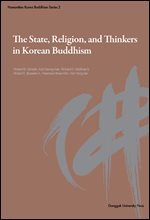
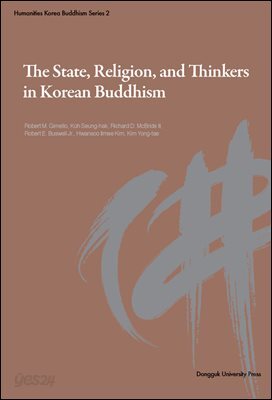
The State, Religion, and Thinkers in Korean Buddhism - Humanities Korea Buddhism Series 2
스마트한 PDF 필기 기능을 사용해 보세요!
동국대학교출판부
2018.09.01.
- PDF 안내
-
이 상품은 구매 후 지원 기기에서 예스24 eBook앱 설치 후 바로 이용 가능한 상품입니다.
목차
|
Foreword·viii
Abbreviations and Conventions·xiii Uisang and the Chart of the One-Vehicle of Hwaeom Robert M. Gimello 1 Wishes and Vows as Seen from Buddhist Cults of the Silla People: Centering on the Samguk yusa Koh Seung-hak 19 Introduction: Definition of "Won" 願 and Its Meanings in the Historical Scene·19 Ⅰ. The Silla People’s Wishes and Vows: A Textual Analysis of the Samguk yusa·23 Ⅱ. Introduction of Buddhism and the State-Centered Wishes/Vows of Royalty·34 Ⅲ. Spread of Buddhist Cults and the Individualistic Wishes/Vows of the Common People·43 Concluding Remarks: Characteristics of Wishes/Vows of the Silla People·49 Table of Contents vi The State, Religion, and Thinkers in Korean Buddhism Uicheon and Monastic Education and Curriculum in Early Goryeo Richard D. McBride II 61 Ⅰ. Confucian Education and the Examination System in Northern Song and Goryeo·62 Ⅱ. Buddhist Examinations and Governmental Control in Tang and Song China·66 Ⅲ. The Buddhist Examination System and Monastic Education in Early Goryeo·71 Ⅳ. Uicheon’s Development of Monastic Curricula·81 Ⅴ. Educational Material in Uicheon’s Canon of Doctrinal Teachings·90 Bojo Jinul 普照知訥 and the Sudden-Gradual Issue: Ganhwa Seon and Korean Buddhist Soteriology Robert E. Buswell Jr. 127 Ⅰ. Jinul’s Preferred Soteriology of Moderate Subitism·129 Ⅱ. Problems with Radical Subitism·130 Ⅲ. The Ganhwa Technique·133 Ⅳ. Sudden Awakening/Sudden Cultivation and the Ganhwa Technique·135 "The Mystery of the Century": Lay Buddhist Monk Villages (Jaegaseung chon) Near Korea’s Northernmost Border, 1600s ?1960s Hwansoo Ilmee Kim 149 Introduction·149 Ⅰ. General History: Korea and the Jurchen·152 Ⅱ. Theories of the Communities’ History and Monastic Identity·153 Ⅲ. Documentation on Lay Monks·162 Ⅳ. Lay Monks within Joseon Buddhism·164 Ⅴ. Scholarship in Context·172 Ⅵ. Conflicted Attitude of Korean Buddhists·176 Conclusion·180 Table of Contents vii Korean Buddhism’s Efforts to Establish Itself as a Modern Religion, and Its Political Subjugation to Authorities in the Process Kim Yong-tae 195 Foreword·195 Ⅰ. The "Civilized Enlightenment" Policy of [Korean] Modern Buddhism, and Its "Reform" Discourses·197 Ⅱ. Problems of the "Buddhist Temple Act," and Korean Buddhism’s Transformation into State Buddhism·208 Closing Remarks·219 Contributors·233 |
저자 소개 6
서울대학교 국사학과를 졸업하고 동 대학원에서 조선시대 불교사 연구로 석사와 박사학위를 받았다. 일본 도쿄대학 인도철학불교학과에서 수학하며 중국 송대 화엄을 주제로 석사논문을 제출하기도 했다. 한국사상사학회·불교학연구회 연구이사를 역임했고, 현재 동국대학교 불교학술원 HK교수로 재직 중이다.
주요 저서로 『조선후기 불교사 연구: 임제법통과 교학전통』(2010), 『Glocal History of Korean Buddhism』(2014), 『토픽한국사 12』(2016), 『韓國佛敎史』(2017, 일본 춘추사) 등이 있으며, 『조계고승전』(2020)을 함께 번역했다. 『신앙과 사
서울대학교 국사학과를 졸업하고 동 대학원에서 조선시대 불교사 연구로 석사와 박사학위를 받았다. 일본 도쿄대학 인도철학불교학과에서 수학하며 중국 송대 화엄을 주제로 석사논문을 제출하기도 했다. 한국사상사학회·불교학연구회 연구이사를 역임했고, 현재 동국대학교 불교학술원 HK교수로 재직 중이다.
주요 저서로 『조선후기 불교사 연구: 임제법통과 교학전통』(2010), 『Glocal History of Korean Buddhism』(2014), 『토픽한국사 12』(2016), 『韓國佛敎史』(2017, 일본 춘추사) 등이 있으며, 『조계고승전』(2020)을 함께 번역했다. 『신앙과 사상으로 본 불교전통의 흐름』(2007), 『테마 한국불교(1~10)』(2013~2021), 『The State, Religion, and Thinkers in Korean Buddhism』(2014), 『East Asian Buddhism and Modern Buddhist Studies』(2017) 등을 비롯해 스무 권이 넘는 불교학술서를 기획하고 함께 펴냈다.
이 밖에도 「동아시아 근대불교 연구의 특성과 오리엔탈리즘의 투영」, 「역사학에서 본 한국불교사 연구 100년」, 「동아시아의 징관 화엄 계승과 그 역사적 전개」, 「조선 불교, 고려 불교의 단절인가 연속인가?」, “Formation of a Chos?n Buddhist Tradition: Dharma Lineage and the Monastic Curriculum from a Synchronic and a Diachronic Perspective”, “Buddhism and the Afterlife in the Late Joseon Dynasty: Leading Souls to the Afterlife in a Confucian Society” 등 50여 편이 넘는 학술논문을 발표했다.
대원불교문화상 대상·선리연구원 학술상 등을 수상했으며, 조선시대 불교를 동아시아의 시각에서 바라보면서 근대불교에도 관심을 두고 연구를 이어나가고 있다.
주요 저서로 『조선후기 불교사 연구: 임제법통과 교학전통』(2010), 『Glocal History of Korean Buddhism』(2014), 『토픽한국사 12』(2016), 『韓國佛敎史』(2017, 일본 춘추사) 등이 있으며, 『조계고승전』(2020)을 함께 번역했다. 『신앙과 사상으로 본 불교전통의 흐름』(2007), 『테마 한국불교(1~10)』(2013~2021), 『The State, Religion, and Thinkers in Korean Buddhism』(2014), 『East Asian Buddhism and Modern Buddhist Studies』(2017) 등을 비롯해 스무 권이 넘는 불교학술서를 기획하고 함께 펴냈다.
이 밖에도 「동아시아 근대불교 연구의 특성과 오리엔탈리즘의 투영」, 「역사학에서 본 한국불교사 연구 100년」, 「동아시아의 징관 화엄 계승과 그 역사적 전개」, 「조선 불교, 고려 불교의 단절인가 연속인가?」, “Formation of a Chos?n Buddhist Tradition: Dharma Lineage and the Monastic Curriculum from a Synchronic and a Diachronic Perspective”, “Buddhism and the Afterlife in the Late Joseon Dynasty: Leading Souls to the Afterlife in a Confucian Society” 등 50여 편이 넘는 학술논문을 발표했다.
대원불교문화상 대상·선리연구원 학술상 등을 수상했으며, 조선시대 불교를 동아시아의 시각에서 바라보면서 근대불교에도 관심을 두고 연구를 이어나가고 있다.
김용태의 다른 상품
서울대학교 철학과 졸업. University of California, Los Angeles 박사. 현재 금강대학교 불교인문학부 교수. 공저로 『다원주의의 철학적 관점』(전남대학교출판문화원, 2018), 『테마 한국불교』 I-III(동국대 학교출판부, 2012-2015) 등이 있고, 공역서로 Ilseung beopgye-do Wontong-gi: Master Gyunyeo’s Commentary on the Dharma Realm Diagram of the One Vehicle(Dongguk University Press, 2013), 『동아시아한국불교사료: 중국문헌편』(동국대학
서울대학교 철학과 졸업. University of California, Los Angeles 박사. 현재 금강대학교 불교인문학부 교수. 공저로 『다원주의의 철학적 관점』(전남대학교출판문화원, 2018), 『테마 한국불교』 I-III(동국대 학교출판부, 2012-2015) 등이 있고, 공역서로 Ilseung beopgye-do Wontong-gi: Master Gyunyeo’s Commentary on the Dharma Realm Diagram of the One Vehicle(Dongguk University Press, 2013), 『동아시아한국불교사료: 중국문헌편』(동국대학교출판부, 2014) 등이 있다. 박사학위논문인 “Li Tongxuan’s (635-730) Thought and His Place in the Huayan Tradition of Chinese Buddhism” (University of California, Los Angeles, 2011) 외에 화엄사상을 다룬 다수의 연구논문이 있다.
고승학의 다른 상품
노트르담 대학교의 신학 및 동아시아 언어 및 문화 교수이다.
브리검영대 역사학과 조교수이다.
UCLA의 저명한 불교학 교수이다.
Distinguished Professor of Buddhist Studies at UCLA, Irving and Jean Stone Endowed Chair in HUmanities, Director of the Center for Buddhist Studies
듀크 대학교 조교수이다.
품목정보
- 발행일
- 2018년 09월 01일
- 지원기기
- 크레마, 아이폰, 아이패드, 안드로이드폰, 안드로이드패드, 전자책단말기(저사양 기기 사용 불가)
- 파일/용량
- PDF(DRM) | 9.89MB ?
- 글자 수/ 페이지 수
- 약 256쪽 ?
- ISBN13
- 9788978017633
출판사 리뷰
|
T for Humanities Korea (HK) of Academy of Buddhist
Studies, Dongguk University hosted an international joint conference titled “The State, Religion, and Thinkers in Korean Buddhism” at the University of California, Los Angeles on August 8th, 2012, in association with the Center for Buddhist Studies at UCLA. The primary goals of the conference were to explore “glocality” of Korean Buddhism, to conduct interdisciplinary research on Korean Buddhism, and to foster the development of studies of Korean Buddhism by promoting academic exchanges among scholars from in and outside of Korea and by cooperating with an outstanding academic institution abroad. The eight presentations were made at the conference, and six papers of them are reincarnated into the present volume. The first two papers examine Uisang’s approach to Hwaeom and Buddhist devotional cults of the Silla respectively. Uicheon and Jinul, the two great monks of the Goryeo dynasty are subjects of next two papers. The following paper takes us to Joseon Korea and invites us to examine lay Buddhist monk villages during the late Joseon dynasty. The final paper analyzes modern Korean Buddhism from a critical perspective in order to reflect upon cotemporary Korean Buddhism. As stated above, most papers focus on Buddhist thinkers who are representative of the spirit of the times, and the relationship between the state Foreword Foreword ix and sa?gha in the history of Korean Buddhism, whereas some examine the issues of devotion and relation between the state and religion. All the papers presented at the conference provided a valuable opportunity to reflect upon the universality and distinctiveness of Korean Buddhism from new perspectives. In the first paper titled “Uisang and the Chart of the One-Vehicle of Hwaeom,” Robert Gimello elucidates significance of the Beopgye-do in the development of Huayan/Hwaeom tradition through a meticulous analysis of the Hwaeom ilseung beopgye-do composed by the Silla monk Uisang. This seminal text is, as Gimello shows, essential for understanding the very beginning of the Korean Hwaeom tradition it represents. While previous scholarship primarily focused on Zhiyan’s writings, Gimello seeks to revise this view by paying focused attention to Uisang’s Beopgye-do. Acknowledging Uisang’s indebtedness to Vasubandhu and the Dilun school, Gimello proposes considering the shape and content of the Ilseung beopgye-do represented in the form of a helical poem to be “an objective correlative, a verbal and graphic illustration of the six marks and their meaning.” In “Wishes and Vows as Seen from Buddhist Cults of the Silla People: Centering on the Samguk yusa,” Koh Seung-hak sheds a new light on Buddhist cults of the Silla by examining “won” or “wollyeok” that could be rendered as wishes and vows in English. Examining references to the term preserved in the Samguk yusa, a primary source for understanding ancient Korean Buddhism, Koh demonstrates how the notion of wollyeok, which plays a pivotal role in the bodhisattva practice of Mah?y?na Buddhism, developed on Korean soil. Koh’s essay examines the Silla people’s Buddhist cults and the relationship between Buddhism and the ancient state after the transmission of Buddhism in depth. Koh’s analysis reveals two aspects of the Silla people’s won. On the one hand, it represents the faith in taryeok or other-power, which aimed for achieving religious wishes of individuals and solving pressing issues that the state faced through prayer to buddhas and bodhisattvas. On the other hand, the Silla people’s cultic practices, promoted by the Buddhist elite, x The State, Religion, and Thinkers in Korean Buddhism simultaneously embody the Mah?y?na ideals of non-duality and dedication of merit to others. That the cults devoted to diverse buddhas and bodhisattvas coexisted without conflicts represents synthetic character of Silla Buddhism. Richard D. McBride II’s “Uicheon and Monastic Education and Curriculum in Early Goryeo” is a welcome addition to studies of Goryeo Buddhism. Although past scholarship on monastic examinations during the Goryeo has illuminated the relationship between the state and sa?gha, monastic education and curriculum, issues closely related to monastic examination, have not received scholarly attention they deserve. By analyzing Uicheon’s several writings on monastic education, McBride brings into sharp focus the monastic education and curricula at the end of the eleventh century. By comparing Goryeo’s system of monastic examinations with those of Tang-Song China meticulously, McBride finds distinctive character of Goryeo’s monastic examinations and illustrates in what ways it is different from contemporary Chinese counterpart. In “Bojo Jinul 普照知訥 and the Sudden-Gradual Issue: Ganhwa Seon and Korean Buddhist Soteriology,” Robert E. Buswell Jr. investigates issues of awakening and practice in ganhwa Seon, a meditation technique promoted by Jinul, the founder of Suseonsa, who left lasting influence on Korean Buddhism. Jinul was the first Korean monk who wrote about the ganhwa technique and advocated its use. Buswell’s analysis of Jinul’s writings indicates that Jinul’s approach to ganhwa Seon differs from what becomes normative within the Linji tradition. Buswell further shows that Jinul sought for accommodation between his preferred soteriological approach of sudden awakening/gradual cultivation and the ganhwa Seon practice and that Jinul considered ganhwa Seon as a “short-cut” to enlightenment, which transcends all the other soteriological approaches. Buswell’s paper not only improves our understanding of Jinul’s approach to the sudden awakening/gradual cultivation, but also sheds a new light on the sudden/ gradual debate that continues to date. Hwansoo Ilmee Kim, in “ ‘The Mystery of the Century’: Lay Buddhist Foreword xi Monk Villages (Jaegaseung chon) Near Korea’s Northernmost Border, 1600s? 1960s,” invites readers to turn to the villages of lay monks in Hamgyeongdo near North Korea’s northernmost border, a rare instance of married monks forming communities for a long time in the history of East Asian Buddhism. The men of the villages, called “lay monks,” had wives and children and made a living in the border region between Korea and China. These communities and their life styles lasted until the Japanese colonial period. Kim traces the origins and history of these communities within the context of Joseon Buddhism. Not only does this paper advance our understanding of Buddhism placed under the Neo-Confucian hegemony of the Joseon dynasty, but also it helps us better understand the conflict between the celibate and married monks in the modern times. The present volume concludes with a paper by Kim Yong-tae, “Korean Buddhism’s Efforts to Establish Itself as a Modern Religion, and Its Political Subjugation to Authorities in the Process.” Kim examines Korean Buddhism’s efforts to establish itself as a modern religion and limitations caused by its political subjugation to colonial authorities in the process. Pursuing a state of civilized enlightenment, modern Buddhist thinkers proposed diverse reformist measures in order to establish Buddhism as a modern religion without any restraints. Due to the lack of independent, mature understanding of the modernity, however, these thinkers merely sought for civilized enlightenment to protect the religion they upheld and to secure Buddhism’s place in a rapidly changing modern society. The “Buddhist Temple Act,” implemented during the Japanese colonial period, allowed the Governor General Office to directly manage and control the Joseon Buddhist circle. Although some Korean reformists called for abolishment of the Buddhist Temple Act and separation between the state and religion, Buddhism eventually became another form of state religion for the colonial government when the “Wartime Mobilization” was established during the World War II. Kim deftly demonstrates how the colonial realities emasculated Buddhist reformers who dreamt of Buddhism’s transformation into a modern religion. The burden of the painful, colonial xii The State, Religion, and Thinkers in Korean Buddhism past fell on Korean Buddhism even after Korea’s independence from Japan in 1945. Together the six papers in this volume represent the mission of the Research Project for Humanities Korea: to explore and define glocality of Korean Buddhism. Sincere gratitude goes to the contributors for their invaluable essays and Professor Robert E. Buswell Jr. in particular for presiding over the international conference back in 2012. We extend our heartfelt gratitude to HK Research Professors Kang Ho-sun and Koh Seung-hak, and Mr. Rhee Deok-yeol for their editorial assistance. We are similarly grateful to the Anguk Zen Center for providing much help with English publication. Kim Jong-wook Director Research Project for Humanities Korea, Dongguk University |
